
 IN
Industrial Lifting Chains
35 products available
What are Industrial Lifting Chains?
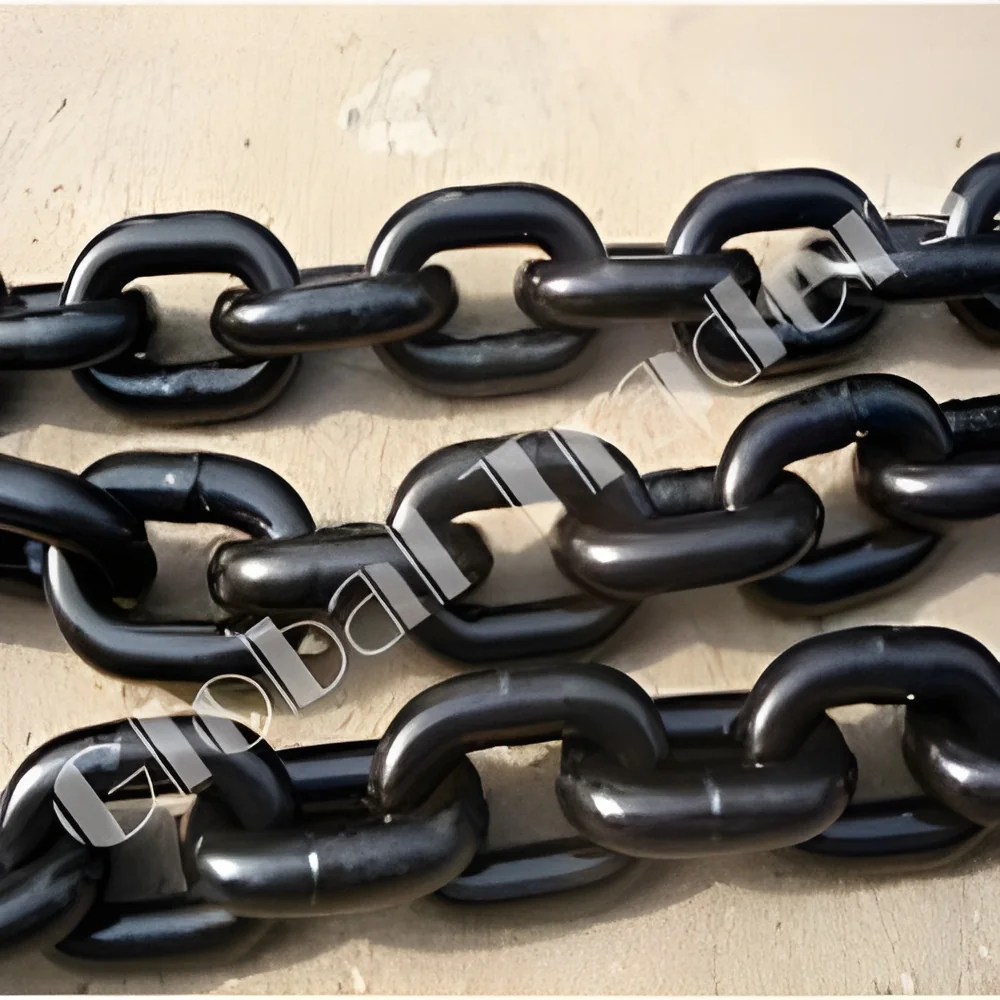
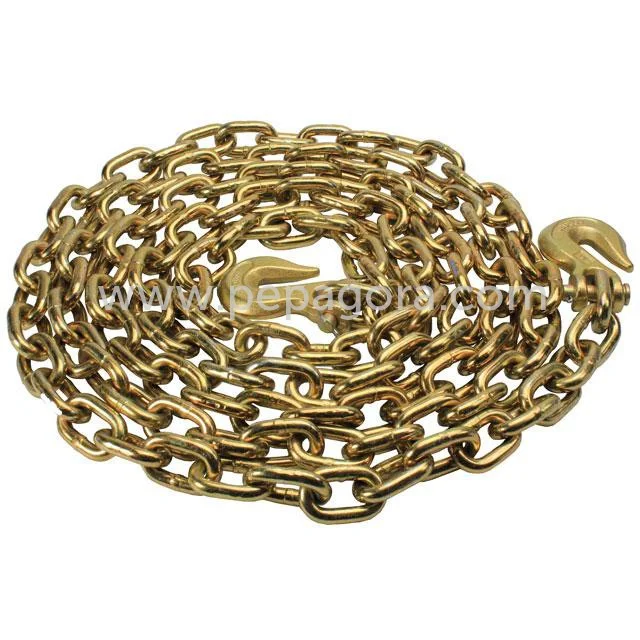
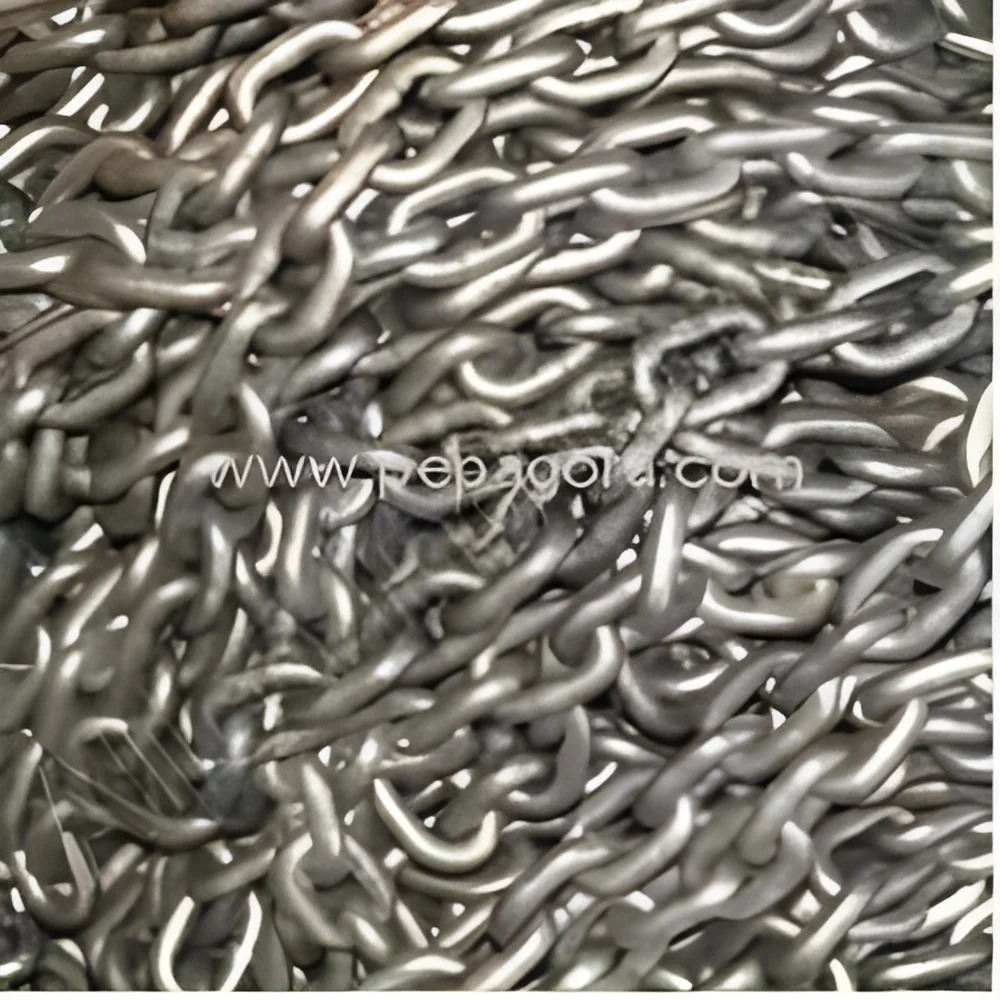
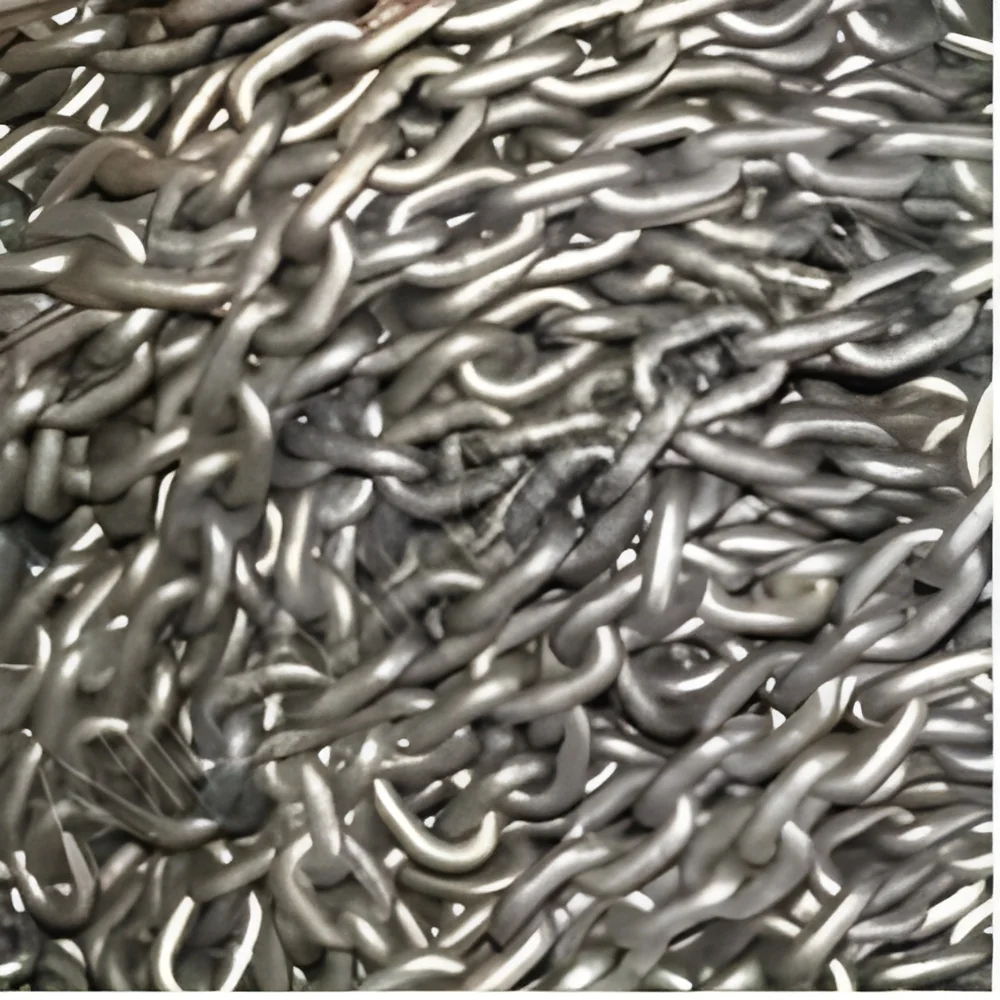
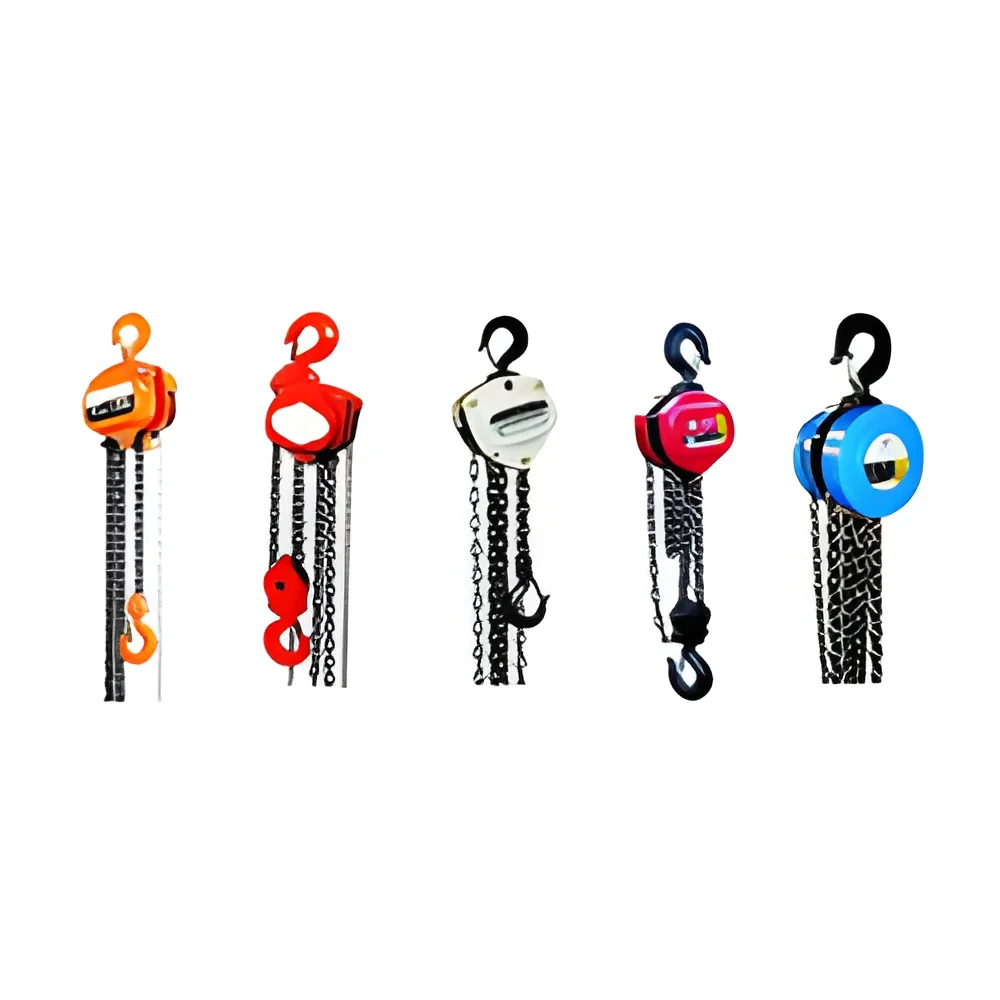
Industrial lifting chains are robust metal chains designed specifically for lifting and moving heavy loads in various industrial settings. These chains are engineered to withstand high levels of stress and are typically made from high-strength steel or other durable materials. Their design allows for efficient and safe lifting operations, making them essential components in material handling, construction, and manufacturing.
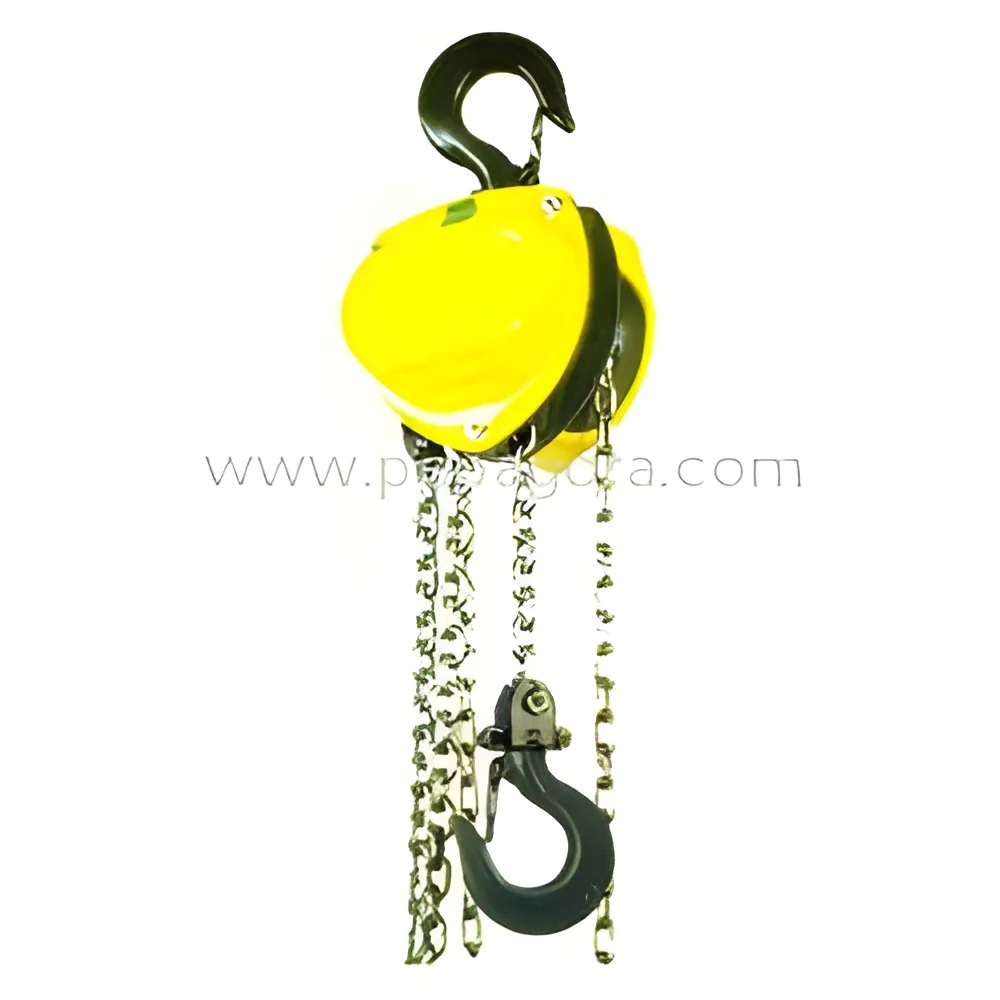
These lifting chains are commonly used in various applications including hoisting, rigging, and securing loads during transportation. They play a critical role in industries such as construction, shipping, and manufacturing, where heavy machinery and equipment are frequently used. With the increasing demand for efficiency and safety in industrial operations, the market for industrial lifting chains continues to grow, driven by advancements in technology and material science.
Key Features and Specifications
Industrial lifting chains come with a range of features and specifications that ensure high performance and safety. These specifications are crucial for buyers to consider when selecting the appropriate chains for their operations.
Key specifications include:
1. Material Composition
- Made from high-strength steel for durability
- Resistance to wear and corrosion
2. Load Capacity
- Available in various load ratings
- Typically ranges from 1 ton to over 100 tons
3. Chain Type
- Options include grade 30, grade 43, and grade 80 chains
- Each grade has specific strength characteristics
4. Link Size
- Varies based on load requirements
- Standard sizes available for compatibility with different hoists
5. Finish
- Options include painted, galvanized, or chrome-plated
- Finish options enhance corrosion resistance and visibility
6. Length
- Customizable lengths available to suit specific applications
- Standard lengths also offered
7. Compliance Standards
- Meets industry standards such as CE certification
- Adherence to safety and quality regulations
In summary, selecting the right industrial lifting chain involves understanding these specifications to ensure safety and efficiency in operations.
Common Applications and Use Cases
Industrial lifting chains are versatile tools used across various sectors. Their strength and reliability make them suitable for numerous applications.
1. Construction: In the construction industry, lifting chains are used to hoist heavy materials such as steel beams and concrete blocks, ensuring safe and efficient building processes.
2. Manufacturing: In manufacturing facilities, these chains assist in moving materials along production lines, enabling streamlined operations and reducing manual handling.
3. Shipping and Logistics: Industrial lifting chains are utilized to secure and lift cargo in shipping containers, ensuring safe transport by sea and land.
4. Mining: In the mining sector, they are used to lift heavy machinery and equipment, crucial for extracting resources from underground.
5. Automotive: In automotive manufacturing, lifting chains help in assembling vehicles by safely positioning heavy parts during production.
6. Warehousing: Lifting chains are employed in warehouses to move pallets and heavy goods, increasing efficiency in inventory management.
Product Variants and Subcategories
Industrial lifting chains are available in various variants, each designed to meet specific operational needs.
Grade 30 Chains
Grade 30 chains are typically used for light-duty applications. They are suitable for general lifting and securing loads in simple rigging tasks.
Grade 43 Chains
Grade 43 chains are designed for medium-duty applications. They offer higher strength than grade 30 chains and are often used in lifting and towing operations.
Grade 80 Chains
Grade 80 chains are heavy-duty and engineered for high-stress applications. They are ideal for lifting heavy loads in industrial environments and are often used in conjunction with hoists and cranes.
Benefits and Advantages
Industrial lifting chains provide numerous benefits to businesses that utilize them.
1. High Strength: They are constructed from robust materials, providing exceptional load-bearing capabilities.
2. Versatility: These chains can be used in various applications across multiple industries, making them a flexible choice.
3. Safety: When used correctly, industrial lifting chains enhance safety by minimizing the risk of load failure during lifting operations.
4. Cost-Effective: Their durability leads to lower replacement costs and decreased downtime for businesses.
5. Compliance: Many lifting chains meet industry safety standards, ensuring peace of mind for users.
6. Customization: Options for custom lengths and finishes allow businesses to tailor solutions to their specific needs.
Buying Guide for B2B Buyers
When sourcing industrial lifting chains, several critical factors should be evaluated to ensure the right choice.
1. Quality Assessment: Buyers should look for chains made from high-strength materials and verify that they meet relevant safety standards. Inspecting supplier certifications can be beneficial.
2. Supplier Verification: It is essential to vet suppliers to ensure they are reputable and provide quality products. Requesting references and checking reviews can help assess reliability.
3. Pricing and MOQ: Understand the pricing structure and minimum order quantities (MOQ) from suppliers. This can impact budget planning and inventory management.
4. Delivery and Lead Times: Confirm delivery timelines with suppliers to align with project schedules. Assessing their logistics capabilities is crucial for timely operations.
5. Compliance Requirements: Ensure that the lifting chains comply with relevant regulations and standards in your industry. This may include certifications like CE, which indicate adherence to safety and quality norms.
Compliance and Certifications
Compliance and certifications are vital aspects of industrial lifting chains, ensuring that they meet safety and quality standards.
Relevant quality standards such as ISO 9001 ensure that manufacturers maintain a consistent level of quality in their products. Compliance with these standards indicates a commitment to quality management systems.
Industry certifications, including CE marking, signify that the lifting chains conform to European safety standards. This certification is crucial for products sold within the European market and helps build trust with buyers.
Safety and testing requirements are also essential, as they ensure that lifting chains can withstand the operational stresses they will encounter. Regular testing and quality assurance processes are necessary to validate their reliability.
Regional compliance considerations may vary, so it is important for buyers to be aware of local regulations that could affect the use of lifting chains in their specific markets.
Why Source Industrial Lifting Chains from Pepagora?
Pepagora provides a trusted platform for sourcing industrial lifting chains, offering several key advantages to B2B buyers.
Verified Supplier Network: Pepagora has established a network of verified suppliers, ensuring that buyers have access to reliable manufacturers. This network helps to connect businesses with trusted sources of high-quality lifting chains.
Streamlined RFQ Process: The platform features a streamlined Request for Quotation (RFQ) process. This allows buyers to easily obtain quotes from multiple suppliers, facilitating better decision-making based on pricing and terms.
Trade Assurance and Support: Pepagora offers trade assurance to protect buyers during transactions. This support includes assistance with order fulfillment and dispute resolution, enhancing the overall purchasing experience.
Regional Coverage: With a strong presence in India, the GCC, and Southeast Asia, Pepagora provides extensive regional coverage. This geographic reach enables buyers to find local suppliers, reducing shipping times and costs while supporting regional economies.

 India
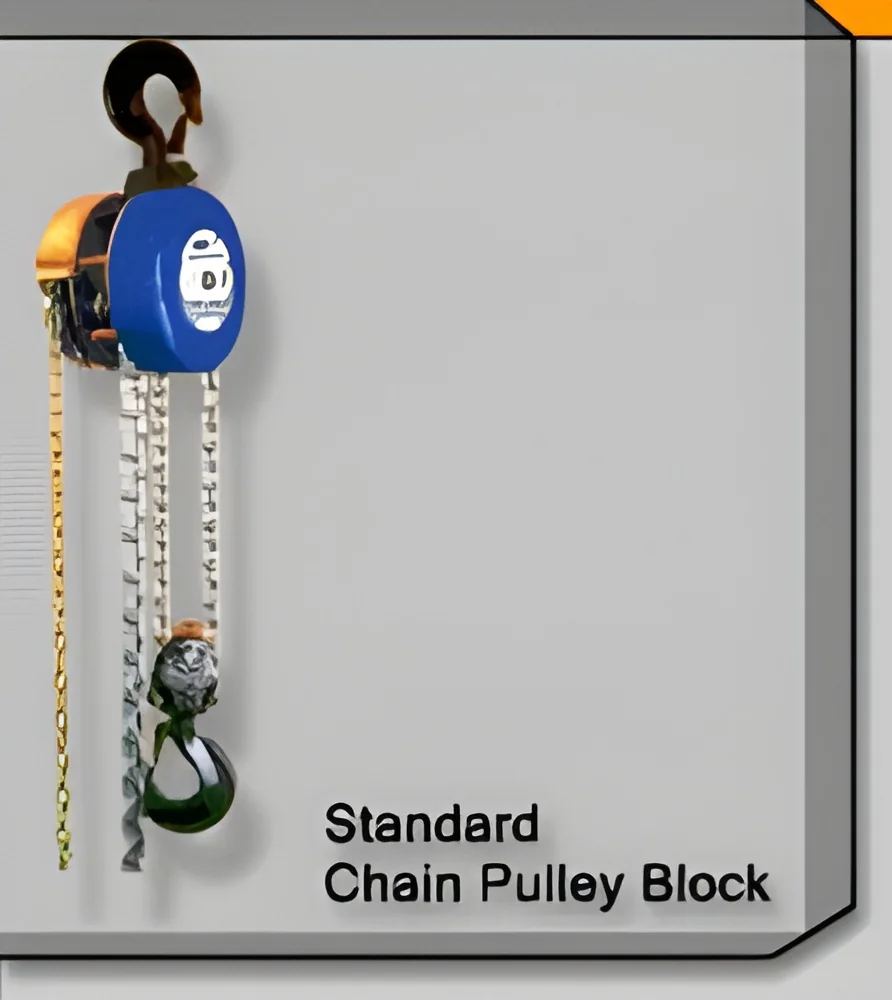
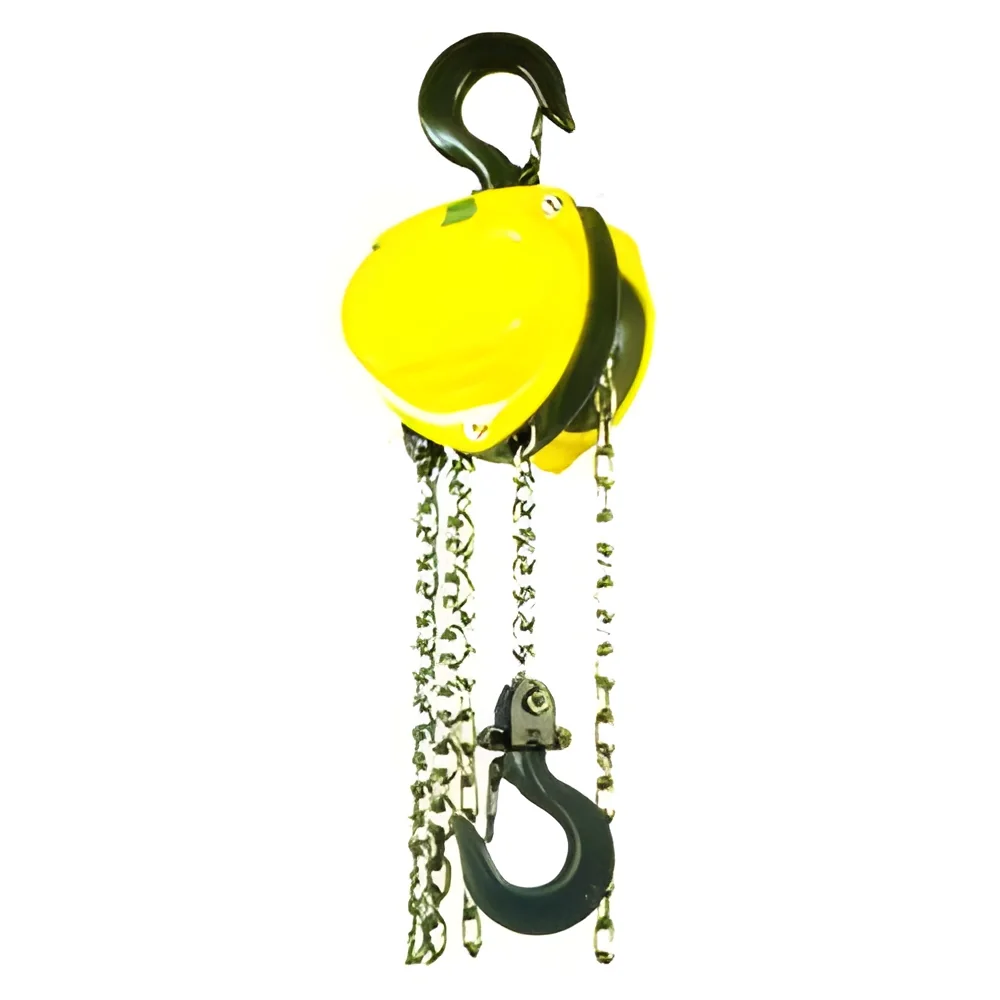
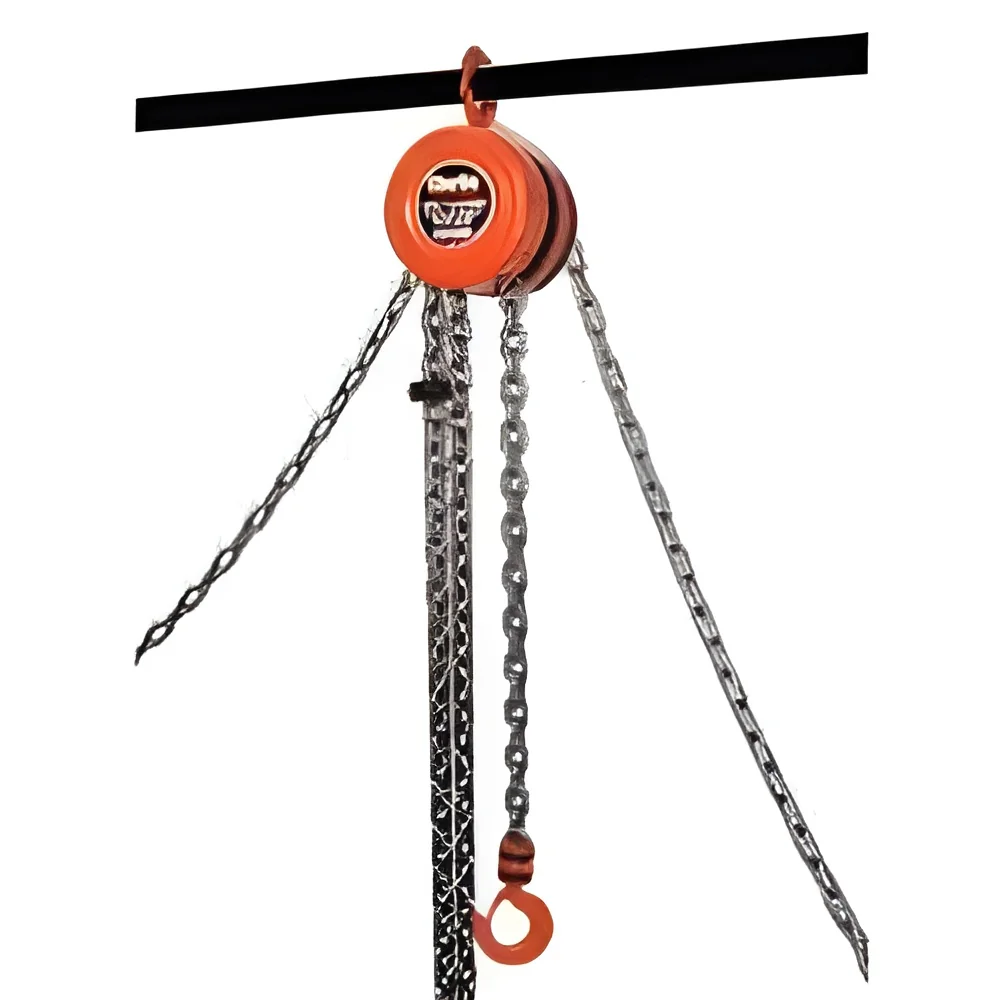
 India
 India
 India
 India
 India
 India
 India
 India
 India
 India
 India
 India

Frequently Asked Questions
What are Industrial Lifting Chains?
Industrial lifting chains are durable metal chains designed to lift and move heavy loads in various industrial applications. They are commonly used in cranes, hoists, and other lifting equipment to provide strong support and ensure safe transportation of materials.
What are the different types of Industrial Lifting Chains?
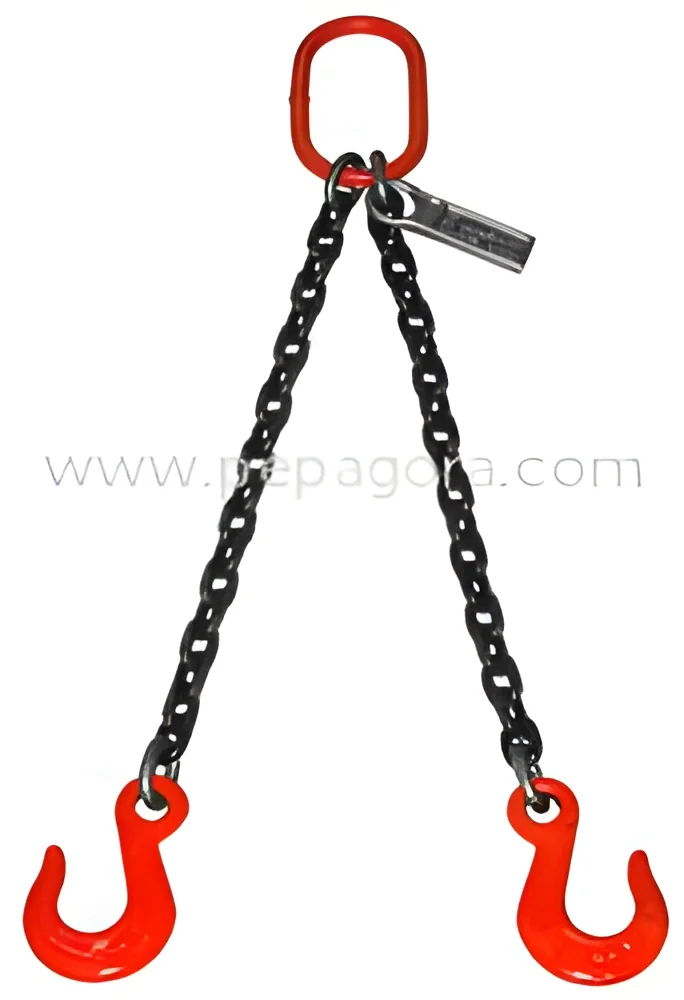
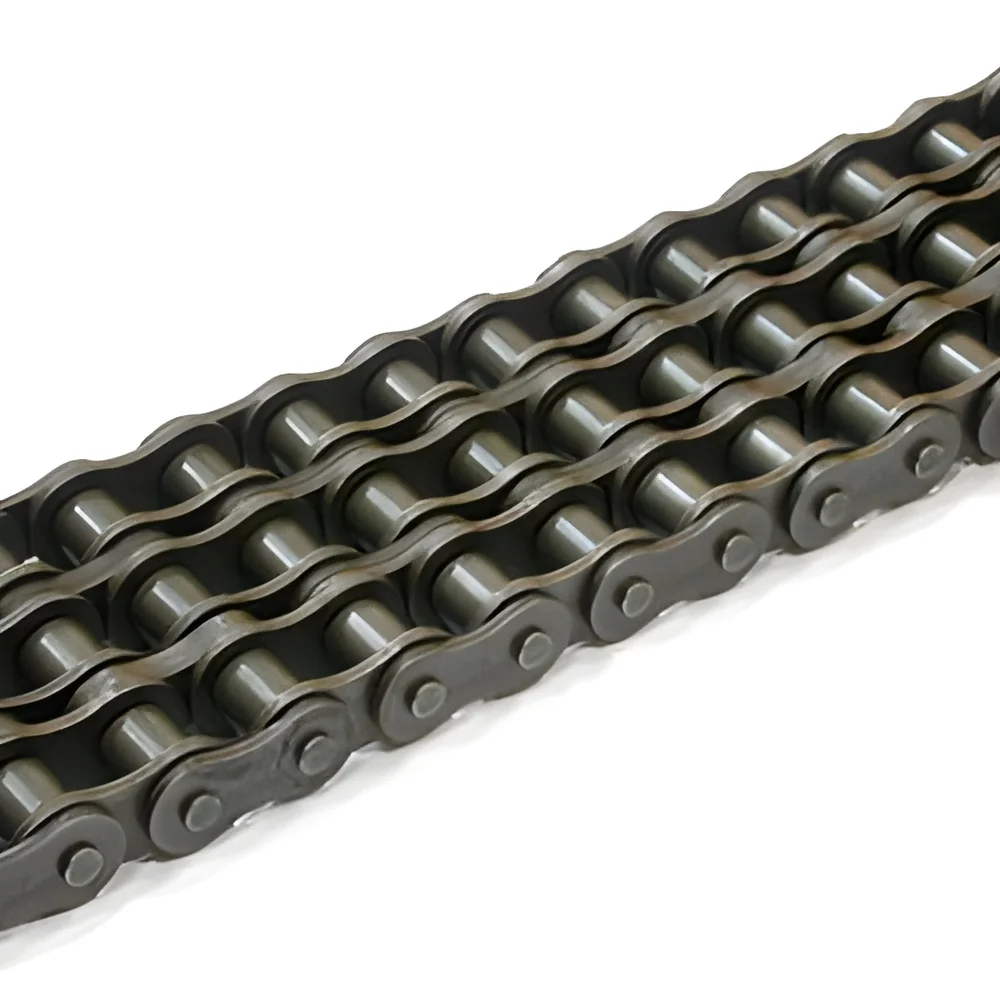
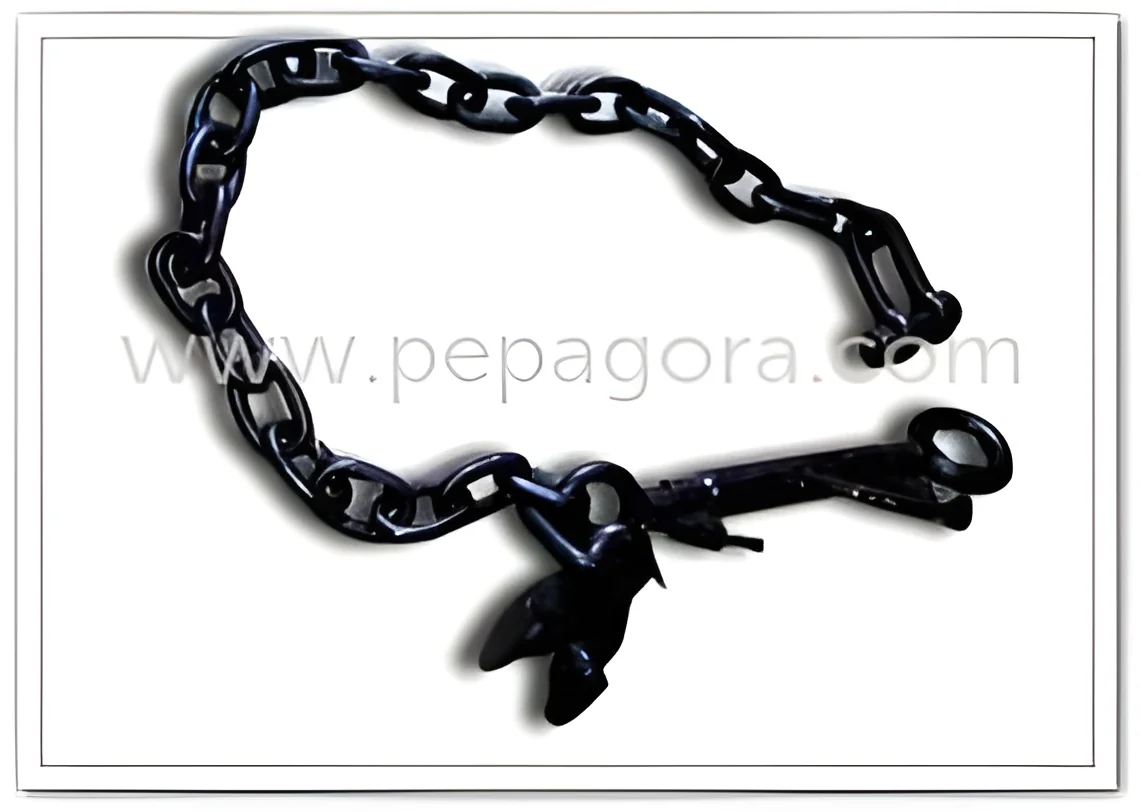
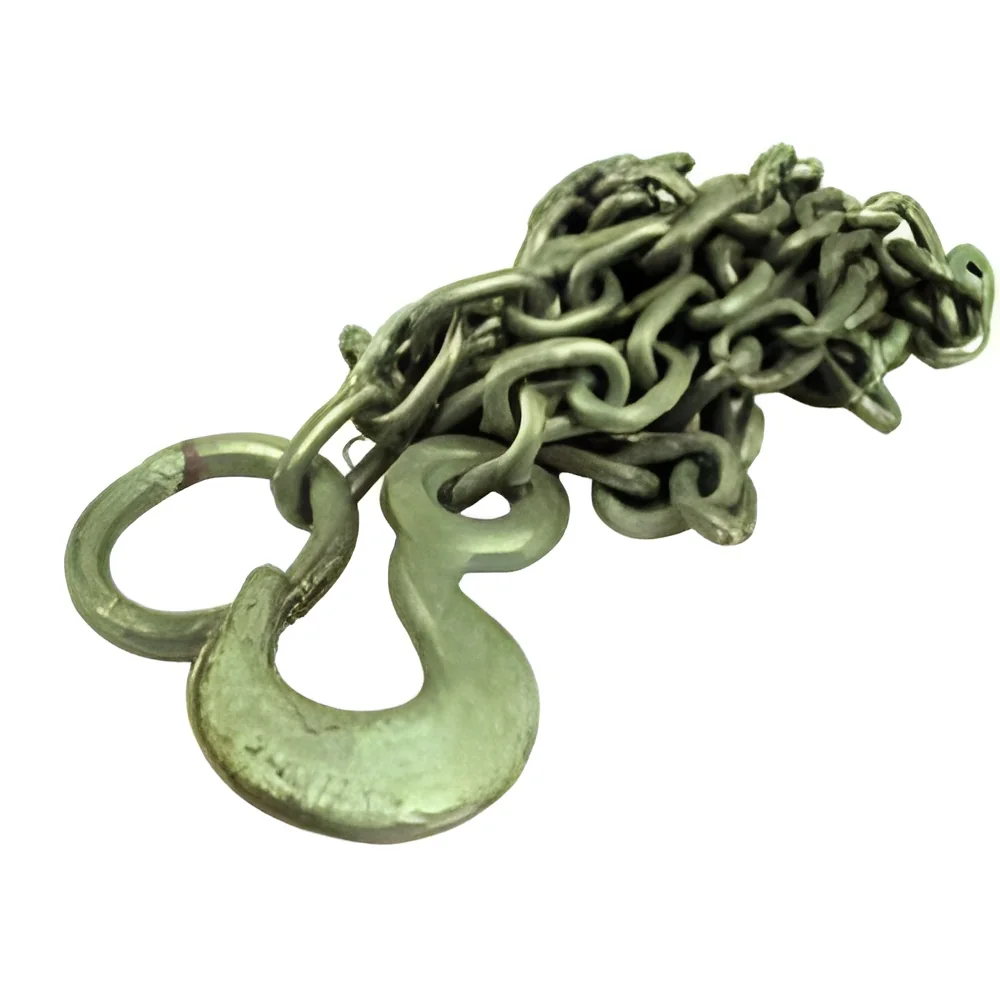
There are several types of industrial lifting chains, including welded link chains, roller chains, and single or double chain configurations. Each type is designed for specific applications and load capacities, catering to different industrial requirements.
How do I choose the right Industrial Lifting Chains?
To choose the right industrial lifting chains, consider factors such as the load capacity, chain material, and environmental conditions. Additionally, ensure compatibility with your lifting equipment and assess any specific industry standards that may apply.
What are the standard specifications for Industrial Lifting Chains?
Standard specifications for industrial lifting chains typically include grade, size, and load capacity ratings. Common materials used are alloy steel or carbon steel, and chains are often classified based on their tensile strength and compatibility with various lifting systems.
What is the price range for Industrial Lifting Chains?
The price range for industrial lifting chains can vary significantly based on factors such as material, size, and manufacturer. Generally, you can expect prices to start from a few hundred rupees and go up to several thousand rupees for heavy-duty chains.
What quality standards apply to Industrial Lifting Chains?
Industrial lifting chains must comply with various quality standards, such as IS 2760 for lifting chains and ISO 4347 for chain slings. Adhering to these standards ensures safety, reliability, and performance in lifting applications.
Where can I find Industrial Lifting Chains suppliers in India?
You can find industrial lifting chains suppliers in India through online marketplaces like Pepagora, industry directories, and trade shows. It's advisable to research and compare suppliers based on their product range, quality certifications, and customer reviews.
Can Industrial Lifting Chains be customized?
Yes, industrial lifting chains can often be customized to meet specific requirements, such as unique sizes, materials, or load capacities. Many manufacturers offer customization options to cater to the diverse needs of different industries.
What is the typical minimum order quantity for Industrial Lifting Chains?
The typical minimum order quantity (MOQ) for industrial lifting chains can vary by supplier, but it often ranges from 100 to 500 meters or pieces. It's best to check with individual suppliers for their specific MOQs to ensure you meet their purchasing requirements.
What is the typical lead time for Industrial Lifting Chains?
The typical lead time for industrial lifting chains varies depending on the supplier and the complexity of the order. Generally, standard orders may take 2 to 4 weeks for delivery, while customized orders could require additional time for production.
Why Businesses Trust Pepagora
Thousands of companies trust Pepagora to source smarter and sell faster
Expand Your Sales Globally

Source Smarter,Grow Faster
