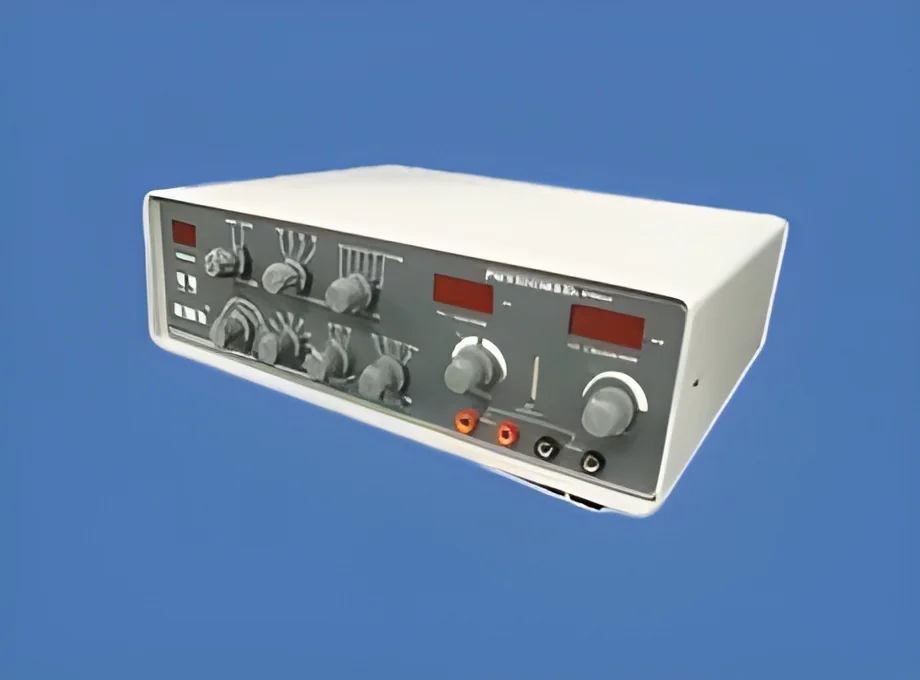
Key Features and Specifications
IF Therapy Devices come equipped with several essential features that enhance their usability and effectiveness. These specifications ensure that the devices can meet the diverse needs of healthcare providers and their patients.
Key specifications include:
1. Frequency Range
- Typically operates within a range of 1-150 Hz.
- Allows customization of treatment based on patient needs.
2. Waveform Type
- Utilizes a balanced waveform for optimal therapeutic effects.
- Ensures minimal discomfort during treatment.
3. Treatment Modes
- Offers multiple modes including continuous, pulse, and burst.
- Provides flexibility to address different clinical conditions.
4. Timer Settings
- Adjustable timer for session durations ranging from 5 to 60 minutes.
- Facilitates personalized treatment plans.
5. Intensity Levels
- Multiple intensity options to cater to varying patient sensitivities.
- Ensures safe and effective treatment.
6. User Interface
- Intuitive control panel for ease of operation.
- Digital display for monitoring settings and adjustments.
7. Portability
- Compact and lightweight design for easy transport.
- Suitable for both clinical and home use.
8. Power Supply
- Operates on standard electrical outlets or rechargeable batteries.
- Enhances convenience and accessibility.
In summary, the robust features and specifications of IF Therapy Devices make them versatile tools in pain management and rehabilitation therapies.
Common Applications and Use Cases
IF Therapy Devices are applied across multiple industries, showcasing their versatility and effectiveness in various settings.
1. Healthcare: In hospitals and clinics, IF Therapy Devices are used for post-surgical recovery, pain management, and rehabilitation of musculoskeletal injuries. They assist physiotherapists in enhancing patient outcomes.
2. Sports Medicine: Sports professionals utilize these devices for injury prevention and recovery. They help in reducing muscle soreness and improving performance through targeted therapy.
3. Chiropractic Care: Chiropractors employ IF Therapy Devices to complement spinal adjustments. They offer pain relief and muscle relaxation for patients experiencing back pain.
4. Physical Rehabilitation: In rehabilitation centers, these devices support patients recovering from strokes or surgeries by improving mobility and reducing discomfort.
5. Wellness Centers: Many wellness facilities incorporate IF Therapy Devices in their services, promoting relaxation and pain relief for clients seeking holistic treatments.
6. Home Care: Increasingly, these devices are available for home use, allowing patients to manage pain and recovery in a convenient setting.
7. Veterinary Medicine: Some veterinary practices use interferential therapy to treat pain and promote healing in animals, particularly in post-operative care.
Product Variants and Subcategories
IF Therapy Devices offer various configurations to meet specific therapeutic needs. This diversity allows practitioners to choose the best solution for their patient population.
Standard Model
This model features essential functionalities suitable for general pain management. It is user-friendly and ideal for clinics seeking a reliable device for routine treatments.
Advanced Model
Equipped with additional treatment modes and customizable settings, this model is designed for specialized therapy applications. It caters to practitioners looking for enhanced capabilities in their practice.
Portable Model
Designed for mobility, this variant is lightweight and battery-operated, making it ideal for home use or traveling therapists. It retains core functionalities while adding convenience.
Benefits and Advantages
Utilizing IF Therapy Devices provides numerous benefits for both practitioners and patients. These advantages contribute to their growing adoption in clinical settings.
Key benefits include:
1. Non-invasive Treatment: Patients can experience pain relief without the need for invasive procedures, minimizing recovery time and risks.
2. Versatile Applications: These devices can be used for various conditions, making them valuable tools in a clinician's arsenal.
3. Enhanced Recovery: They promote faster healing and recovery, benefitting patients in rehabilitation and post-surgical care.
4. Patient Comfort: The adjustable settings allow for personalized treatments, ensuring patient comfort during sessions.
5. Cost-Effectiveness: Compared to other therapeutic modalities, IF Therapy Devices offer a cost-effective solution for pain management.
6. Easy to Use: User-friendly interfaces facilitate quick training for healthcare providers, enabling them to integrate the devices into their practices seamlessly.
Buying Guide for B2B Buyers
When sourcing IF Therapy Devices, several key factors should be considered to ensure an informed purchasing decision.
1. Quality Assessment: Evaluate the build quality and durability of the devices. Look for devices that have undergone rigorous testing and meet industry standards.
2. Supplier Verification: Ensure that suppliers are reputable and have a track record of providing reliable medical devices. Check for customer reviews and industry certifications.
3. Pricing and MOQ: Understand the pricing structure and minimum order quantities. Compare different suppliers to find competitive pricing while ensuring quality.
4. Delivery and Lead Times: Inquire about delivery schedules and lead times to ensure that devices are received in a timely manner, especially for urgent needs.
5. Compliance Requirements: Verify that the devices comply with relevant regulatory standards and certifications. This ensures safety and effectiveness in clinical use.
Compliance and Certifications
Compliance with industry standards and certifications is crucial for IF Therapy Devices. These devices must adhere to several quality assurance protocols to ensure safety and performance.
Relevant quality standards include ISO 9001, which encompasses quality management systems, ensuring that manufacturers maintain high-quality production processes. Additionally, adherence to HACCP (Hazard Analysis Critical Control Point) principles is important in managing safety risks associated with medical devices.
Certification from CE (Conformité Européenne) indicates that the devices meet European health, safety, and environmental protection standards. This certification is critical for market acceptance in various regions.
Safety and testing requirements are essential to ensure that devices perform as intended without causing harm to patients. Manufacturers must conduct thorough testing to validate the efficacy and safety of their products.
Regional compliance considerations may vary, and it is important for suppliers to be well-versed in the regulatory landscape of the regions they serve to ensure compliance with local laws.
Why Source IF Therapy Devices (Interferential) from Pepagora?
Pepagora stands out as a trusted platform for sourcing IF Therapy Devices, providing several advantages to B2B buyers.
Verified Supplier Network: Pepagora has established a network of verified suppliers, ensuring that buyers have access to quality products from reputable manufacturers. Each supplier undergoes a thorough vetting process to maintain high standards.
Streamlined RFQ Process: The platform offers an efficient Request for Quotation (RFQ) process, allowing buyers to easily compare offerings, negotiate prices, and finalize orders with minimal hassle.
Trade Assurance and Support: Pepagora provides trade assurance, protecting buyers from potential risks associated with purchasing. This support includes assistance with disputes and quality issues, ensuring a smooth transaction experience.
Regional Coverage: With a geographic focus on India, the GCC, and Southeast Asia, Pepagora enables buyers to access a wide range of suppliers and products tailored to their regional needs, enhancing accessibility and convenience in sourcing IF Therapy Devices.

 IN
IN

 India
India