IN
IN₹
Apparel & Fashion
Loading subcategories...
View More
Description
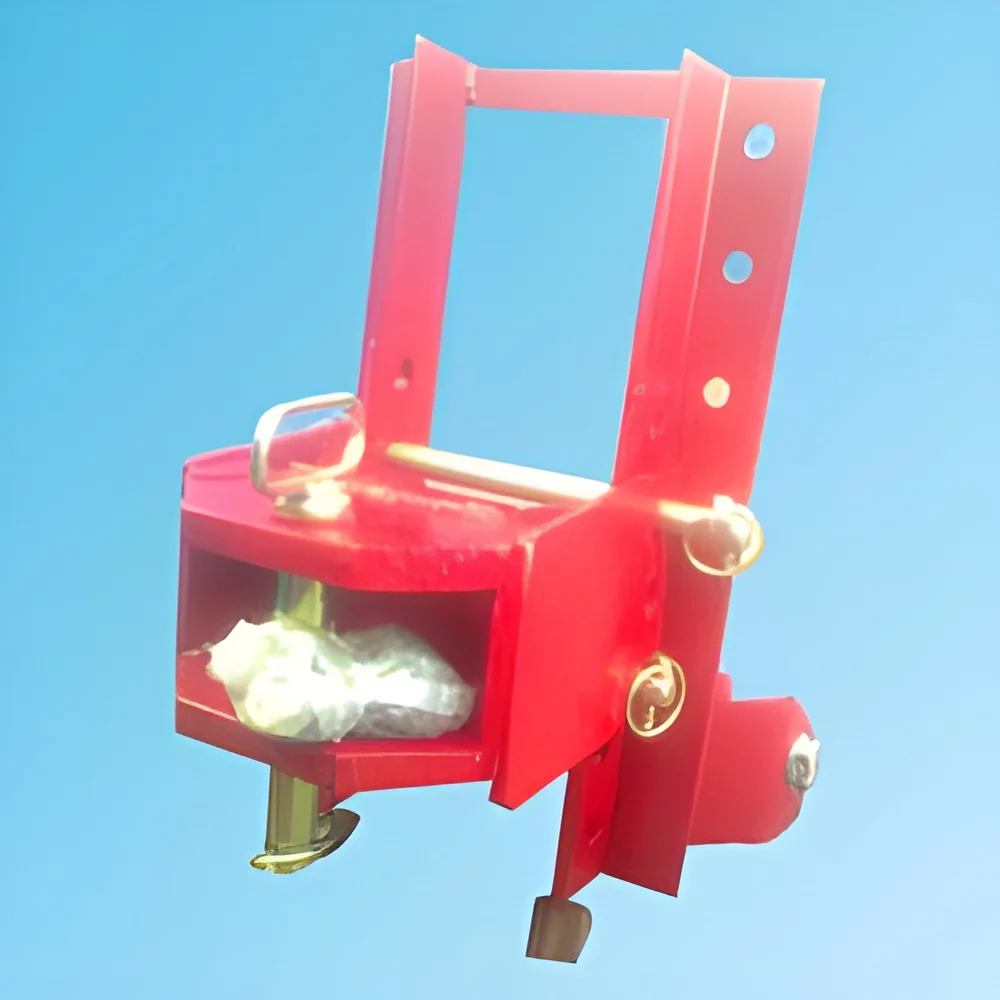
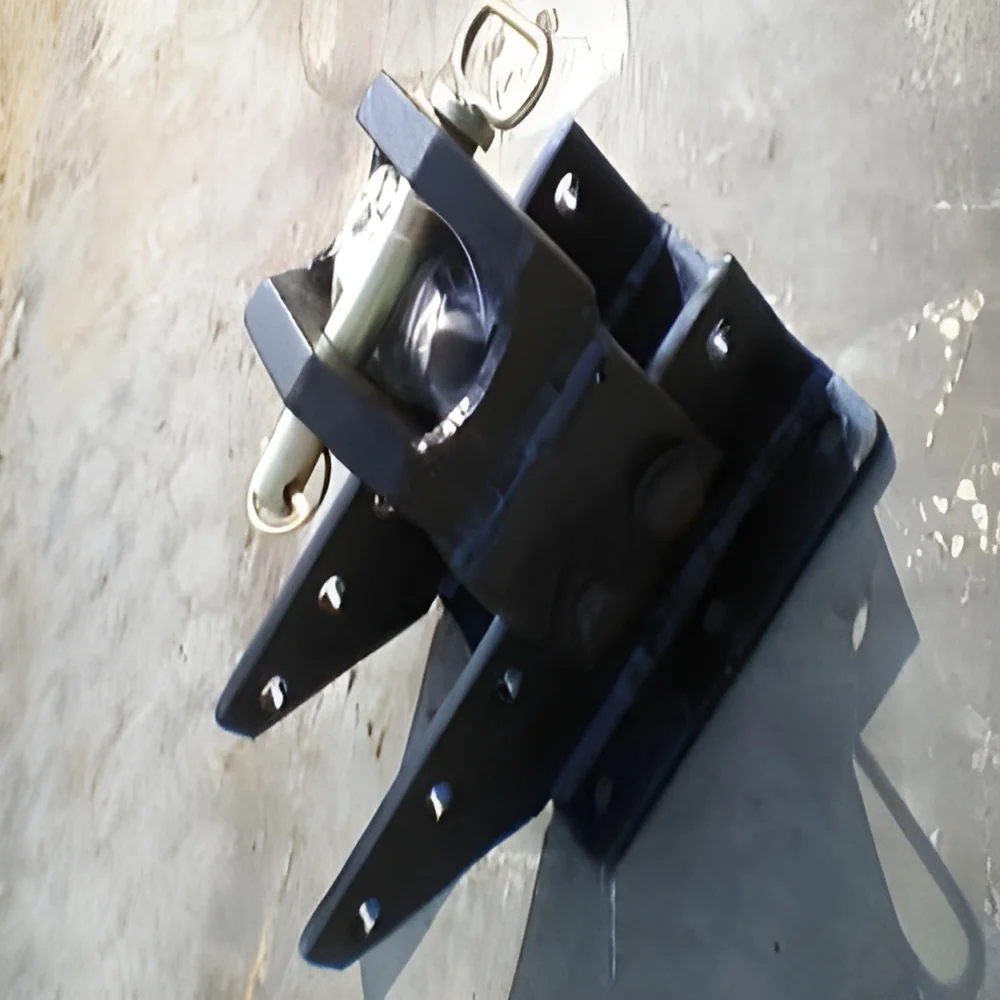
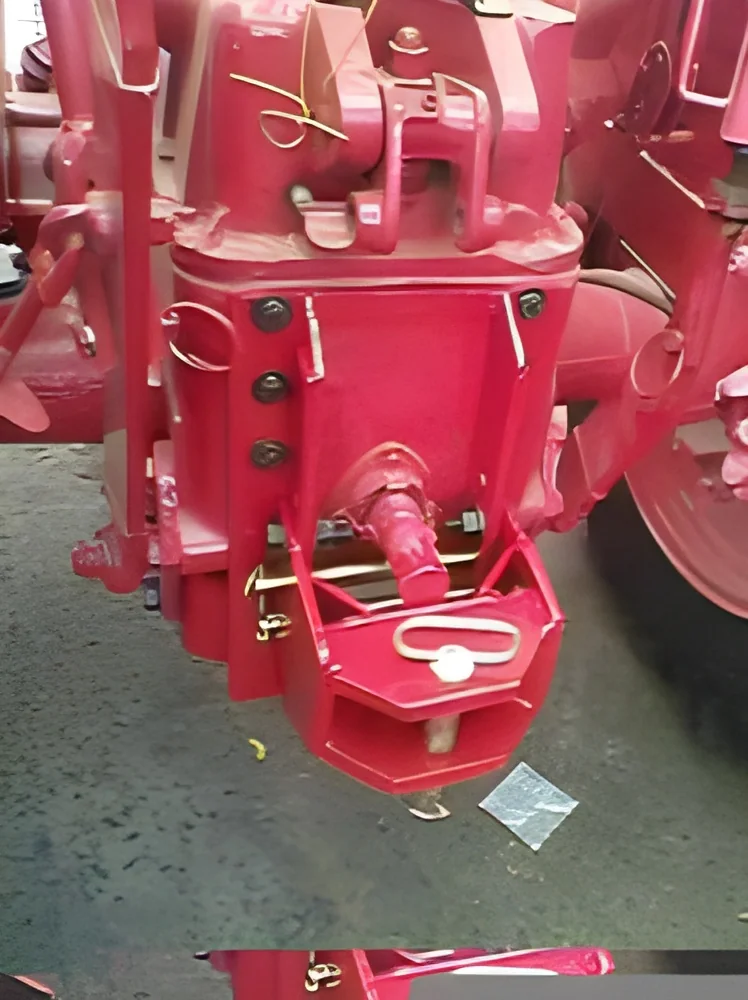
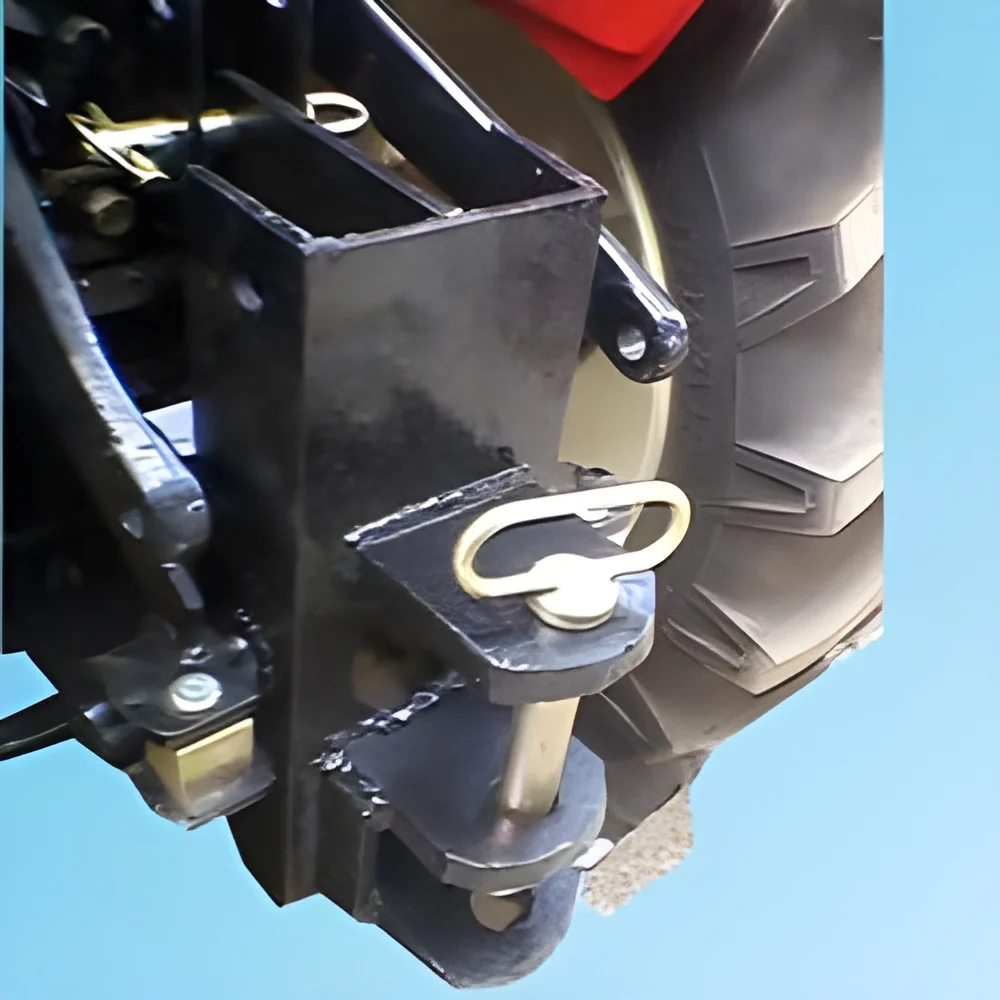
Mitsubishi tractor hooks represent precision-engineered components designed specifically for heavy-duty applications where reliability and safety are non-negotiable. Manufactured from high-grade metal alloys, these hooks deliver exceptional tensile strength and durability, capable of withstanding significant loads and repetitive use cycles. Each hook undergoes comprehensive quality assurance testing to guarantee consistent performance, making them the preferred choice for operations that prioritize equipment longevity and operational safety. The superior finish and robust engineering minimize wear and tear, significantly extending service life even under the most challenging working conditions and environmental exposures.

These heavy-duty tractor hooks serve critical functions across multiple industrial sectors including agriculture, construction, logistics, and marine operations. In agricultural settings, they are indispensable for attaching plows, trailers, and various implements to...
Mitsubishi tractor hooks represent precision-engineered components designed specifically for heavy-duty applications where reliability and safety are non-negotiable. Manufactured from high-grade metal alloys, these hooks deliver exceptional tensile strength and durability, capable of withstanding significant loads and repetitive use cycles. Each hook undergoes comprehensive quality assurance testing to guarantee consistent performance, making them the preferred choice for operations that prioritize equipment longevity and operational safety. The superior finish and robust engineering minimize wear and tear, significantly extending service life even under the most challenging working conditions and environmental exposures.

These heavy-duty tractor hooks serve critical functions across multiple industrial sectors including agriculture, construction, logistics, and marine operations. In agricultural settings, they are indispensable for attaching plows, trailers, and various implements to tractors, directly enhancing productivity during planting and harvesting seasons. Construction companies depend on them for towing, lifting, and securing heavy machinery on job sites. The logistics and warehousing industries utilize these hooks for material handling equipment, ensuring efficient and safe movement of goods throughout supply chains. Their versatile design makes them suitable for any industry requiring strong, reliable attachment points for mechanical operations and load management tasks.

The inherent business value of Mitsubishi tractor hooks lies in their capacity to reduce operational risks and associated costs through enhanced reliability and long-lasting durability. By investing in these premium-quality hooks, companies effectively minimize equipment failure incidents, prevent costly downtime, and improve overall workflow efficiency. The availability of multiple standard sizes ensures optimal compatibility with existing machinery, eliminating the need for expensive modifications or additional components. These hooks represent a strategic long-term investment that delivers consistent performance, directly supporting business growth objectives and operational excellence initiatives. Trusted by importers, distributors, and wholesalers worldwide, they consistently meet international standards for quality assurance and safety compliance.

Key Features:
- Constructed from high-grade metal alloys for superior strength and durability
- Multiple standard sizes available to match various equipment requirements
- Premium finish reduces friction and wear, extending operational lifespan
- Comprehensive quality testing ensures consistent performance and reliability
- Engineered specifically for heavy-duty lifting, towing, and securing operations

Benefits:
- Enhanced operational safety through reliable load-bearing capacity
- Reduced maintenance costs and extended equipment service life
- Improved workflow efficiency with dependable performance
- Compatibility with various machinery reduces adaptation requirements
- Trusted quality that minimizes downtime and operational disruptions
Specifications
| Additional Information | |
|---|---|
| Country of Origin | India |
| Customisable | No |
Application
Mitsubishi tractor hooks are engineered for demanding environments where secure attachment and heavy load management are critical. These hooks provide a dependable connection point for towing, lifting, and pulling applications across various machinery and equipment. Their robust construction ensures they perform under extreme stress and harsh conditions, making them a trusted component in industrial and agricultural operations.
Available in various sizes to meet specific requirements, these hooks deliver consistent performance and safety across different applications. From agricultural implements to construction equipment, they handle daily operations involving material handling, transportation, and equipment securing. Businesses rely on them to reduce downtime and improve workflow efficiency in challenging working conditions.
- Securing heavy loads on tractors during agricultural fieldwork and harvesting operations
- Towing and recovery tasks in construction sites and industrial environments
- Connecting implements and attachments to machinery for seamless equipment operation
- Load handling in warehouses and logistics centers using industrial lifting equipment
- Marine and transportation sectors for anchoring and securing cargo during transit
Trade Details
| Available Stock | In Stock |
| Sample Availability | No |
Payment Terms
| Payment Terms |
|
Company Profile
Zeel Industries, Gujarat
 Gujarat, India
Gujarat, IndiaManufacturer•Distributor / Wholesaler
Factory Details
Factory SizeBelow 1000 sqm
Annual Production Capacity0
Main Markets
South Asia
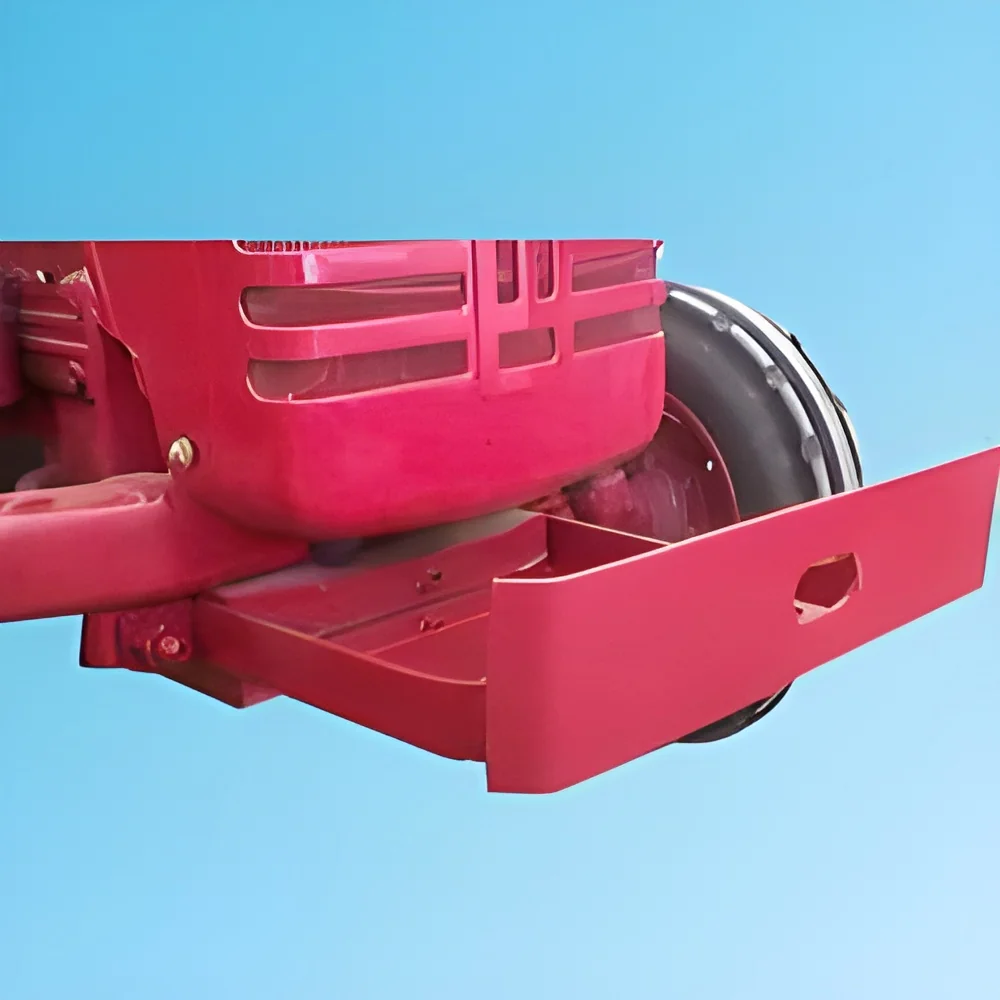
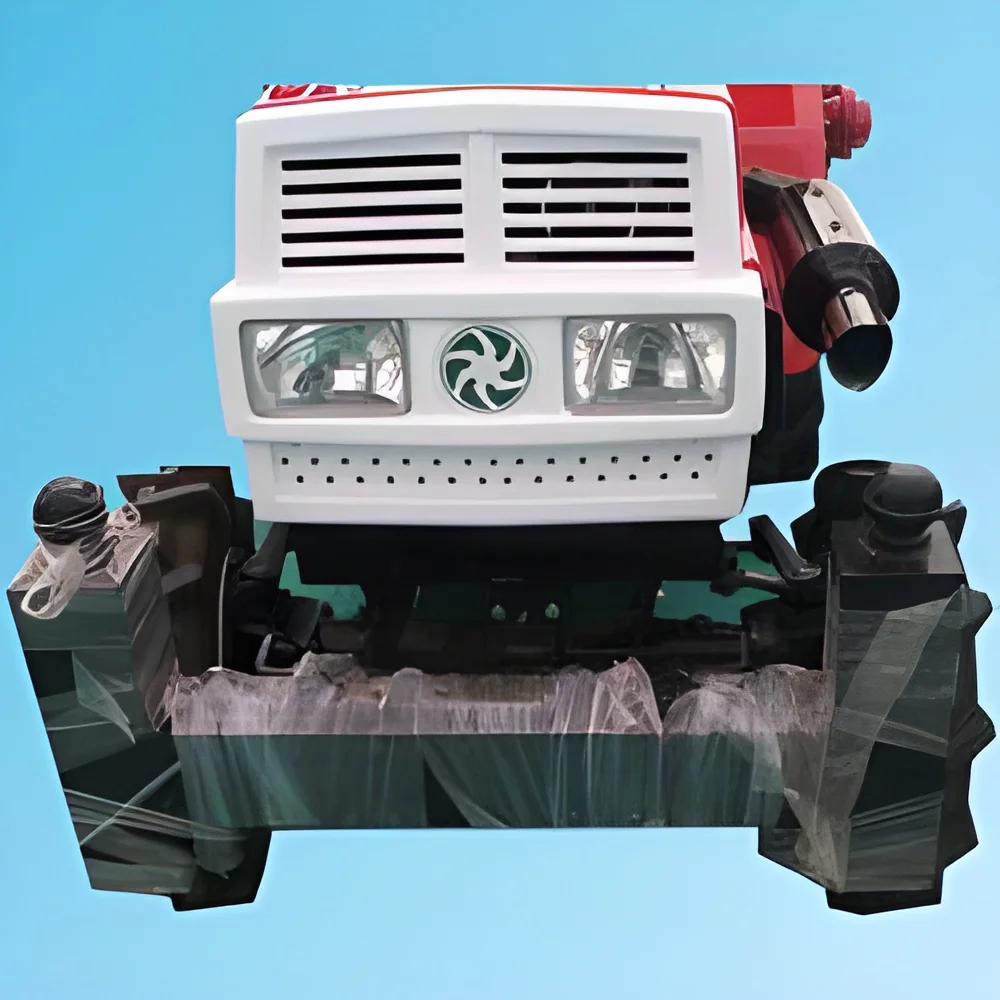
Heavy Duty Mitsubishi Tractor Hooks For Lifting And Towing
Heavy Duty Mitsubishi Tractor Hooks for lifting and towing applications. Built with high-grade metal for superior strength and reliability. Ideal for agriculture, construction, and logistics industries requiring dependable load handling solutions.
Min. Order Quantity: 1 unit
Shipping
Shipping fee and delivery date to be negotiated. Contact supplier now for more details.
Zeel Industries
 Gujarat, India
Gujarat, IndiaManufacturer