
 IN
Gratings & Manhole Covers
40 products available
What are Gratings & Manhole Covers?
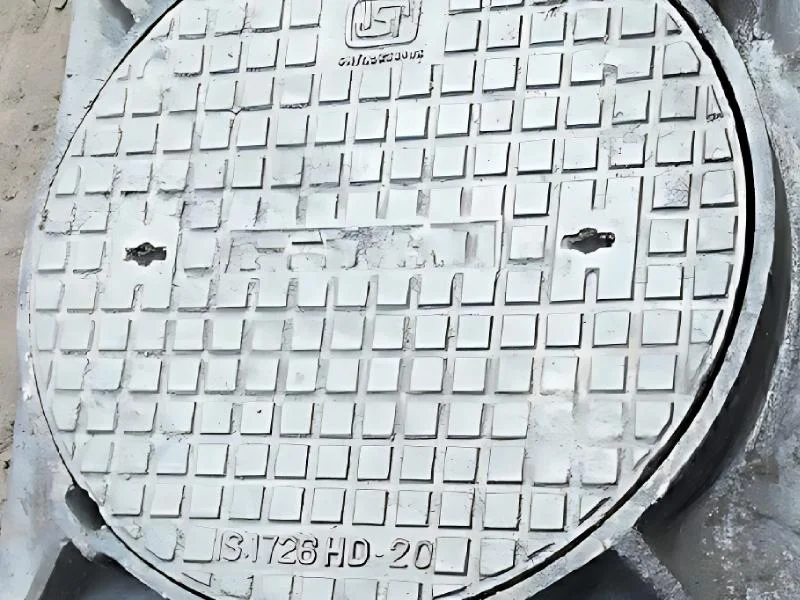
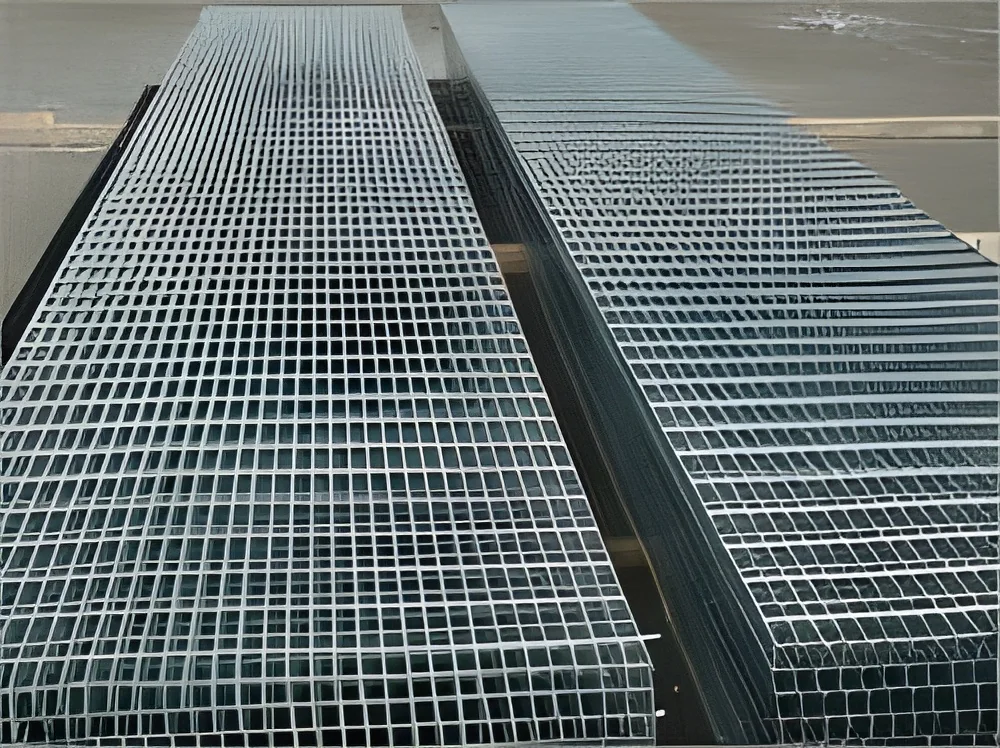
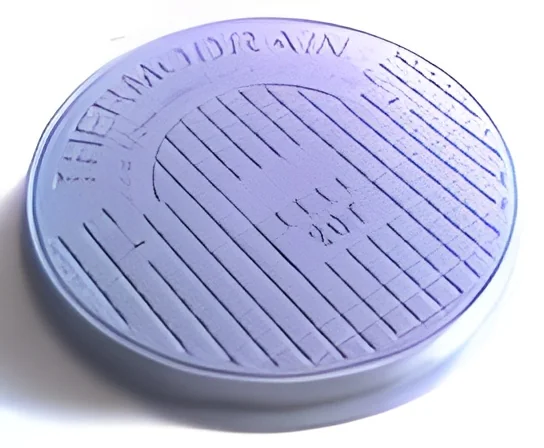
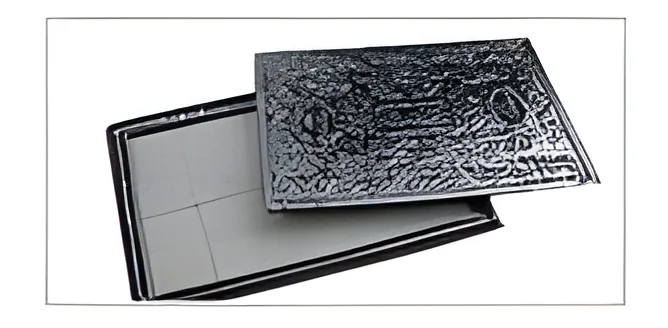
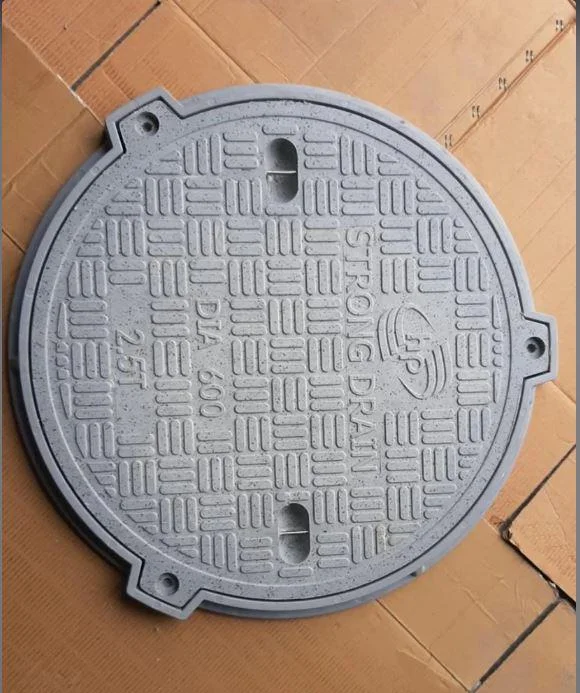
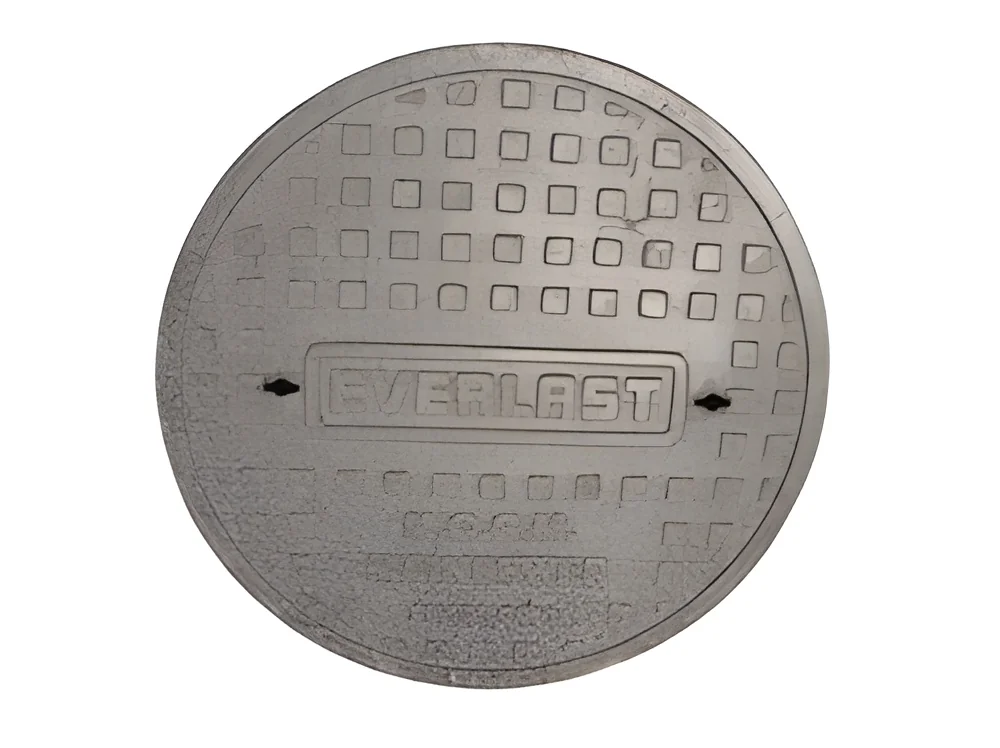
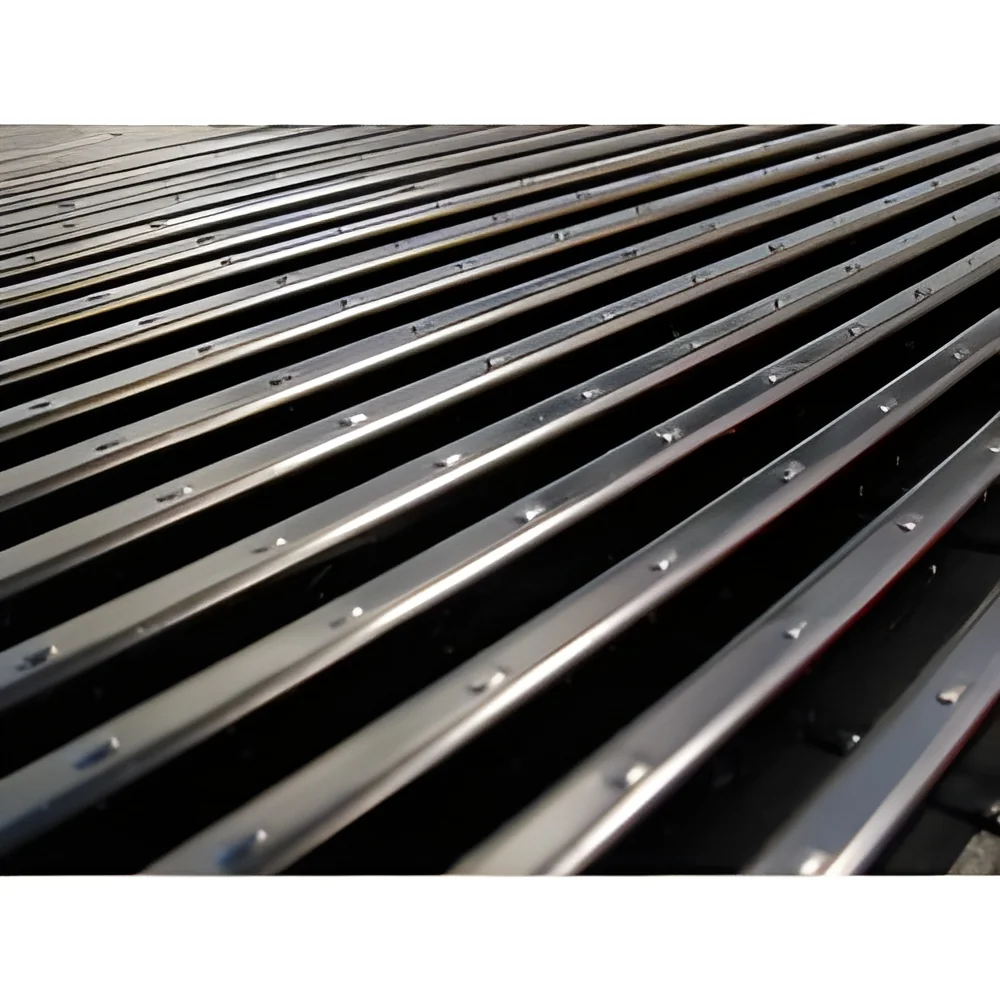
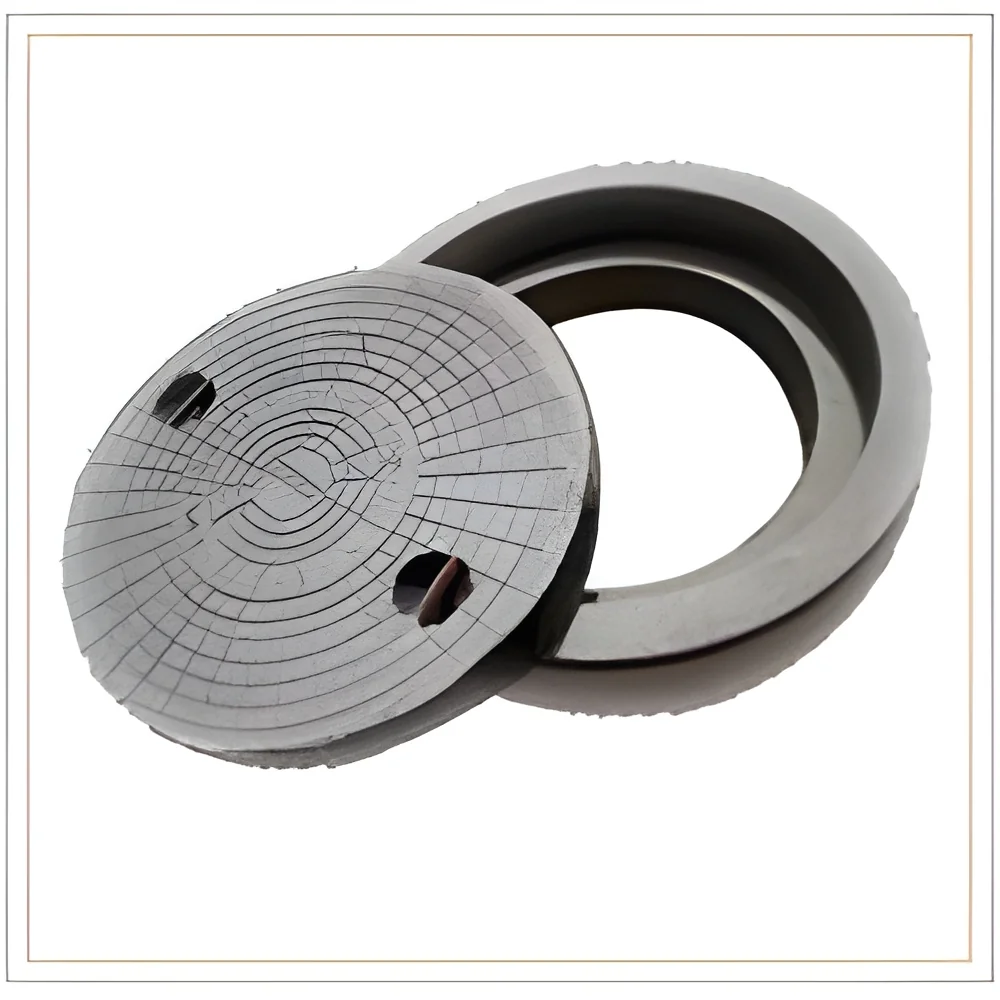
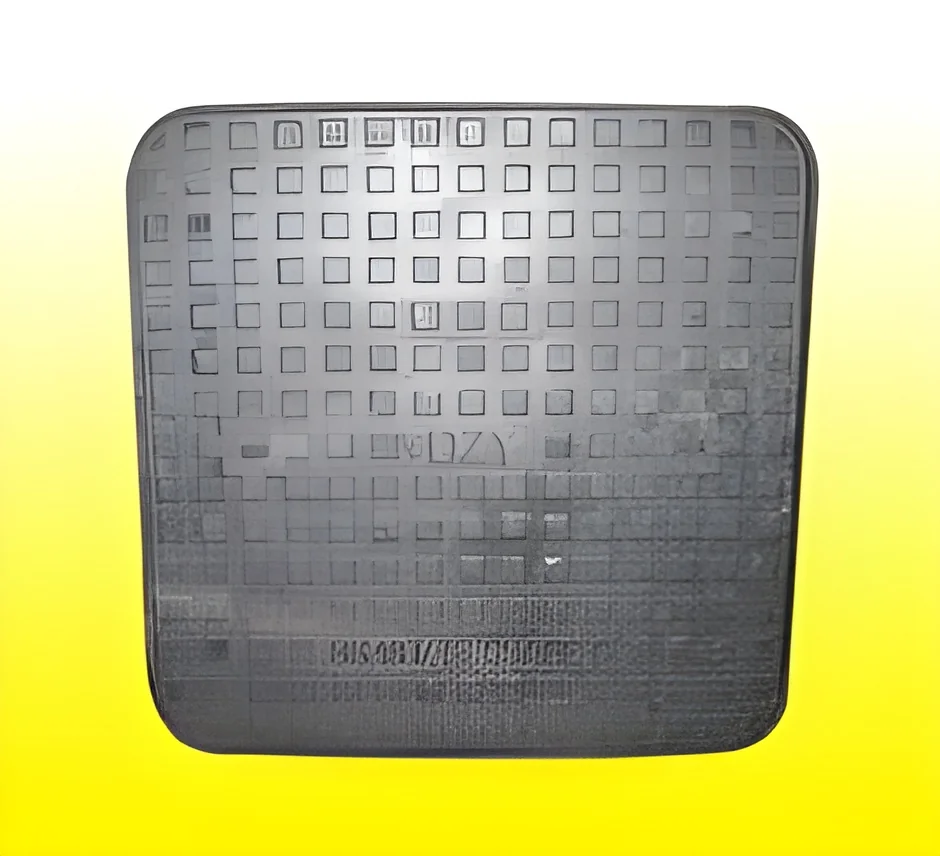
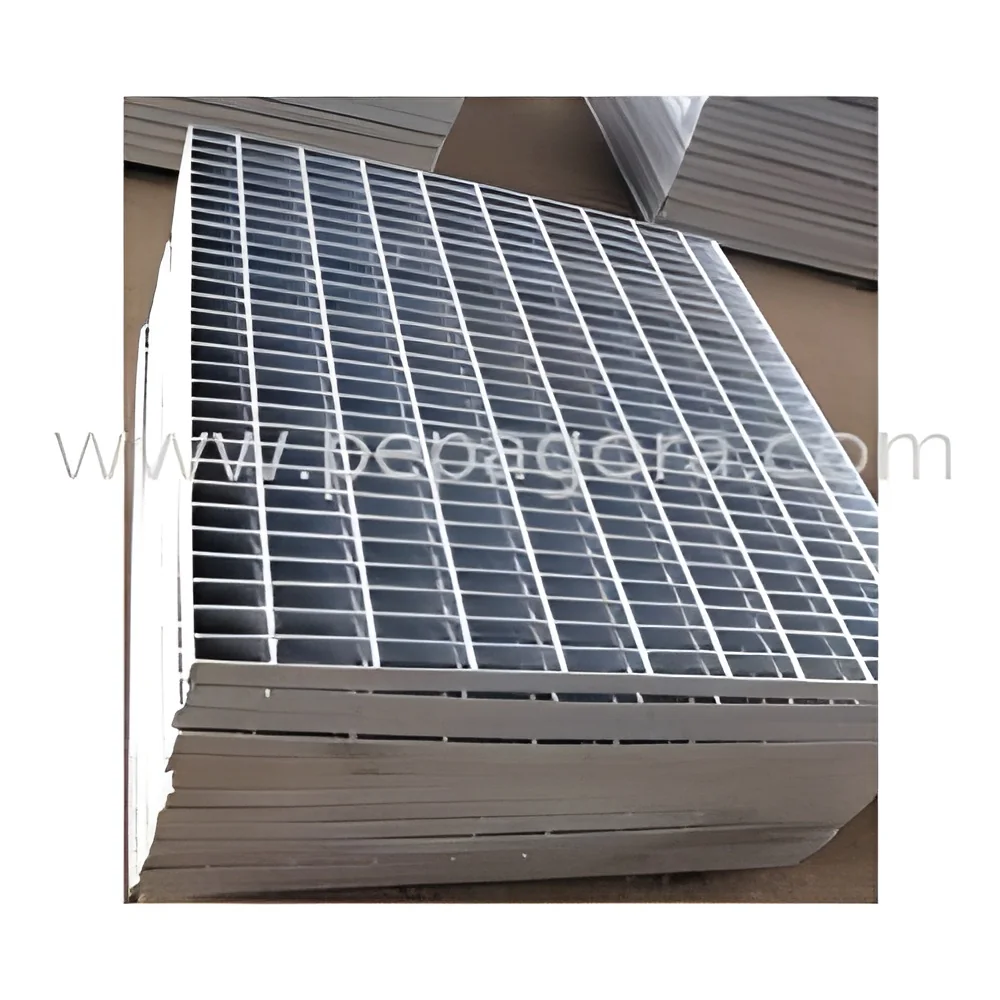
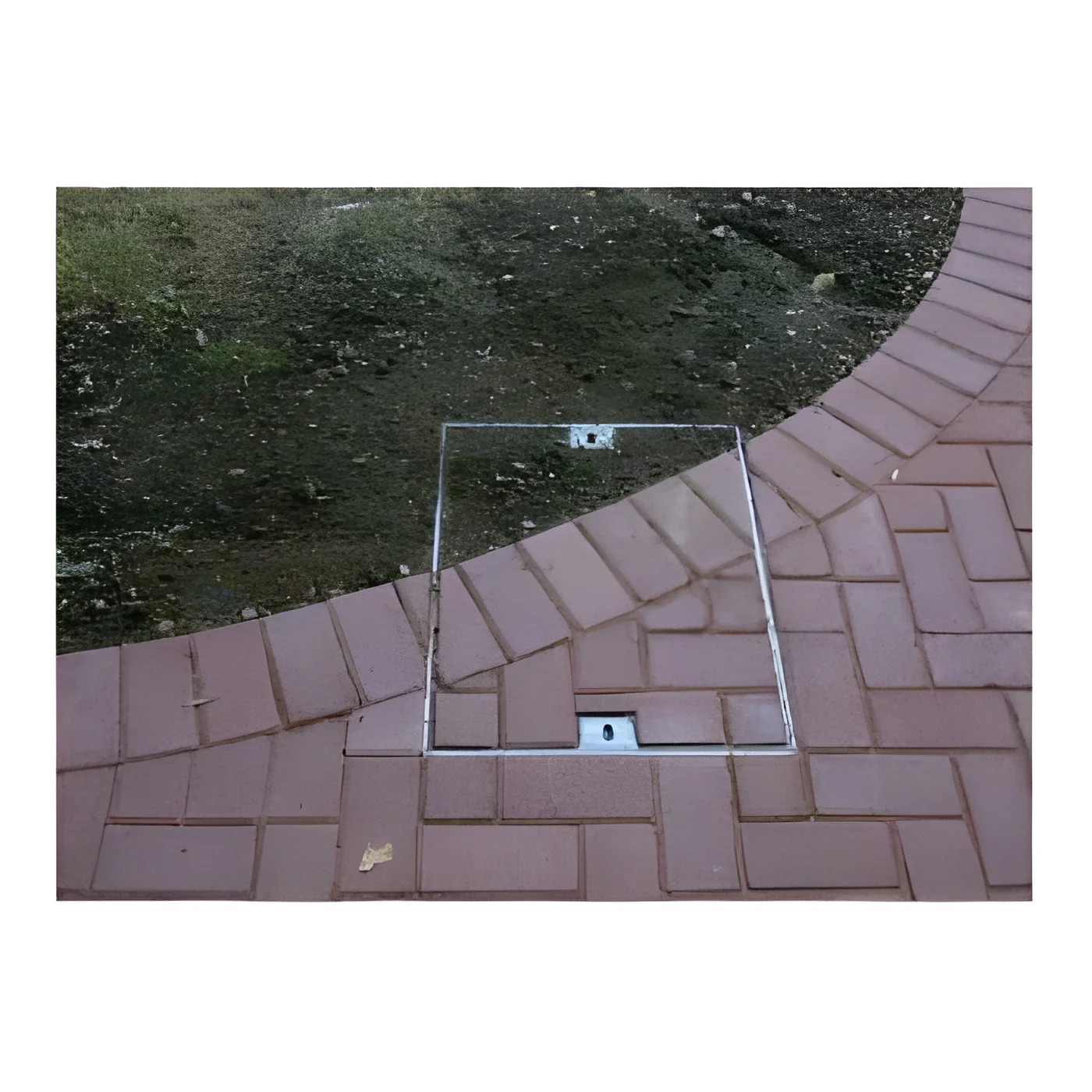
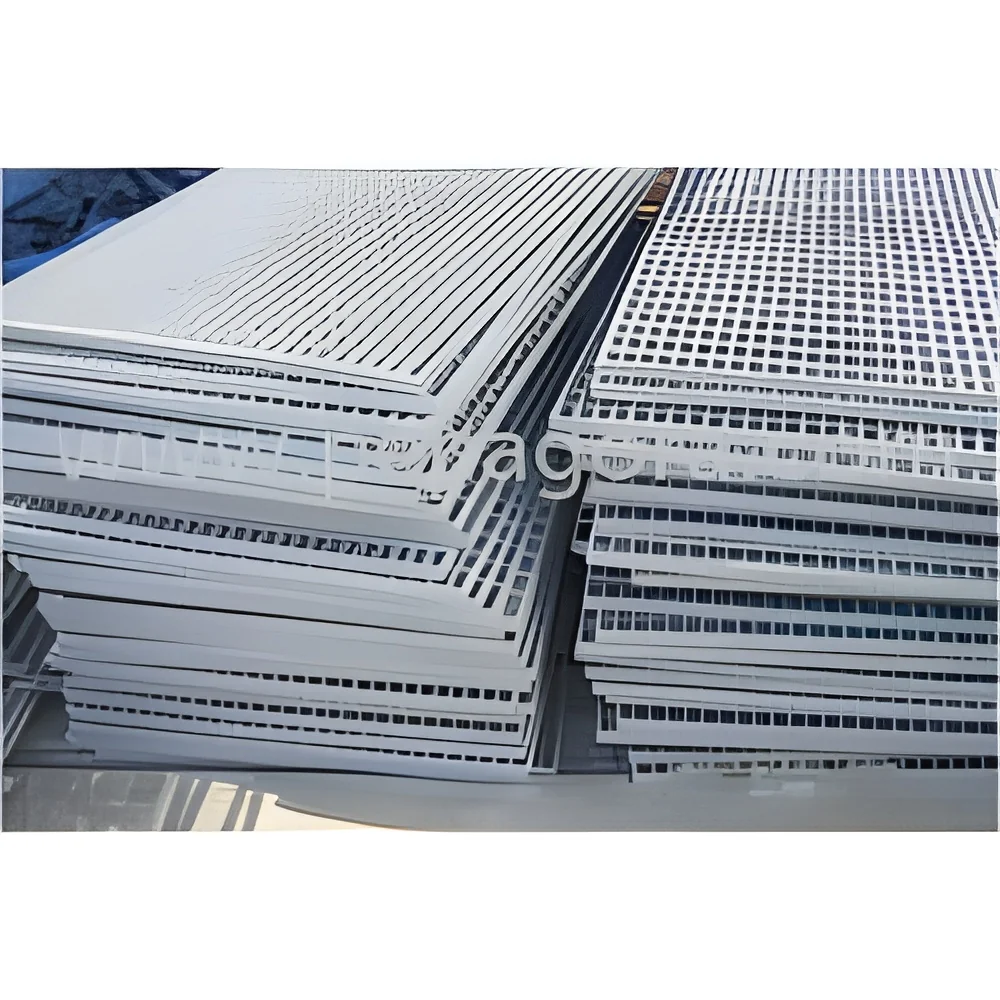
Gratings and manhole covers are vital components used in various industrial and urban infrastructure applications. Gratings are typically made from materials such as metal or fiberglass and are designed to provide a durable, load-bearing surface while allowing for drainage and ventilation. Manhole covers, on the other hand, are heavy-duty lids that cover access points to underground utilities, such as sewer systems or electrical vaults. Both products are engineered to withstand significant loads and environmental conditions.
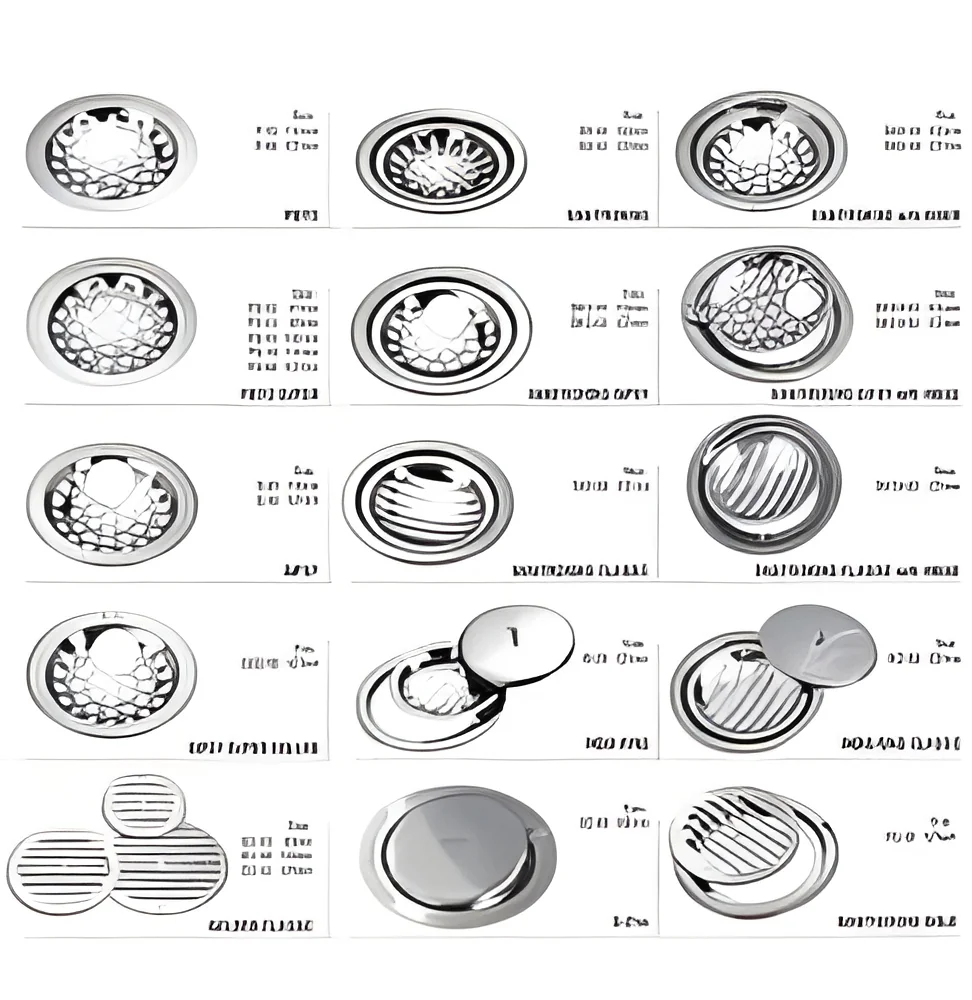
These products are primarily used in sectors such as construction, utilities, and transportation. Gratings are often employed in walkways, platforms, and drainage systems, while manhole covers protect access to vital underground infrastructure. Their robustness and reliability make them indispensable in maintaining the safety and functionality of urban environments.
In the current market, the demand for gratings and manhole covers continues to rise as urbanization and infrastructure development accelerate. Companies in construction and utilities are increasingly focused on sourcing high-quality products that meet safety standards and provide long-term performance. This trend underscores the significance of choosing the right materials and suppliers in these industries.
Key Features and Specifications
Gratings and manhole covers come with various features and specifications that cater to different operational needs. Understanding these specifications is crucial for businesses looking to procure the right products for their projects.
Key specifications include:
1. Material Type
- Common materials include cast iron, ductile iron, and fiberglass.
- Each material offers different strength, weight, and corrosion resistance.
2. Load Capacity
- Various load ratings are available, typically ranging from light duty to heavy duty.
- Load capacity must be matched to the specific application requirements.
3. Dimensions
- Standard sizes are available, but custom dimensions can also be produced.
- Dimensions ensure compatibility with existing infrastructure.
4. Grate Openings
- Various opening sizes are available depending on drainage and safety needs.
- Smaller openings can prevent the passage of small objects or debris.
5. Surface Finish
- Options include smooth, serrated, or gritted for added slip resistance.
- Surface finishes enhance safety, especially in wet environments.
6. Weight
- Weight varies based on material and design.
- Heavier designs typically offer more durability and stability.
7. Corrosion Resistance
- Many products are treated or coated to withstand environmental factors.
- Corrosion-resistant features extend the lifespan of the products.
8. Compliance Standards
- Products may comply with various industry standards, including CE certification.
- Compliance ensures safety and reliability in use.
In summary, understanding these key features and specifications is essential for businesses to make informed purchasing decisions.
Common Applications and Use Cases
Gratings and manhole covers are utilized across a diverse range of industries, each with specific applications that highlight their importance.
1. Construction: Gratings are used for walkways, platforms, and stairways, providing safe access in construction sites.
2. Utilities: Manhole covers are essential for accessing underground utility lines, including sewer, water, and electricity.
3. Transportation: Gratings are often installed in roadways and parking structures to manage drainage and provide vehicle access.
4. Agriculture: Gratings are used in livestock facilities and wastewater treatment plants to facilitate drainage and manage effluent.
5. Manufacturing: Both products are used in manufacturing facilities for safety and maintenance access to machinery and utilities.
6. Municipalities: Gratings and manhole covers are critical for urban infrastructure, ensuring safe access to public utilities and facilities.
7. Environmental Management: In waste treatment facilities, these products help manage water flow and maintain environmental standards.
Product Variants and Subcategories
Gratings and manhole covers come in various configurations to meet the needs of different applications.
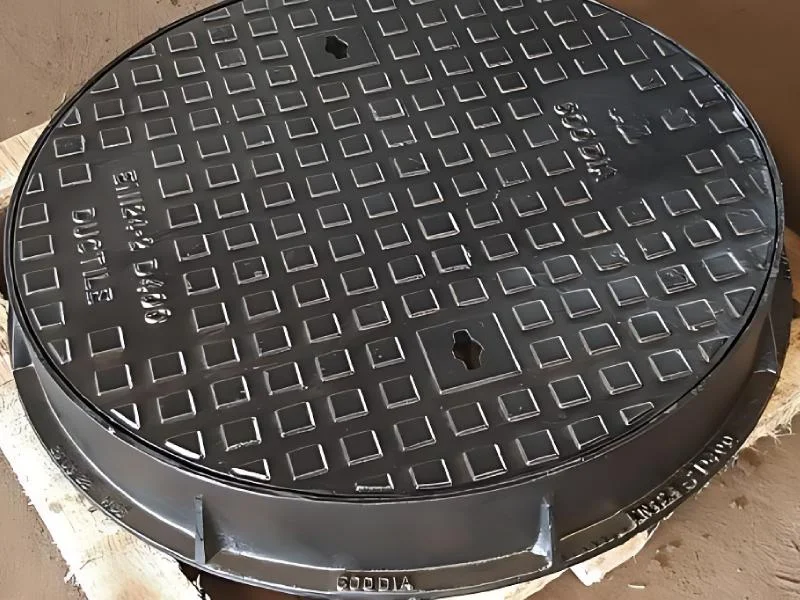
Heavy-Duty Manhole Covers: These covers are designed for high-load applications, often used in roadways and heavy traffic areas. They feature robust materials and designs capable of withstanding significant weight and impact.
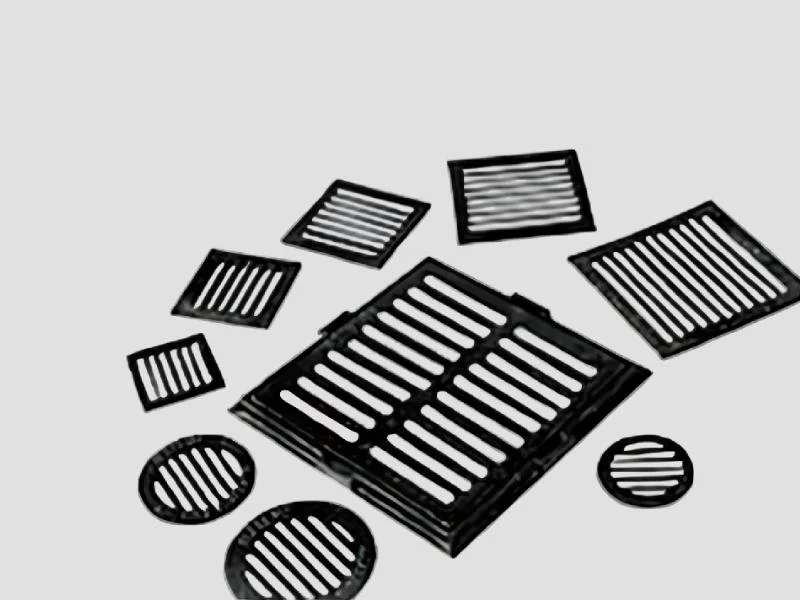
Fiberglass Gratings: Lightweight and corrosion-resistant, fiberglass gratings are ideal for environments exposed to chemicals or moisture. They provide safety and durability without the added weight of metal alternatives.
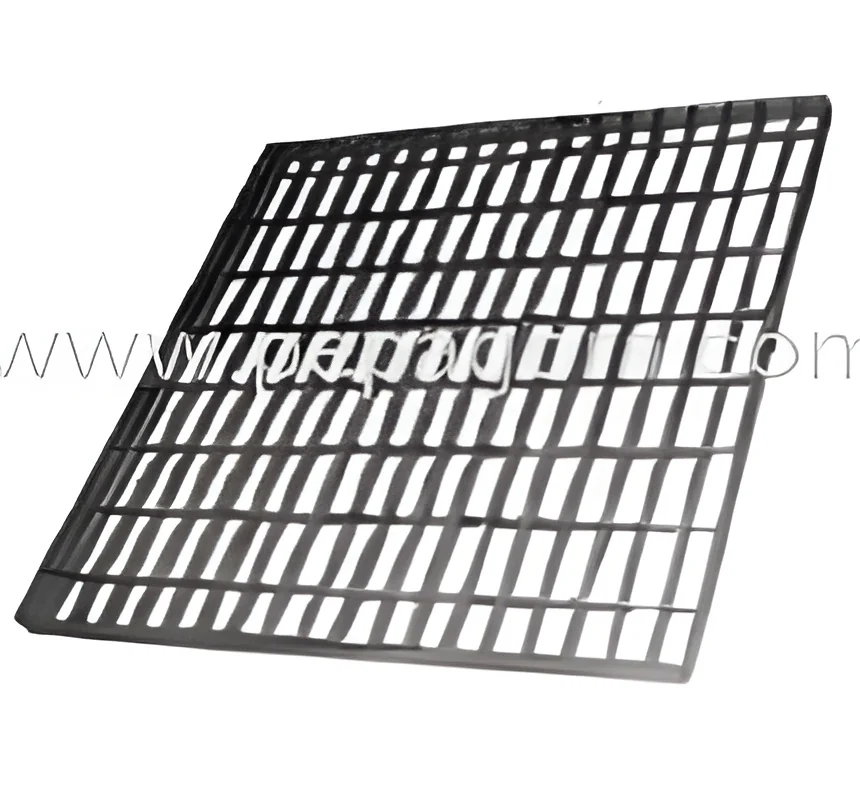
Cast Iron Gratings: Known for their strength, cast iron gratings are commonly used in urban settings. They are durable and can withstand heavy loads while offering an aesthetic finish.
Ductile Iron Manhole Covers: These covers combine the strength of cast iron with enhanced ductility, making them less prone to cracking. They are suitable for high-traffic areas and provide longevity.
Benefits and Advantages
The use of gratings and manhole covers offers several distinct advantages for businesses.
1. Durability: These products are built to resist wear and tear from environmental factors and heavy loads, ensuring long-term service.
2. Safety: Properly designed gratings minimize slip hazards, while manhole covers prevent accidental access to underground utilities, enhancing safety for workers and the public.
3. Versatility: Available in various materials and designs, these products can be customized for different applications, making them suitable for diverse industrial needs.
4. Cost-Effectiveness: Investing in high-quality gratings and manhole covers reduces maintenance costs and the need for frequent replacements.
5. Compliance: Sourcing products that meet industry standards ensures safety and reliability, building trust with stakeholders.
6. Aesthetic Options: Many products come with finishes that enhance the visual appeal of installations, which can be important for public and commercial spaces.
Buying Guide for B2B Buyers
When sourcing gratings and manhole covers, there are several important factors to consider to ensure a successful purchase.
1. Quality Assessment: Look for products that adhere to recognized quality standards. Assessing materials and construction methods will help ensure long-term durability.
2. Supplier Verification: Vet suppliers carefully to ensure they have a reputable history of delivering quality products. Check for certifications and customer reviews.
3. Pricing and MOQ: Understand the pricing structure and minimum order quantities. This will help in budgeting and planning for procurement.
4. Delivery and Lead Times: Discuss logistics with suppliers to gain clarity on delivery schedules and lead times. Timely delivery is crucial for project management.
5. Compliance Requirements: Ensure that the products meet necessary compliance and regulatory standards for your industry, which can vary by region.
Compliance and Certifications
Gratings and manhole covers must adhere to various compliance and certification standards to ensure safety and functionality.
ISO 9001 is a widely recognized standard that ensures quality management systems are in place for manufacturers. This certification demonstrates a commitment to producing high-quality products consistently.
CE certification indicates that the products meet European safety, health, and environmental protection standards. This compliance is crucial for businesses operating within the EU market or those exporting goods to Europe.
Safety and testing requirements often involve rigorous assessments to ensure that products can withstand expected loads and environmental conditions. Testing protocols may vary by region, necessitating awareness of local regulations.
Regional compliance considerations can affect sourcing strategies. Buyers should familiarize themselves with relevant standards and certifications required in their specific markets to avoid compliance issues.
Why Source Gratings & Manhole Covers from Pepagora?
Pepagora stands out as a trusted platform for sourcing gratings and manhole covers, offering several key advantages to B2B buyers.
Verified Supplier Network: Pepagora maintains a network of verified suppliers, ensuring that buyers can connect with reputable manufacturers known for quality products.
Streamlined RFQ Process: The platform facilitates a straightforward request for quotation process, allowing buyers to obtain competitive pricing and product details efficiently.
Trade Assurance and Support: Pepagora provides trade assurance, protecting buyers from potential risks associated with procurement, thus fostering trust and security in transactions.
Regional Coverage: With a focus on India, GCC, and Southeast Asia, Pepagora offers buyers access to a wide range of suppliers and products, ensuring that regional needs are met effectively.
By choosing Pepagora, businesses can enhance their procurement process for gratings and manhole covers, ensuring quality and reliability in their infrastructure projects.

 India
 India
 India
 India
 India
 India

 India
 India
 India
 India
 India
 India
 India
 India
 India
 India
Frequently Asked Questions
What are Gratings & Manhole Covers?
Gratings and manhole covers are essential components used in urban infrastructure. Gratings are typically used to cover drainage channels, allowing water to flow while preventing large debris from entering. Manhole covers provide access to underground utilities while ensuring safety and preventing accidents.
What are the different types of Gratings & Manhole Covers?
There are various types of gratings and manhole covers, including cast iron, ductile iron, and composite materials. Gratings can be categorized into various designs like heavy-duty, light-duty, and decorative types, while manhole covers can be solid or vented, depending on their application.
How do I choose the right Gratings & Manhole Covers?
Selecting the right gratings and manhole covers involves considering factors such as load-bearing capacity, material type, and environmental conditions. It's essential to assess the specific application requirements, such as pedestrian traffic or vehicular load, to ensure safety and functionality.
What are the standard specifications for Gratings & Manhole Covers?
Standard specifications for gratings and manhole covers often include dimensions, load ratings, and material composition. Common standards can vary by region, but they typically adhere to guidelines set by organizations such as the Bureau of Indian Standards (BIS) to ensure safety and performance.
What is the price range for Gratings & Manhole Covers?
The price range for gratings and manhole covers can vary widely based on material, size, and design. On average, prices may range from a few hundred to several thousand Indian Rupees, depending on the specific requirements and manufacturer.
What quality standards apply to Gratings & Manhole Covers?
Quality standards for gratings and manhole covers include compliance with national and international regulations such as IS standards in India. These standards ensure that the products meet specific safety, durability, and performance criteria necessary for urban infrastructure.
Where can I find Gratings & Manhole Covers suppliers in India?
You can find suppliers of gratings and manhole covers in India through various online B2B marketplaces, trade directories, or by contacting manufacturers directly. Platforms like Pepagora.com can connect you with the best gratings and manhole covers suppliers in India.
Can Gratings & Manhole Covers be customized?
Yes, gratings and manhole covers can often be customized to meet specific requirements, such as size, load ratings, and design features. Many manufacturers offer customization options to cater to unique project specifications.
What is the typical minimum order quantity for Gratings & Manhole Covers?
The typical minimum order quantity (MOQ) for gratings and manhole covers varies by supplier and product type. Generally, MOQs can range from a few pieces to several dozen, depending on the manufacturer's policies and production capabilities.
What is the typical lead time for Gratings & Manhole Covers?
The typical lead time for gratings and manhole covers can vary based on factors such as order quantity, customization, and supplier location. On average, lead times can range from 2 to 6 weeks, but it's advisable to confirm with suppliers for specific delivery timelines.
Why Businesses Trust Pepagora
Thousands of companies trust Pepagora to source smarter and sell faster
Expand Your Sales Globally

Source Smarter,Grow Faster
