
 IN
Fuel Tanks & Fuel Management Systems
11 products available
What are Fuel Tanks & Fuel Management Systems?
Fuel tanks are specialized containers designed to store various types of fuel safely and efficiently. These tanks can be made from different materials, including steel and plastic, and come in various shapes and sizes to meet specific operational needs. Fuel management systems, on the other hand, are integrated solutions that monitor and control fuel usage, ensuring optimal fuel efficiency and reducing wastage. Together, fuel tanks and fuel management systems play a critical role in the effective management of fuel resources in various industries.
The primary uses of fuel tanks and fuel management systems span across sectors such as transportation, construction, agriculture, and energy. Companies utilize these systems to ensure a steady supply of fuel for their operations while maintaining compliance with safety regulations. By implementing fuel management systems, businesses can track fuel consumption, manage inventory levels, and analyze usage patterns, which ultimately helps in reducing operational costs.
In the current market context, the demand for fuel tanks and management systems is growing, driven by the increasing focus on efficiency and sustainability. Industries are seeking advanced solutions that not only ensure safety but also enhance productivity. As businesses strive to minimize their environmental impact, fuel management systems are becoming increasingly relevant, providing insights that help reduce emissions and improve overall fuel efficiency.
Key Features and Specifications
Fuel tanks and fuel management systems are equipped with various features that enhance functionality and safety. Understanding these specifications is essential for businesses looking to invest in these products.
Key specifications include:
1. Tank Material
- Typically made of steel or polyethylene
- Offers durability and resistance to corrosion
2. Capacity Range
- Available in sizes from small portable tanks to large stationary tanks
- Common capacities range from 500 liters to over 10,000 liters
3. Monitoring System
- Includes digital gauges and sensors
- Provides real-time data on fuel levels and usage
4. Safety Features
- Equipped with overfill protection and leak detection systems
- Ensures compliance with environmental regulations
5. Fuel Type Compatibility
- Designed to store various fuels including diesel, gasoline, and biofuels
- Ensures versatility for different applications
6. Customization Options
- Tanks can be configured for specific operational needs
- Options for additional features like heating or cooling systems
7. Installation Requirements
- May require specific site preparation and safety measures
- Professional installation recommended for optimal safety
8. Compliance Standards
- Must meet industry standards and regulations
- Certification such as CE confirms quality and safety
In summary, understanding these key specifications enables businesses to select the right fuel tanks and management systems tailored to their operational needs while ensuring safety and compliance.
Common Applications and Use Cases
Fuel tanks and fuel management systems are utilized across a wide range of industries, each with unique applications.
1. Transportation: In the transportation sector, these systems ensure that fleets have a reliable and efficient fuel supply. They help in tracking fuel consumption, which aids in route optimization and cost reduction.
2. Construction: Construction companies use fuel tanks to power machinery and equipment on-site. Fuel management systems enable them to monitor usage, preventing theft and wastage.
3. Agriculture: Farmers rely on fuel tanks for storing diesel to power tractors and other equipment. Management systems help in managing fuel usage effectively, improving operational efficiency.
4. Energy: In the energy sector, fuel tanks store various fuels used in power generation. Fuel management systems assist in maintaining optimal fuel levels, ensuring uninterrupted energy production.
5. Mining: Mining operations use fuel tanks to store fuel for heavy equipment. Fuel management systems provide insights into consumption patterns, helping to control costs.
6. Marine: The marine industry employs fuel tanks for storing fuel on vessels. Management systems help in monitoring fuel levels to ensure safe and efficient operations.
7. Emergency Services: Fire departments and emergency services use fuel tanks for storing fuel for backup generators and vehicles. Monitoring systems ensure they are always prepared for emergencies.
Product Variants and Subcategories
Fuel tanks and fuel management systems come in various configurations to meet diverse operational needs.
Above Ground Fuel Tanks
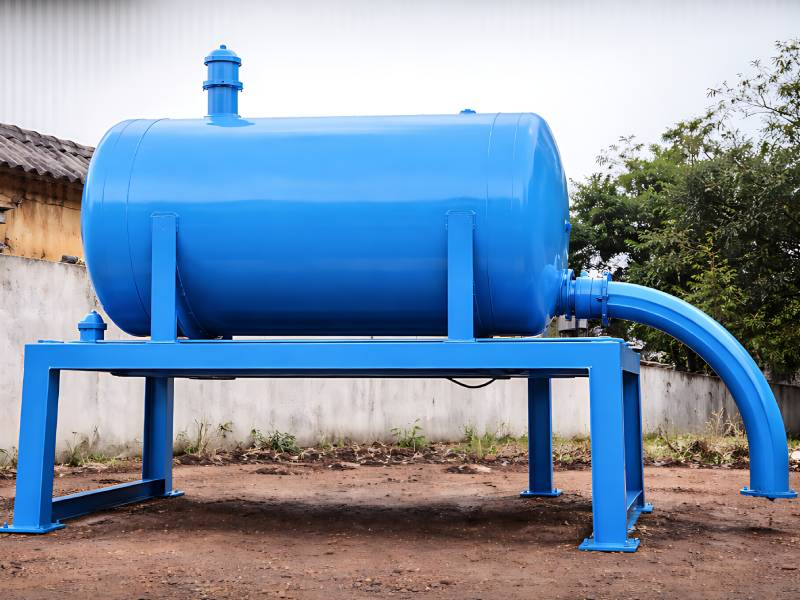
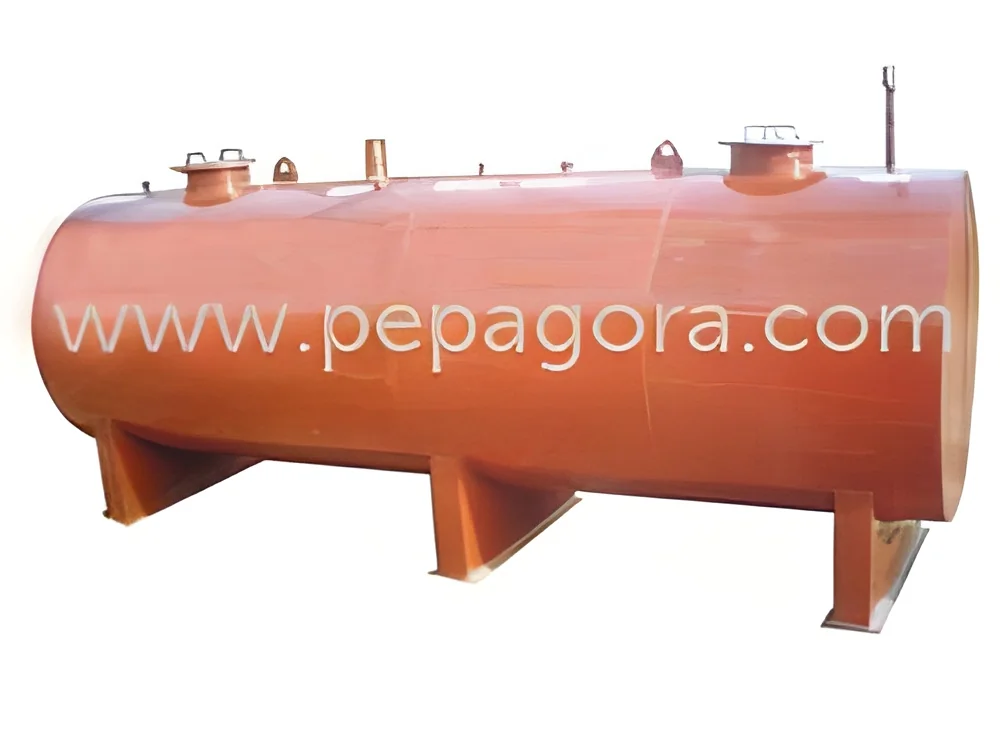
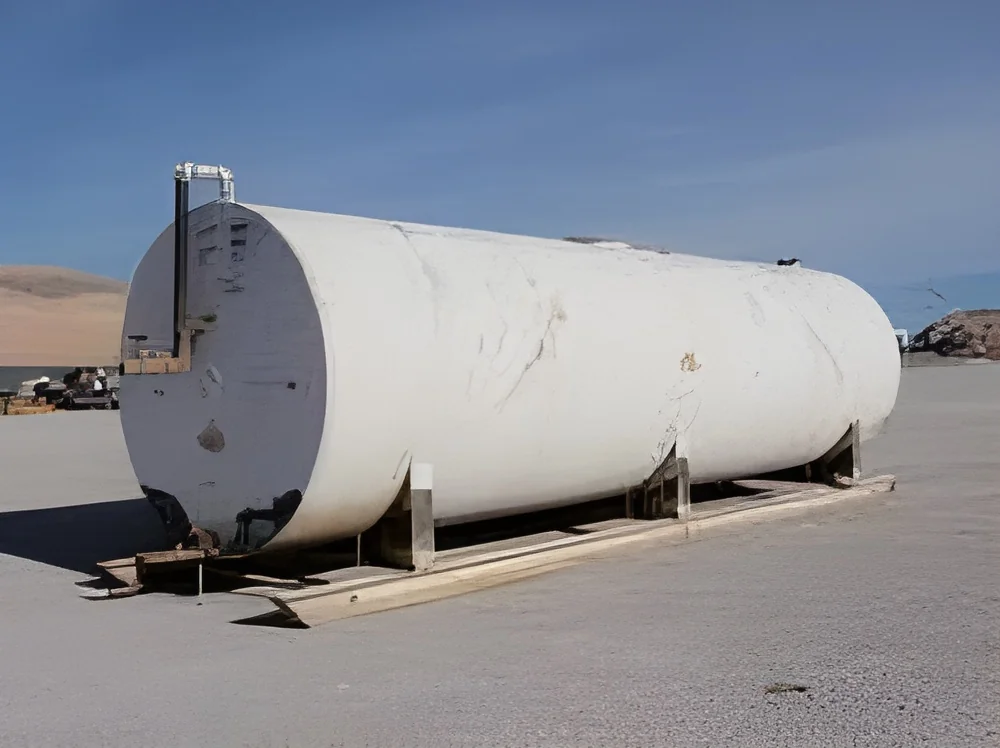
These tanks are designed for easy access and maintenance. They are typically used in industrial settings where space allows for above-ground installation.
Underground Fuel Tanks
These tanks provide added security and are ideal for sites with limited space. They are commonly used in retail fuel stations and large facilities.
Portable Fuel Tanks
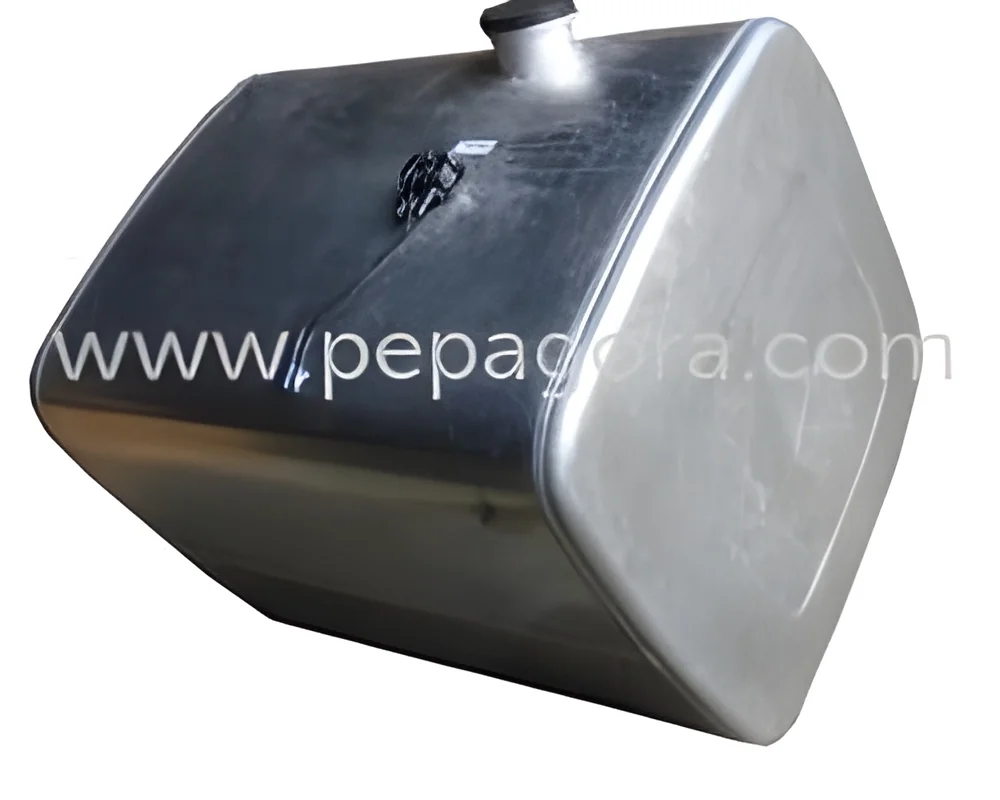
These tanks are designed for mobility and are often used in construction and agricultural applications. They can be easily transported to different job sites as needed.
Integrated Fuel Management Systems
These systems combine tank storage with advanced monitoring and reporting features. Ideal for large fleets, they offer comprehensive fuel management in one package.
Benefits and Advantages
Investing in fuel tanks and fuel management systems offers numerous advantages for businesses.
Key benefits include:
1. Improved Efficiency: Enhanced monitoring leads to optimized fuel usage, resulting in lower operational costs.
2. Enhanced Safety: Built-in safety features reduce the risk of spills and leaks, ensuring compliance with regulations.
3. Better Inventory Control: Real-time tracking helps businesses maintain appropriate fuel levels, preventing shortages and overstocking.
4. Cost Savings: By minimizing fuel wastage and theft, companies can significantly reduce their overall fuel expenses.
5. Environmental Compliance: Fuel management systems provide insights that help organizations meet environmental regulations and reduce emissions.
6. Customization: Businesses can tailor systems to their specific needs, ensuring they get the most suitable solution for their operations.
Buying Guide for B2B Buyers
When sourcing fuel tanks and fuel management systems, it is essential to consider several factors to ensure a successful purchase.
1. Quality Assessment: Evaluate the materials and construction of the tanks to ensure durability and safety. Look for certifications that indicate compliance with industry standards.
2. Supplier Verification: Research potential suppliers to confirm their credibility and reliability. Check reviews, references, and past performance to ensure they meet your requirements.
3. Pricing and MOQ: Consider the total cost of ownership, including upfront costs and ongoing maintenance. Be aware of the minimum order quantities (MOQ) that suppliers may impose.
4. Delivery and Lead Times: Understand the delivery schedules and lead times associated with your order to ensure timely availability for your operations.
5. Compliance Requirements: Familiarize yourself with the relevant regulations and compliance requirements in your region. Ensure that the products you choose meet these standards.
Compliance and Certifications
Compliance is crucial in the fuel tank and fuel management systems industry. Relevant quality standards, such as ISO 9001, ensure that products meet customer and regulatory requirements consistently.
Industry certifications, such as CE, indicate that products conform to European safety and health standards. These certifications are essential for ensuring safety and reliability in various applications.
Additionally, fuel tanks and management systems must adhere to safety and testing requirements. Regular inspections and maintenance are necessary to ensure compliance and functionality.
Regional compliance considerations may vary, so it is vital to understand local regulations governing fuel storage and management. This knowledge can help businesses avoid legal issues and enhance safety.
Why Source Fuel Tanks & Fuel Management Systems from Pepagora?
Pepagora offers a reliable platform for sourcing fuel tanks and fuel management systems, providing several key advantages for businesses.
Verified Supplier Network: Our platform features a network of verified suppliers, ensuring that businesses can access high-quality products with confidence. Each supplier undergoes a thorough vetting process to guarantee reliability.
Streamlined RFQ Process: Pepagora simplifies the request for quotation (RFQ) process, allowing buyers to receive competitive quotes quickly. This efficiency helps businesses make informed purchasing decisions without unnecessary delays.
Trade Assurance and Support: We prioritize buyer protection through trade assurance policies. This ensures that businesses receive the products they expect, backed by reliable customer support.
Regional Coverage: Pepagora serves a wide geographic area, including India, the GCC, and Southeast Asia. Our platform connects buyers with suppliers in these regions, ensuring accessibility to quality products and services.


 India
 India
 India
 India
 India
 India
 India
 India
Frequently Asked Questions
What are Fuel Tanks & Fuel Management Systems?
Fuel Tanks & Fuel Management Systems are essential components used to store and manage fuel for various applications, including vehicles, machinery, and industrial equipment. These systems ensure safe storage, accurate dispensing, and efficient monitoring of fuel usage.
What are the different types of Fuel Tanks & Fuel Management Systems?
There are several types of Fuel Tanks & Fuel Management Systems, including above-ground tanks, underground tanks, portable tanks, and modular tanks. Additionally, fuel management systems can vary in complexity, from simple mechanical meters to advanced electronic monitoring systems with telemetry capabilities.
How do I choose the right Fuel Tanks & Fuel Management Systems?
Choosing the right Fuel Tanks & Fuel Management Systems involves considering factors such as the type of fuel, storage capacity, site location, and regulatory compliance. It is also important to assess the required features of the management system, such as monitoring capabilities and integration with existing operations.
What are the standard specifications for Fuel Tanks & Fuel Management Systems?
Standard specifications for Fuel Tanks & Fuel Management Systems typically include material type (such as steel or polyethylene), tank capacity, pressure ratings, and safety features like spill containment and overfill protection. Additionally, fuel management systems may have specifications related to flow rates, measurement accuracy, and connectivity options.
What is the price range for Fuel Tanks & Fuel Management Systems?
The price range for Fuel Tanks & Fuel Management Systems can vary widely based on factors such as size, material, and technology features. Generally, prices can start from a few thousand rupees for smaller tanks and basic systems, while more advanced systems can go up to several lakhs.
What quality standards apply to Fuel Tanks & Fuel Management Systems?
Quality standards for Fuel Tanks & Fuel Management Systems include compliance with national and international regulations, such as IS, API, and UL standards. These standards ensure the safety, durability, and environmental compliance of the tanks and management systems.
Where can I find Fuel Tanks & Fuel Management Systems suppliers in India?
Fuel Tanks & Fuel Management Systems suppliers in India can be found through various channels, including online B2B marketplaces like Pepagora.com, trade shows, and industrial directories. It is advisable to research suppliers' credentials and customer reviews to ensure reliability.
Can Fuel Tanks & Fuel Management Systems be customized?
Yes, Fuel Tanks & Fuel Management Systems can often be customized to meet specific requirements, such as size, shape, and additional features. Many manufacturers offer tailored solutions based on client needs, which can enhance functionality and compliance with local regulations.
What is the typical minimum order quantity for Fuel Tanks & Fuel Management Systems?
The typical minimum order quantity (MOQ) for Fuel Tanks & Fuel Management Systems can vary by manufacturer and product type. Generally, MOQs can range from one unit for custom tanks to larger quantities for standard models, depending on production capabilities.
What is the typical lead time for Fuel Tanks & Fuel Management Systems?
The typical lead time for Fuel Tanks & Fuel Management Systems can vary based on factors such as product complexity and supplier capabilities. Generally, standard tanks may have a lead time of 4 to 6 weeks, while customized systems may take longer, depending on the specifications.
Why Businesses Trust Pepagora
Thousands of companies trust Pepagora to source smarter and sell faster
Expand Your Sales Globally

Source Smarter,Grow Faster
