
 IN
Frying Pans (Non-stick, Stainless Steel, Cast Iron)
37 products available
Key Features and Specifications
Frying pans come with various features that enhance their usability and performance. When selecting frying pans, it is crucial to consider their specifications to ensure they meet your cooking needs.
Key specifications include:
1. Material Composition
- Non-stick, stainless steel, or cast iron
- Each material has unique heat properties and durability.
2. Diameter
- Common sizes range from 20 cm to 30 cm
- Larger diameters are suitable for cooking larger quantities.
3. Handle Design
- Ergonomic designs for easy grip
- Heat-resistant materials to prevent burns.
4. Compatibility with Heat Sources
- Suitable for gas, electric, and induction cooktops
- Some cast iron pans can be used in ovens.
5. Weight
- Lightweight options for easy handling
- Heavier options for better heat retention.
6. Non-stick Coating
- Various types of coatings available
- Some are PFOA-free for health safety.
7. Safety Features
- Heat-resistant handles
- Dishwasher safe options for easy cleaning.
8. Warranty
- Varies by manufacturer
- Important for ensuring product reliability.
Selecting frying pans with the right features and specifications can greatly enhance cooking efficiency and quality.
Common Applications and Use Cases
Frying pans are essential tools across multiple industries. Their versatility allows for various applications in different settings.
1. Restaurants: Frying pans are used for preparing a wide range of dishes, from breakfast items to main courses, allowing chefs to execute diverse cooking techniques.
2. Catering Services: High-quality frying pans are vital for catering events, enabling efficient cooking in large quantities while maintaining food quality.
3. Food Trucks: Compact and portable frying pans are ideal for food truck operations, facilitating quick cooking and serving of popular street food.
4. Institutional Kitchens: Schools and hospitals utilize frying pans to prepare nutritious meals, ensuring consistency and safety in food preparation.
5. Cooking Classes: Frying pans are used in culinary education to teach cooking techniques, from basic frying to advanced culinary skills.
6. Home Cooking: Many home cooks rely on frying pans for everyday meal preparation, making them a staple in residential kitchens.
7. Outdoor Cooking: Cast iron frying pans are popular for grilling and outdoor cooking, providing durability and heat retention for campfire meals.
Product Variants and Subcategories
Frying pans come in various forms to meet diverse cooking needs. Each variant offers unique benefits tailored to specific culinary tasks.
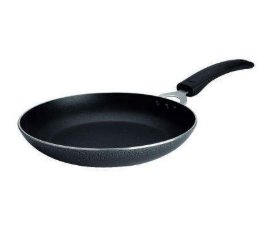
Non-stick Frying Pan
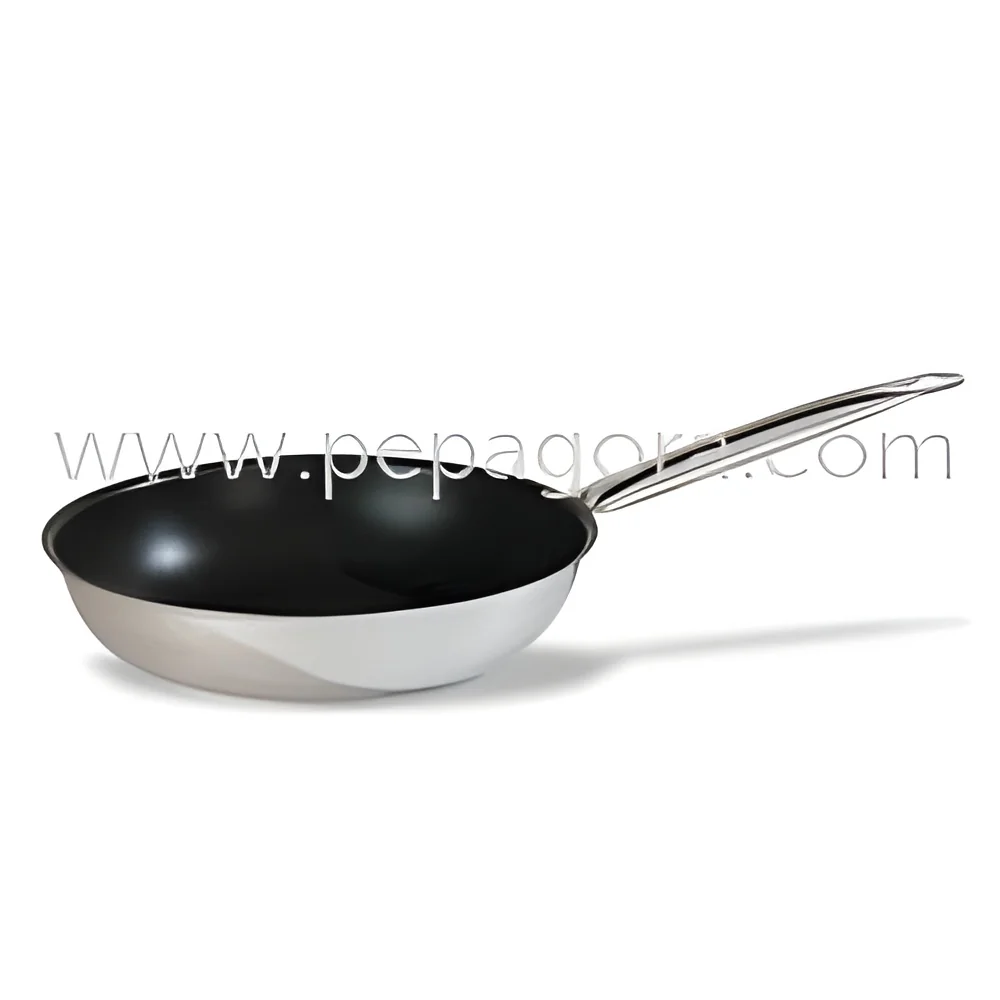
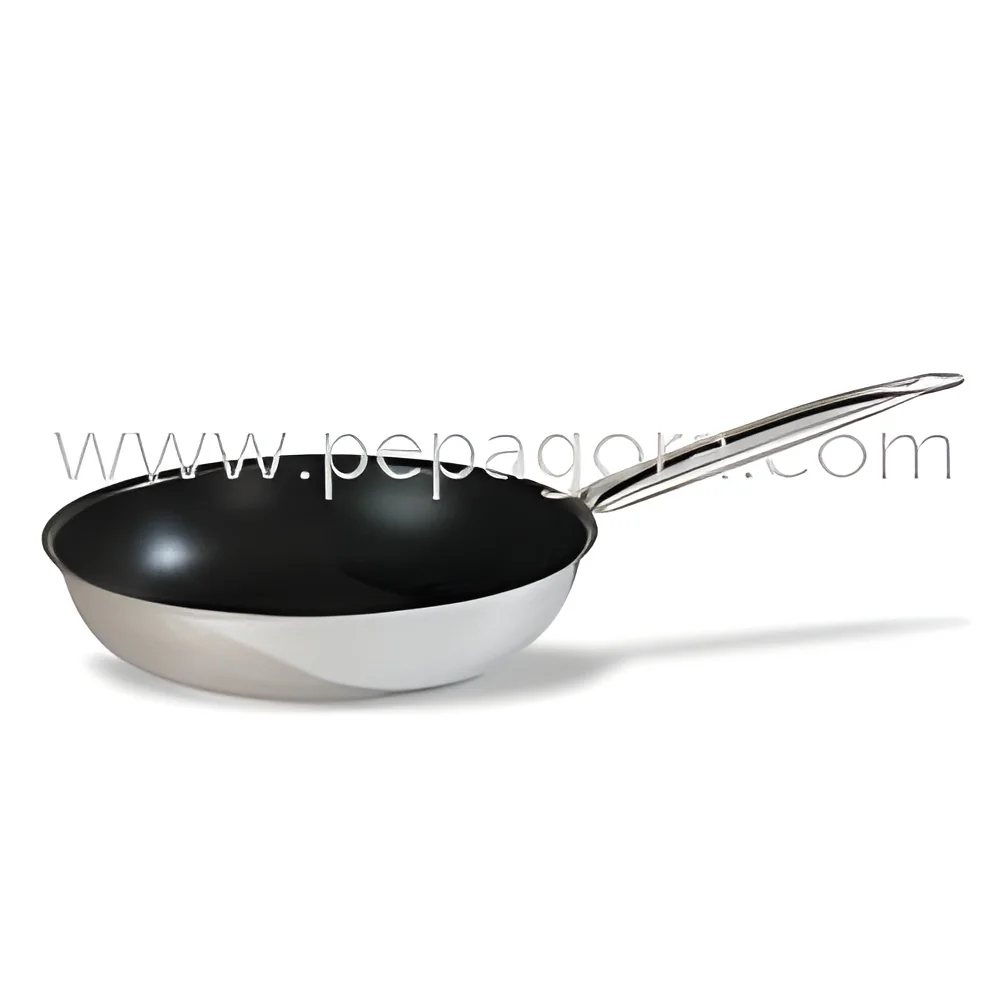
These pans feature a specialized coating that ensures food does not stick, making them perfect for cooking eggs, pancakes, and delicate fish. Their easy cleanup and lower fat cooking capabilities make them a favorite among health-conscious chefs.
Stainless Steel Frying Pan
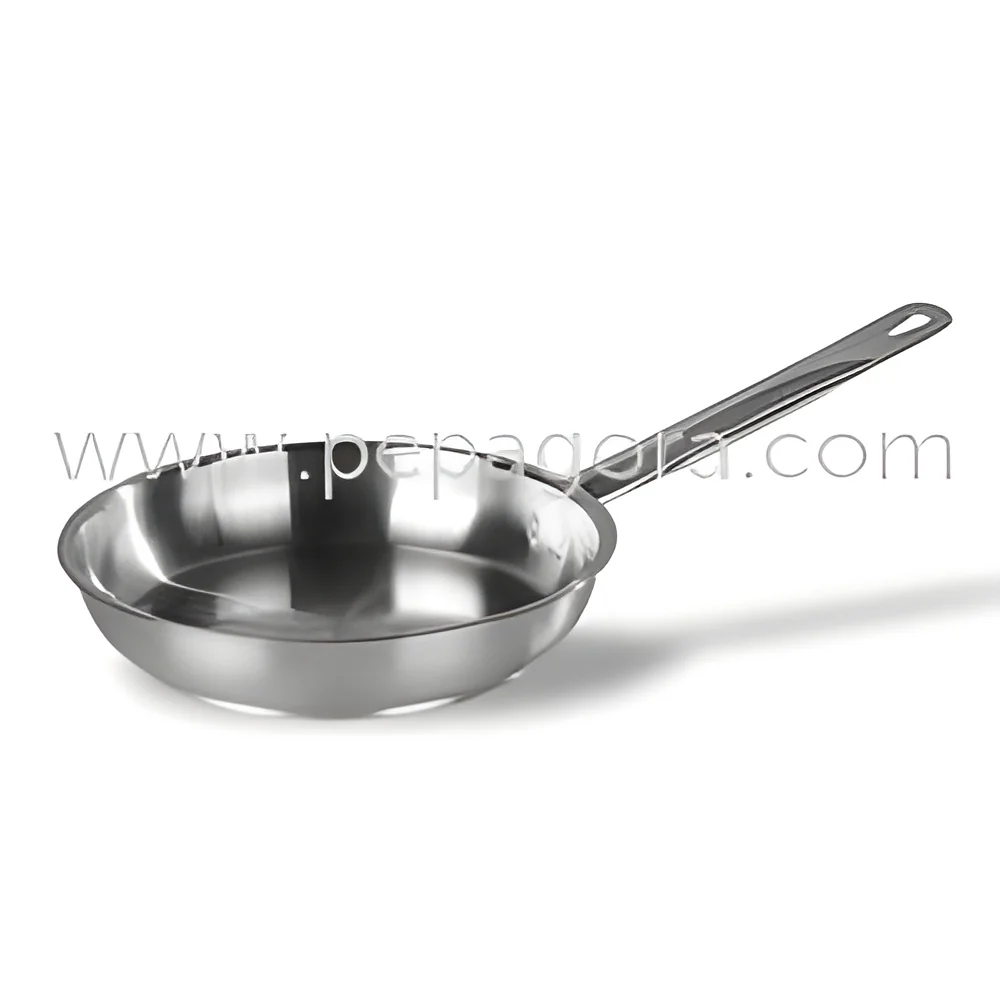
Renowned for their durability and heat conductivity, stainless steel frying pans excel in browning and searing. They provide a classic cooking experience and are often used in high-end kitchens for professional-grade cooking.
Cast Iron Frying Pan
These heavy-duty pans are known for their exceptional heat retention and even cooking. They can be used on stovetops and in ovens, making them versatile for various cooking methods, including frying, baking, and sautéing.
Benefits and Advantages
Using frying pans made from different materials provides several advantages for food preparation.
1. Versatility: Frying pans can handle a wide range of cooking techniques, from frying to sautéing, making them indispensable in professional kitchens.
2. Easy Maintenance: Non-stick frying pans offer easy cleaning, while stainless steel and cast iron options can be seasoned for longevity.
3. Health Benefits: Non-stick coatings allow for low-fat cooking, promoting healthier meal options without sacrificing flavor.
4. Durability: Stainless steel and cast iron frying pans are built to last, providing long-term value for businesses.
5. Heat Retention: Cast iron frying pans excel in retaining heat, ensuring even cooking and better flavor development.
6. Variety of Sizes: Frying pans are available in multiple sizes to accommodate different cooking requirements, from small batches to large meals.
Buying Guide for B2B Buyers
When sourcing frying pans for commercial use, several critical factors should be considered to ensure you make informed purchasing decisions.
1. Quality Assessment: Evaluate the material quality and construction of the frying pans. Look for certifications that ensure durability and safety.
2. Supplier Verification: Vet suppliers for reliability, checking their reputation and customer reviews. Ensure they can meet your specific requirements.
3. Pricing and MOQ: Understand the pricing structure and minimum order quantities. Compare different suppliers to find the best value for your budget.
4. Delivery and Lead Times: Discuss logistics and delivery schedules with suppliers to ensure timely receipt of your frying pans.
5. Compliance Requirements: Ensure the frying pans meet relevant health and safety regulations. Look for certifications like CE that ensure compliance with industry standards.
Compliance and Certifications
Frying pans must adhere to various quality standards and certifications to ensure safety and performance in culinary applications. Relevant standards include ISO 9001, which focuses on quality management systems, ensuring consistent quality in manufacturing processes.
Industry certifications such as CE indicate compliance with European safety standards, assuring buyers of the product's safety and performance. Additionally, safety and testing requirements are crucial for frying pans, especially those used in commercial kitchens.
Regional compliance considerations vary, and it is essential to understand local regulations that may affect the use and sourcing of frying pans. Ensuring compliance with these standards protects both businesses and consumers, fostering trust in the products used in food preparation.
Why Source Frying Pans (Non-stick, Stainless Steel, Cast Iron) from Pepagora?
Pepagora is a reliable platform for sourcing frying pans, offering several key advantages for B2B buyers.
Verified Supplier Network: Pepagora connects buyers with a network of verified suppliers, ensuring that all products meet high-quality standards. This verification process enhances buyer confidence in the sourcing experience.
Streamlined RFQ Process: The platform features a user-friendly Request for Quotation (RFQ) process, allowing buyers to easily compare quotes from multiple suppliers. This efficiency helps in making informed purchasing decisions.
Trade Assurance and Support: Pepagora offers trade assurance, protecting buyers from potential risks associated with sourcing. Additionally, the platform provides customer support to assist buyers throughout the procurement process.
Regional Coverage: With a presence in India, GCC, and Southeast Asia, Pepagora facilitates access to a wide range of frying pans across different regions. This geographic reach allows buyers to find suitable suppliers that meet their specific needs.

 India
 India
 India
 India
 India
 India

 India
 India
 India
 India
 India
Frequently Asked Questions
What are Frying Pans (Non-stick, Stainless Steel, Cast Iron)?
Frying pans, also known as skillets, are flat-bottomed cookware used for frying, searing, and browning foods. They come in various materials, such as non-stick, stainless steel, and cast iron, each offering different cooking advantages and maintenance requirements.
What are the different types of Frying Pans (Non-stick, Stainless Steel, Cast Iron)?
The main types of frying pans include non-stick frying pans, which are coated to prevent food from sticking; stainless steel frying pans, known for their durability and even heating; and cast iron frying pans, which retain heat well and develop a natural non-stick surface over time. Each type serves different cooking needs and preferences.
How do I choose the right Frying Pans (Non-stick, Stainless Steel, Cast Iron)?
Choosing the right frying pan depends on your cooking style and needs. Consider factors such as the type of food you will be cooking, heat source compatibility, and ease of cleaning. Additionally, evaluate the material's heat retention properties and whether you prefer a lightweight or heavy-duty pan.
What are the standard specifications for Frying Pans (Non-stick, Stainless Steel, Cast Iron)?
Standard specifications for frying pans include diameter (commonly ranging from 20 cm to 30 cm), material thickness, and heat resistance. Non-stick coatings should be PFOA-free, while stainless steel pans often have aluminum or copper cores for better heat distribution.
What is the price range for Frying Pans (Non-stick, Stainless Steel, Cast Iron)?
The price range for frying pans varies widely based on material and brand. Non-stick frying pans may start around INR 500, while high-quality stainless steel and cast iron pans can range from INR 1,500 to INR 5,000 or more.
What quality standards apply to Frying Pans (Non-stick, Stainless Steel, Cast Iron)?
Quality standards for frying pans include food safety certifications, durability tests, and performance evaluations. Non-stick pans should meet regulatory requirements for coatings, while stainless steel and cast iron should be free from harmful substances and designed for longevity.
Where can I find Frying Pans (Non-stick, Stainless Steel, Cast Iron) suppliers in India?
You can find frying pan suppliers in India through B2B marketplaces like Pepagora, trade shows, and industry directories. It's advisable to compare multiple suppliers to assess product quality and pricing.
Can Frying Pans (Non-stick, Stainless Steel, Cast Iron) be customized?
Yes, many manufacturers offer customization options for frying pans, such as size, handle design, and branding. Customization may also include unique coatings or finishes to meet specific customer preferences.
What is the typical minimum order quantity for Frying Pans (Non-stick, Stainless Steel, Cast Iron)?
The typical minimum order quantity (MOQ) for frying pans varies by supplier. Generally, MOQs can range from 50 to 500 units, depending on the manufacturer and product specifications.
What is the typical lead time for Frying Pans (Non-stick, Stainless Steel, Cast Iron)?
The typical lead time for frying pans varies based on the supplier and order size. Standard lead times can range from 2 to 6 weeks, especially for customized orders, while ready stock may be available for quicker delivery.
Why Businesses Trust Pepagora
Thousands of companies trust Pepagora to source smarter and sell faster
Expand Your Sales Globally

Source Smarter,Grow Faster
