What are EV Batteries?
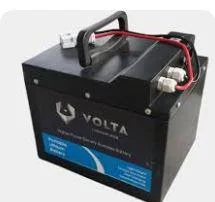
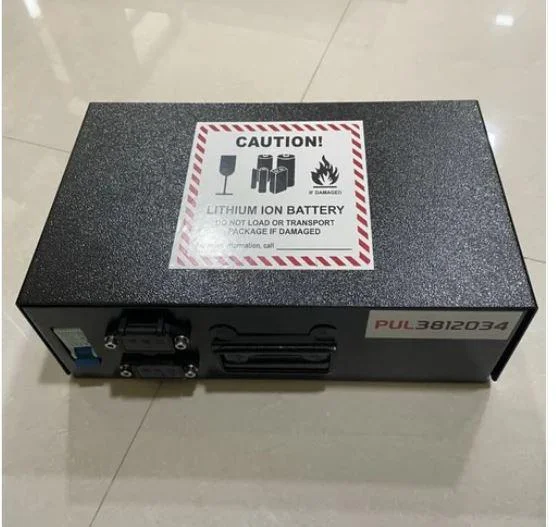
EV batteries, or electric vehicle batteries, are energy storage systems specifically designed to power electric vehicles. These batteries store electrical energy, which is used to drive electric motors, enabling vehicles to operate without traditional fossil fuels. Made primarily from lithium-ion technology, EV batteries are engineered for efficiency, longevity, and safety. They serve as the cornerstone of electric mobility, providing the necessary energy to support both short commutes and long-distance travel.
The primary applications of EV batteries extend beyond personal transportation. They are integral to various sectors, including public transport, logistics, and fleet management. Businesses are increasingly adopting electric vehicles to reduce carbon footprints and comply with environmental regulations. The growing demand for electric vehicles has created a robust market for EV batteries, establishing them as a key component in the transition to sustainable mobility solutions.
In a rapidly evolving industry, the relevance of EV batteries is underscored by ongoing advancements in technology and manufacturing processes. As governments worldwide promote electric vehicle adoption through incentives and infrastructure development, the market for EV batteries is expected to expand significantly. Consequently, businesses must stay informed about the latest trends and innovations in battery technology to maintain a competitive edge.
Key Features and Specifications
Understanding the specifications of EV batteries is crucial for businesses looking to invest in this technology. Key specifications encompass performance, safety, and operational parameters that define the effectiveness and reliability of these batteries.
Key specifications include:
1. Battery Chemistry
- Lithium-ion is the most common chemistry used for EV batteries.
- Offers high energy density and long cycle life.
2. Capacity
- Measured in kilowatt-hours (kWh).
- Determines the distance an electric vehicle can travel on a single charge.
3. Voltage
- Typical operating voltage ranges from 200 to 800 volts.
- Affects the overall efficiency and performance of the vehicle.
4. Charge Time
- Varies depending on the charging method.
- Fast charging options can reduce charge time to under an hour.
5. Cycle Life
- Refers to the number of charge and discharge cycles a battery can undergo before capacity significantly decreases.
- Typically ranges from 500 to over 2,000 cycles.
6. Weight
- Affects vehicle design and efficiency.
- Battery weight can vary widely based on capacity and design.
7. Temperature Range
- Optimal operating temperatures are usually between -20°C to 60°C.
- Performance can degrade outside these ranges.
8. Safety Features
- Includes thermal management systems and battery management systems.
- Essential for preventing overheating and ensuring reliable operation.
These specifications are vital for businesses to ensure they select the right battery for their electric vehicle needs, contributing to overall operational success.
Common Applications and Use Cases
EV batteries play a crucial role in various industries, supporting diverse applications.
1. Automotive: EV batteries are primarily used in electric cars, providing the range and efficiency needed for personal and commercial use. They enable automakers to meet environmental standards and consumer demands for sustainable vehicles.
2. Public Transport: Electric buses and trams utilize EV batteries to reduce emissions and operating costs. These vehicles contribute to cleaner urban environments while providing reliable public transit options.
3. Logistics and Delivery: Electric delivery vans and trucks are increasingly powered by EV batteries, enhancing the efficiency of last-mile logistics. Businesses benefit from lower fuel costs and reduced environmental impact.
4. Renewable Energy Storage: EV batteries can also be used in conjunction with renewable energy sources, storing excess energy generated from solar or wind power for later use.
5. Industrial Equipment: Some industrial applications utilize electric forklifts and machinery equipped with EV batteries, offering a cleaner alternative to traditional fuel sources.
6. Marine Applications: Electric boats and vessels benefit from the energy efficiency and reduced emissions associated with EV battery technology.
7. Recreational Vehicles: Electric RVs and camper vans leverage EV batteries for sustainable travel options, appealing to environmentally conscious consumers.
Product Variants and Subcategories
EV batteries come in various configurations tailored to specific applications. This diversity allows businesses to select the most suitable option for their needs.
Standard EV Battery
These batteries are designed for typical electric vehicles, offering a balance of capacity, weight, and efficiency. They are ideal for personal and commercial vehicles requiring reliable performance over varied distances.
High-Performance EV Battery
Engineered for electric sports cars and performance vehicles, these batteries focus on delivering high power output and rapid charging capabilities. They provide enhanced acceleration and speed, catering to a niche market of performance enthusiasts.
Commercial EV Battery
Tailored for buses and heavy-duty vehicles, commercial EV batteries prioritize capacity and longevity. They are designed to endure frequent charging cycles and provide extended range for long-haul applications.
Benefits and Advantages
Investing in EV batteries offers numerous advantages for businesses looking to adopt sustainable transportation solutions.
Key benefits include:
1. Environmental Impact: EV batteries contribute to reduced greenhouse gas emissions by powering electric vehicles, supporting corporate sustainability goals.
2. Cost Savings: Businesses can lower fuel and maintenance costs by transitioning to electric vehicles, resulting in long-term financial benefits.
3. Government Incentives: Many regions offer tax credits and incentives for electric vehicle adoption, enhancing the return on investment for businesses.
4. Enhanced Performance: EV batteries provide instant torque and smooth acceleration, improving the overall driving experience for users.
5. Energy Independence: Utilizing EV batteries can reduce dependence on fossil fuels, promoting energy security for businesses.
6. Technological Advancements: The EV battery industry is continually evolving, presenting opportunities for businesses to adopt cutting-edge technologies that enhance performance and efficiency.
Buying Guide for B2B Buyers
When sourcing EV batteries, businesses should consider several critical factors to ensure they make informed decisions.
1. Quality Assessment: Evaluate the quality standards of the batteries, including performance metrics and reliability. Look for certifications that indicate compliance with industry standards.
2. Supplier Verification: Conduct thorough research on potential suppliers. Verify their reputation, production capabilities, and customer feedback to ensure reliability in sourcing.
3. Pricing and MOQ: Understand the pricing structure and minimum order quantities (MOQs) set by suppliers. This helps in budget planning and ensures alignment with business needs.
4. Delivery and Lead Times: Assess the logistics involved in sourcing batteries. Consider delivery timelines and shipping options to avoid disruptions in operations.
5. Compliance Requirements: Ensure that the batteries meet regional and industry-specific compliance standards. This includes safety regulations and environmental considerations.
Compliance and Certifications
Compliance and certifications are essential in the EV battery industry to ensure product reliability and safety.
Common quality standards include ISO 9001, which emphasizes quality management systems, ensuring that manufacturers follow best practices in production. Additionally, HACCP (Hazard Analysis and Critical Control Points) may apply to battery production processes, focusing on risk management and safety protocols.
Industry certifications such as CE indicate that the products meet European safety and health requirements. This is crucial for gaining trust in the marketplace and ensuring compliance with regional regulations.
Safety testing is paramount to guarantee that EV batteries perform reliably under various conditions. Manufacturers must adhere to standardized testing procedures to assess performance metrics and safety features.
Regional compliance considerations may vary, so businesses must remain informed about local regulations governing the production and use of EV batteries. This ensures adherence to safety standards and fosters confidence in the products being sourced.
Why Source EV Batteries from Pepagora?
Pepagora provides a trusted platform for sourcing EV batteries, offering several key advantages for businesses.
Verified Supplier Network: Pepagora connects buyers with a network of verified suppliers, ensuring quality and reliability. Each supplier undergoes a rigorous vetting process to confirm their capabilities and compliance with industry standards.
Streamlined RFQ Process: The platform simplifies the request for quotation (RFQ) process, making it easier for businesses to compare options and select the best suppliers. This efficiency helps buyers save time and make informed purchasing decisions.
Trade Assurance and Support: Pepagora offers trade assurance, providing buyers with protection against risks associated with sourcing. This includes support for resolving disputes and ensuring that transactions are secure.
Regional Coverage: With a focus on regions like India, the GCC, and Southeast Asia, Pepagora ensures extensive geographic reach. This enables businesses to connect with suppliers that can meet their specific needs, regardless of location.

 IN
IN