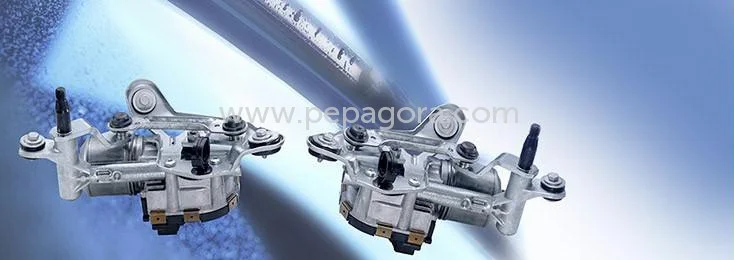
What are Electric Powertrains?
Electric powertrains are systems that utilize electric motors and related components to drive vehicles and machinery, replacing traditional internal combustion engines. An electric powertrain consists of an electric motor, battery, power electronics, and transmission, working together to convert electrical energy into mechanical energy. This technology is increasingly becoming the preferred choice for various applications due to its efficiency, sustainability, and lower emissions.
Electric powertrains are widely used in industries ranging from automotive to aerospace, public transportation, and industrial machinery. Businesses are adopting electric powertrains for their operations to meet regulatory standards for emissions and to enhance energy efficiency. The growing demand for electric vehicles and the push for greener technologies further drive the adoption of electric powertrains in various market segments.
As industries strive for sustainability, the electric powertrain market is experiencing significant growth. The increase in environmental regulations and a global shift toward renewable energy sources are propelling innovations in electric powertrain technology. This market is relevant not only for manufacturers but also for service providers and end-users looking to capitalize on the benefits of electric mobility.
Key Features and Specifications
Electric powertrains come equipped with several key features that enhance performance and reliability. Understanding these specifications is essential for businesses considering their implementation.
Key specifications include:
1. Electric Motor Type
- Brushless DC (BLDC) or AC induction motors are commonly used.
- Power ratings typically range from 10 kW to over 500 kW.
2. Battery Capacity
- Lithium-ion batteries are standard, providing energy storage.
- Capacity ranges from 20 kWh to 1000 kWh or more depending on application.
3. Voltage Rating
- Common voltage ratings include 48V, 72V, and 800V systems.
- Higher voltage systems allow for greater efficiency and range.
4. Efficiency Rating
- Electric powertrains typically exhibit efficiency ratings above 90%.
- This efficiency contributes to reduced operational costs.
5. Regenerative Braking
- Many systems include regenerative braking functionality.
- This feature recovers energy during braking to recharge the battery.
6. Thermal Management
- Incorporates systems to manage temperature for optimal performance.
- Essential for maintaining battery and motor efficiency.
7. Control Systems
- Advanced electronic control units manage power distribution.
- Enables real-time adjustments for performance optimization.
8. Weight Considerations
- Lightweight materials are often used to enhance vehicle efficiency.
- Weight can significantly affect overall performance and range.
Electric powertrains are designed to meet specific operational requirements, allowing businesses to select the right system based on their needs.
Common Applications and Use Cases
Electric powertrains serve a variety of industries, providing efficient and sustainable solutions.
1. Automotive: Electric powertrains are integral to electric vehicles (EVs), offering reduced emissions and enhanced performance. They enable features like instant torque and quiet operation.
2. Public Transportation: Many cities are adopting electric buses and trams. These systems reduce air pollution and operational costs while providing reliable transport solutions.
3. Industrial Machinery: Electric powertrains are used in forklifts and other industrial equipment, improving energy efficiency and reducing maintenance costs.
4. Aerospace: Electric powertrains are emerging in aviation, particularly in small aircraft and drones, aiming to reduce fuel consumption and emissions.
5. Marine: Electric propulsion systems are being implemented in ferries and recreational boats to enhance environmental compliance and reduce noise pollution.
6. Construction: Electric powertrains are used in machinery like excavators and backhoes, promoting cleaner construction practices.
7. Robotics: Electric powertrains power various robotic systems, enhancing precision and performance in manufacturing and logistics.
Product Variants and Subcategories
Electric powertrains come in diverse configurations to meet specific operational needs.
Electric Bus Powertrain: This variant is designed specifically for buses, featuring high-capacity batteries and robust electric motors to ensure long-range operation and quick charging capabilities.
Electric Vehicle Powertrain: Tailored for passenger vehicles, these systems focus on compact design, efficiency, and performance, often integrating advanced regenerative braking systems.
Electric Forklift Powertrain: This variant is optimized for material handling applications, offering high torque and energy efficiency while ensuring durability in demanding environments.
Benefits and Advantages
Electric powertrains provide numerous benefits that can enhance operational efficiency.
1. Environmental Impact: They produce zero tailpipe emissions, significantly reducing the carbon footprint of vehicles and machinery.
2. Cost Efficiency: Lower operating costs due to reduced fuel consumption and maintenance requirements make electric powertrains financially appealing.
3. Performance: Electric motors deliver instant torque, offering superior acceleration and responsiveness compared to traditional engines.
4. Noise Reduction: Operating quietly, electric powertrains are beneficial in urban areas and sensitive environments where noise pollution is a concern.
5. Energy Recovery: Features like regenerative braking allow for energy recovery, improving overall energy efficiency.
6. Regulatory Compliance: Electric powertrains help businesses meet increasingly stringent emissions regulations, ensuring compliance and avoiding potential fines.
Buying Guide for B2B Buyers
When sourcing electric powertrains, businesses should carefully consider several key factors to ensure they make informed decisions.
1. Quality Assessment: Evaluate the quality of the electric powertrain by reviewing manufacturer certifications and product testing reports. A reliable powertrain should meet industry standards for performance and safety.
2. Supplier Verification: Conduct thorough research on potential suppliers. Verify their reputation by checking references and customer feedback to ensure they are trustworthy.
3. Pricing and MOQ: Understand the pricing structure and minimum order quantities (MOQ). This will help in budgeting and ensuring that the investment aligns with business objectives.
4. Delivery and Lead Times: Assess the supplier's delivery capabilities and lead times. Timely delivery is crucial for maintaining production schedules and meeting project deadlines.
5. Compliance Requirements: Familiarize yourself with regulatory requirements specific to your industry. Ensure the powertrain complies with local and international standards to avoid issues.
Compliance and Certifications
Electric powertrains need to meet various compliance and certification standards to ensure safety and performance.
Relevant quality standards include ISO 9001, which focuses on quality management systems. This standard helps ensure that manufacturers consistently provide products that meet customer and regulatory requirements.
CE certification is critical for electric powertrains sold in the European market. It indicates conformity with health, safety, and environmental protection standards.
Safety and testing requirements are essential for the reliability of electric powertrains. Manufacturers should conduct stringent testing to confirm that products perform safely under various conditions.
Additionally, businesses must consider regional compliance requirements. Different regions may have unique regulations that impact the design and operation of electric powertrains.
Why Source Electric Powertrains from Pepagora?
Pepagora offers a trusted platform for sourcing electric powertrains, providing businesses with several key advantages.
Verified Supplier Network: Pepagora connects buyers with a network of verified suppliers. This ensures that businesses can access high-quality products from reputable manufacturers.
Streamlined RFQ Process: The platform features a streamlined Request for Quotation (RFQ) process, allowing buyers to easily obtain competitive quotes from multiple suppliers, saving time and effort.
Trade Assurance and Support: Pepagora provides trade assurance to protect buyers throughout the purchasing process. This includes support for resolving disputes and ensuring satisfactory transactions.
Regional Coverage: With a geographic reach that includes India, the GCC, and Southeast Asia, Pepagora helps businesses access electric powertrains suited to their specific market needs. This broad coverage enhances opportunities for sourcing and collaboration across regions.

 IN
IN