What are Other Electric Vehicles (EVs)?
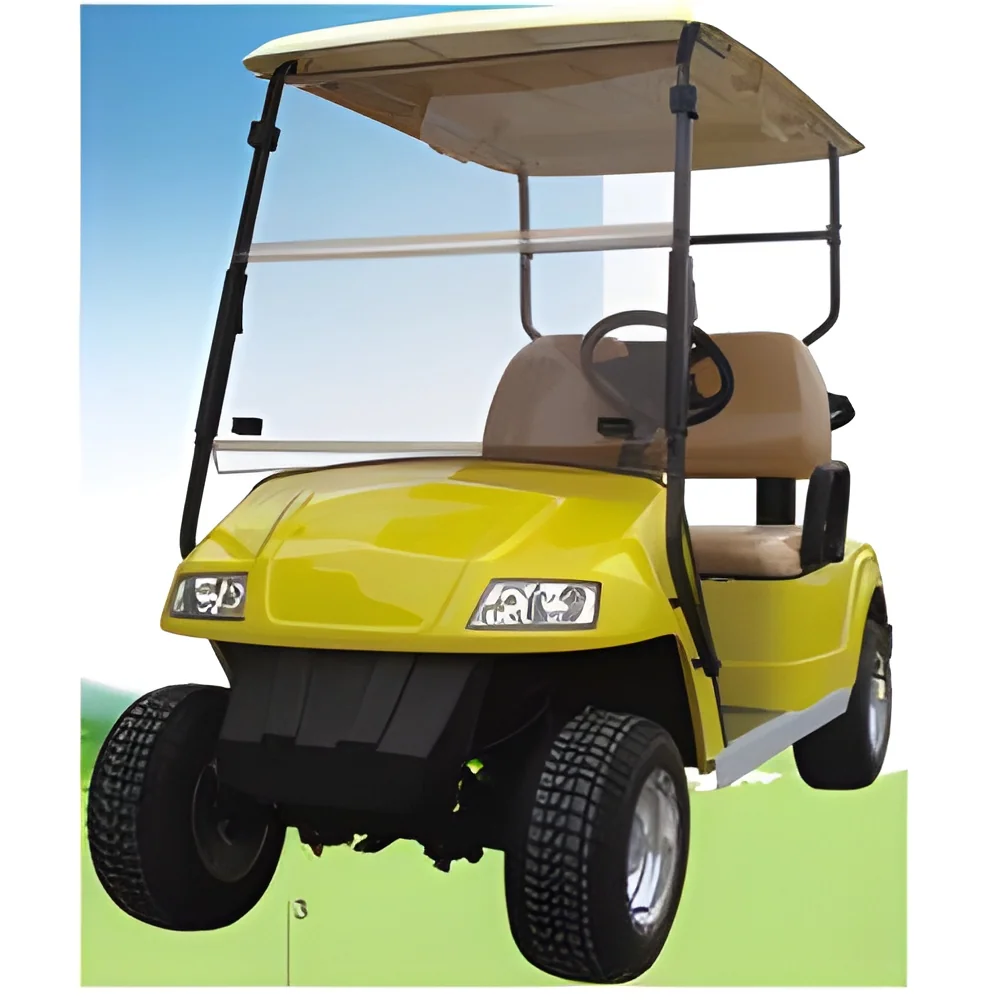
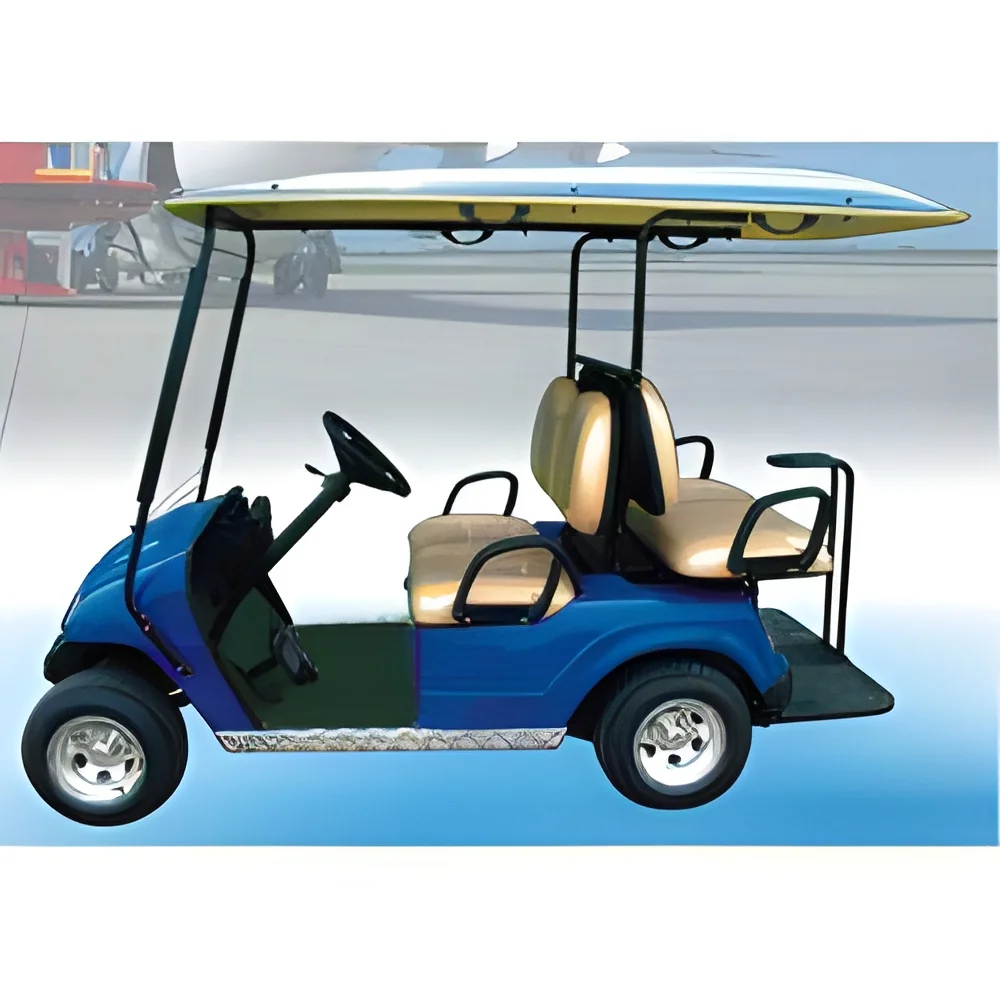
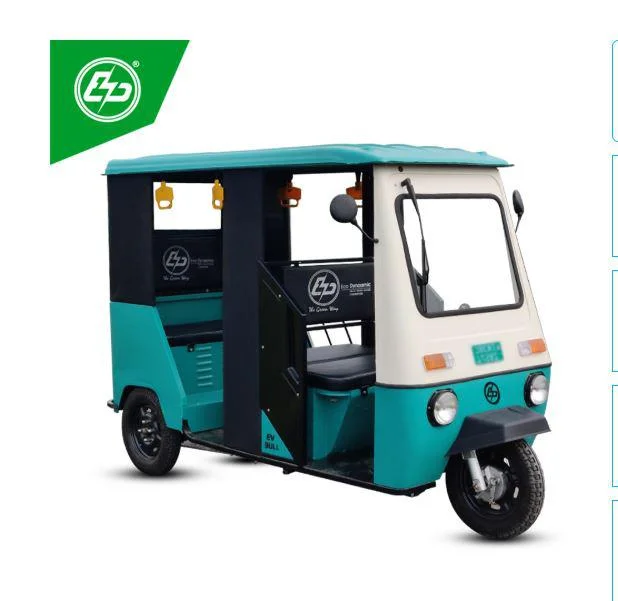
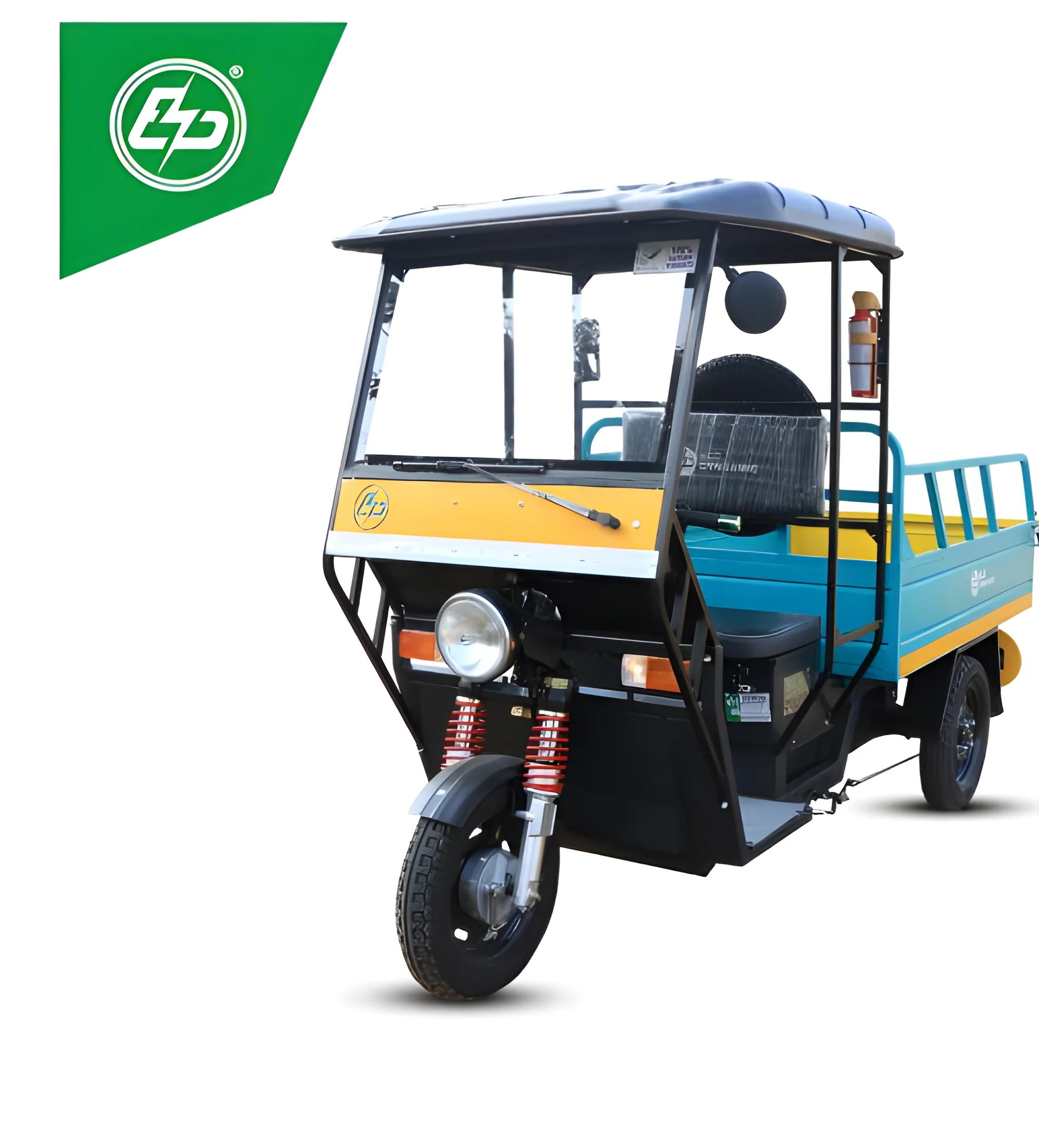
Other Electric Vehicles (EVs) encompass a broad range of electric-powered transportation options that do not fall into the typical categories of passenger cars or commercial trucks. This category may include electric buses, scooters, bicycles, and specialized vehicles used in various industrial settings. These vehicles operate on electric power, reducing reliance on fossil fuels and contributing to environmentally sustainable transportation solutions.
The primary uses of Other Electric Vehicles span diverse sectors, including public transportation, logistics, and warehousing. Electric buses provide eco-friendly public transport, while electric scooters and bicycles are increasingly used for short-distance commuting. In industrial contexts, electric vehicles are employed for material handling and in operations that require efficient, low-emission transport solutions. The relevance of Other Electric Vehicles in today's market is growing, driven by rising environmental concerns and government incentives promoting electric mobility.
๐๐ฒ๐ ๐๐ฒ๐ฎ๐๐๐ฟ๐ฒ๐ ๐ฎ๐ป๐ฑ ๐ฆ๐ฝ๐ฒ๐ฐ๐ถ๐ณ๐ถ๐ฐ๐ฎ๐๐ถ๐ผ๐ป๐
Other Electric Vehicles are equipped with a variety of features designed to enhance efficiency, usability, and safety. These specifications vary widely based on the type of vehicle and its intended application.
Key specifications include:
1. Battery Capacity
- Determines the range of the vehicle on a single charge.
- Typically ranges from 10 kWh to 300 kWh, depending on the vehicle type.
2. Charging Time
- The duration required to fully charge the battery.
- Can range from 30 minutes for fast chargers to several hours for standard chargers.
3. Range per Charge
- The distance that can be traveled before needing to recharge.
- Often varies from 50 miles for small scooters to over 300 miles for larger buses.
4. Maximum Speed
- The top speed the vehicle can achieve.
- Generally ranges from 15 mph for scooters to 70 mph for electric buses.
5. Load Capacity
- The maximum weight the vehicle can carry.
- This can vary significantly, with scooters handling a few hundred pounds and electric trucks managing several tons.
6. Safety Features
- Essential components that enhance rider and pedestrian safety.
- May include regenerative braking, stability control, and collision avoidance systems.
7. Environmental Impact
- The vehicle's emissions and energy consumption.
- Electric vehicles typically produce zero tailpipe emissions.
8. Customization Options
- Availability of tailored features to meet specific business needs.
- Many manufacturers offer customizable designs and functionalities.
In summary, Other Electric Vehicles offer a range of specifications that cater to different operational needs, making them a versatile choice in various industries.
๐๐ผ๐บ๐บ๐ผ๐ป ๐๐ฝ๐ฝ๐น๐ถ๐ฐ๐ฎ๐๐ถ๐ผ๐ป๐ ๐ฎ๐ป๐ฑ ๐จ๐๐ฒ ๐๐ฎ๐๐ฒ๐
Other Electric Vehicles are utilized across multiple industries, each with unique applications.
1. Public Transportation: Electric buses are employed in urban settings to reduce emissions and provide efficient public transport options.
2. Delivery Services: Electric vans and trucks are increasingly used for last-mile delivery, offering a sustainable alternative to traditional fossil fuel vehicles.
3. Warehousing: Electric forklifts and pallet jacks are commonly used in warehouses for material handling, contributing to lower operational costs and reduced emissions.
4. Tourism: Electric scooters and bicycles are popular in tourist areas, providing a green option for exploring cities and attractions.
5. Agriculture: Electric utility vehicles are used in farming and agricultural settings for transporting goods and personnel across large properties.
6. Logistics: Electric trucks are being adopted for freight transport, contributing to greener supply chains.
7. Emergency Services: Electric vehicles are finding applications in emergency response scenarios, providing rapid, low-noise transportation.
๐ฃ๐ฟ๐ผ๐ฑ๐๐ฐ๐ ๐ฉ๐ฎ๐ฟ๐ถ๐ฎ๐ป๐๐ ๐ฎ๐ป๐ฑ ๐ฆ๐๐ฏ๐ฐ๐ฎ๐๐ฒ๐ด๐ผ๐ฟ๐ถ๐ฒ๐
The diversity of Other Electric Vehicles allows for various options tailored to specific business needs.
Electric Buses: These vehicles are designed for public transport systems, offering high capacity and environmentally friendly operation.
Electric Scooters: Used for short-distance travel, these lightweight vehicles are ideal for urban commuting and can often be rented by users.
Electric Forklifts: Essential in warehouses, these vehicles are designed to move heavy loads efficiently and safely within confined spaces.
Electric Delivery Vans: These vehicles are optimized for urban logistics, providing ample cargo space while minimizing environmental impact.
๐๐ฒ๐ป๐ฒ๐ณ๐ถ๐๐ ๐ฎ๐ป๐ฑ ๐๐ฑ๐๐ฎ๐ป๐๐ฎ๐ด๐ฒ๐
Sourcing Other Electric Vehicles offers numerous advantages for businesses.
1. Reduced Operating Costs: Electric vehicles typically have lower maintenance and fuel costs compared to traditional gas-powered vehicles.
2. Environmental Sustainability: By using electric power, businesses can significantly reduce their carbon footprint and contribute to environmental protection.
3. Enhanced Public Image: Companies that adopt electric vehicles often benefit from improved brand perception as environmentally responsible organizations.
4. Government Incentives: Many regions provide financial incentives for businesses to invest in electric vehicles, improving the return on investment.
5. Improved Efficiency: Electric vehicles often provide quicker acceleration and better handling, which can enhance operational efficiency.
6. Quiet Operation: Electric vehicles operate quietly, making them suitable for noise-sensitive environments such as urban areas and residential neighborhoods.
๐๐๐๐ถ๐ป๐ด ๐๐๐ถ๐ฑ๐ฒ ๐ณ๐ผ๐ฟ ๐๐ฎ๐ ๐๐๐๐ฒ๐ฟ๐
When sourcing Other Electric Vehicles, buyers should consider several critical factors to ensure a successful purchase.
1. Quality Assessment: Evaluate the build quality and reliability of the vehicles. Research manufacturers and their production processes to ensure compliance with industry standards.
2. Supplier Verification: Conduct thorough checks to ensure suppliers are reputable. Look for reviews, certifications, and case studies to validate their credibility.
3. Pricing and MOQ: Understand the pricing structure and minimum order quantities. Negotiate terms that align with your budget and operational needs.
4. Delivery and Lead Times: Confirm lead times for delivery to ensure that vehicles arrive when needed. This is particularly important for time-sensitive projects.
5. Compliance Requirements: Be aware of regulatory requirements governing electric vehicles in your region. Ensure that the vehicles comply with relevant standards and certifications.
๐๐ผ๐บ๐ฝ๐น๐ถ๐ฎ๐ป๐ฐ๐ฒ ๐ฎ๐ป๐ฑ ๐๐ฒ๐ฟ๐๐ถ๐ณ๐ถ๐ฐ๐ฎ๐๐ถ๐ผ๐ป๐
Compliance with industry standards is essential for Other Electric Vehicles. Many manufacturers adhere to quality standards like ISO 9001, which outlines requirements for a quality management system. This ensures that the vehicles are produced consistently and meet customer expectations.
Additionally, certifications such as CE (Conformitรฉ Europรฉenne) demonstrate compliance with European safety and environmental requirements. These certifications are vital for market acceptance and can enhance the credibility of the products.
Safety and testing requirements also play a crucial role, as electric vehicles must undergo rigorous assessments to ensure they are safe for public and industrial use. Regional compliance considerations, such as local environmental regulations, must also be addressed to ensure that the vehicles can be legally operated in specific markets.
๐ช๐ต๐ ๐ฆ๐ผ๐๐ฟ๐ฐ๐ฒ ๐ข๐๐ต๐ฒ๐ฟ ๐๐น๐ฒ๐ฐ๐๐ฟ๐ถ๐ฐ ๐ฉ๐ฒ๐ต๐ถ๐ฐ๐น๐ฒ๐ ๐ณ๐ฟ๐ผ๐บ ๐ฃ๐ฒ๐ฝ๐ฎ๐ด๐ผ๐ฟ๐ฎ?
Pepagora offers a trusted platform for sourcing Other Electric Vehicles with several key advantages.
Verified Supplier Network: Pepagora connects buyers with a network of verified suppliers. This ensures that all vendors meet high standards for quality and reliability.
Streamlined RFQ Process: The Request for Quotation (RFQ) process is designed to be efficient and user-friendly. Buyers can quickly obtain quotes from multiple suppliers, facilitating informed decision-making.
Trade Assurance and Support: Pepagora provides trade assurance, ensuring that buyers are protected throughout the purchasing process. This includes support for resolving any issues that may arise.
Regional Coverage: With a strong presence in India, the GCC, and Southeast Asia, Pepagora ensures that buyers can access a wide range of products and suppliers across various regions. This geographic reach enhances the availability of Other Electric Vehicles tailored to diverse operational needs.