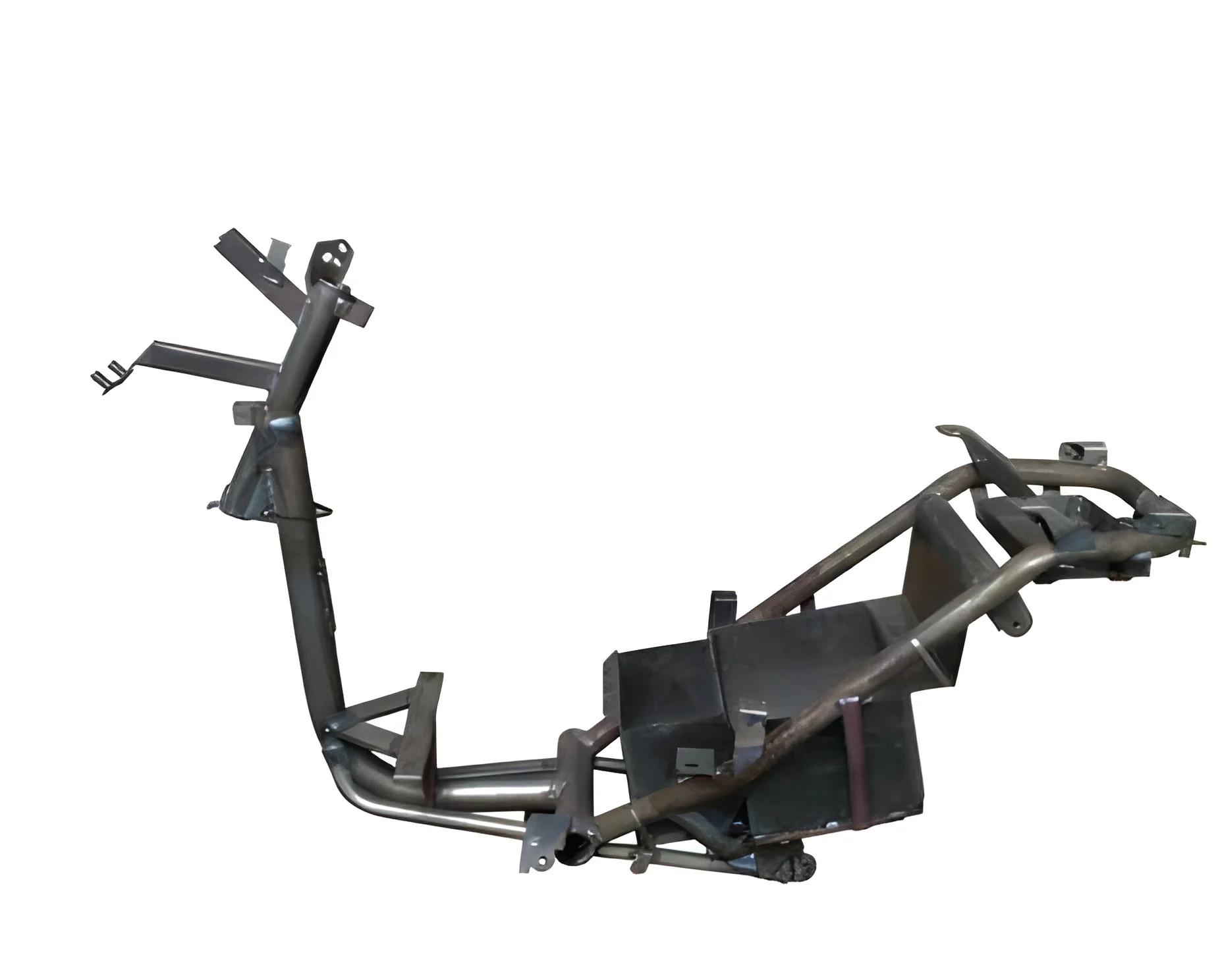
What are EV OEM Manufacturers?
EV OEM manufacturers are companies that produce original equipment for electric vehicles (EVs). These manufacturers design, engineer, and manufacture components and systems essential for the performance and functionality of electric vehicles. This includes batteries, electric motors, control systems, and charging infrastructure, among other parts. By focusing on electric vehicles, these manufacturers play a crucial role in the shift towards sustainable transportation.
The primary business applications of EV OEM manufacturers include supplying parts to automotive companies, collaborating on vehicle development, and providing specialized components for various electric vehicle models. As demand for electric vehicles grows, these manufacturers are also exploring innovative technologies to enhance efficiency and performance. Their role is increasingly relevant in the context of global efforts to reduce carbon emissions and transition to greener technologies.
In the current market, the electric vehicle sector is expanding rapidly, driven by a combination of consumer demand, government incentives, and technological advancements. EV OEM manufacturers are at the forefront of this transformation, influencing the future of the automotive industry. Their contributions are vital in shaping the infrastructure and technology that will support widespread electric vehicle adoption.
Key Features and Specifications
EV OEM manufacturers offer a range of key features and specifications that are essential for the production of electric vehicles. These specifications ensure that the components meet the performance, safety, and regulatory standards required in the industry.
Key specifications include:
1. Battery Capacity
- Determines the range and performance of the electric vehicle
- Typically measured in kilowatt-hours (kWh)
2. Motor Power Output
- Influences the acceleration and speed capabilities of the vehicle
- Measured in kilowatts (kW)
3. Charging Compatibility
- Refers to the types of charging systems supported
- Includes standard AC and DC charging options
4. Thermal Management Systems
- Essential for maintaining optimal operating temperatures
- Prevents overheating in battery and motor systems
5. Control Systems
- Govern the vehicle's performance and energy management
- Include software and hardware integration for optimal efficiency
6. Safety Standards
- Compliance with industry safety regulations
- Includes crash testing and electrical safety certifications
7. Lightweight Materials
- Use of advanced materials to reduce vehicle weight
- Enhances efficiency and performance
8. Customization Options
- Ability to tailor components to specific vehicle models
- Supports unique design and performance requirements
In summary, the specifications provided by EV OEM manufacturers are critical to the development of high-performance electric vehicles. These specifications help ensure that manufacturers meet the evolving demands of the automotive market.
Common Applications and Use Cases
EV OEM manufacturers serve various industries, highlighting the versatility of their products.
1. Automotive Industry: EV OEM manufacturers supply electric vehicle components to major automotive companies, contributing to the production of electric cars, trucks, and buses.
2. Public Transportation: Components from EV OEM manufacturers play a vital role in the development of electric buses and trams, enhancing public transportation options and reducing emissions.
3. Renewable Energy: Many manufacturers collaborate with renewable energy companies to create systems that integrate electric vehicles with solar and wind energy solutions.
4. Logistics and Delivery: Electric vehicles are increasingly used in logistics, with OEM manufacturers providing specialized components for electric delivery vans and trucks.
5. Fleet Management: Companies managing large fleets are turning to electric vehicles, and OEM manufacturers support these transitions with tailored solutions for fleet operation.
6. Charging Infrastructure: EV OEM manufacturers develop components for charging stations, ensuring that the infrastructure is robust and efficient for electric vehicle users.
7. Agriculture: Electric vehicles are being adopted in agricultural settings, with OEM manufacturers supplying the necessary technology for electric tractors and farm equipment.
Product Variants and Subcategories
The diversity of products offered by EV OEM manufacturers allows for tailored solutions across different applications. While subcategories are not specified, manufacturers typically provide a range of variants to meet specific industry needs.
Battery Systems
These systems are designed to provide energy storage solutions for electric vehicles, featuring advanced lithium-ion technology. They offer various capacities and configurations to suit different vehicle models.
Electric Drive Units
Electric drive units consist of integrated electric motors and control systems, enhancing vehicle performance and efficiency. They are designed for easy installation in various electric vehicle platforms.
Charging Solutions
Manufacturers offer charging solutions that include home chargers and commercial charging stations. These products are designed for compatibility with a wide range of electric vehicles and support fast charging capabilities.
Benefits and Advantages
Choosing EV OEM manufacturers comes with several advantages that support businesses in the electric vehicle sector.
Key benefits include:
1. Enhanced Vehicle Performance: High-quality components lead to improved efficiency and performance of electric vehicles, meeting consumer expectations.
2. Innovation and Technology: EV OEM manufacturers invest in research and development, providing cutting-edge technology that keeps pace with industry advancements.
3. Customization Capabilities: Manufacturers often offer tailored solutions to meet the specific needs of their clients, enhancing product relevance.
4. Compliance with Standards: Reliable manufacturers ensure their products meet industry regulations and safety standards, reducing risks for buyers.
5. Sustainable Practices: Many EV OEM manufacturers prioritize sustainability in their production processes, aligning with broader environmental goals.
6. Strong Supplier Relationships: Partnering with established manufacturers can lead to better supply chain stability and reliability.
Buying Guide for B2B Buyers
When sourcing EV OEM manufacturers, it is essential to consider various factors that can influence your purchasing decision.
1. Quality Assessment: Evaluate the quality of products by reviewing certifications and customer feedback. High-quality components are crucial for the performance and safety of electric vehicles.
2. Supplier Verification: Conduct thorough background checks on potential suppliers to ensure they have a solid reputation and track record in the industry.
3. Pricing and MOQ: Understand the pricing structures and minimum order quantities associated with different manufacturers. This helps in budgeting and planning your procurement strategy.
4. Delivery and Lead Times: Inquire about logistics and expected delivery times. Timely delivery is critical for maintaining production schedules and meeting market demands.
5. Compliance Requirements: Ensure that the manufacturers comply with relevant regulatory standards and certifications. This is vital for the legality and safety of the products.
Compliance and Certifications
Compliance and certifications are critical aspects of the operations of EV OEM manufacturers. Relevant quality standards play a significant role in ensuring that products meet industry expectations.
ISO 9001 is a common quality management standard indicating that manufacturers follow systematic processes to ensure quality. Compliance with this standard can enhance product reliability.
The CE marking indicates conformity with health, safety, and environmental protection standards for products sold within the European Economic Area. This certification is vital for manufacturers aiming to export to European markets.
Safety and testing requirements must be adhered to by manufacturers to ensure that their products are safe for consumers. This includes rigorous testing of components under various conditions.
Regional compliance considerations vary by market. Manufacturers must be aware of local regulations regarding electric vehicle components to ensure compliance in different regions.
Why Source EV OEM Manufacturers from Pepagora?
Pepagora provides a trusted platform for sourcing EV OEM manufacturers, offering several key advantages for businesses in the electric vehicle sector.
Verified Supplier Network: Pepagora has established a comprehensive network of verified suppliers. This ensures that buyers can connect with reputable manufacturers who meet high standards.
Streamlined RFQ Process: The platform features an efficient request for quotation system, making it easier for buyers to obtain competitive pricing and terms from multiple suppliers.
Trade Assurance and Support: Pepagora offers trade assurance and support services to protect buyers throughout the purchasing process. This provides peace of mind when engaging with new suppliers.
Regional Coverage: With a presence in India, the GCC, and Southeast Asia, Pepagora provides geographical reach that connects buyers with manufacturers across key markets. This wide coverage helps in finding the right partners for specific business needs.

 IN
IN