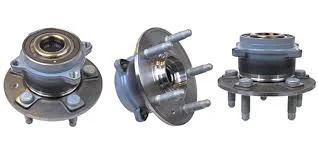
What are EV Assemblers?
EV Assemblers are specialized equipment designed for the assembly of electric vehicles (EVs). These machines integrate various components such as batteries, electric motors, control systems, and chassis to create fully functional electric vehicles. The assembly process can vary based on the vehicle type and manufacturer specifications, but EV Assemblers play a critical role in ensuring precision and efficiency in production.
The primary use of EV Assemblers is in automotive manufacturing plants where electric vehicles are produced. They facilitate the assembly process, significantly reducing the time and labor required to build each vehicle. Businesses engaged in electric vehicle production rely on these machines to maintain high standards of quality and performance, catering to the rising demand for sustainable transportation solutions in the market. As the electric vehicle industry continues to grow, the relevance of EV Assemblers is becoming increasingly important, supporting manufacturers in meeting consumer expectations and regulatory requirements.
Key Features and Specifications
EV Assemblers come equipped with advanced features designed to enhance the assembly process of electric vehicles. Their specifications vary depending on the model and manufacturer, but generally include a combination of mechanical, electrical, and software components that optimize performance.
Key specifications include:
1. Assembly Speed
- Determines how quickly the assembler can complete each vehicle.
- Typically ranges from 10 to 30 vehicles per hour depending on complexity.
2. Precision Tolerance
- Refers to the accuracy of assembly, crucial for vehicle functionality.
- Tolerance levels can be as tight as 0.01 mm for critical components.
3. Automation Level
- Indicates the degree of automation in the assembly process.
- Ranges from semi-automated to fully automated systems.
4. Compatibility
- Refers to the types of electric vehicle models that can be assembled.
- Many assemblers are designed to accommodate multiple models or brands.
5. Safety Features
- Includes emergency stop systems, safety guards, and sensors.
- Ensures operator safety during operation.
6. Control Systems
- Encompasses software that monitors and controls the assembly process.
- Features may include real-time data tracking and analysis.
7. Energy Efficiency
- Measures the energy consumption of the assembler.
- Designed to minimize power usage while maximizing output.
8. Maintenance Requirements
- Outlines the maintenance needed to keep the assembler in optimal condition.
- Regular checks and servicing are recommended to prevent downtime.
In summary, EV Assemblers are equipped with vital features and specifications that enhance the efficiency and reliability of electric vehicle production, making them indispensable in the automotive manufacturing sector.
Common Applications and Use Cases
EV Assemblers serve various industries beyond just automotive manufacturing, demonstrating their versatility.
1. Automotive Industry: EV Assemblers are primarily used in electric vehicle manufacturing, integrating batteries and electric drivetrains into vehicle platforms.
2. Renewable Energy: These assemblers are also utilized in the production of electric vehicles used for energy generation and storage solutions, supporting sustainable energy initiatives.
3. Public Transportation: Many cities are adopting electric buses and vans, with EV Assemblers playing a key role in their production, contributing to reduced emissions in urban areas.
4. Logistics and Delivery: Electric delivery vehicles are on the rise, and EV Assemblers facilitate the rapid production of these vehicles to meet demand in the logistics sector.
5. Industrial Applications: Some EV Assemblers are adapted for manufacturing electric-powered forklifts and other industrial vehicles, enhancing efficiency in warehouse operations.
6. Marine Industry: The advent of electric boats has led to the use of EV Assemblers in producing electric propulsion systems for marine applications.
7. Aerospace: There is a growing interest in electric aircraft, and EV Assemblers may be employed in the production of components for these innovative technologies.
Product Variants and Subcategories
EV Assemblers come in various models to cater to different assembly needs.
Standard Model
This variant is designed for high-volume assembly of standard electric vehicles. It features automation capabilities and a user-friendly interface, making it suitable for large manufacturers.
Compact Model
Ideal for smaller operations or startups, the compact model offers essential assembly functions in a more space-efficient design. It is perfect for manufacturers looking to enter the EV market without significant upfront investment.
Custom Model
This variant allows manufacturers to tailor the assembler to specific vehicle types or production requirements. Customization options may include specialized tooling and integration with existing production lines.
Benefits and Advantages
Sourcing EV Assemblers presents several advantages for manufacturers.
1. Increased Efficiency: EV Assemblers streamline the assembly process, significantly reducing production times and labor costs.
2. Enhanced Quality Control: Precision assembly ensures that each vehicle meets strict quality standards, reducing the likelihood of defects.
3. Flexibility: Many EV Assemblers can be adapted for different vehicle models, allowing manufacturers to pivot quickly in response to market demands.
4. Reduced Environmental Impact: By facilitating the production of electric vehicles, EV Assemblers contribute to lower emissions and support sustainability initiatives.
5. Improved Safety: Advanced safety features protect operators and minimize the risk of accidents during the assembly process.
6. Competitive Advantage: Utilizing state-of-the-art EV Assemblers can give manufacturers an edge in the rapidly evolving electric vehicle market.
Buying Guide for B2B Buyers
When sourcing EV Assemblers, it is crucial for B2B buyers to consider several important factors.
1. Quality Assessment: Ensure that the EV Assemblers meet industry standards for quality and performance. Look for certifications such as CE to validate compliance.
2. Supplier Verification: Vet potential suppliers to confirm their reliability and track record. This includes checking references and reviewing past projects.
3. Pricing and MOQ: Consider the price range of EV Assemblers and understand the minimum order quantity (MOQ) requirements. This will help in budgeting and planning.
4. Delivery and Lead Times: Evaluate the logistics involved in delivering the equipment. Timely delivery is essential for maintaining project schedules.
5. Compliance Requirements: Familiarize yourself with any regulatory requirements that apply to the assembly of electric vehicles in your region, ensuring that your operations remain compliant.
Compliance and Certifications
EV Assemblers must adhere to various quality and safety standards to ensure reliability and efficiency in production.
Relevant quality standards such as ISO 9001 help ensure that manufacturers implement effective quality management systems. This certification indicates a commitment to maintaining high quality in production processes.
Industry certifications, like CE, are crucial as they demonstrate compliance with European safety standards. This certification is necessary for selling products in the European market and assures buyers of the safety and efficacy of the equipment.
Safety and testing requirements are paramount in the assembly process. Manufacturers must conduct thorough testing of the machines to ensure they operate safely under all conditions.
Regional compliance considerations vary based on geographic location. Manufacturers should stay informed about local regulations to avoid penalties and ensure smooth operation.
Why Source EV Assemblers from Pepagora?
Pepagora provides a trusted platform for sourcing EV Assemblers with several key advantages that cater to B2B buyers.
The verified supplier network ensures that buyers connect with reputable manufacturers. Each supplier undergoes a rigorous verification process, providing confidence in the quality and reliability of their products.
The streamlined RFQ process simplifies the quotation system, allowing buyers to request and receive multiple quotes efficiently. This helps in comparing options and making informed purchasing decisions.
Trade assurance and support from Pepagora protect buyers throughout the procurement process. This includes assistance with negotiations and after-sales support, ensuring a smooth transaction.
Lastly, regional coverage across India, the GCC, and Southeast Asia ensures that Pepagora can meet the diverse needs of manufacturers in various markets, facilitating efficient sourcing of EV Assemblers tailored to local requirements.

 IN
IN