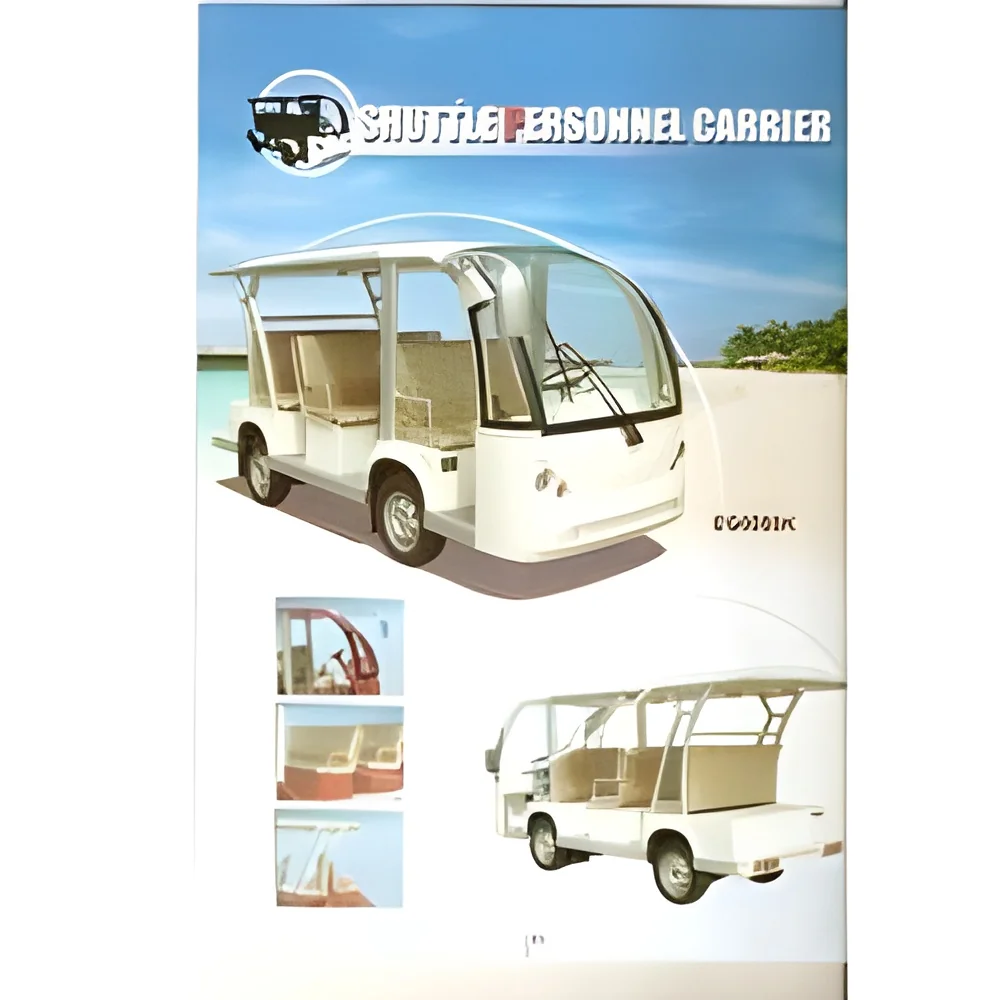
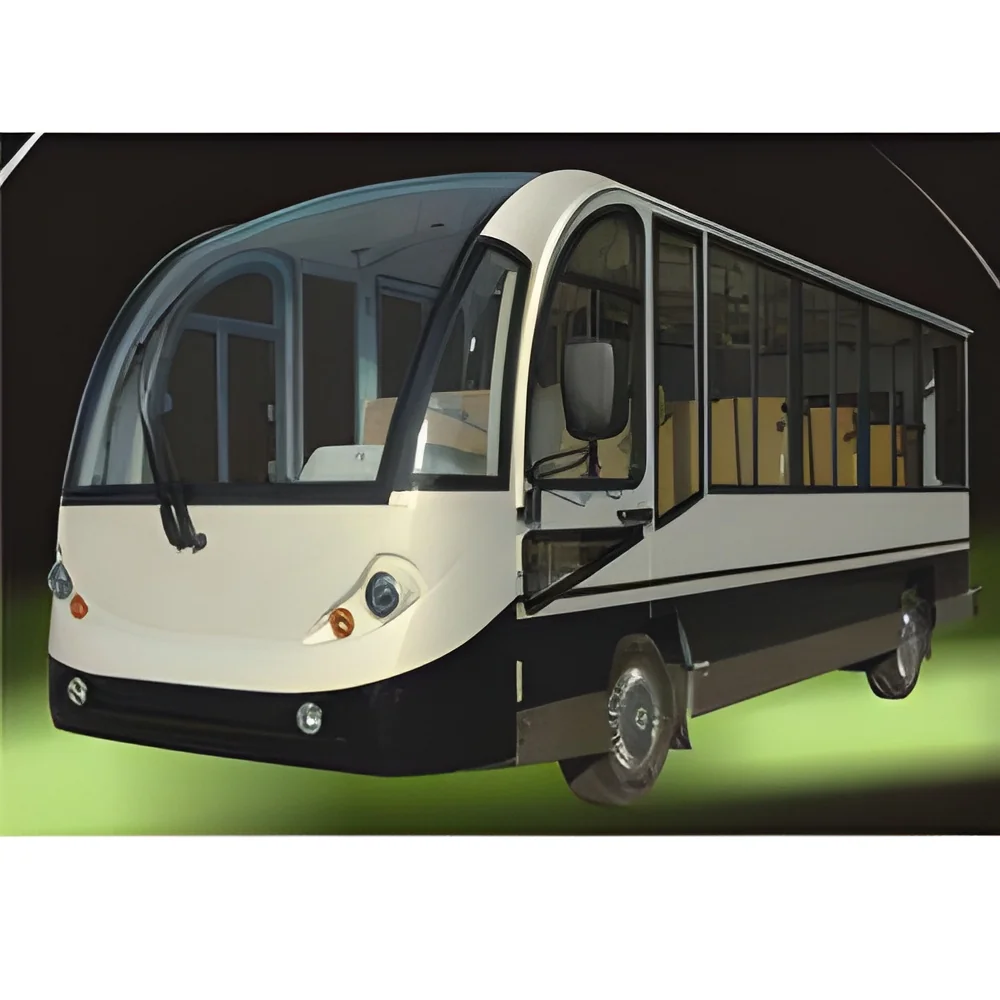
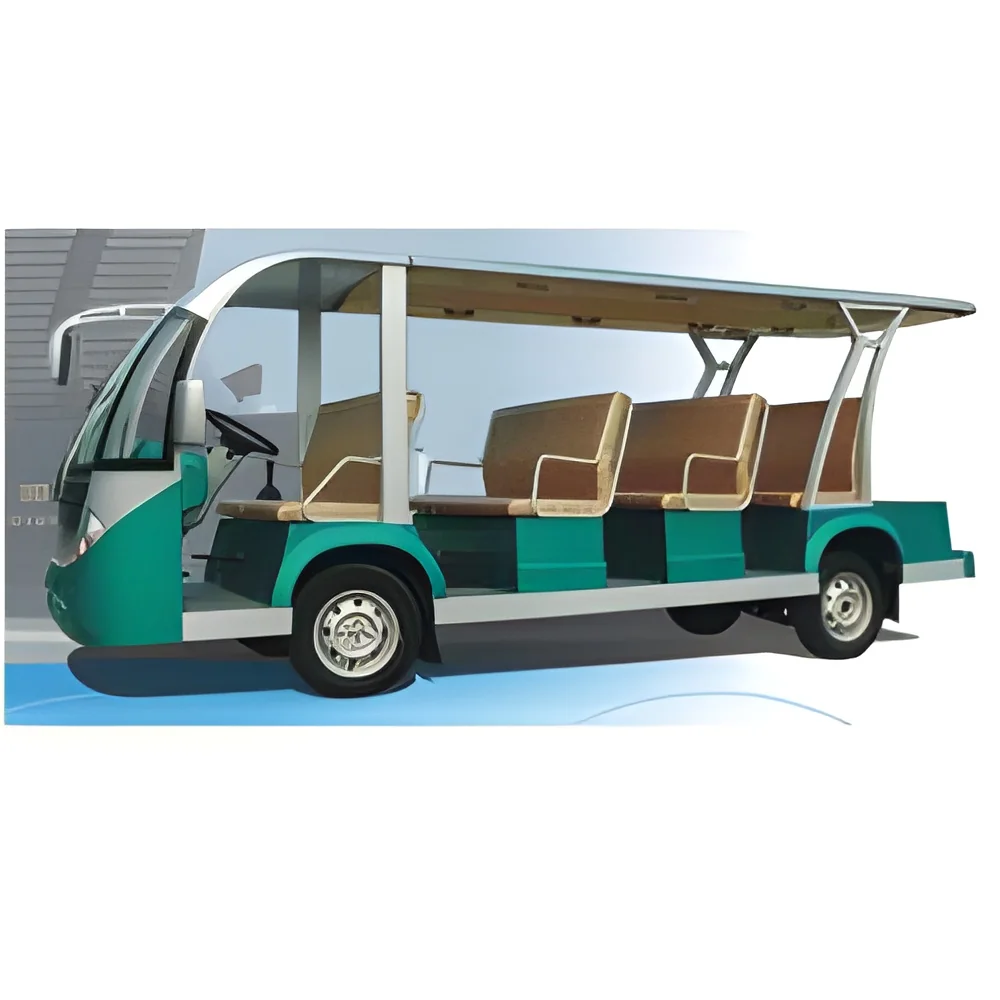
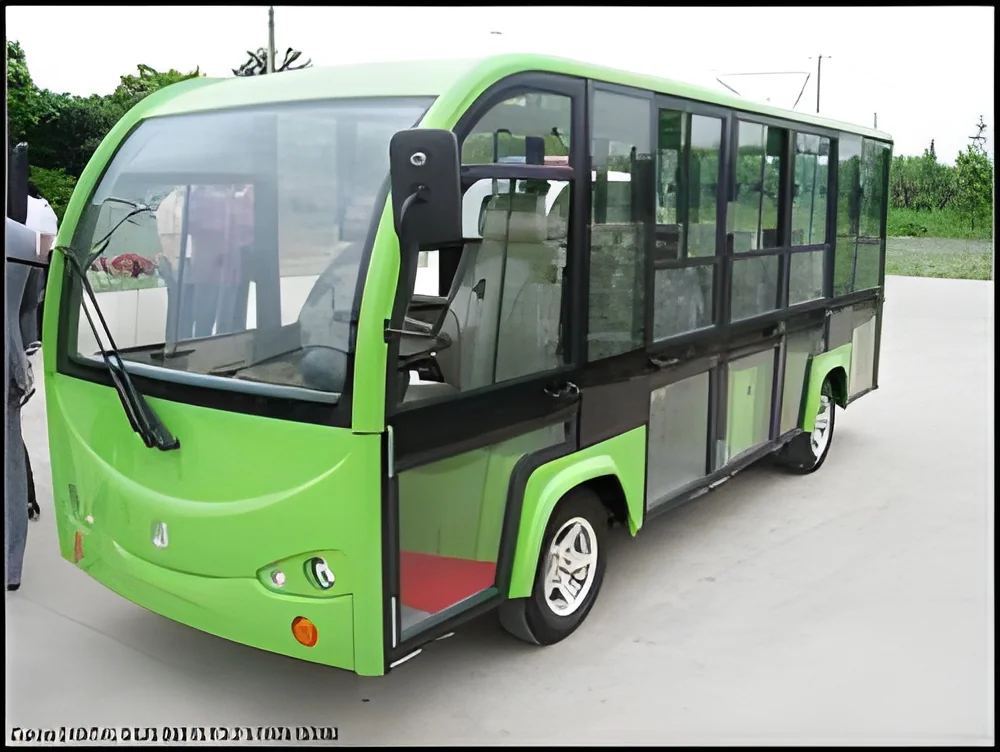
What are Electric Buses?
Electric buses are vehicles powered entirely by electric energy, usually stored in onboard batteries. Unlike traditional buses that rely on diesel or gasoline, electric buses operate using electric motors, which are more efficient and produce zero tailpipe emissions. These vehicles are designed to transport passengers in urban settings and are a crucial component in the transition to sustainable public transportation.
Electric buses are primarily used in public transit systems, school districts, and commercial fleets. They are ideal for short to medium-distance travel and can significantly reduce operating costs associated with fuel and maintenance. Additionally, electric buses contribute to improved air quality in cities by limiting harmful emissions. As cities worldwide seek to reduce their carbon footprint, the relevance of electric buses in the transportation sector continues to grow, with an expanding market for manufacturers and suppliers.
Key Features and Specifications
Electric buses come with various features that enhance performance, safety, and efficiency. These specifications not only define the buses’ capabilities but also ensure they meet the needs of operators and passengers alike.
Key specifications include:
1. Battery Capacity
- Essential for determining range and performance.
- Typically ranges from 200 kWh to 600 kWh.
2. Range
- The distance an electric bus can travel on a single charge.
- Usually falls between 150 miles to 300 miles.
3. Charging Time
- The duration required to recharge the battery.
- Fast charging can take around 1-4 hours depending on the system.
4. Passenger Capacity
- Determines the number of passengers the bus can accommodate.
- Generally ranges from 30 to 100 passengers.
5. Weight Capacity
- The maximum weight the bus can carry including passengers and cargo.
- Often specified between 14,000 lbs to 30,000 lbs.
6. Motor Power
- Refers to the power output of the electric motor.
- Commonly ranges from 150 kW to 400 kW.
7. Regenerative Braking
- A feature that recaptures energy during braking.
- Helps enhance overall efficiency and extend the range.
8. Safety Features
- Includes systems such as automatic braking and stability control.
- Aimed at ensuring passenger safety and operational reliability.
Electric buses are designed to meet rigorous standards, making them an excellent choice for modern public transportation solutions.
Common Applications and Use Cases
Electric buses serve a variety of industries and applications, making them versatile vehicles for many businesses.
1. Public Transportation: Electric buses are increasingly used in city transit systems to reduce emissions and improve air quality.
2. School Districts: Many school systems are adopting electric buses to enhance student safety and reduce operational costs.
3. Corporate Fleets: Companies are utilizing electric buses to transport employees, promoting sustainability and reducing their carbon footprints.
4. Tourism: Electric buses are becoming popular in tourist hotspots, providing eco-friendly transportation for visitors.
5. Shuttle Services: Businesses and hotels are incorporating electric buses into their shuttle services for guests, highlighting their commitment to sustainability.
6. Last-Mile Delivery: Electric buses can be adapted for last-mile delivery services, offering efficient and clean transport solutions.
7. Events and Festivals: Organizers are using electric buses for transporting attendees, emphasizing green initiatives at large gatherings.
Product Variants and Subcategories
Electric buses come in various configurations to cater to different operational needs.
City Bus Model
This variant is designed for urban environments, featuring low floor access for easy passenger entry and exit. It typically accommodates a larger number of passengers for high-density routes.
School Bus Model
Tailored for school districts, this variant often includes additional safety features and is designed to transport children efficiently. It focuses on reliability and comfort for young passengers.
Shuttle Bus Model
Ideal for short-distance travel, shuttle buses are compact and designed for quick loading and unloading. They are often used in corporate settings or airports.
Benefits and Advantages
Electric buses provide numerous benefits that appeal to businesses and governmental organizations.
Key benefits include:
1. Environmental Impact: Electric buses produce zero emissions, contributing to cleaner air and reduced greenhouse gases.
2. Cost Savings: Lower fuel and maintenance costs can lead to significant savings for operators over time.
3. Noise Reduction: Electric buses operate quietly, which enhances the urban experience and reduces noise pollution.
4. Reliability: Electric buses typically have fewer moving parts compared to diesel buses, leading to greater reliability and lower downtime.
5. Government Incentives: Many regions offer incentives for adopting electric vehicles, which can lower the upfront costs.
6. Enhanced Passenger Comfort: Electric buses often provide smoother rides due to the quiet operation of electric motors.
Buying Guide for B2B Buyers
When sourcing electric buses, it is essential for buyers to consider several critical factors to ensure a smart investment.
1. Quality Assessment: Evaluate the materials, build quality, and technology used in the electric buses. Check for industry standards and customer reviews to gauge reliability.
2. Supplier Verification: Conduct thorough background checks on suppliers. Look for certifications and references from other clients to ensure they have a good reputation.
3. Pricing and MOQ: Understand the price range for electric buses and inquire about the minimum order quantity. Compare quotes from different suppliers to find the best deal.
4. Delivery and Lead Times: Discuss logistics and delivery timelines to ensure the buses will arrive when needed. Factor in possible delays that may arise during shipping.
5. Compliance Requirements: Ensure that the electric buses meet regional regulations and safety standards. This includes checking for necessary certifications such as CE.
Compliance and Certifications
Compliance with industry regulations and quality standards is crucial for electric buses. Manufacturers often adhere to ISO 9001, which ensures effective quality management systems. Compliance with HACCP and GDP may also be relevant depending on specific applications.
Electric buses commonly possess CE certification, indicating that they meet European safety, health, and environmental protection standards. This certification is essential for market acceptance in various regions.
Safety and testing requirements for electric buses include rigorous assessments of battery performance, motor efficiency, and overall vehicle integrity. Regional compliance considerations may vary, so it is vital for manufacturers to stay updated with local regulations regarding electric vehicle standards.
Why Source Electric Buses from Pepagora?
Pepagora offers a reliable platform for sourcing electric buses, providing several advantages to B2B buyers.
Verified Supplier Network: Pepagora connects buyers with a network of verified suppliers. This ensures that buyers are dealing with reputable manufacturers who meet quality standards.
Streamlined RFQ Process: The platform simplifies the request for quotation process, allowing buyers to receive multiple quotes swiftly. This efficiency helps in making informed decisions quickly.
Trade Assurance and Support: Pepagora provides trade assurance, ensuring that buyers are protected during transactions. Support services are available to assist with any queries or issues.
Regional Coverage: With a strong presence in India, the GCC, and Southeast Asia, Pepagora enables buyers to access electric buses across diverse markets, catering to different regional needs.

 IN
IN