What are Electric Bicycles (E-Bikes)?
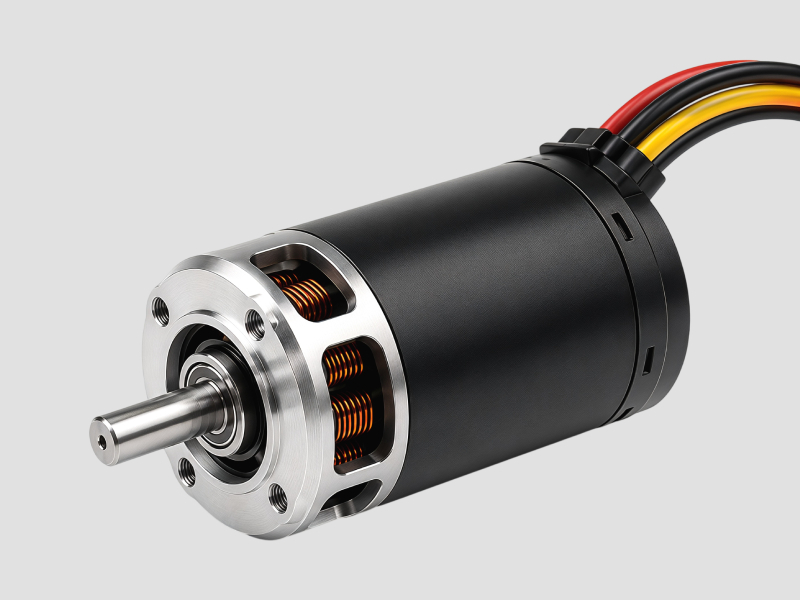
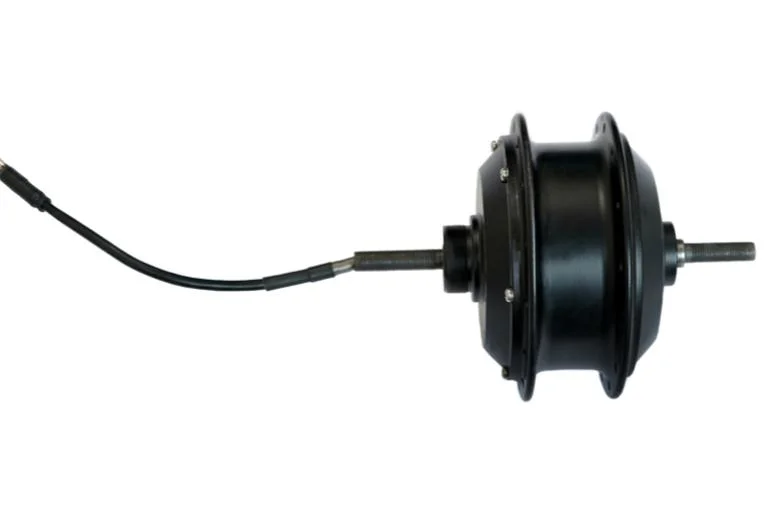
Electric bicycles, commonly known as e-bikes, are bicycles equipped with an electric motor that assists the rider's pedal power. This technology enables riders to travel longer distances with less effort compared to traditional bicycles. E-bikes come with a rechargeable battery that powers the motor and can be used in various modes, including pedal-assist and throttle control, providing flexibility based on the rider's preference.
E-bikes have gained traction in various industries, serving as a sustainable transportation option for businesses and commuters alike. They are primarily used for delivery services, urban commuting, and recreational purposes. The ability to navigate congested urban areas efficiently makes e-bikes particularly valuable in logistics and transportation sectors. As cities focus on reducing carbon footprints, e-bikes play a crucial role in promoting eco-friendly mobility.
The market for electric bicycles is expanding rapidly, driven by increasing demand for sustainable transportation solutions. Industry players are focusing on innovation, improving battery technology, and enhancing performance features to meet consumer expectations. The growing awareness of health and wellness is also pushing the adoption of e-bikes as a viable alternative to traditional commuting methods.
𝗞𝗲𝘆 𝗙𝗲𝗮𝘁𝘂𝗿𝗲𝘀 𝗮𝗻𝗱 𝗦𝗽𝗲𝗰𝗶𝗳𝗶𝗰𝗮𝘁𝗶𝗼𝗻𝘀
Electric bicycles are designed with several key features that enhance their functionality and user experience. The specifications can vary significantly based on the model and intended use.
Key specifications include:
1. Motor Power
- Typically ranges from 250W to 750W
- Determines the level of assistance provided to the rider
2. Battery Capacity
- Commonly between 400Wh and 1000Wh
- Affects the range and duration of use on a single charge
3. Maximum Speed
- Usually limited to 20-28 mph, depending on regulations
- Influences the riding experience and suitability for different environments
4. Range per Charge
- Varies from 20 to 100 miles based on terrain and rider input
- Critical for determining the e-bike’s usability for long-distance travel
5. Frame Material
- Common materials include aluminum, steel, and carbon fiber
- Impacts the overall weight and durability of the bike
6. Weight
- Typically ranges from 40 to 70 pounds
- Affects portability and ease of handling
7. Braking System
- Can include disc brakes or rim brakes
- Essential for safety and performance in various conditions
8. Wheel Size
- Common sizes are 26”, 27.5”, and 29”
- Influences ride quality and stability
These features collectively contribute to the overall performance and user satisfaction of electric bicycles, making them suitable for a wide range of applications.
𝗖𝗼𝗺𝗺𝗼𝗻 𝗔𝗽𝗽𝗹𝗶𝗰𝗮𝘁𝗶𝗼𝗻𝘀 𝗮𝗻𝗱 𝗨𝘀𝗲 𝗖𝗮𝘀𝗲𝘀
Electric bicycles find applications across various sectors, making them versatile tools in both urban and rural settings.
1. Delivery Services: E-bikes are increasingly used by food and package delivery services to navigate traffic and reduce delivery times.
2. Public Transportation: Many cities integrate e-bikes into public transport systems, allowing commuters to cover the last mile efficiently.
3. Tourism: E-bikes serve as an eco-friendly option for guided tours and rentals in tourist areas, enhancing visitor experiences.
4. Corporate Fleets: Businesses are adopting e-bikes for employee transportation, promoting sustainability and wellness.
5. Emergency Services: Some emergency response units utilize e-bikes for rapid deployment in congested areas.
6. Recreational Use: E-bikes are popular among outdoor enthusiasts for exploring trails and parks with less physical exertion.
7. Urban Commuting: E-bikes provide an efficient alternative for daily commuters, reducing reliance on cars and public transport.
𝗣𝗿𝗼𝗱𝘂𝗰𝘁 𝗩𝗮𝗿𝗶𝗮𝗻𝘁𝘀 𝗮𝗻𝗱 𝗦𝘂𝗯𝗰𝗮𝘁𝗲𝗴𝗼𝗿𝗶𝗲𝘀
Electric bicycles come in various forms, each designed for specific uses and rider preferences.
City E-Bikes: These models are designed for urban commuting, featuring a comfortable frame, integrated lights, and fenders. They emphasize practicality and ease of use in city environments.
Mountain E-Bikes: Built for off-road use, these bikes have robust tires, enhanced suspension, and powerful motors. They are ideal for trail riding and rugged terrain.
Folding E-Bikes: These compact models can be easily folded for storage and transport. They are perfect for city dwellers with limited space or for those who travel frequently.
Cargo E-Bikes: Designed to carry heavy loads, these models come with sturdy frames and additional carrying capacity. They are ideal for businesses needing to transport goods.
𝗕𝗲𝗻𝗲𝗳𝗶𝘁𝘀 𝗮𝗻𝗱 𝗔𝗱𝘃𝗮𝗻𝘁𝗮𝗴𝗲𝘀
Electric bicycles offer numerous advantages for businesses and individual users alike.
1. Environmental Impact: E-bikes produce zero emissions, contributing to cleaner air and reduced carbon footprints.
2. Cost Efficiency: They offer lower operational costs compared to traditional vehicles, including savings on fuel and maintenance.
3. Health Benefits: Riding an e-bike promotes physical activity, improving overall health and wellbeing.
4. Flexibility: E-bikes can be used in various modes, allowing riders to choose the level of assistance based on their needs.
5. Time Savings: E-bikes can navigate through traffic efficiently, reducing commute times for users.
6. Accessibility: They provide an option for those with physical limitations, allowing a broader demographic to enjoy cycling.
𝗕𝘂𝘆𝗶𝗻𝗴 𝗚𝘂𝗶𝗱𝗲 𝗳𝗼𝗿 𝗕𝟮𝗕 𝗕𝘂𝘆𝗲𝗿𝘀
When sourcing Electric Bicycles (E-Bikes), businesses should consider several critical factors to ensure they make informed purchasing decisions.
1. Quality Assessment: Examine the build quality and materials used in the construction of e-bikes. Look for models that have passed rigorous testing to ensure durability and reliability.
2. Supplier Verification: Vet potential suppliers by checking their reputation and customer feedback. A solid track record in the industry indicates reliability.
3. Pricing and MOQ: Understand the pricing structure and minimum order quantities required by suppliers to manage budgets effectively.
4. Delivery and Lead Times: Inquire about the expected delivery schedules to ensure timely availability of e-bikes for your operations.
5. Compliance Requirements: Verify that the e-bikes meet local regulatory standards and safety certifications to avoid legal issues.
𝗖𝗼𝗺𝗽𝗹𝗶𝗮𝗻𝗰𝗲 𝗮𝗻𝗱 𝗖𝗲𝗿𝘁𝗶𝗳𝗶𝗰𝗮𝘁𝗶𝗼𝗻𝘀
Electric bicycles must adhere to specific industry standards and certifications to ensure safety and quality. Relevant quality standards include ISO 9001, which addresses quality management systems, ensuring consistent quality in products and services.
In Europe, e-bikes often require CE certification, indicating compliance with health, safety, and environmental protection standards. This certification is crucial for market entry and consumer trust.
Safety and testing requirements are essential for ensuring that e-bikes perform reliably under various conditions. Manufacturers should conduct thorough testing for durability, battery safety, and performance.
Additionally, regional compliance considerations must be taken into account, as regulations may vary significantly between different countries and regions. Staying informed about these requirements is essential for manufacturers and suppliers alike.
Why Source Electric Bicycles (E-Bikes) from Pepagora?
Pepagora is a trusted platform for sourcing Electric Bicycles (E-Bikes), offering several advantages for B2B buyers.
Verified Supplier Network: Pepagora connects buyers with a network of verified suppliers, ensuring reliability and quality in the sourcing process. This verification helps businesses feel confident in their purchasing decisions.
Streamlined RFQ Process: The platform features a simplified Request for Quotation (RFQ) process, allowing buyers to compare prices and specifications easily. This efficiency saves time and resources when sourcing e-bikes.
Trade Assurance and Support: Pepagora provides trade assurance to protect buyers, ensuring that transactions are secure. The platform also offers customer support to assist with any queries during the purchasing process.
Regional Coverage: Pepagora operates across multiple regions, including India, the GCC, and Southeast Asia. This broad geographic reach allows buyers to access a diverse range of suppliers and products tailored to their local market needs.

 IN
IN