IN
IN₹
Apparel & Fashion
Loading subcategories...
View More
Description
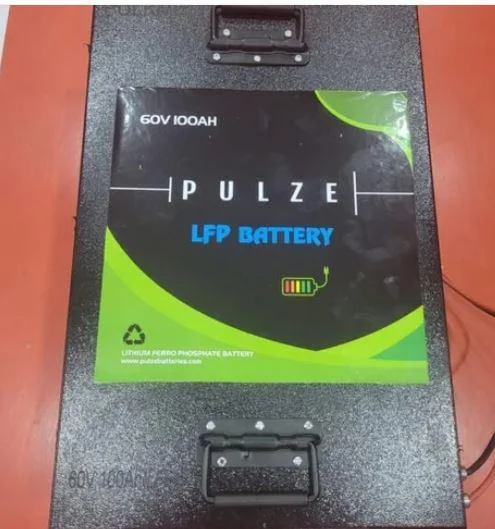
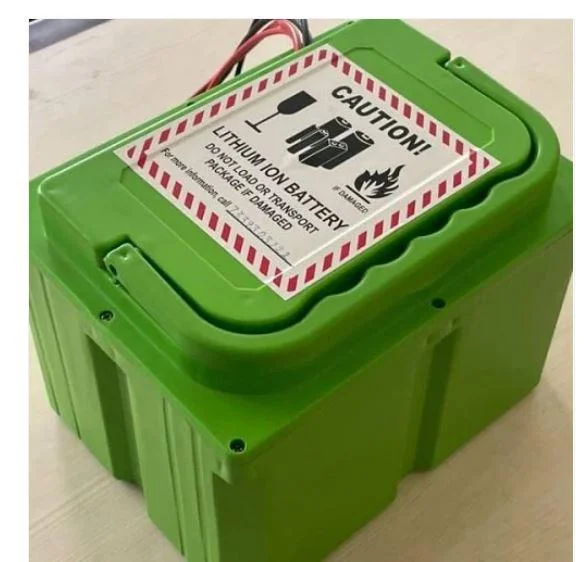
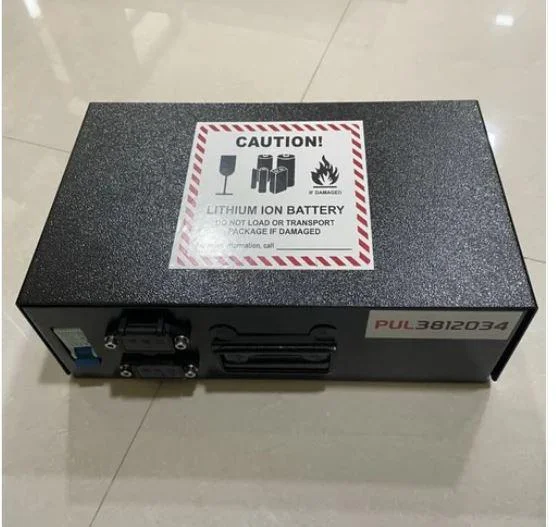
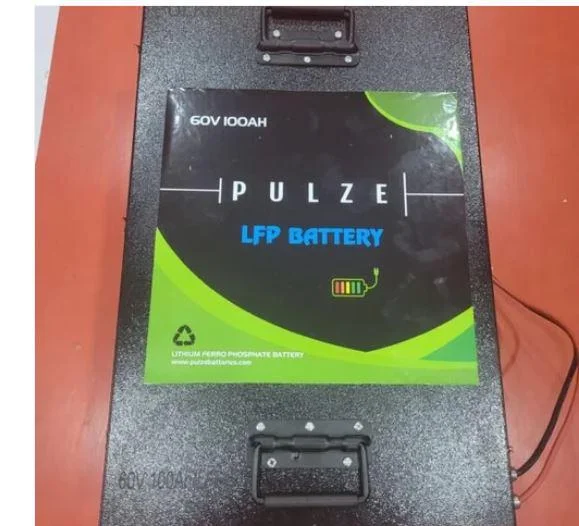
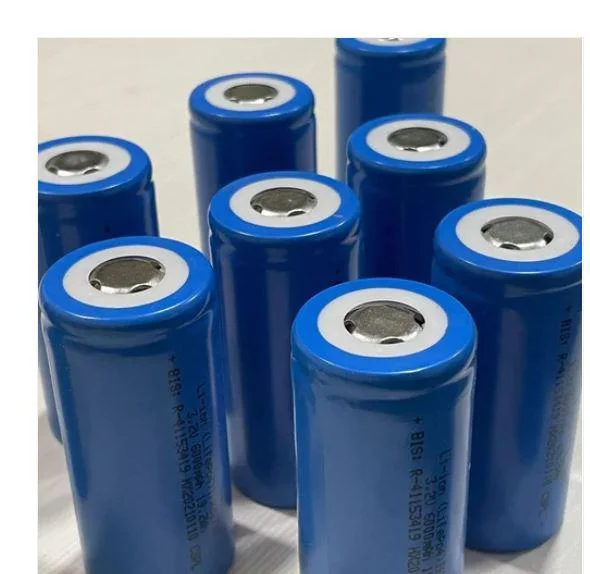
The Lithium Ferro Phosphate (LiFePO4) battery cell represents advanced energy storage technology designed for demanding applications. This high-performance cell combines long cycle life with excellent thermal stability and substantial energy density, creating a reliable power solution for various commercial and industrial uses. The chemistry provides inherent safety advantages while delivering consistent performance across thousands of charge-discharge cycles. Manufacturers have engineered these cells to meet rigorous standards, ensuring they perform reliably in diverse environmental conditions while maintaining efficiency and power output. The technology supports both high-current applications and long-duration energy storage needs with equal effectiveness.

Multiple industries utilize these battery cells for their unique combination of safety, longevity, and performance. Electric vehicle manufacturers incorporate them into powertrain systems where thermal stability and cycle life are...
The Lithium Ferro Phosphate (LiFePO4) battery cell represents advanced energy storage technology designed for demanding applications. This high-performance cell combines long cycle life with excellent thermal stability and substantial energy density, creating a reliable power solution for various commercial and industrial uses. The chemistry provides inherent safety advantages while delivering consistent performance across thousands of charge-discharge cycles. Manufacturers have engineered these cells to meet rigorous standards, ensuring they perform reliably in diverse environmental conditions while maintaining efficiency and power output. The technology supports both high-current applications and long-duration energy storage needs with equal effectiveness.

Multiple industries utilize these battery cells for their unique combination of safety, longevity, and performance. Electric vehicle manufacturers incorporate them into powertrain systems where thermal stability and cycle life are critical factors. Solar energy system integrators select these cells for residential and commercial storage applications due to their reliability and maintenance requirements. Industrial facilities employ them for backup power systems and energy management solutions where consistent performance is essential. Telecommunications companies rely on them for tower power backup, while marine and recreational vehicle applications benefit from their safety profile and durability in various environmental conditions.

The business value of these battery cells stems from their reliability and suitability for commercial applications. Their long service life reduces replacement frequency and total cost of ownership, while their thermal stability minimizes safety concerns and associated risk management costs. The consistent performance ensures predictable operation in critical systems, reducing downtime and maintenance expenses. Manufacturers appreciate the technology's maturity and proven track record in demanding applications worldwide. These differentiators make the cells a practical choice for serious buyers seeking dependable energy solutions that deliver value through extended service life and reduced operational complexities.

Key Features:
- Long cycle life with thousands of charge-discharge cycles maintaining capacity
- High energy density providing substantial power in compact form factors
- Excellent thermal stability with safe operation across temperature ranges
- Fast charging capability supporting efficient energy replenishment
- Low self-discharge rate preserving energy during storage periods

Benefits:
- Reduced total cost of ownership through extended service life and minimal maintenance
- Enhanced safety with stable chemistry that minimizes thermal runaway risks
- Consistent performance ensuring reliable power delivery across applications
- Environmental advantages with non-toxic materials and recyclable components
- Operational flexibility supporting diverse implementation scenarios and requirements
Specifications
| Additional Information | |
|---|---|
| Country of Origin | India |
| Customisable | No |
Application
This Lithium Ferro Phosphate battery cell serves as a versatile power solution across multiple sectors requiring reliable energy storage. Its stable chemistry and durable construction make it suitable for demanding environments where consistent performance is critical. The battery's design prioritizes safety and efficiency, ensuring dependable operation in various commercial and industrial settings. These characteristics make it an excellent choice for applications needing long-term, maintenance-free power solutions that deliver consistent results over thousands of cycles.
Industries benefit from this battery's ability to provide stable power in challenging conditions while maintaining safety standards. The technology supports both mobile and stationary applications where energy density and thermal management are important considerations. Manufacturers and system integrators appreciate the predictable performance that simplifies design and installation processes. This reliability translates to reduced downtime and maintenance costs for end-users across different implementation scenarios.
Real-world applications:
- Powering electric vehicles including cars, buses, and commercial fleets requiring safe, long-lasting battery performance
- Storing solar energy in residential and commercial photovoltaic systems for consistent power availability
- Providing backup power for critical infrastructure including telecommunications and data centers
- Supporting off-grid energy systems in remote locations where reliability is essential
- Enabling efficient energy management in industrial settings with peak shaving and load balancing
Trade Details
| Available Stock | In Stock |
| Sample Availability | No |
Payment Terms
| Payment Terms |
|
| Payment Methods |
|
Company Profile
Pinnacle Lithium Power, Tamil Nadu
 Tamil Nadu, India
Tamil Nadu, IndiaAutomotive & Transport•Manufacturer
Factory Details
Factory SizeBelow 1000 sqm
LiFePO4 Battery Cell For Electric Vehicles Solar Storage High Energy Density
High-performance Lithium Ferro Phosphate (LiFePO4) battery cell from reliable manufacturers offers long cycle life, high energy density, and thermal stability for electric vehicles and solar storage applications.
Min. Order Quantity: 1 piece
Shipping
Shipping fee and delivery date to be negotiated. Contact supplier now for more details.
Pinnacle Lithium Power
 Tamil Nadu, India
Tamil Nadu, IndiaAutomotive & TransportManufacturer