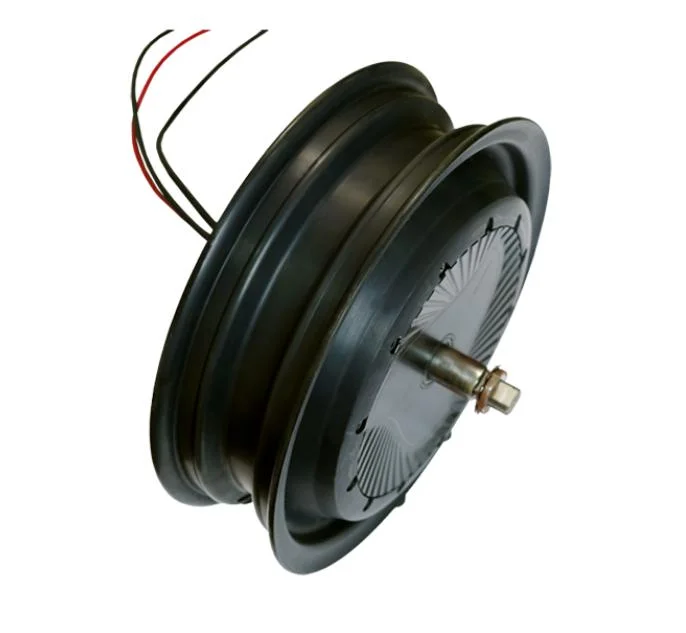
What are EV Motors & Controllers?
EV Motors and Controllers are essential components of electric vehicles, enabling efficient energy conversion and management. The EV motor is responsible for converting electrical energy into mechanical energy, propelling the vehicle. The controller manages the power flow to the motor, ensuring optimal performance and efficiency. These systems work together to provide a smooth and responsive driving experience while maximizing battery life.
Primary uses of EV motors and controllers span various applications, including electric cars, buses, motorcycles, and industrial vehicles. Businesses in the automotive sector rely on these components to innovate and produce cleaner, more efficient transportation solutions. As the market shifts towards sustainable energy, the demand for high-quality EV motors and controllers continues to rise, making them critical for manufacturers and suppliers in the automotive and technology industries.
The relevance of EV motors and controllers in today’s market cannot be overstated. With governments worldwide promoting electric mobility through incentives and regulations, the industry is expected to experience significant growth. Companies that invest in advanced EV technology are likely to gain a competitive edge, contributing to the overall shift toward environmentally friendly transportation.
Key Features and Specifications
EV motors and controllers come with a range of features and specifications that cater to diverse business needs. These specifications are crucial for ensuring the performance, reliability, and efficiency of electric vehicles.
Key specifications include:
1. Power Output
- This specification indicates the maximum power that the motor can deliver.
- Typical ranges vary from 50 kW to 300 kW, depending on the application.
2. Voltage Rating
- The voltage rating determines the motor's compatibility with various battery systems.
- Common voltage ranges include 48V, 72V, and 120V.
3. Efficiency Rating
- Efficiency indicates how well the motor converts electrical energy into mechanical energy.
- High efficiency ratings can exceed 95%, minimizing energy loss.
4. Torque Rating
- Torque is critical for acceleration and overall vehicle performance.
- Ratings can vary widely, usually between 150 Nm to 600 Nm.
5. Controller Type
- Different controllers manage power delivery based on the motor type.
- Types include Field Oriented Control (FOC) and Pulse Width Modulation (PWM).
6. Cooling Method
- Effective cooling systems are essential for maintaining performance.
- Options include air cooling, liquid cooling, or a combination.
7. Weight
- The weight of the motor and controller impacts the overall vehicle performance.
- Lightweight options are preferred for efficiency.
8. Safety Features
- Integrated safety features protect the system from overloads and faults.
- These may include thermal protection and fault detection systems.
In summary, understanding these specifications helps businesses select the right EV motors and controllers tailored to their specific applications and operational requirements.
Common Applications and Use Cases
EV motors and controllers are utilized across a range of industries, reflecting their versatility and importance in modern technology.
1. Automotive Industry: Electric cars rely on efficient motors and controllers for propulsion and energy management, enhancing performance and sustainability.
2. Public Transportation: Electric buses and trams use these components to reduce emissions while providing reliable and efficient public transport solutions.
3. Industrial Vehicles: Forklifts and warehouse vehicles leverage electric motors for their low operating costs and environmental benefits, making them ideal for indoor operations.
4. Two-Wheeled Vehicles: Electric motorcycles and scooters benefit from compact and lightweight motors, ensuring agility and energy efficiency for urban commuting.
5. Agricultural Machinery: Electric tractors and farm equipment utilize powerful motors and controllers, providing farmers with eco-friendly alternatives to traditional diesel engines.
6. Marine Applications: Electric motors are increasingly used in boats and ships, promoting cleaner waterways and reducing fuel consumption.
7. Robotics: Automated guided vehicles (AGVs) in warehouses employ electric motors for precise movements and energy efficiency.
Product Variants and Subcategories
EV motors and controllers come in various configurations to meet different operational needs. Their diversity ensures that businesses can find the right solution for their specific applications.
Permanent Magnet Synchronous Motors (PMSM): These motors are known for their high efficiency and torque density. They are widely used in electric vehicles and industrial applications due to their performance and reliability.
Brushless DC Motors (BLDC): BLDC motors provide high efficiency with low maintenance needs. They are commonly used in applications that require precise control, such as electric bikes and small vehicles.
Induction Motors: Known for their robustness, induction motors are used where durability is essential. They are often found in heavy-duty vehicles and industrial applications.
Switched Reluctance Motors: These motors are cost-effective and offer high efficiency, making them suitable for applications with variable speed requirements.
Benefits and Advantages
Investing in EV motors and controllers offers numerous benefits for businesses looking to enhance their operations.
1. Energy Efficiency: High-efficiency motors reduce energy consumption, leading to lower operational costs.
2. Environmental Impact: Electric motors contribute to reduced emissions, aligning with global sustainability goals.
3. Low Maintenance: EV motors generally require less maintenance compared to internal combustion engines, reducing downtime and costs.
4. Improved Performance: Advanced controllers optimize power delivery, enhancing vehicle performance and responsiveness.
5. Scalability: Modular designs allow businesses to scale their electric systems based on demand, providing flexibility in operations.
6. Technological Advancements: Continuous innovations in EV technology improve overall system performance and reliability.
Buying Guide for B2B Buyers
When sourcing EV motors and controllers, several factors must be considered to ensure the best fit for your needs.
1. Quality Assessment: Evaluate the quality of motors and controllers based on performance, reliability, and durability. Look for products that meet industry standards.
2. Supplier Verification: Ensure suppliers have a solid track record in providing high-quality components. Check for certifications and customer reviews.
3. Pricing and MOQ: Understand pricing structures and minimum order quantities. Comparing multiple suppliers can help secure the best deals.
4. Delivery and Lead Times: Consider logistics and delivery schedules. Efficient supply chains can significantly impact project timelines.
5. Compliance Requirements: Ensure that products meet relevant regulatory and safety standards. This includes certifications such as CE, which indicate compliance with European regulations.
Compliance and Certifications
Compliance and certifications are crucial for ensuring the quality and safety of EV motors and controllers. Adhering to relevant standards helps businesses meet regulatory requirements and enhance product reliability.
ISO 9001 is a widely recognized quality management standard that ensures consistent quality in manufacturing processes. Companies that achieve this certification demonstrate a commitment to maintaining high-quality standards.
CE certification indicates that a product meets the essential requirements of European health, safety, and environmental protection legislation. This certification is vital for businesses looking to market their products in European markets.
Safety and testing requirements include rigorous assessments to ensure that motors and controllers operate safely under various conditions. These assessments help prevent failures and enhance user safety.
Regional compliance considerations may vary based on market demands and regulations. Businesses must stay informed about local laws to ensure that their products comply with all necessary guidelines.
Why Source EV Motors & Controllers from Pepagora?
Pepagora provides a trusted platform for sourcing EV motors and controllers, offering several key advantages to B2B buyers.
Verified Supplier Network: Pepagora ensures that all suppliers undergo thorough verification processes. This gives buyers confidence in product quality and reliability.
Streamlined RFQ Process: The request for quotation (RFQ) system simplifies the procurement process. Buyers can easily compare multiple quotes to find the best fit for their needs.
Trade Assurance and Support: Pepagora offers buyer protection through trade assurance programs. This ensures that transactions are secure and that buyers can resolve any issues that may arise.
Regional Coverage: With a strong presence in India, the GCC, and Southeast Asia, Pepagora connects buyers with suppliers across these regions. This extensive network facilitates seamless sourcing and enhances supply chain efficiency.

 IN
IN