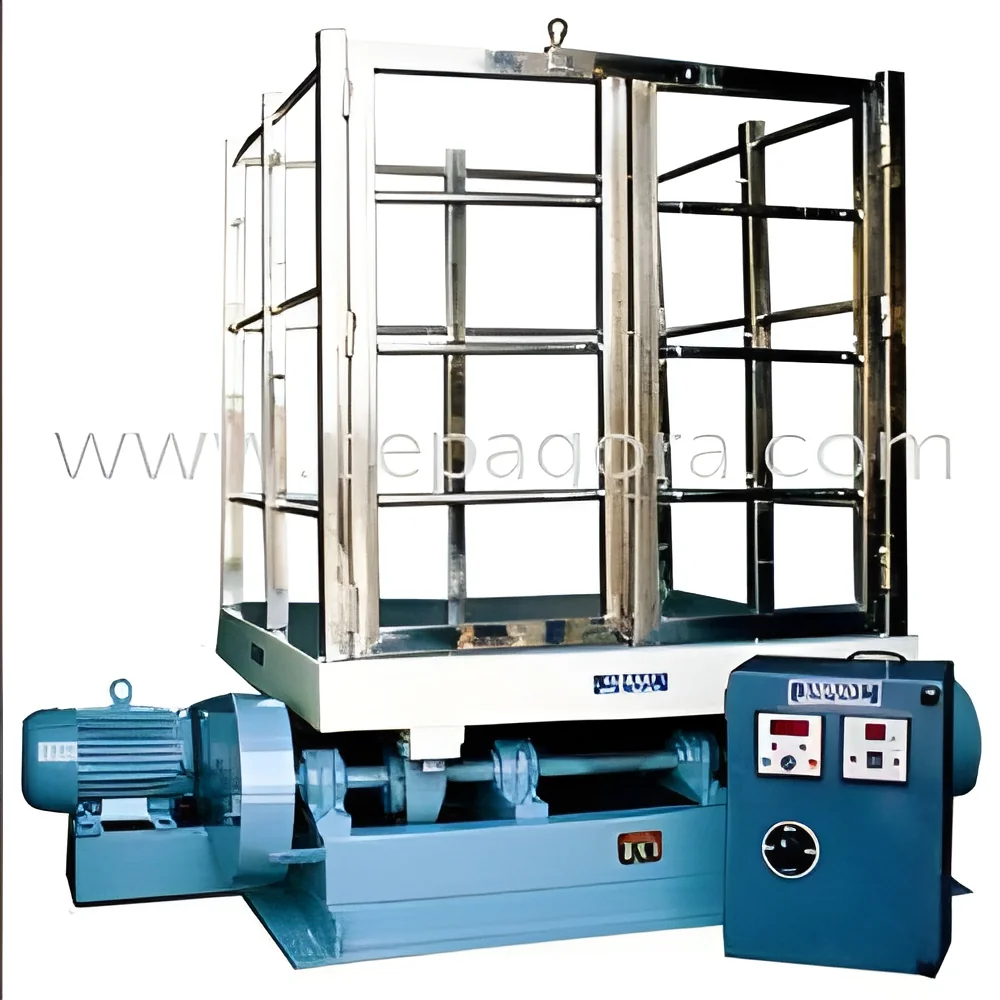
𝗪𝗵𝗮𝘁 𝗮𝗿𝗲 𝗘𝗩 𝗧𝗲𝘀𝘁𝗶𝗻𝗴 & 𝗗𝗶𝗮𝗴𝗻𝗼𝘀𝘁𝗶𝗰 𝗘𝗾𝘂𝗶𝗽𝗺𝗲𝗻𝘁?
EV Testing & Diagnostic Equipment refers to specialized tools and devices used to evaluate, diagnose, and maintain electric vehicles (EVs). These instruments play a crucial role in ensuring the performance, safety, and longevity of EVs by providing detailed insights into their electrical systems, battery health, and overall functionality. With the growing adoption of electric vehicles in various markets, the demand for reliable testing equipment has surged, making it an essential component in the automotive industry.
The primary applications of EV Testing & Diagnostic Equipment span across automotive manufacturing, repair and maintenance services, and research and development. Manufacturers utilize these tools to ensure that their products meet safety and performance standards before they hit the market. Automotive service providers rely on diagnostic equipment to troubleshoot issues and provide accurate repairs, while R&D teams use these devices to innovate and improve EV technology. This equipment is increasingly relevant as governments and consumers prioritize sustainable transportation solutions, driving the growth of the EV market.
As the electric vehicle industry continues to expand, the need for advanced testing and diagnostic equipment becomes more critical. Companies in this sector must remain competitive by investing in high-quality tools that enhance their service offerings and support the shift towards electric mobility.
𝗞𝗲𝘆 𝗙𝗲𝗮𝘁𝘂𝗿𝗲𝘀 𝗮𝗻𝗱 𝗦𝗽𝗲𝗰𝗶𝗳𝗶𝗰𝗮𝘁𝗶𝗼𝗻𝘀
EV Testing & Diagnostic Equipment comes with a range of features designed to enhance its functionality and user experience. These features help technicians evaluate various aspects of electric vehicles efficiently and accurately.
Key specifications include:
1. Diagnostic Capabilities
- Ability to read and clear fault codes
- Real-time data monitoring for critical vehicle systems
2. Battery Testing
- Assessment of battery health and performance
- Measurement of charge cycles and capacity
3. Electrical System Analysis
- Evaluation of wiring and connections
- Monitoring of voltage levels and current flow
4. Communication Protocols
- Compatibility with multiple EV communication standards
- Support for OBD-II and manufacturer-specific protocols
5. User Interface
- Intuitive software for easy navigation
- Touchscreen display for enhanced interactivity
6. Portability
- Lightweight design for easy transport
- Battery-operated options for field diagnostics
7. Data Logging
- Capability to store and analyze historical data
- Export functions for reporting and documentation
8. Update Features
- Regular software updates to adapt to new vehicle models
- Remote update capabilities for convenience
In summary, these specifications ensure that EV Testing & Diagnostic Equipment meets the diverse needs of the automotive industry, enabling effective diagnostics and maintenance of electric vehicles.
𝗖𝗼𝗺𝗺𝗼𝗻 𝗔𝗽𝗽𝗹𝗶𝗰𝗮𝘁𝗶𝗼𝗻𝘀 𝗮𝗻𝗱 𝗨𝘀𝗲 𝗖𝗮𝘀𝗲𝘀
EV Testing & Diagnostic Equipment serves various industries, highlighting its versatility and necessity in modern automotive practices.
1. Automotive Repair Shops: These facilities use diagnostic equipment to identify issues in EVs quickly, ensuring efficient repairs and customer satisfaction.
2. Vehicle Manufacturers: Manufacturers rely on testing equipment during production to verify that each vehicle meets safety and performance standards before delivery.
3. Fleet Management: Companies managing electric vehicle fleets utilize diagnostic tools for regular maintenance checks, helping to prolong vehicle lifespan and reduce downtime.
4. Research and Development: R&D teams leverage these tools to test new technologies and improve existing EV systems, contributing to the advancement of electric mobility.
5. Educational Institutions: Technical schools and universities use diagnostic equipment for training purposes, preparing students for careers in the evolving automotive sector.
6. Government and Regulatory Agencies: These organizations employ testing equipment to enforce compliance with safety and environmental regulations for electric vehicles.
7. Battery Manufacturers: Companies producing EV batteries utilize diagnostic tools to test battery performance, ensuring reliability and safety in their products.
𝗣𝗿𝗼𝗱𝘂𝗰𝘁 𝗩𝗮𝗿𝗶𝗮𝗻𝘁𝘀 𝗮𝗻𝗱 𝗦𝘂𝗯𝗰𝗮𝘁𝗲𝗴𝗼𝗿𝗶𝗲𝘀
EV Testing & Diagnostic Equipment includes a range of variants, each designed to cater to specific needs within the industry.
Handheld Diagnostic Tools
These portable devices are designed for quick and efficient troubleshooting of electric vehicles. They typically feature user-friendly interfaces and can be used in various settings, from workshops to roadside assistance.
Battery Analyzers
Battery analyzers are specialized devices focused on assessing the health and performance of EV batteries. They provide detailed reports on battery capacity, charge cycles, and overall efficiency, making them essential for battery manufacturers and automotive repair shops.
Advanced Diagnostic Scanners
These comprehensive tools offer in-depth analysis of vehicle systems, including diagnostics for complex electrical components. They are ideal for automotive technicians who require advanced capabilities to troubleshoot intricate issues.
Telematics Solutions
Telematics devices track vehicle performance and provide real-time data on various metrics. These solutions are increasingly used in fleet management to monitor the status of electric vehicles remotely.
𝗕𝗲𝗻𝗲𝗳𝗶𝘁𝘀 𝗮𝗻𝗱 𝗔𝗱𝘃𝗮𝗻𝘁𝗮𝗴𝗲𝘀
Investing in EV Testing & Diagnostic Equipment offers several key benefits that enhance operational efficiency and customer satisfaction.
1. Improved Diagnostic Accuracy: Advanced tools provide precise readings, helping technicians identify and resolve issues more effectively.
2. Enhanced Efficiency: Streamlined diagnostics reduce the time spent on troubleshooting, allowing for quicker repairs and improved service turnaround.
3. Greater Customer Satisfaction: Reliable testing equipment leads to better service outcomes, enhancing customer trust and loyalty.
4. Cost Savings: Efficient diagnostics can prevent costly repairs and extend the lifespan of vehicle components.
5. Compliance Assurance: Testing equipment helps ensure that vehicles meet regulatory standards, mitigating risks associated with non-compliance.
6. Innovation Support: R&D teams can leverage testing tools to develop and implement new technologies, driving continuous improvement in EV performance.
𝗕𝘂𝘆𝗶𝗻𝗴 𝗚𝘂𝗶𝗱𝗲 𝗳𝗼𝗿 𝗕𝟮𝗕 𝗕𝘂𝘆𝗲𝗿𝘀
When sourcing EV Testing & Diagnostic Equipment, it is important for B2B buyers to consider several key factors to ensure they make informed purchasing decisions.
1. Quality Assessment: Buyers should evaluate the build quality and performance capabilities of the equipment. Look for products that meet industry standards and have positive reviews from other users.
2. Supplier Verification: It is crucial to verify suppliers to ensure they have a good reputation and reliable track record. This can involve checking their certifications and previous customer feedback.
3. Pricing and MOQ: Understanding pricing structures and minimum order quantities (MOQ) is essential for budget planning. Compare prices across different suppliers to find the best value.
4. Delivery and Lead Times: Consider logistics and the expected lead times for delivery. Timely access to equipment can impact operational efficiency, so choose suppliers that can meet your schedule.
5. Compliance Requirements: Ensure that the equipment complies with relevant regulations and standards in your region. This will help avoid potential legal issues and ensure safety in operations.
𝗖𝗼𝗺𝗽𝗹𝗶𝗮𝗻𝗰𝗲 𝗮𝗻𝗱 𝗖𝗲𝗿𝘁𝗶𝗳𝗶𝗰𝗮𝘁𝗶𝗼𝗻𝘀
Compliance and certifications are critical aspects of EV Testing & Diagnostic Equipment. These tools must adhere to relevant quality standards to ensure reliability and safety.
ISO 9001 is a widely recognized quality management standard that ensures consistent quality in products and services. Equipment that meets this standard demonstrates a commitment to quality and customer satisfaction.
CE certification is essential for products sold in the European market. It indicates compliance with safety, health, and environmental protection standards, ensuring that the equipment is safe for use.
Safety and testing requirements vary by region and application, and manufacturers must ensure their products undergo rigorous testing to meet these standards. This includes electrical safety, performance testing, and environmental impact assessments.
Regional compliance considerations are also vital. Different markets may have specific regulations that equipment must comply with, and buyers should be aware of these when sourcing products.
𝗪𝗵𝘆 𝗦𝗼𝘂𝗿𝗰𝗲 𝗘𝗩 𝗧𝗲𝘀𝘁𝗶𝗻𝗴 & 𝗗𝗶𝗮𝗴𝗻𝗼𝘀𝘁𝗶𝗰 𝗘𝗾𝘂𝗶𝗽𝗺𝗲𝗻𝘁 𝗳𝗿𝗼𝗺 𝗣𝗲𝗽𝗮𝗴𝗼𝗿𝗮?
Pepagora provides a trusted platform for sourcing EV Testing & Diagnostic Equipment, offering several key advantages to B2B buyers.
Verified Supplier Network: Pepagora ensures that all suppliers on its platform are thoroughly vetted. This verification process helps buyers find reliable partners who offer high-quality products.
Streamlined RFQ Process: The request for quotation (RFQ) system on Pepagora simplifies the purchasing process. Buyers can easily compare quotes from multiple suppliers, making it easier to select the best option.
Trade Assurance and Support: Pepagora offers buyer protection through its trade assurance program. This feature provides peace of mind, ensuring that transactions are secure and that buyers receive the products they expect.
Regional Coverage: With a strong presence in India, the GCC, and Southeast Asia, Pepagora provides extensive regional coverage. This geographic reach enables buyers to access a wide range of suppliers and products tailored to their specific needs.

 IN
IN