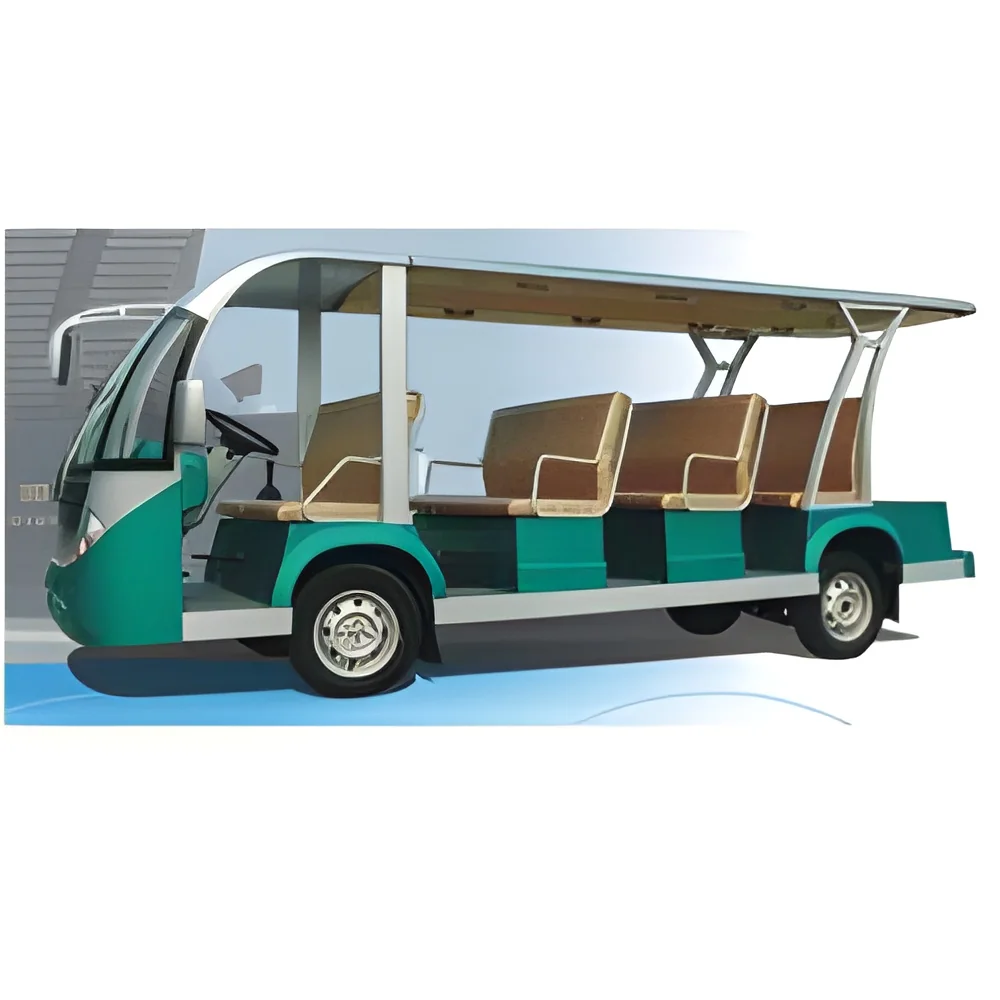
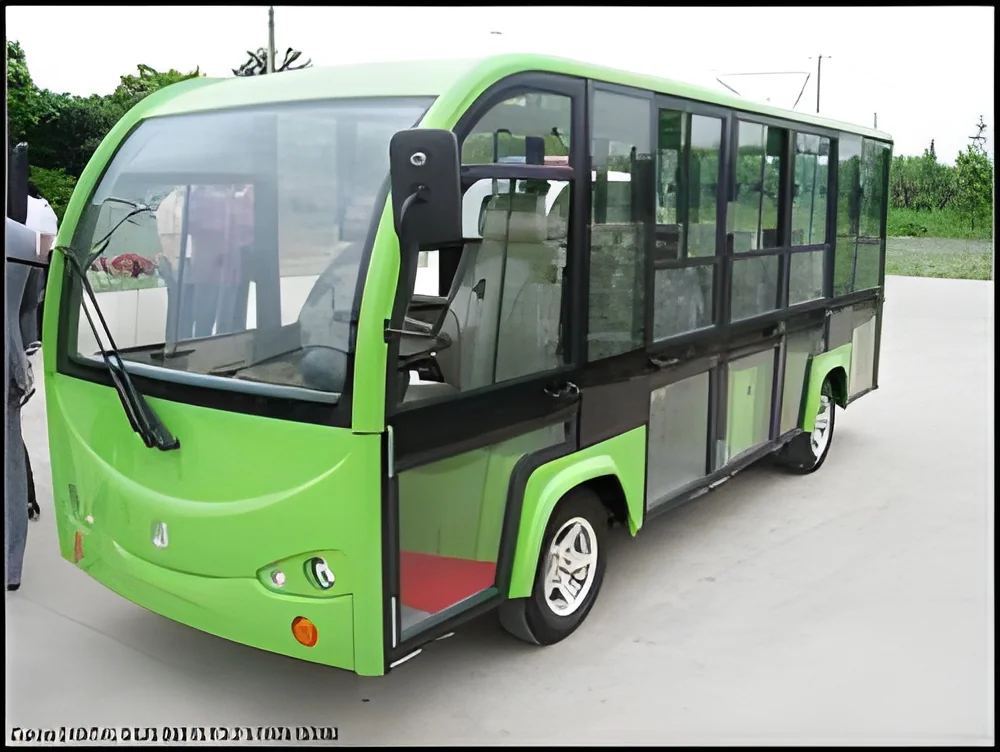
What are Electric Vehicles (EVs)?
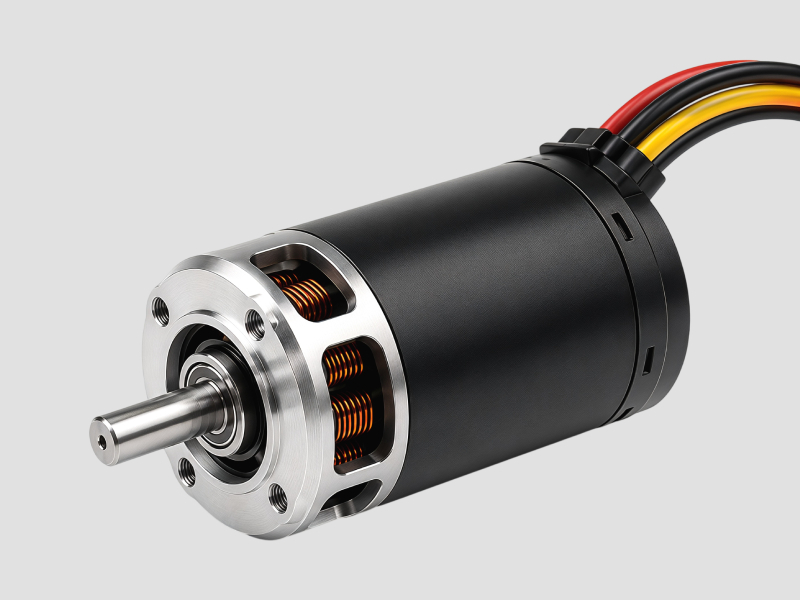
Electric Vehicles (EVs) are automobiles that are powered entirely or partially by electricity. Instead of relying on conventional internal combustion engines that run on gasoline or diesel, EVs utilize electric motors that draw energy from rechargeable batteries. As technology advances, the design and capabilities of EVs have evolved, offering a cleaner and more sustainable alternative to traditional vehicles.
The primary uses of electric vehicles include personal transportation, public transit, and commercial applications. Businesses are increasingly adopting EVs for delivery services, fleet operations, and employee commuting. This transition is driven by the need for reduced operational costs, lower emissions, and compliance with stringent environmental regulations. The electric vehicle market is rapidly growing, reflecting a global shift towards sustainable transportation solutions.
As industries face pressure to minimize their carbon footprint, electric vehicles are becoming essential. The market is supported by government incentives, improved infrastructure, and technological advancements that enhance battery efficiency and range. This context underscores the importance of EVs in meeting the future mobility needs of both consumers and businesses.
𝗞𝗲𝘆 𝗙𝗲𝗮𝘁𝘂𝗿𝗲𝘀 𝗮𝗻𝗱 𝗦𝗽𝗲𝗰𝗶𝗳𝗶𝗰𝗮𝘁𝗶𝗼𝗻𝘀
Electric vehicles come equipped with a range of features designed to enhance performance, safety, and user experience. Understanding the specifications is crucial for businesses considering investments in EVs.
Key specifications include:
1. Battery Capacity
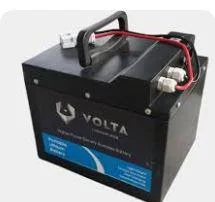
- Measured in kilowatt-hours (kWh), this determines the amount of energy the battery can store and directly influences the vehicle's range.
- Common ranges are between 20 kWh to 100 kWh.
2. Range per Charge
- This indicates how far the vehicle can travel on a single charge.
- Typical ranges can vary from 100 miles to over 300 miles, depending on battery capacity and vehicle efficiency.
3. Charging Time
- Refers to the time required to fully charge the vehicle's battery.
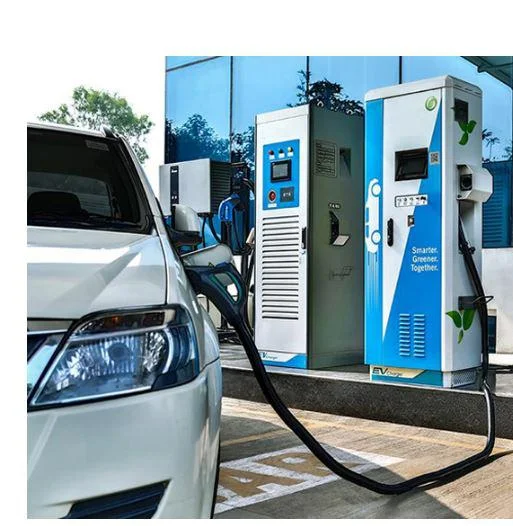
- Charging times can range from 30 minutes with fast chargers to several hours with standard home chargers.
4. Power Output
- Measured in horsepower, it indicates the performance level of the electric motor.
- Power outputs often range from 100 hp to over 400 hp.
5. Torque
- This measures the rotational force provided by the electric motor.
- Electric vehicles typically have instant torque, enhancing acceleration.
6. Safety Features
- Many EVs include advanced safety systems such as collision avoidance, lane-keeping assist, and adaptive cruise control.
7. Regenerative Braking
- This technology allows the vehicle to recover energy during braking, improving efficiency.
8. Weight
- The overall weight of the vehicle can affect performance and efficiency.
- EVs often weigh more due to the battery, typically ranging from 3,000 to 5,000 pounds.
In summary, these key specifications enable businesses to understand the capabilities and performance of electric vehicles, facilitating informed purchasing decisions.
𝗖𝗼𝗺𝗺𝗼𝗻 𝗔𝗽𝗽𝗹𝗶𝗰𝗮𝘁𝗶𝗼𝗻𝘀 𝗮𝗻𝗱 𝗨𝘀𝗲 𝗖𝗮𝘀𝗲𝘀
Electric vehicles are making a significant impact across various industries, adapting to unique operational needs.
1. Logistics and Transportation: Companies are using EVs for last-mile delivery and freight transport, benefiting from lower fuel costs and reduced emissions.
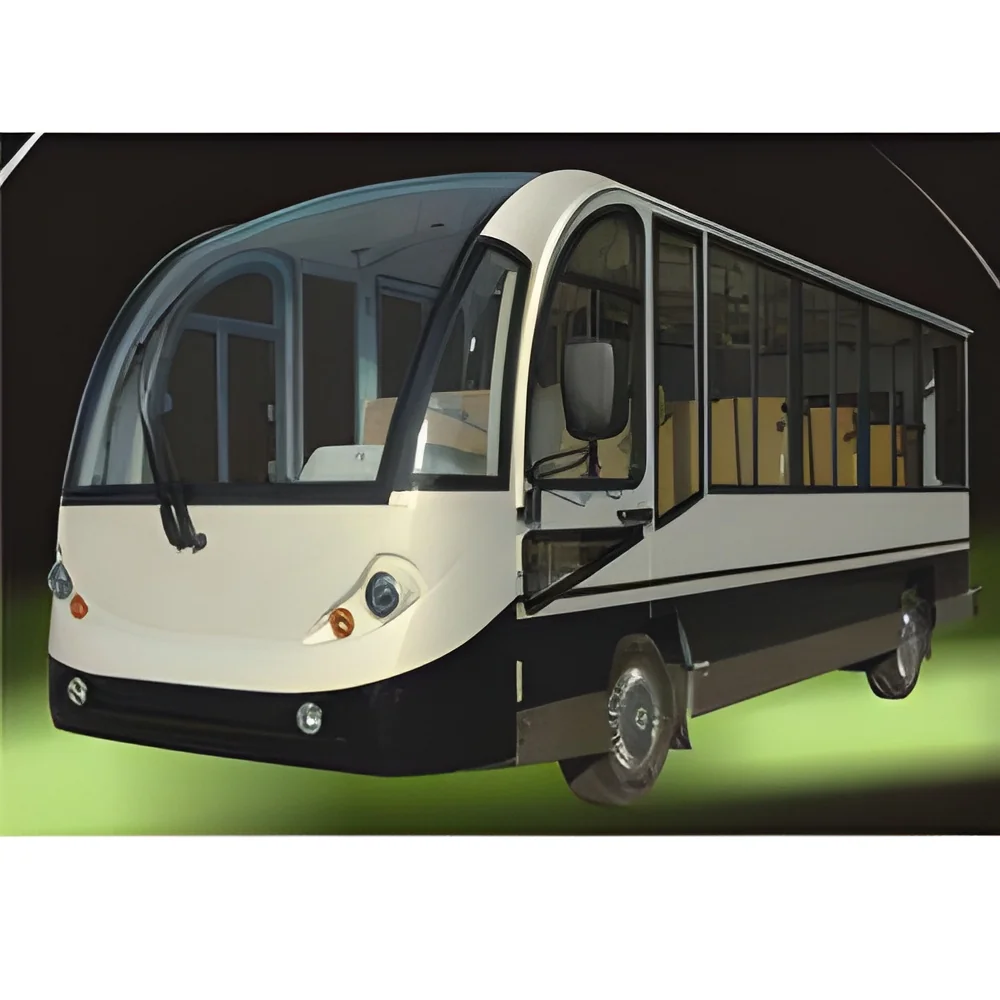
2. Public Transit: Many cities are incorporating electric buses into their fleets, enhancing urban mobility while minimizing environmental impact.
3. Ride-Hailing Services: Electric vehicles are increasingly adopted by ride-sharing companies as a sustainable option for drivers and passengers alike.
4. Corporate Fleets: Businesses are transitioning their fleets to electric vehicles, improving sustainability and reducing total cost of ownership.
5. Government and Municipal Use: Local governments are adopting EVs for public service vehicles to lead by example in promoting eco-friendly transportation.
6. Construction and Heavy Equipment: Some industries are exploring electric options for construction vehicles, reducing noise and emissions on job sites.
7. Tourism: Electric vehicles are being utilized in eco-tourism, providing environmentally friendly transportation options for travelers.
𝗣𝗿𝗼𝗱𝘂𝗰𝘁 𝗩𝗮𝗿𝗶𝗮𝗻𝘁𝘀 𝗮𝗻𝗱 𝗦𝘂𝗯𝗰𝗮𝘁𝗲𝗴𝗼𝗿𝗶𝗲𝘀
Electric vehicles encompass a variety of models and configurations to meet diverse operational needs.
Passenger EVs
These are designed for individual use and typically feature advanced technology, spacious interiors, and high performance. They are ideal for urban commuting and personal travel.
Commercial EVs
These vehicles are tailored for business applications, including delivery vans and larger transport vehicles. They focus on efficiency and cargo space, making them suitable for logistics and service industries.
Electric Buses
Designed for public transportation, electric buses offer a sustainable alternative to diesel-powered buses. They provide low operating costs and reduced emissions, enhancing urban air quality.
Two-Wheel Electric Vehicles
This category includes electric scooters and motorcycles, catering to personal commuting needs. They are compact, efficient, and ideal for short-distance travel.
𝗕𝗲𝗻𝗲𝗳𝗶𝘁𝘀 𝗮𝗻𝗱 𝗔𝗱𝘃𝗮𝗻𝘁𝗮𝗴𝗲𝘀
Electric vehicles provide numerous advantages for businesses looking to enhance their operations and sustainability efforts.
Key benefits include:
1. Cost Efficiency: Electric vehicles have lower fuel and maintenance costs compared to traditional vehicles, leading to significant savings over time.
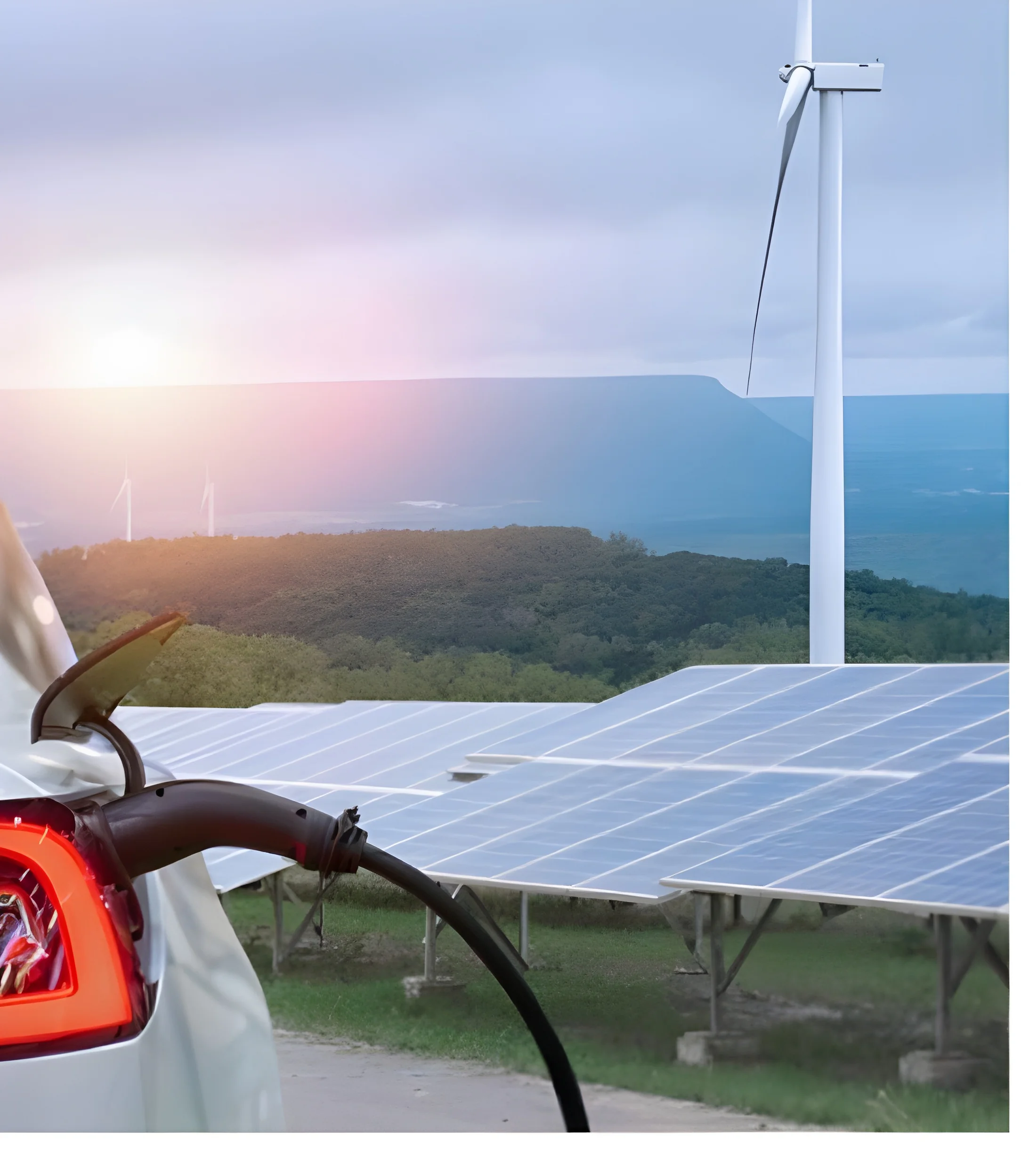
2. Environmental Impact: EVs produce zero tailpipe emissions, contributing to cleaner air and reduced greenhouse gas emissions.
3. Government Incentives: Many regions offer tax credits and rebates for purchasing electric vehicles, making them more financially attractive.
4. Enhanced Performance: Electric motors provide instant torque, resulting in quick acceleration and a smooth driving experience.
5. Quiet Operation: EVs operate more quietly than conventional vehicles, reducing noise pollution in urban environments.
6. Improved Brand Image: Adopting electric vehicles enhances a company’s reputation as a leader in sustainability and innovation.
𝗕𝘂𝘆𝗶𝗻𝗴 𝗚𝘂𝗶𝗱𝗲 𝗳𝗼𝗿 𝗕𝟮𝗕 𝗕𝘂𝘆𝗲𝗿𝘀
When sourcing Electric Vehicles (EVs), businesses should consider several critical factors to ensure a successful purchase.
1. Quality Assessment: Evaluate the quality of the vehicles by reviewing manufacturer reputation, customer reviews, and warranty offerings. High-quality vehicles will provide better reliability and performance.
2. Supplier Verification: Conduct thorough research on potential suppliers. Check for certifications, industry experience, and customer testimonials to ensure reliability and trustworthiness.
3. Pricing and MOQ: Understand the pricing structure and minimum order quantities (MOQ) set by suppliers. This will help in budgeting and planning purchases effectively.
4. Delivery and Lead Times: Inquire about logistics and expected lead times for delivery. Ensure that suppliers can meet your operational timelines to avoid disruptions.
5. Compliance Requirements: Familiarize yourself with local regulations and compliance standards related to electric vehicles. This ensures that the purchased vehicles meet all necessary legal requirements.
𝗖𝗼𝗺𝗽𝗹𝗶𝗮𝗻𝗰𝗲 𝗮𝗻𝗱 𝗖𝗲𝗿𝘁𝗶𝗳𝗶𝗰𝗮𝘁𝗶𝗼𝗻𝘀
Electric vehicles must adhere to various compliance standards and certifications that ensure safety, reliability, and environmental responsibility.
Relevant quality standards include ISO 9001, which focuses on quality management systems to ensure consistent product quality. Additionally, certifications such as CE indicate compliance with European safety standards.
Safety and testing requirements are critical for electric vehicles to ensure they meet performance benchmarks and safety regulations. Manufacturers must conduct thorough testing to ensure reliability under various conditions.
Regional compliance considerations may vary, so it is essential for businesses to be aware of local regulations concerning electric vehicle operation, emissions, and safety standards. This knowledge is crucial for ensuring that fleet operations align with government regulations.
Why Source Electric Vehicles (EVs) from Pepagora?
Pepagora offers a reliable platform for sourcing Electric Vehicles (EVs), providing several key advantages for businesses.
Verified Supplier Network: Pepagora has established a network of verified suppliers that ensures quality and reliability in sourcing electric vehicles. This network helps businesses find trusted partners for their purchasing needs.
Streamlined RFQ Process: The Request for Quotation (RFQ) process on Pepagora simplifies the procurement journey. Businesses can efficiently compare quotes from multiple suppliers, facilitating cost-effective decisions.
Trade Assurance and Support: Pepagora provides trade assurance, ensuring that buyers are protected throughout the purchasing process. This support enhances confidence in transactions and mitigates risks.
Regional Coverage: With a strong presence in regions such as India, GCC, and Southeast Asia, Pepagora connects businesses with local suppliers. This regional coverage allows for better logistics and faster delivery, catering to diverse market needs.

 IN
IN