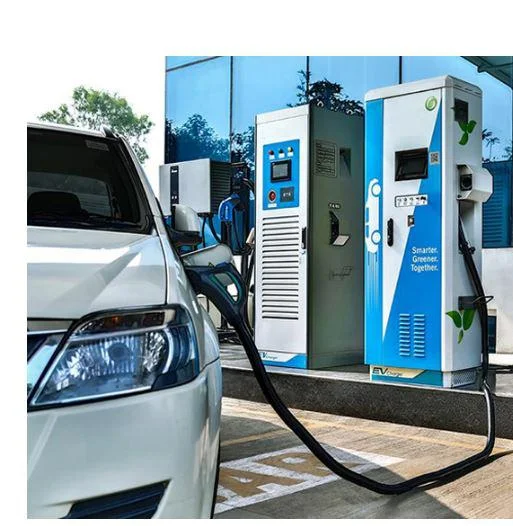
What are EV Charging Stations?
EV Charging Stations are specialized electrical equipment designed to supply power to electric vehicles (EVs). These stations facilitate the charging process by converting electrical energy from the grid into a form that can be used to recharge the batteries of electric vehicles. They come in various configurations, including Level 1, Level 2, and DC fast charging options, catering to different charging speeds and vehicle types.
The primary uses of EV Charging Stations extend across multiple sectors, including public infrastructure, commercial properties, and residential areas. Businesses can install these stations to offer charging services to employees and customers, enhancing sustainability efforts and promoting electric vehicle use. As the demand for electric vehicles continues to rise, the relevance of EV Charging Stations in the market is significant, driven by governmental policies, environmental concerns, and advancements in electric vehicle technology.
Key Features and Specifications
EV Charging Stations come equipped with a range of features and specifications that enhance their performance and usability. These specifications are crucial for businesses looking to install charging solutions that meet their needs and comply with industry standards.
Key specifications include:
1. Charging Levels
- Different levels determine charging speed: Level 1 (120V), Level 2 (240V), and DC fast charging options.
- Level 2 charging typically provides a full charge in 4-8 hours.
2. Power Output
- Power output can range from 3.7 kW to 350 kW depending on the station type.
- Higher power output reduces charging time significantly.
3. Connector Types
- Common connector types include Type 1, Type 2, and CHAdeMO.
- Compatibility with various EV models is essential.
4. Safety Features
- Built-in safety mechanisms such as overload protection and fault detection.
- Compliance with safety standards like CE certification.
5. Monitoring Capabilities
- Real-time monitoring of charging status and energy consumption.
- Options for remote access and management.
6. Durability
- Designed to withstand harsh weather conditions.
- Often features weatherproof enclosures.
7. User Interface
- Intuitive displays for user interaction.
- Mobile app integration for ease of use.
8. Installation Type
- Options for wall-mounted or pedestal installations.
- Flexibility in placement to suit various environments.
In summary, understanding the features and specifications of EV Charging Stations is vital for businesses to select the right solutions for their needs.
Common Applications and Use Cases
EV Charging Stations find applications across a variety of industries, reflecting the growth of electric vehicles worldwide.
1. Retail: Retail businesses install charging stations to attract customers, providing added value while they shop.
2. Hospitality: Hotels and resorts offer charging facilities for guests, enhancing their stay and promoting green initiatives.
3. Corporate: Companies install charging stations for employees, supporting sustainability goals and improving workplace amenities.
4. Public Transport: Municipalities deploy charging stations for public transport vehicles to encourage electric bus use.
5. Fleet Management: Logistics companies use charging stations for their electric delivery vehicles to reduce operational costs.
6. Parking Facilities: Commercial parking lots are increasingly integrating charging stations to accommodate electric vehicle owners.
7. Residential Communities: Homeowners associations are considering charging stations to provide convenience for residents with electric vehicles.
Product Variants and Subcategories
EV Charging Stations come in diverse variants to cater to different needs and settings. Each variant is designed with specific features for particular applications.
Standard Charging Stations
These stations are suitable for residential and office use, designed for Level 2 charging. They offer a balance of charging speed and ease of installation, making them ideal for everyday use.
Fast Charging Stations
These are designed for high-traffic areas, delivering rapid DC fast charging. They are perfect for commercial locations, allowing drivers to charge their vehicles quickly while on the go.
Mobile Charging Units
These portable charging solutions can be deployed in various locations. They are useful for events or temporary setups where fixed charging stations are not feasible.
Benefits and Advantages
Investing in EV Charging Stations offers numerous advantages for businesses.
1. Enhanced Customer Experience: Providing charging options attracts customers and enhances their overall experience.
2. Increased Foot Traffic: Locations with charging stations see more visitors, as EV owners seek convenient charging solutions.
3. Sustainability Commitment: Installing EV Charging Stations showcases a business's commitment to sustainability and reducing carbon footprints.
4. Government Incentives: Many regions offer incentives for businesses that invest in EV infrastructure, providing financial benefits.
5. Future-Proofing: As electric vehicles become more prevalent, having charging stations in place prepares businesses for future demands.
6. Competitive Advantage: Businesses with charging stations can differentiate themselves in the market, appealing to environmentally conscious consumers.
Buying Guide for B2B Buyers
When considering the purchase of EV Charging Stations, B2B buyers should evaluate several key factors to ensure they make informed decisions.
1. Quality Assessment: Assess the quality of the charging stations based on manufacturer reputation, durability, and user reviews. High standards in production lead to better performance.
2. Supplier Verification: Vet suppliers carefully to ensure they have a proven track record. Look for certifications and references from previous clients to gauge reliability.
3. Pricing and MOQ: Understand the price range of the stations and inquire about minimum order quantities. This helps in budgeting and negotiation.
4. Delivery and Lead Times: Consider logistics and delivery times to avoid operational delays. Timely delivery is crucial for installation schedules.
5. Compliance Requirements: Ensure that the stations comply with local and national regulations. This includes safety standards and environmental guidelines.
Compliance and Certifications
Compliance and certifications are critical for ensuring the safety and reliability of EV Charging Stations.
Relevant quality standards include ISO 9001, which establishes criteria for quality management systems. Adhering to this standard ensures that products consistently meet customer and regulatory requirements.
Industry certifications like CE are essential as they indicate that the product meets European safety standards. This certification is crucial for manufacturers looking to market their products in Europe and other regions that require compliance.
Safety and testing requirements are paramount, as they ensure that charging stations operate safely under various conditions. Regular testing for electrical safety and performance is necessary to maintain compliance.
Regional compliance considerations vary, and businesses must ensure that their charging stations meet local regulations. This includes understanding specific electrical codes, installation standards, and environmental regulations.
Why Source EV Charging Stations from Pepagora?
Pepagora stands out as a trusted platform for sourcing EV Charging Stations, offering several key advantages to B2B buyers.
Verified Supplier Network: Pepagora connects buyers with a network of verified suppliers, ensuring that each supplier meets stringent quality and reliability standards. This reduces the risk involved in purchasing.
Streamlined RFQ Process: The platform features a simplified Request for Quotation (RFQ) process, enabling buyers to easily obtain competitive quotes from multiple suppliers. This helps in making informed purchasing decisions.
Trade Assurance and Support: Pepagora provides trade assurance to protect buyers throughout the procurement process. With dedicated support, buyers can resolve any issues that may arise, ensuring a smooth transaction.
Regional Coverage: Pepagora has a broad geographic reach, including India, GCC, and Southeast Asia. This allows businesses in diverse locations to access quality EV Charging Stations tailored to their specific market needs.
By choosing Pepagora, businesses can confidently invest in EV Charging Stations while benefiting from a comprehensive support system.

 IN
IN