
 IN
Digital Calipers
1 products available
What are Digital Calipers?
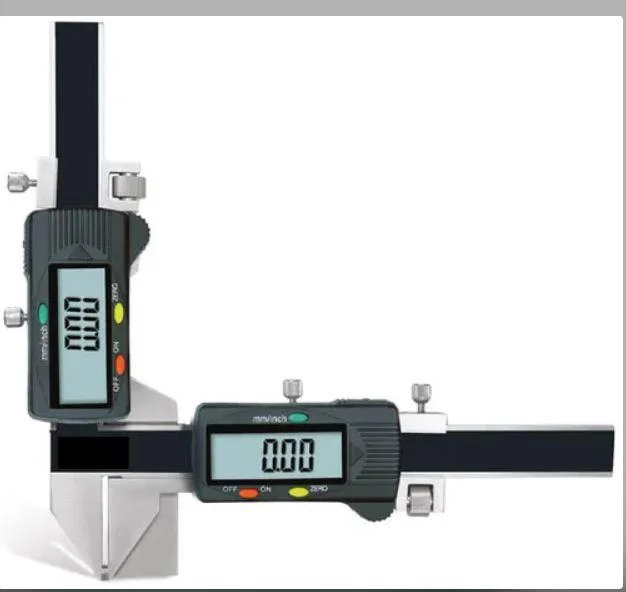
Digital calipers are precision measuring instruments used to measure the dimensions of an object. They typically feature a digital display that provides accurate readings of length, width, depth, and internal measurements. The device operates using a sliding mechanism, which allows for both external and internal measurements to be taken quickly and efficiently.
Digital calipers are widely used in various industries, including manufacturing, engineering, and construction. They are essential tools for professionals who require precise measurements for quality control, product development, and assembly processes. Their ease of use and accurate readings make them a staple in workshops and laboratories across different sectors.
In the current market, digital calipers play a crucial role in enhancing productivity and ensuring quality standards. With advancements in technology, these tools have become more sophisticated, offering features such as data output and connectivity options. As industries continue to prioritize precision, the demand for reliable measuring instruments like digital calipers remains strong.
Key Features and Specifications
Digital calipers come with a variety of features designed to enhance accuracy and usability. These features make them suitable for a wide range of applications in industrial settings.
Key specifications include:
1. Measurement Range
- Typically ranges from 0 to 150mm or 0 to 200mm
- Allows for flexible measuring of various object sizes
2. Accuracy
- Generally provides accuracy within ±0.02mm
- Ensures reliable readings for critical measurements
3. Display Type
- LCD display for clear visibility
- Facilitates easy reading in different lighting conditions
4. Measurement Modes
- Includes modes for external, internal, depth, and step measurements
- Versatile functionality for diverse measuring tasks
5. Material
- Often constructed from stainless steel for durability
- Resists corrosion and wear for long-term use
6. Power Source
- Typically powered by a battery, often CR2032
- Ensures prolonged operation without frequent replacements
7. Locking Mechanism
- Features a locking screw to secure the measurement
- Prevents accidental changes during use
8. Weight
- Lightweight design for ease of handling
- Enhances portability in various work environments
In summary, digital calipers offer a combination of precision, durability, and user-friendly features that make them indispensable tools in many industries.
Common Applications and Use Cases
Digital calipers are utilized across numerous industries for precise measurement tasks.
1. Manufacturing: In manufacturing settings, digital calipers are essential for quality assurance and inspection processes. They help ensure that parts meet specified tolerances and fit together correctly during assembly.
2. Engineering: Engineers use digital calipers for designing and prototyping. The accurate measurements provided by these tools are vital for creating components that meet design specifications.
3. Construction: In construction, digital calipers assist in measuring materials and ensuring that dimensions align with architectural plans. Their portability makes them ideal for on-site measurements.
4. Automotive: In the automotive industry, digital calipers are used for measuring components and ensuring that parts fit together seamlessly. Precision in measurements is critical for performance and safety.
5. Aerospace: Digital calipers are crucial in the aerospace sector, where accuracy is paramount. They are used to measure components that must meet strict regulatory standards.
6. Jewelry: In the jewelry industry, digital calipers are used to measure gemstones and metal pieces accurately, ensuring high-quality craftsmanship.
7. Woodworking: Woodworkers utilize digital calipers to measure thickness and dimensions of wood pieces, ensuring precise cuts and fittings.
Product Variants and Subcategories
Digital calipers come in various configurations to cater to different needs and preferences.
Electronic Digital Calipers
These calipers feature a digital display and are typically powered by batteries. They provide easy-to-read measurements and often include features such as memory functions and data output options.
Vernier Calipers
Though not digital, vernier calipers are a traditional measuring tool that offers precise measurements. They require manual reading and are often used in educational settings to teach measurement techniques.
Mechanical Calipers
These calipers operate without digital displays and rely on a sliding scale. They are durable and do not require batteries, making them a reliable choice for environments where electronic tools may be impractical.
Benefits and Advantages
Digital calipers offer numerous advantages that make them essential tools for professionals.
1. Enhanced Accuracy: Digital calipers provide precise measurements, minimizing human error during readings.
2. User-Friendly Interface: The digital display allows for quick reading of measurements, making them easy to use for operators of all skill levels.
3. Versatile Functionality: With multiple measurement modes, these tools can handle a wide range of measuring tasks, increasing their utility in various applications.
4. Durable Construction: Made from high-quality materials, digital calipers are built to withstand demanding industrial environments.
5. Portability: Their lightweight design allows for easy transport, making them suitable for on-site measurements.
6. Time Efficiency: Digital calipers significantly reduce the time required for measuring tasks, contributing to improved productivity in the workplace.
Buying Guide for B2B Buyers
When sourcing digital calipers, it is essential to consider several key factors to ensure the best choice for your needs.
1. Quality Assessment: Look for calipers that meet industry standards and provide reliable accuracy. Inspecting the manufacturer's reputation can also provide insights into product quality.
2. Supplier Verification: Vet potential suppliers by checking their credentials and previous customer reviews. A verified supplier network can help ensure a reliable purchasing experience.
3. Pricing and MOQ: Understand the pricing structure and minimum order quantities (MOQ) offered by suppliers. This information is crucial for budgeting and planning your purchases.
4. Delivery and Lead Times: Consider the logistics involved in sourcing digital calipers. Evaluate suppliers based on their ability to meet your delivery timelines.
5. Compliance Requirements: Ensure that the digital calipers you choose comply with relevant regulatory standards. This may include safety certifications and quality assurance protocols relevant to your industry.
Compliance and Certifications
Digital calipers must adhere to various compliance and certification standards to ensure their quality and safety in industrial applications.
ISO 9001 is a widely recognized quality management standard that ensures consistent quality in manufacturing processes. Calipers produced by ISO-certified companies are likely to meet high-quality benchmarks.
CE certification indicates that a product meets European health, safety, and environmental protection standards. This certification is essential for products sold within the European market, ensuring they are safe for consumer use.
Additionally, compliance with safety and testing requirements is crucial. Manufacturers should conduct thorough testing of their products to confirm accuracy and durability under various conditions.
Regional compliance considerations may vary, so it is important to be aware of local regulations that could impact the use of digital calipers in different geographical areas.
Why Source Digital Calipers from Pepagora?
Pepagora provides a trusted platform for sourcing digital calipers, offering several key advantages to B2B buyers.
Verified Supplier Network: Pepagora’s extensive network includes verified suppliers, ensuring that buyers can trust the quality and reliability of the products they purchase.
Streamlined RFQ Process: The request for quotation process is efficient and user-friendly, allowing buyers to easily compare options and select the best suppliers for their needs.
Trade Assurance and Support: Pepagora offers trade assurance and support, protecting buyers throughout the purchasing process. This includes assistance with disputes and ensuring that quality standards are met.
Regional Coverage: With a strong presence in India, the GCC, and Southeast Asia, Pepagora connects buyers with suppliers across these regions, facilitating smooth transactions and timely deliveries.


 India
Frequently Asked Questions
What are Digital Calipers?
Digital calipers are precision measuring tools used to measure internal and external dimensions as well as depths of objects. Unlike traditional calipers, they feature a digital display that provides easy-to-read measurements in various units, typically millimeters and inches.
What are the different types of Digital Calipers?
There are several types of digital calipers, including Vernier calipers, depth calipers, and sliding calipers. Each type serves a specific purpose, such as measuring depth, inside dimensions, or outside dimensions, with varying levels of precision.
How do I choose the right Digital Calipers?
When choosing digital calipers, consider factors such as measurement range, accuracy, and ease of use. It's also important to check the material and build quality, as well as any additional features like data output options or battery life.
What are the standard specifications for Digital Calipers?
Standard specifications for digital calipers typically include a measurement range of 0-150 mm or 0-200 mm, accuracy within ±0.02 mm, and a resolution of 0.01 mm. Additionally, they often come with features like an automatic shut-off and a zeroing function.
What is the price range for Digital Calipers?
The price range for digital calipers can vary significantly based on brand and features, typically ranging from ₹1,000 to ₹10,000. Basic models are more affordable, while high-precision models with advanced features may be on the higher end of the spectrum.
What quality standards apply to Digital Calipers?
Digital calipers must adhere to specific quality standards such as ISO 9001 or other relevant industry certifications. These standards ensure that the tools are manufactured with precision and reliability for accurate measurements.
Where can I find Digital Calipers suppliers in India?
You can find digital caliper suppliers in India through online B2B marketplaces like Pepagora.com, which lists various manufacturers and distributors. Additionally, local hardware stores and specialized measurement tool suppliers may also offer digital calipers.
Can Digital Calipers be customized?
Yes, many manufacturers offer customization options for digital calipers, including branding and specific measurement features. However, customization availability may depend on the supplier and the order quantity.
What is the typical minimum order quantity for Digital Calipers?
The typical minimum order quantity (MOQ) for digital calipers can vary by supplier but often ranges from 10 to 50 units. It's advisable to check with individual suppliers for their specific MOQ requirements.
What is the typical lead time for Digital Calipers?
The typical lead time for digital calipers ranges from 2 to 6 weeks, depending on the supplier's inventory and production capabilities. Custom orders may require longer lead times, so it's important to confirm this with the supplier.
Why Businesses Trust Pepagora
Thousands of companies trust Pepagora to source smarter and sell faster
Expand Your Sales Globally

Source Smarter,Grow Faster
