
 IN
Custom Glass Fabrication
31 products available
What are Custom Glass Fabrication?
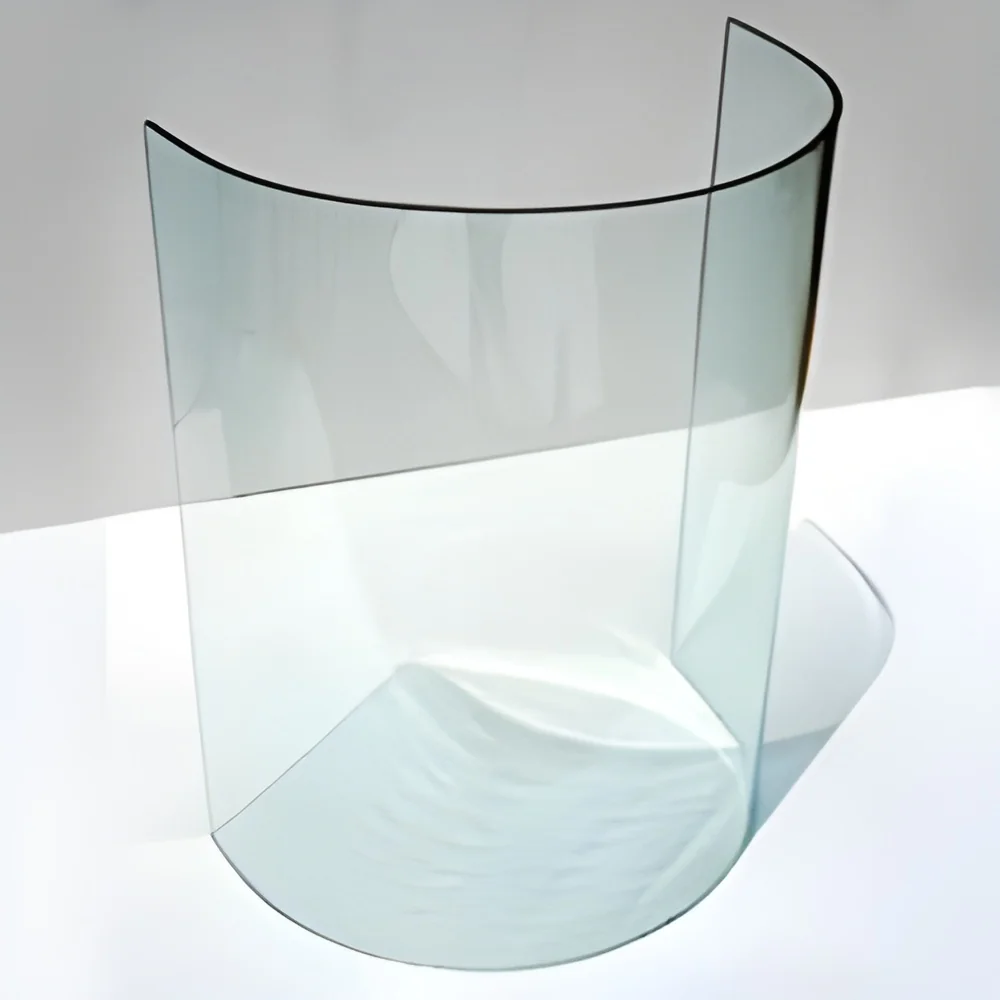
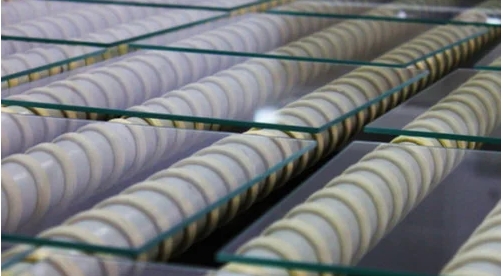
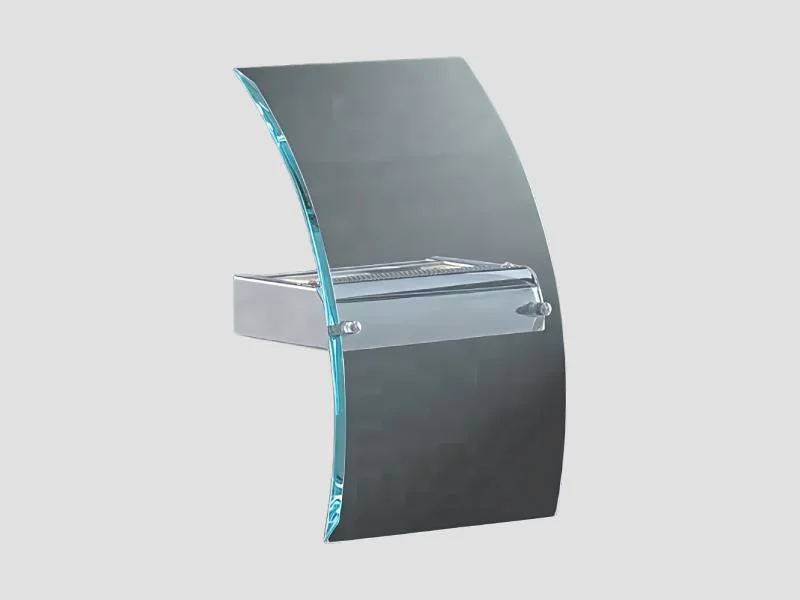
Custom glass fabrication refers to the process of designing, shaping, and finishing glass products to meet specific requirements of businesses and industries. This involves various techniques such as cutting, bending, polishing, and tempering glass to create items that are tailored to the client's specifications. Custom glass fabrication can accommodate both aesthetic and functional needs, making it an essential service in numerous sectors.
The primary uses of custom glass fabrication include architectural applications, interior design elements, and specialized industrial parts. Businesses often require custom glass for storefronts, partitions, doors, and windows. Additionally, custom glass solutions are used in manufacturing equipment, display cases, and even automotive applications. The versatility of custom glass makes it a valuable resource in industries such as construction, retail, healthcare, and automotive.
As industries continue to evolve, the demand for custom glass fabrication is expected to grow. Companies are increasingly seeking specialized glass solutions that enhance design and functionality. This trend highlights the importance of custom glass fabrication in meeting modern design and engineering challenges.
Key Features and Specifications
Custom glass fabrication offers a range of features that cater to diverse business needs. These features are vital for ensuring the final product meets the required standards of quality and performance.
Key specifications include:
1. Material Type
- Various glass types, such as tempered, laminated, and low-iron glass.
- Each type comes with unique properties and applications.
2. Thickness Options
- Available in a range from 1/8 inch to several inches.
- Thickness affects strength, insulation, and aesthetic appeal.
3. Surface Finishes
- Options include polished, frosted, or etched surfaces.
- Surface finishes enhance appearance and functionality.
4. Custom Shapes and Sizes
- Glass can be fabricated into unique shapes and dimensions.
- Customization allows for specific applications and installations.
5. Edge Treatments
- Different edge finishes such as flat, beveled, or polished.
- Edge treatments improve safety and aesthetics.
6. Color and Tinting Options
- Ability to add color or tint to glass for various effects.
- Color choices can enhance design and privacy.
7. Thermal Resistance
- Glass can be treated for higher thermal resistance.
- Important for applications in extreme temperature environments.
8. Safety Features
- Options for shatter-resistant or safety glass.
- Enhances safety in commercial and residential applications.
In summary, the specifications of custom glass fabrication are wide-ranging, providing businesses with tailored solutions that meet precise requirements.
Common Applications and Use Cases
Custom glass fabrication serves various industries, providing tailored solutions for unique needs.
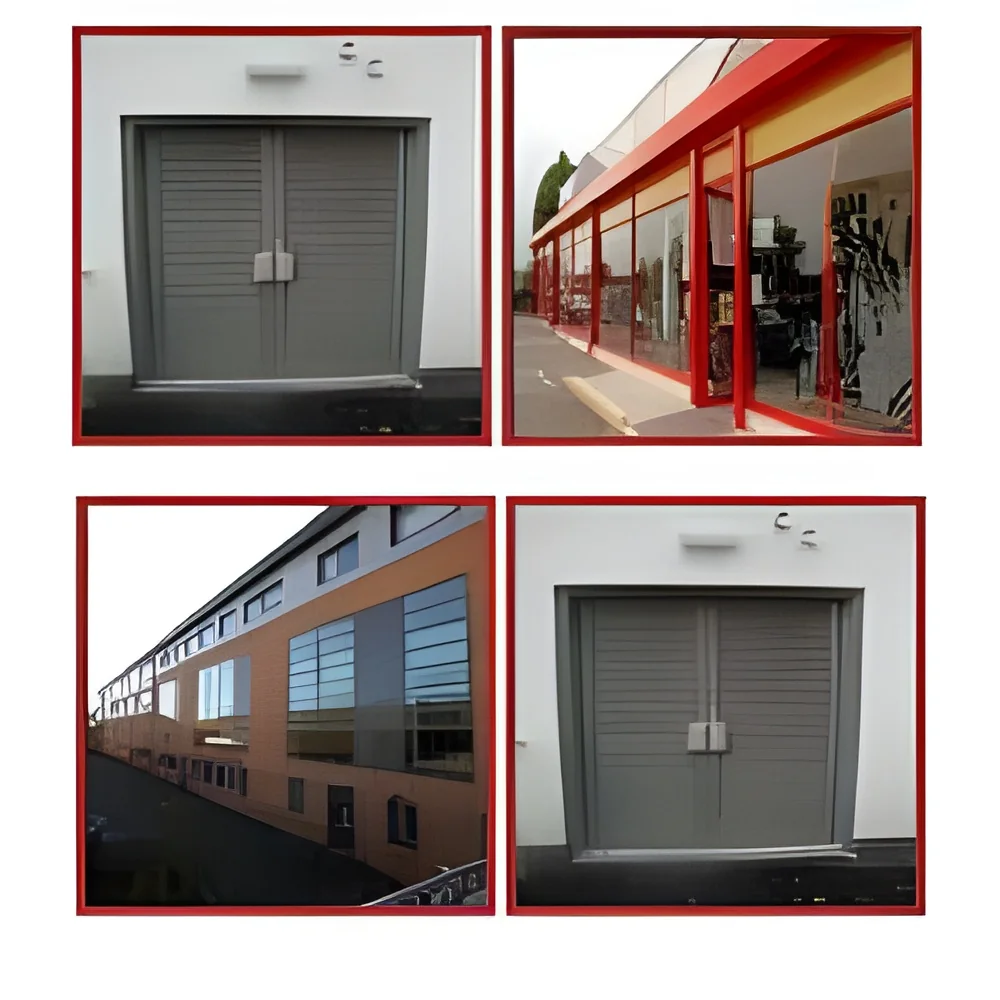
1. Construction: Custom glass is widely used in commercial and residential buildings for windows, doors, and facades, enhancing both aesthetics and energy efficiency.
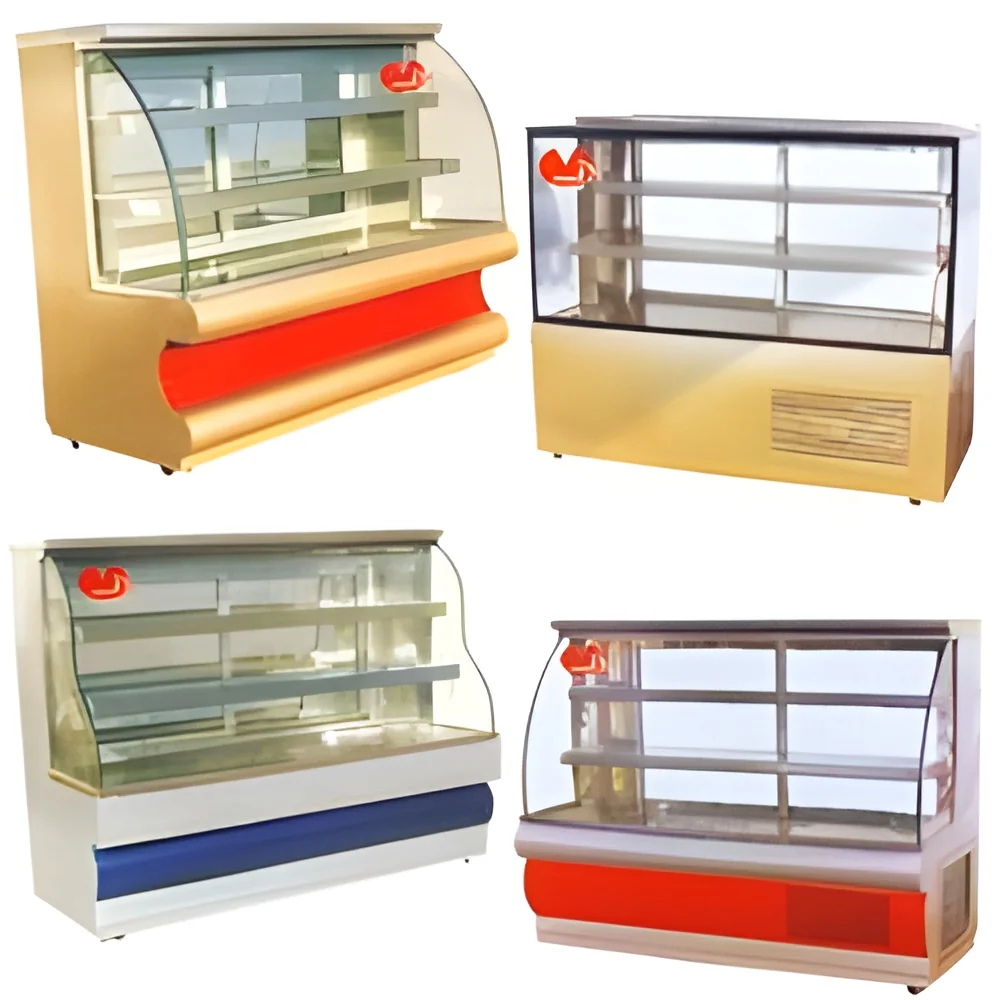
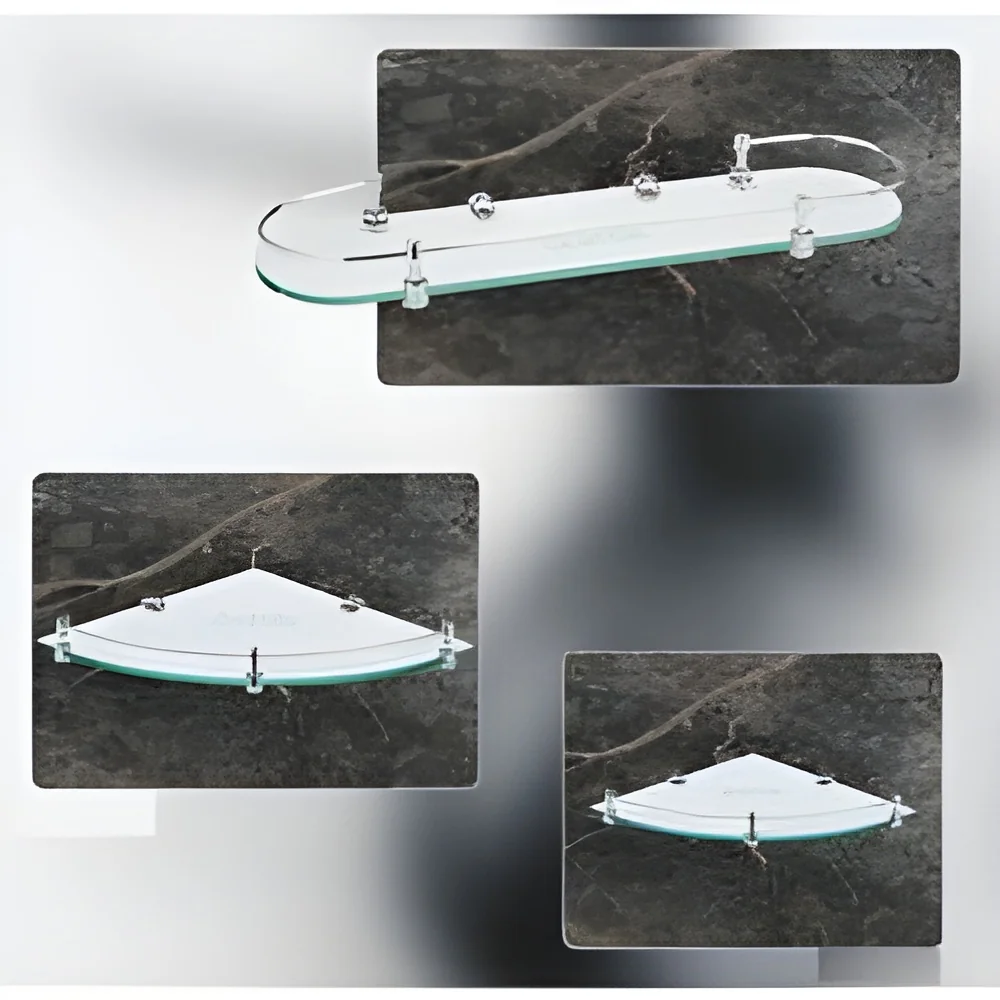
2. Retail: Retail environments often utilize custom glass displays, shelving, and partitions to create an appealing shopping experience while showcasing products effectively.
3. Healthcare: In the healthcare sector, custom glass is used in laboratories, cleanrooms, and specialized medical equipment to ensure safety and compliance with health standards.
4. Automotive: Custom glass is essential for vehicle windshields, windows, and mirrors, providing safety and visibility while meeting regulatory standards.
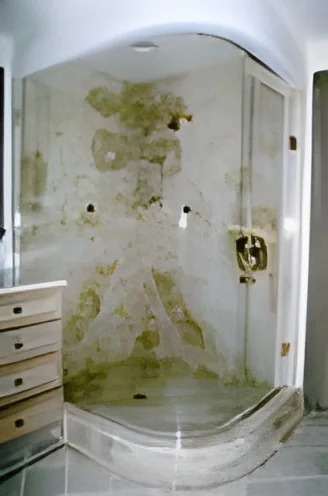
5. Hospitality: Hotels and restaurants use custom glass in interior design elements, such as shower doors and decorative partitions, contributing to a modern and luxurious ambiance.
6. Aerospace: The aerospace industry requires precision-engineered glass for cockpit displays and sensors, ensuring durability and performance under demanding conditions.
7. Electronics: Custom glass components are critical in the electronics industry for screens and protective covers, offering clarity and durability.
Product Variants and Subcategories
Custom glass fabrication encompasses a variety of product types, each designed to meet specific demands.
Tempered Glass
Tempered glass is heat-treated to enhance its strength and thermal resistance. It is commonly used in applications where safety is a priority, such as in shower doors and glass railings.
Laminated Glass
Laminated glass consists of two or more layers of glass bonded together with an interlayer. This type of glass provides additional safety, sound insulation, and UV protection, making it ideal for skylights and sound barriers.
Insulated Glass
Insulated glass units contain multiple panes separated by a spacer filled with gas for improved thermal performance. This variant is commonly used in building windows to enhance energy efficiency.
Decorative Glass
Decorative glass can be customized with patterns, colors, or textures. It is often used in interior design, such as for partition walls, doors, and windows, adding aesthetic value to spaces.
Benefits and Advantages
Custom glass fabrication provides several advantages for businesses looking for tailored solutions.
1. Tailored Solutions: Custom glass allows businesses to meet specific design and functional requirements, ensuring that products fit perfectly in their intended applications.
2. Enhanced Safety: Options such as tempered or laminated glass improve safety, reducing the risk of injury from breakage.
3. Energy Efficiency: Insulated glass can significantly improve energy efficiency in buildings, leading to lower heating and cooling costs.
4. Aesthetic Appeal: Custom glass solutions enhance the visual appeal of spaces, contributing to modern and elegant designs.
5. Durability: High-quality glass fabrication ensures long-lasting products that withstand environmental factors and wear.
6. Versatility: Custom glass can be used across various industries, making it a flexible solution for diverse business needs.
Buying Guide for B2B Buyers
When sourcing custom glass fabrication, it is essential for businesses to consider several key factors to ensure they make informed decisions.
1. Quality Assessment: Evaluate the quality of glass materials and fabrication processes. Look for certifications and standards that indicate a commitment to quality.
2. Supplier Verification: Conduct thorough research on potential suppliers. Check their reputation, experience, and past projects to ensure reliability and expertise.
3. Pricing and MOQ: Understand the pricing structure and minimum order quantities. This helps in budgeting and ensures that the supplier can meet your scale of production.
4. Delivery and Lead Times: Inquire about delivery schedules and lead times to ensure that the supplier can meet your project timelines.
5. Compliance Requirements: Ensure that the glass products comply with relevant industry regulations and standards. This is crucial for safety and legal compliance.
Compliance and Certifications
Custom glass fabrication is subject to various quality standards and certifications that ensure safety and performance.
Relevant quality standards include ISO 9001, which outlines requirements for a quality management system. Compliance with these standards indicates that the manufacturer follows best practices in quality assurance.
In addition, industry certifications such as CE mark signify that the products meet European safety and performance requirements. This is particularly important for businesses operating in or exporting to Europe.
Safety and testing requirements are also critical in the glass fabrication industry. Products must undergo rigorous testing to ensure they meet safety standards, especially for applications in construction and automotive industries.
Furthermore, regional compliance considerations may vary. It is essential for businesses to be aware of local regulations that govern glass products in their specific locations.
Why Source Custom Glass Fabrication from Pepagora?
Pepagora offers a trusted platform for sourcing custom glass fabrication, providing several key advantages for B2B buyers.
Verified Supplier Network: Pepagora maintains a network of verified suppliers, ensuring that businesses can find reliable partners with a proven track record in quality and service.
Streamlined RFQ Process: The platform features a user-friendly request for quotation (RFQ) system that simplifies the process of obtaining quotes from multiple suppliers. This allows buyers to compare options efficiently.
Trade Assurance and Support: Pepagora provides trade assurance, protecting buyers from potential risks associated with their transactions. This includes support throughout the sourcing process to ensure satisfaction.
Regional Coverage: Pepagora has extensive geographic reach, covering India, the GCC, and Southeast Asia. This allows businesses to connect with suppliers that meet their specific regional needs and preferences.

 India
 India
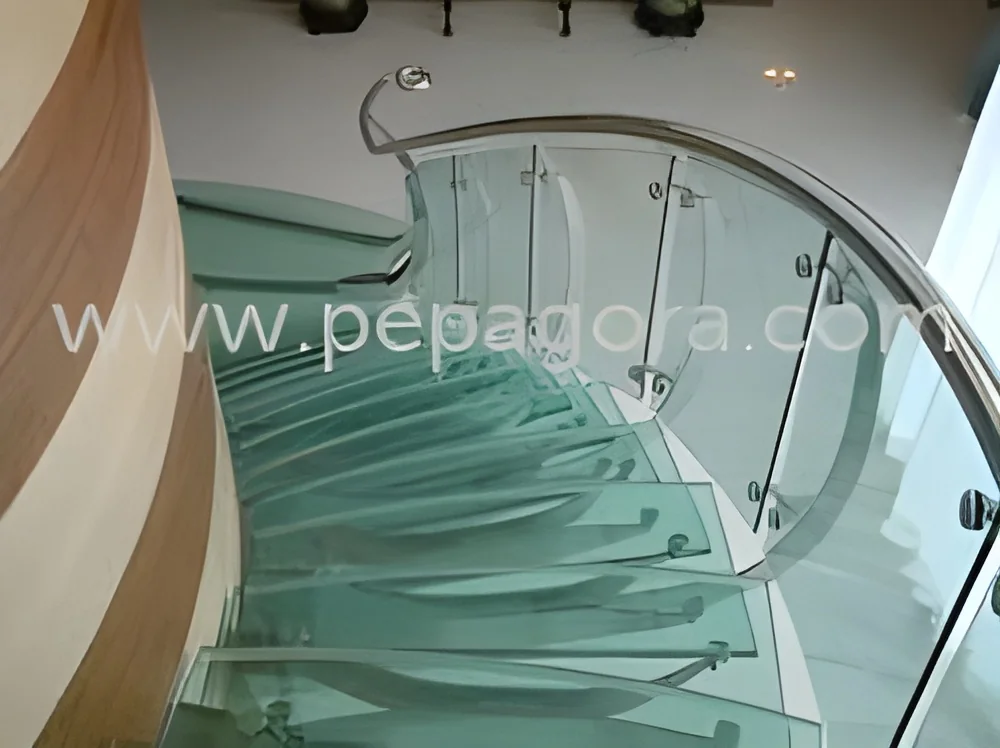
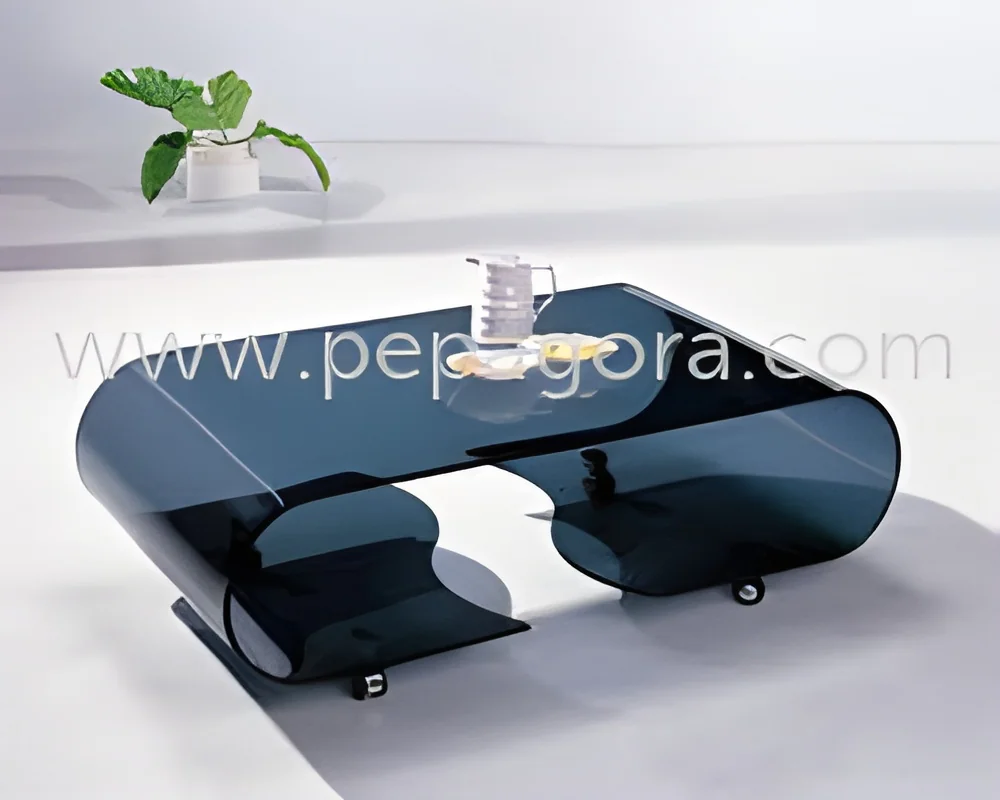 India
 India
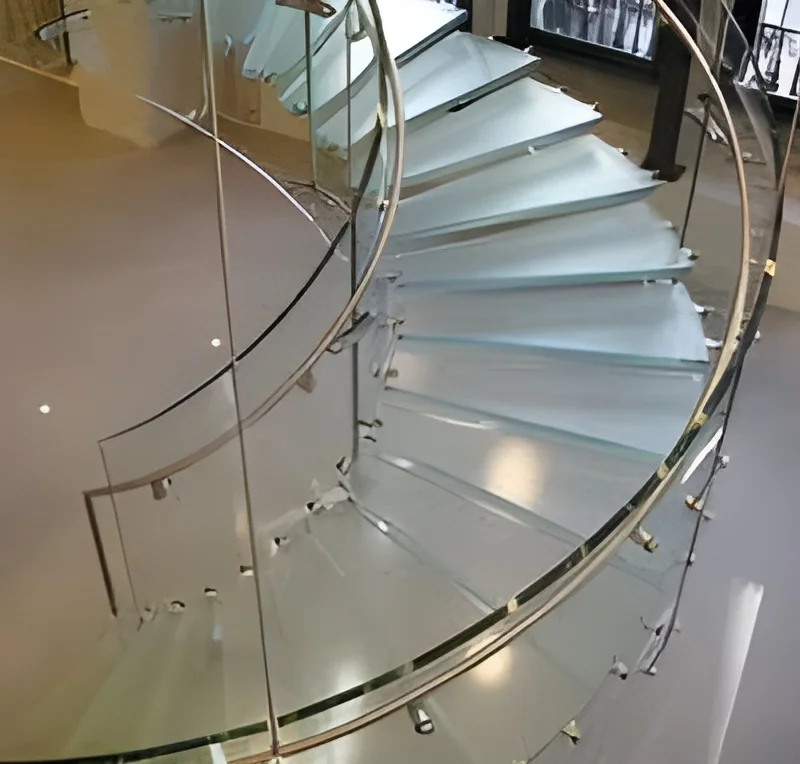
 India
 India
 India

Frequently Asked Questions
What are Custom Glass Fabrication?
Custom Glass Fabrication refers to the process of creating glass products tailored to specific requirements. This can include cutting, shaping, and finishing glass to meet the design needs of various applications.
What are the different types of Custom Glass Fabrication?
Different types of Custom Glass Fabrication include tempered glass, laminated glass, insulated glass units, and decorative glass. Each type serves unique purposes and is suited for various architectural and design applications.
How do I choose the right Custom Glass Fabrication?
To choose the right Custom Glass Fabrication, consider the specific requirements of your project, such as dimensions, thickness, and purpose. Additionally, evaluate the supplier's reputation, production capabilities, and customer reviews.
What are the standard specifications for Custom Glass Fabrication?
Standard specifications for Custom Glass Fabrication often include thickness, size, type of glass, and finishing details such as edge work and surface treatments. Adhering to industry standards ensures safety and durability.
What is the price range for Custom Glass Fabrication?
The price range for Custom Glass Fabrication can vary widely based on factors such as glass type, customization level, and order volume. Typically, prices may start from a few hundred rupees per square meter and can increase significantly for specialized fabrication.
What quality standards apply to Custom Glass Fabrication?
Quality standards for Custom Glass Fabrication may include ISO certifications and compliance with safety regulations such as ASTM and EN standards. These standards help ensure the glass products meet safety and performance criteria.
Where can I find Custom Glass Fabrication suppliers in India?
You can find Custom Glass Fabrication suppliers in India through online B2B marketplaces like Pepagora.com, trade directories, and local industry exhibitions. Researching supplier backgrounds and customer feedback can also assist in finding reliable sources.
Can Custom Glass Fabrication be customized?
Yes, Custom Glass Fabrication can be highly customized to meet specific design and functional requirements. Options for customization may include size, shapes, finishes, and additional treatments like tinting or frosting.
What is the typical minimum order quantity for Custom Glass Fabrication?
The typical minimum order quantity (MOQ) for Custom Glass Fabrication varies by supplier but often starts at around 50 to 100 square feet. It's advisable to check with individual suppliers for their specific MOQs.
What is the typical lead time for Custom Glass Fabrication?
The typical lead time for Custom Glass Fabrication can range from a few days to several weeks, depending on the complexity of the order and the supplier's production capacity. It's best to confirm lead times with the supplier prior to placing an order.
Why Businesses Trust Pepagora
Thousands of companies trust Pepagora to source smarter and sell faster
Expand Your Sales Globally

Source Smarter,Grow Faster
