
 IN
IN₹
Apparel & Fashion
Patch Fittings & Corner Joints
4 products available
What are Patch Fittings & Corner Joints?
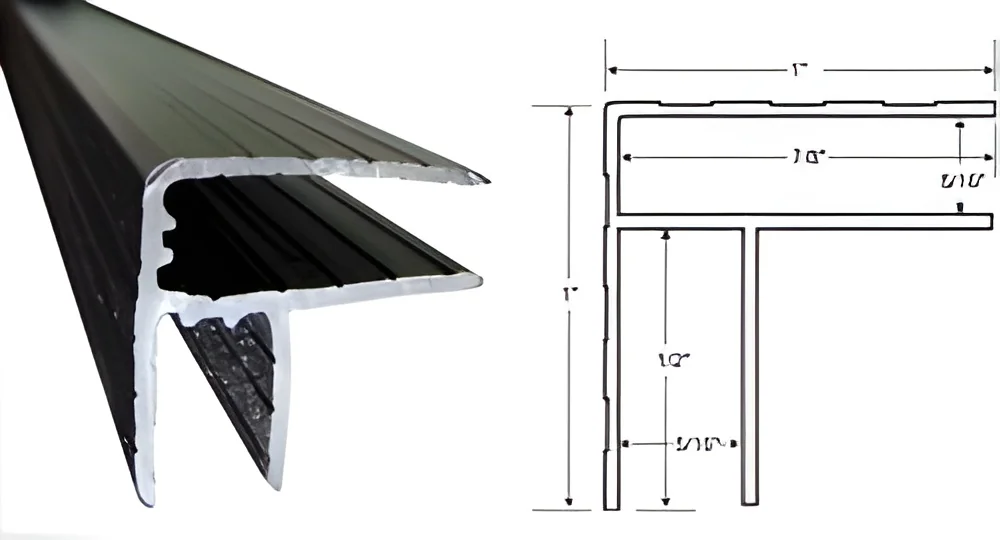
Patch fittings and corner joints are essential hardware components used primarily in glass installations. These fittings are designed to secure glass panels together or to connect them to structural elements such as walls or floors. They are commonly used in commercial and residential applications, providing both functional and aesthetic benefits.
These products are particularly relevant in the construction and architectural industries, where glass is frequently utilized for its visual appeal and transparency. Patch fittings offer a clean, modern look while ensuring structural integrity, making them popular for glass doors, partitions, and façade systems. As the demand for innovative designs increases, the market for patch fittings and corner joints continues to grow, reflecting the shift towards modern architectural styles.
Key Features and Specifications
Patch fittings and corner joints come with several key features that enhance their functionality and applicability in various settings. These specifications are crucial for ensuring the right fit and performance in installation projects.
Key specifications include:
1. Material Composition
- Typically made from stainless steel or aluminum for durability.
- Resistance to corrosion and wear.
2. Load Capacity
- Designed to support varying weights depending on the configuration.
- Standard load capacity ranges based on the application.
3. Finishing Options
- Available in polished, brushed, and powder-coated finishes.
- Enhances aesthetic appeal and compatibility with design themes.
4. Dimensions
- Standard sizes to fit common glass thicknesses.
- Custom sizes available for specific project requirements.
5. Installation Method
- Simple installation process that minimizes time and labor.
- Options for adhesive or mechanical fastening.
6. Safety Features
- Some models include safety glass compatibility.
- Compliance with safety standards and regulations.
7. Adjustability
- Certain fittings allow for adjustments post-installation.
- Ensures a perfect fit even in uneven surfaces.
In summary, understanding these specifications helps buyers select the correct patch fittings and corner joints for their projects.
Common Applications and Use Cases
Patch fittings and corner joints are versatile components used across various industries and applications.
1. Commercial Office Spaces: These fittings are commonly used in office glass partitions, providing an open and modern workspace while maintaining privacy.
2. Retail Environments: Glass storefronts and display cases utilize patch fittings to enhance visibility and accessibility, attracting customer attention.
3. Hospitality Industry: Hotels and restaurants often use glass doors and partitions to create elegant and inviting atmospheres while ensuring safety and functionality.
4. Residential Installations: Homeowners are increasingly using glass in interior designs, such as shower enclosures and glass railings, where patch fittings play a critical role.
5. Healthcare Facilities: Glass walls in hospitals and clinics promote a clean environment and visibility, often supported by robust patch fittings.
6. Educational Institutions: Schools and universities employ these fittings in modern classrooms and administrative offices to foster an open, collaborative environment.
7. Airports and Transportation Hubs: Glass installations in these facilities enhance aesthetics while maintaining security and structural strength.
Product Variants and Subcategories
Patch fittings and corner joints come in various configurations to meet different project needs.
Standard Patch Fittings
These are widely used for connecting glass panels in both commercial and residential applications. They offer a balance of strength and aesthetics, making them suitable for various designs.
Concealed Patch Fittings
Designed to be less visible, these fittings provide a seamless look for glass installations. They are ideal for high-end projects where visual appeal is a priority.
Corner Joints
These fittings are specifically designed to connect two glass panels at a corner. They ensure structural support while maintaining a sleek appearance.
Benefits and Advantages
Choosing patch fittings and corner joints offers several advantages for businesses.
1. Aesthetic Appeal: They provide a modern and sleek look that enhances any architectural design.
2. Durability: Made from high-quality materials, these fittings ensure long-lasting performance even in high-traffic areas.
3. Versatility: Suitable for various applications, they can be customized to fit specific project requirements.
4. Ease of Installation: Their design allows for easy and quick installation, reducing labor costs.
5. Safety Compliance: Many fittings meet or exceed industry safety standards, ensuring user safety.
6. Cost-Effective: Investing in quality fittings can lead to lower maintenance costs over time.
Buying Guide for B2B Buyers
When sourcing patch fittings and corner joints, several factors should be considered to ensure a successful purchase.
1. Quality Assessment: Evaluate the material quality and finish. Look for products that comply with industry standards and have a proven track record for durability.
2. Supplier Verification: Research suppliers to verify their reputability. Check for customer reviews, certifications, and their standing in the market.
3. Pricing and MOQ: Understand the pricing structure and minimum order quantities. Compare quotes from multiple suppliers to ensure competitive pricing.
4. Delivery and Lead Times: Consider logistics and lead times. Ensure that the supplier can meet your project deadlines and delivery requirements.
5. Compliance Requirements: Be aware of any regulatory standards that apply to your project. Ensure that the products meet local compliance needs.
Compliance and Certifications
Compliance and certifications are critical aspects of patch fittings and corner joints. Many products adhere to quality standards such as ISO 9001, which outlines requirements for a quality management system. This ensures that the manufacturing processes meet international quality benchmarks.
Additionally, products may carry industry certifications such as CE, indicating compliance with European safety standards. Meeting safety and testing requirements is essential, especially in applications where user safety is paramount.
Regional compliance considerations can vary, so it is important for buyers to verify that their chosen products meet local regulations and standards. This can include specific building codes or safety regulations that apply to glass installations.
Why Source Patch Fittings & Corner Joints from Pepagora?
Pepagora offers a reliable platform for sourcing patch fittings and corner joints, providing several key advantages for B2B buyers.
Verified Supplier Network: Pepagora connects buyers with a network of verified suppliers, ensuring that products meet high-quality standards and are sourced from reputable manufacturers.
Streamlined RFQ Process: The platform simplifies the request for quotation process, allowing buyers to easily compare offers and select the best options for their needs.
Trade Assurance and Support: Pepagora provides trade assurance, protecting buyers throughout the purchasing process. This includes support for any issues that may arise with orders.
Regional Coverage: Pepagora has a strong presence in key markets, including India, the GCC, and Southeast Asia. This geographic reach ensures that buyers have access to a wide variety of products and suppliers.
Newly Added



Frequently Asked Questions
1
What is Patch Fittings & Corner Joints?
Patch Fittings & Corner Joints is a product offered by global suppliers on Pepagora.
2
How do I find suppliers for Patch Fittings & Corner Joints?
Use Pepagora's search and filter options to find verified suppliers.
3
Can I request a quote for Patch Fittings & Corner Joints?
Yes, use the RFQ feature to request quotes from multiple suppliers.
4
Is Patch Fittings & Corner Joints available in multiple languages?
Pepagora supports multilingual catalogs for global buyers.
5
What trust signals are available for Patch Fittings & Corner Joints?
Look for TruBadge, RFQ, and multilingual support on supplier profiles.
Why Businesses Trust Pepagora
Thousands of companies trust Pepagora to source smarter and sell faster
Expand Your Sales Globally
25000+Products listed.Get discovered by global buyers
Tools to boost visibility
Build your own catalog

Source Smarter,Grow Faster
4000+Active RFQs
100+ Countries served
Easy Sourcing Tools
