
 IN
Laminated Safety Glass
12 products available
What are Laminated Safety Glass?
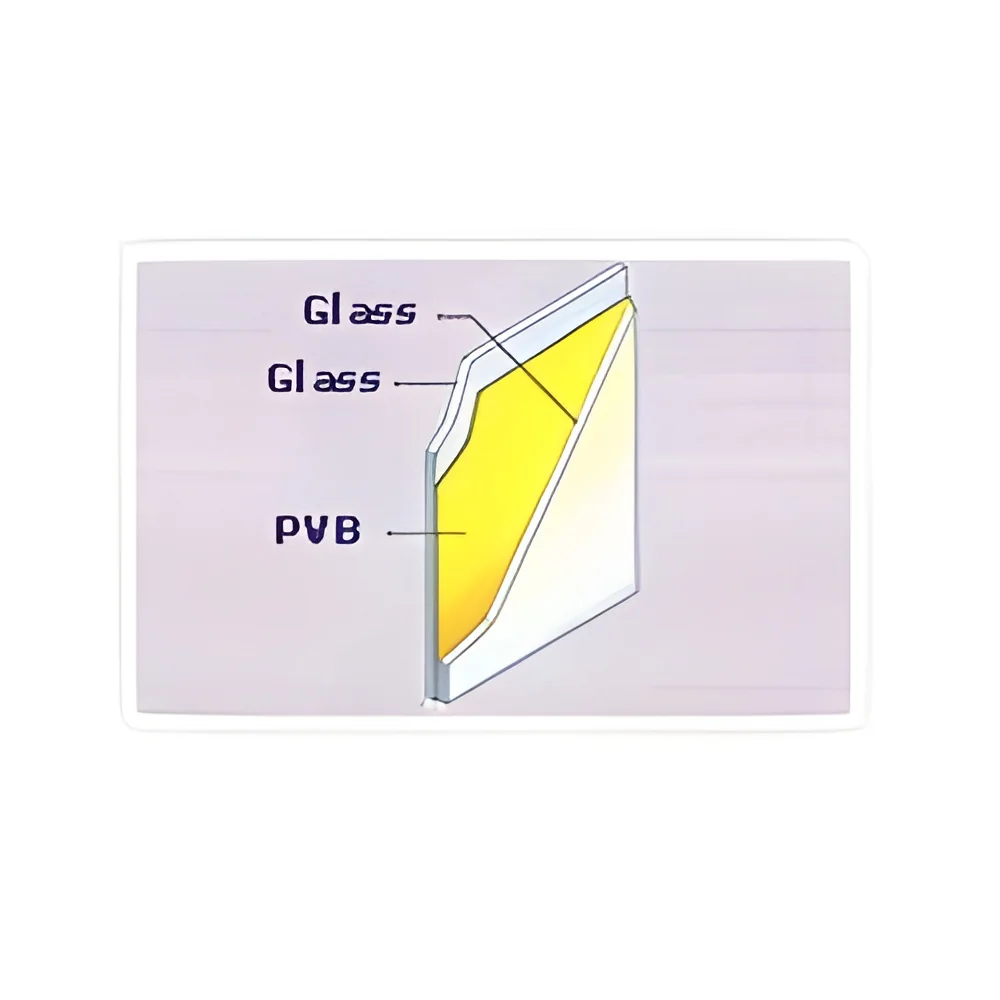
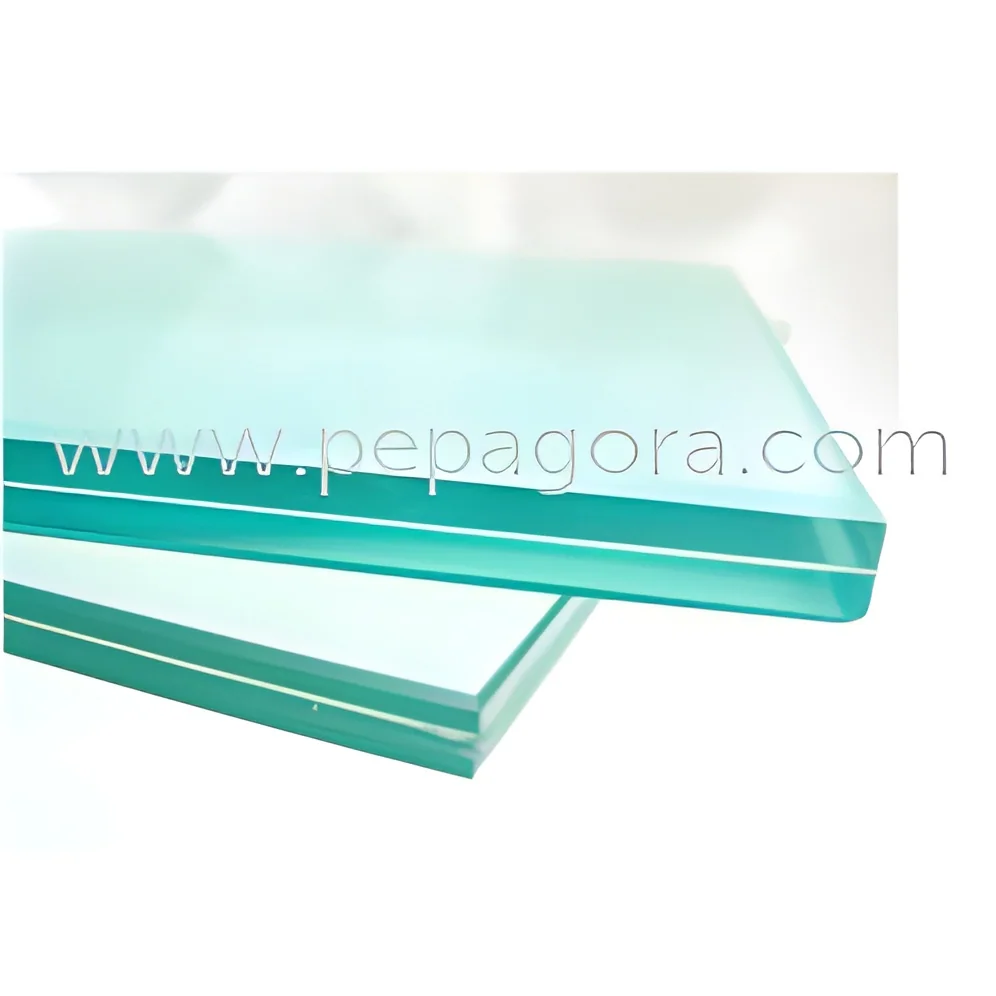
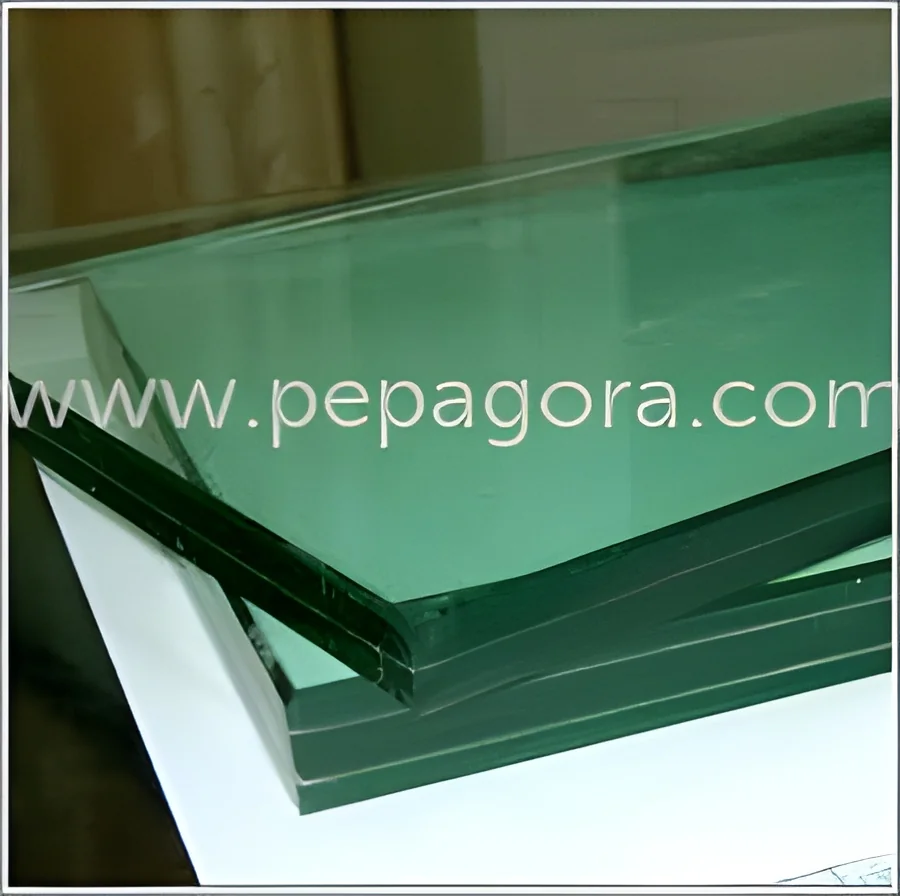
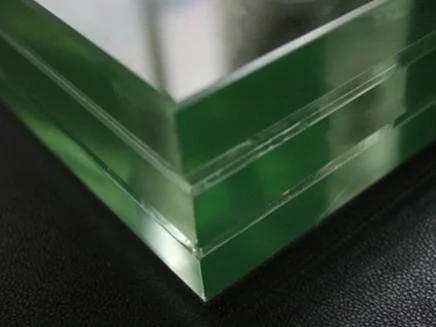
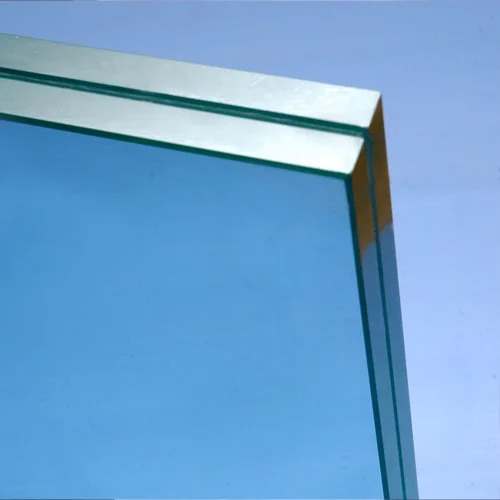
Laminated safety glass is a type of safety glass that combines two or more layers of glass with an interlayer made of polyvinyl butyral (PVB) or similar material. This interlayer is sandwiched between the glass layers, providing enhanced strength and security. In the event of breakage, the glass fragments adhere to the interlayer, minimizing the risk of injury and maintaining the integrity of the structure. This unique construction makes laminated safety glass a popular choice in applications where safety and security are paramount.
Laminated safety glass is widely used in various industries, including construction, automotive, and architectural design. Its ability to withstand impact makes it suitable for windows, skylights, and facades in commercial buildings, as well as windshields in vehicles. The use of laminated safety glass is also prevalent in areas requiring enhanced sound insulation and UV protection. As concerns for safety and security increase, the demand for laminated safety glass continues to grow, reflecting its relevance in both residential and commercial markets.
Key Features and Specifications
Laminated safety glass is characterized by several notable features that enhance its performance and usability. It offers improved safety, sound insulation, and UV protection. The glass can also be customized to meet specific design and performance requirements.
Key specifications include:
1. Glass Thickness
- Typically ranges from 6mm to 25mm
- Custom thickness options available based on project needs
2. Interlayer Type
- Commonly PVB or Ethylene Vinyl Acetate (EVA)
- Different interlayer options provide varying levels of security and sound reduction
3. Impact Resistance
- Designed to withstand significant impact forces
- Meets safety standards like ANSI Z97.1 and CPSC 16 CFR 1201
4. UV Protection
- Offers protection against harmful UV rays
- Can block up to 99% of UV radiation
5. Sound Insulation
- Reduces noise transmission effectively
- Sound reduction ratings (STC) can vary based on thickness and interlayer type
6. Safety Ratings
- Complies with industry safety regulations
- Certified by relevant organizations for quality assurance
7. Aesthetic Options
- Available in various tints and finishes
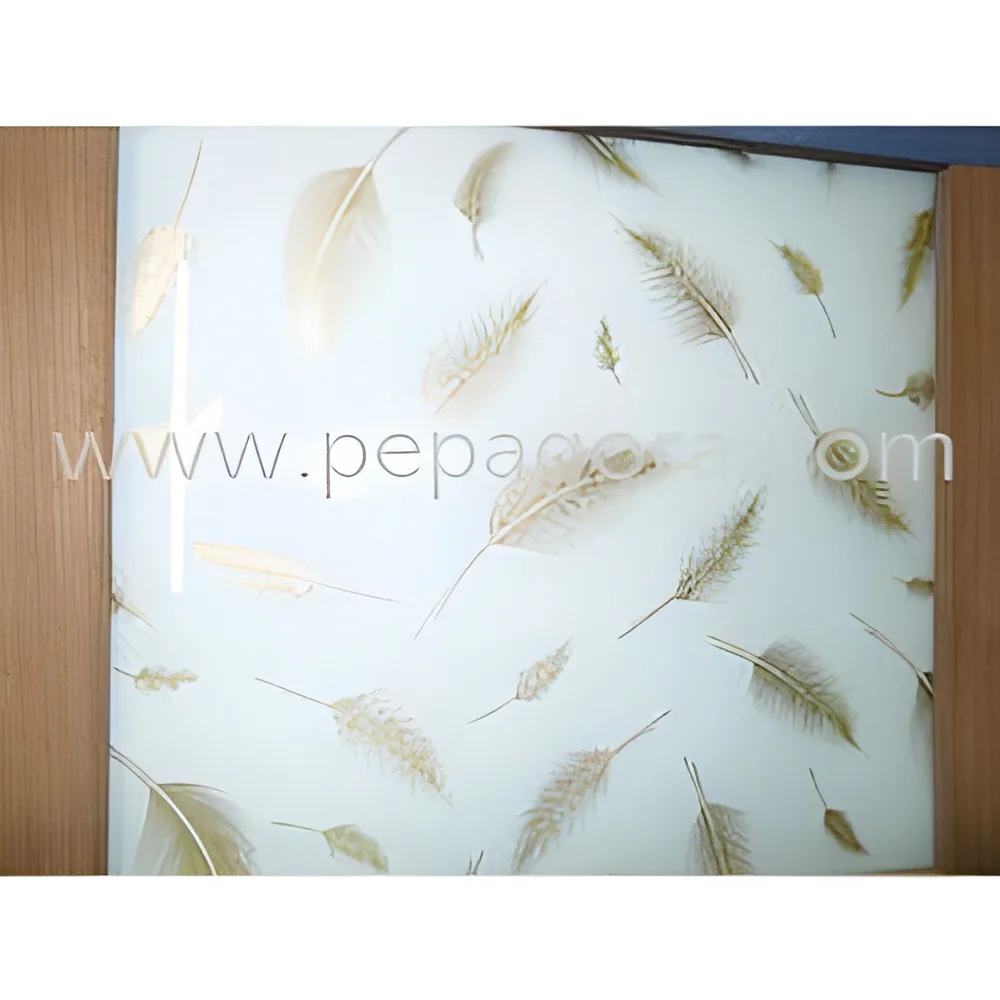
- Can be customized for decorative purposes
8. Customization Capabilities
- Can be tailored to specific shapes and sizes
- Flexibility in design for unique architectural applications
In summary, laminated safety glass combines safety, durability, and aesthetic appeal, making it an essential component in numerous applications.
Common Applications and Use Cases
Laminated safety glass serves various industries with specialized applications that leverage its unique properties.
1. Construction: Used in commercial and residential buildings for windows and facades, offering both safety and energy efficiency.
2. Automotive: Integral to vehicle windshields and side windows, where impact resistance is crucial for passenger safety.
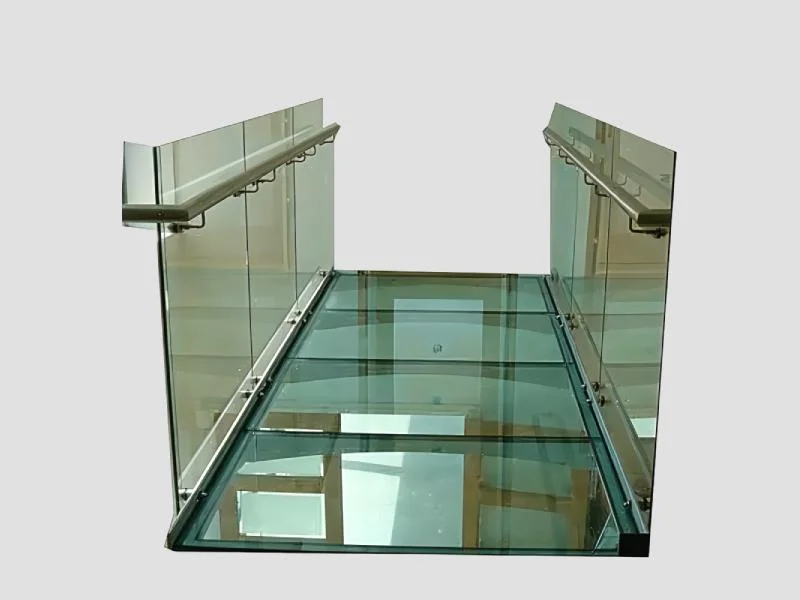
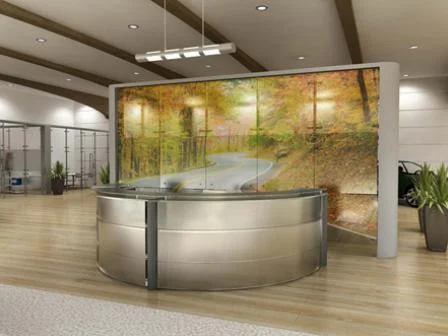
3. Architectural Design: Employed in skylights and glass railings, providing transparency while ensuring a secure environment.
4. Security Installations: Utilized in bank teller windows and storefronts to enhance security against break-ins.
5. Public Transport: Used in train and bus windows to enhance passenger safety and comfort.
6. Marine Applications: Applied in boats and ships for windows that need to withstand harsh marine environments.
7. Furniture Design: Featured in tables and display cases, adding an aesthetic touch while ensuring safety.
Product Variants and Subcategories
Laminated safety glass comes in various forms to meet different needs and specifications.
Clear Laminated Glass
This variant is designed for maximum clarity and transparency, making it ideal for applications where visibility is essential. It offers excellent safety features while maintaining an unobstructed view.
Tinted Laminated Glass
Tinted options provide solar control and glare reduction, making them suitable for buildings in sunny regions. The tint can be customized for design aesthetics while maintaining safety standards.
Acoustic Laminated Glass
This variant is specifically designed to reduce noise transmission, making it ideal for areas requiring sound insulation, such as music studios and residential buildings near busy roads.
Benefits and Advantages
The benefits of laminated safety glass are significant and contribute to its growing popularity in various sectors.
1. Enhanced Safety: The interlayer holds shattered glass together, reducing the risk of injury during breakage.
2. Superior Sound Insulation: Offers effective noise reduction, making environments more comfortable.
3. UV Protection: Shields interiors from harmful UV rays, protecting furnishings and occupants.
4. Increased Security: Provides a deterrent against break-ins and vandalism due to its tough construction.
5. Aesthetic Flexibility: Available in various colors and finishes, it can be tailored to fit different design themes.
6. Energy Efficiency: Contributes to better thermal insulation, potentially lowering energy costs for heating and cooling.
Buying Guide for B2B Buyers
When sourcing laminated safety glass, there are several important factors to consider to ensure a successful purchase.
1. Quality Assessment: Look for products that comply with industry standards and certifications. Evaluate the supplier’s reputation and the quality of their offerings.
2. Supplier Verification: Conduct thorough background checks on suppliers. Ensure they have a proven track record in delivering quality products and reliable service.
3. Pricing and MOQ: Understand the pricing structure and minimum order quantities. Compare quotes from multiple suppliers to find the best value.
4. Delivery and Lead Times: Discuss logistics and expected delivery times. Ensure the supplier can meet your project timelines.
5. Compliance Requirements: Be aware of relevant regulations and compliance standards in your region. Ensure that the laminated safety glass meets all necessary certifications.
Compliance and Certifications
Laminated safety glass is subject to various quality standards and compliance regulations that ensure its safety and performance. One of the key quality standards is ISO 9001, which emphasizes the importance of quality management systems in manufacturing processes. Adherence to such standards ensures that the glass produced meets high-quality benchmarks.
In addition to ISO certifications, laminated safety glass often carries the CE mark, indicating compliance with European safety and health requirements. This certification is crucial for manufacturers and suppliers targeting the European market.
Safety and testing requirements are also critical, as laminated safety glass must undergo rigorous testing to verify its impact resistance and overall durability. These tests help ensure that the product can withstand the demands of its intended applications.
Regional compliance considerations may vary, so it is essential for buyers to familiarize themselves with local regulations regarding laminated safety glass. Understanding these requirements is vital for ensuring that the products used in construction or automotive applications are compliant and safe.
Why Source Laminated Safety Glass from Pepagora?
Pepagora provides a trusted platform for sourcing laminated safety glass, presenting several key advantages for B2B buyers.
Verified Supplier Network: Pepagora boasts a comprehensive network of verified suppliers who specialize in laminated safety glass. Each supplier is vetted to ensure quality and reliability, giving buyers confidence in their sourcing decisions.
Streamlined RFQ Process: The platform offers an efficient request for quotation (RFQ) process, allowing buyers to easily compare quotes from multiple suppliers. This simplifies the sourcing process and helps businesses make informed purchasing decisions.
Trade Assurance and Support: With trade assurance programs in place, Pepagora offers buyers protection during transactions. This support ensures that buyers receive the products they expect, fostering trust between suppliers and buyers.
Regional Coverage: Pepagora serves a wide geographic area, including India, the GCC, and Southeast Asia. This extensive reach enables buyers to connect with suppliers that can meet their specific regional needs, enhancing their procurement capabilities.




Frequently Asked Questions
What are Laminated Safety Glass?
Laminated Safety Glass is a type of safety glass that consists of two or more layers of glass bonded together with an interlayer, typically made of polyvinyl butyral (PVB). This configuration enhances strength and reduces the risk of shattering, making it ideal for applications where safety is a priority.
What are the different types of Laminated Safety Glass?
There are several types of Laminated Safety Glass, including clear laminated glass, tinted laminated glass, and acoustic laminated glass. Each type serves specific purposes, such as improving aesthetics, reducing noise, or enhancing security.
How do I choose the right Laminated Safety Glass?
Selecting the appropriate Laminated Safety Glass involves considering factors such as thickness, interlayer type, and intended use. It is important to evaluate the specific safety requirements, environmental conditions, and design preferences for your project.
What are the standard specifications for Laminated Safety Glass?
Standard specifications for Laminated Safety Glass typically include thickness, impact resistance, and optical clarity. These specifications may vary based on industry standards and specific regulations applicable to construction and automotive applications.
What is the price range for Laminated Safety Glass?
The price range for Laminated Safety Glass can vary widely depending on factors such as thickness, size, and manufacturer. Generally, prices can start from a few hundred to several thousand rupees per square meter.
What quality standards apply to Laminated Safety Glass?
Laminated Safety Glass must comply with various quality standards, including those set by the Bureau of Indian Standards (BIS) and international standards such as ISO and ASTM. These standards ensure that the glass meets safety, durability, and performance requirements.
Where can I find Laminated Safety Glass suppliers in India?
You can find Laminated Safety Glass suppliers in India through online B2B marketplaces like Pepagora.com, industry trade shows, and local glass manufacturers. Researching suppliers' credentials and customer reviews can help you choose reliable partners.
Can Laminated Safety Glass be customized?
Yes, Laminated Safety Glass can be customized in terms of size, thickness, and interlayer options. Many manufacturers offer tailored solutions to meet specific architectural designs and safety requirements.
What is the typical minimum order quantity for Laminated Safety Glass?
The typical minimum order quantity (MOQ) for Laminated Safety Glass varies by supplier but often ranges from 50 to 100 square meters. It's advisable to check with individual suppliers for their specific MOQ policies.
What is the typical lead time for Laminated Safety Glass?
The typical lead time for Laminated Safety Glass can range from 2 to 6 weeks, depending on factors such as order size, customization requirements, and supplier capabilities. Always confirm lead times with your chosen supplier.
Why Businesses Trust Pepagora
Thousands of companies trust Pepagora to source smarter and sell faster
Expand Your Sales Globally

Source Smarter,Grow Faster
