What are Tempered/Toughened Glass?
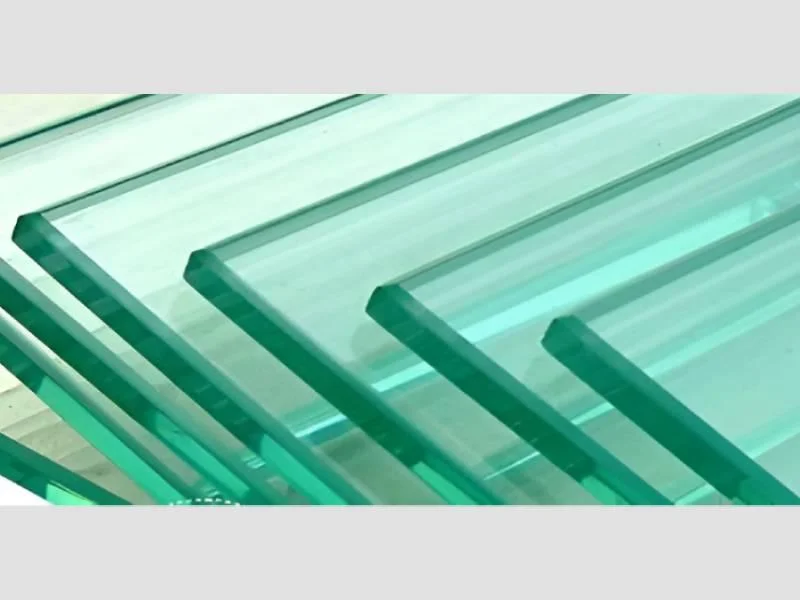
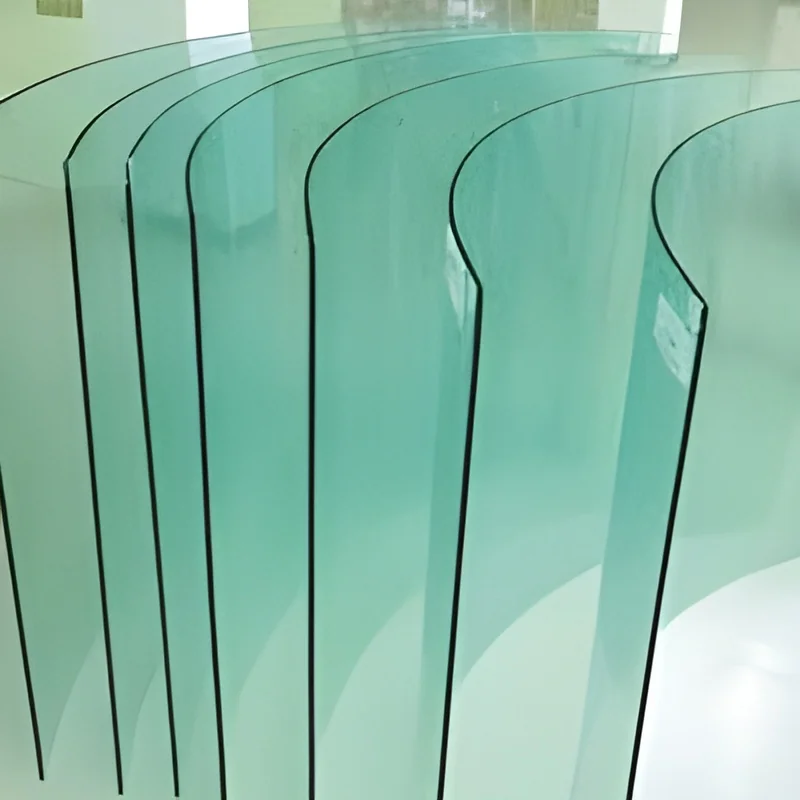
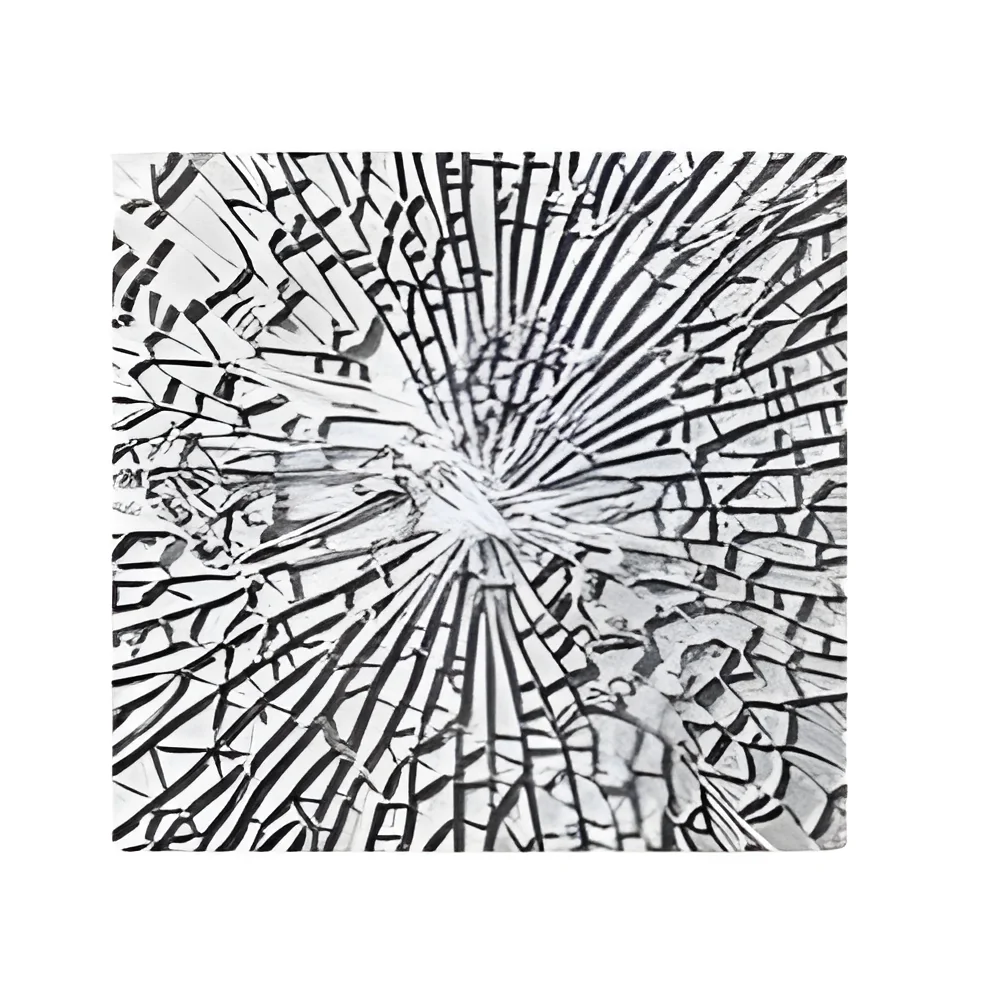
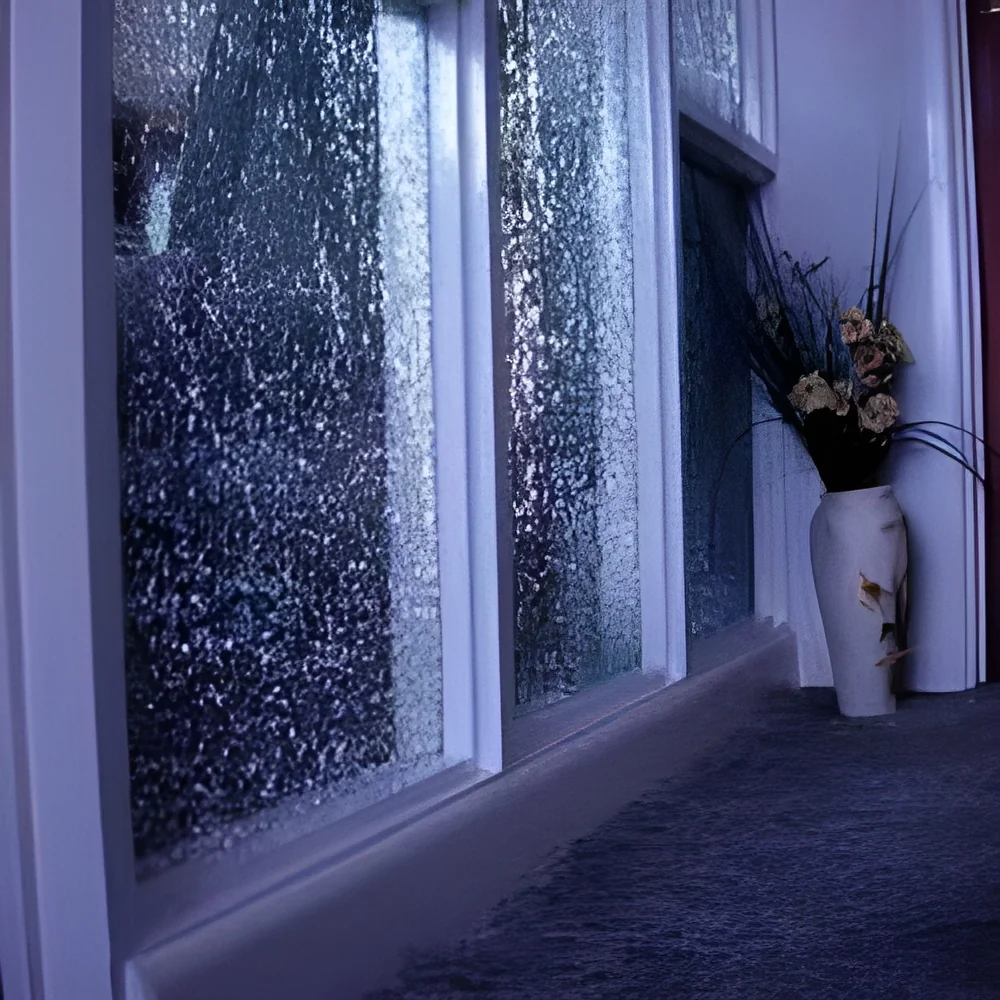
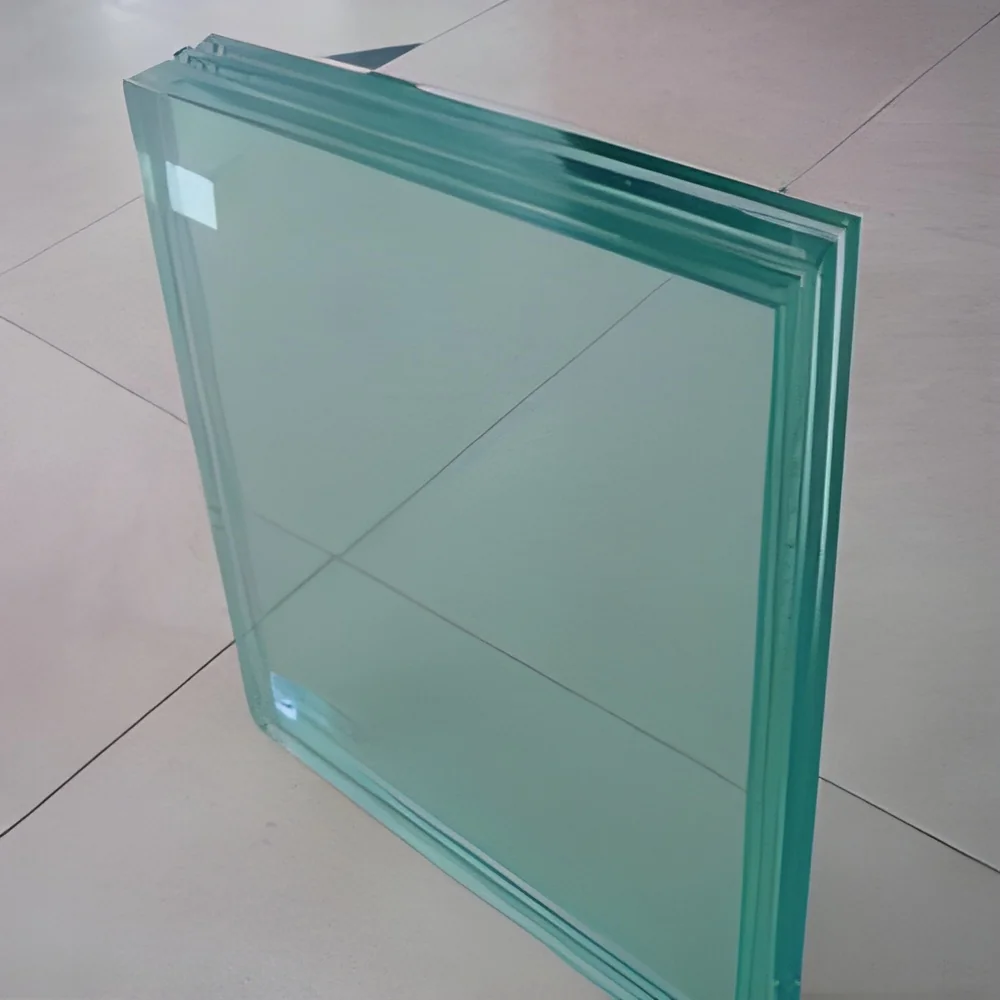
Tempered or toughened glass is a type of safety glass that has been treated by controlled thermal processes to increase its strength. This process involves heating the glass to high temperatures and then rapidly cooling it. As a result, tempered glass is significantly more resistant to impact and thermal stress compared to regular glass. When broken, it shatters into small, blunt pieces, reducing the risk of injury.
This type of glass is widely used in various business applications due to its durability and safety characteristics. Common uses include windows, doors, and facades in commercial buildings, as well as in automotive and furniture industries. The demand for tempered glass is growing, driven by safety regulations and a push for higher standards in construction and manufacturing.
In the context of the industrial market, tempered glass plays a crucial role in enhancing safety and aesthetic appeal. As industries increasingly prioritize safety and design, the relevance of tempered glass continues to expand, making it a staple in modern construction and manufacturing.
Key Features and Specifications
Tempered glass is known for its robust features and specifications that cater to various industrial needs. Below are some key specifications that define its utility and performance.
1. Strength and Durability
- Tempered glass is approximately five times stronger than standard glass.
- It can withstand high levels of stress and impact, ensuring longevity.
2. Safety Features
- In the event of breakage, it fragments into small, non-sharp pieces.
- This minimizes the risk of injury, making it suitable for both public and private spaces.
3. Thermal Resistance
- Tempered glass can endure high temperatures and sudden changes in temperature.
- It is ideal for applications requiring temperature control, such as in facades or shower doors.
4. Thickness Options
- Common thickness ranges are from 4 mm to 19 mm.
- The thickness can be customized depending on specific application requirements.
5. Transparency and Clarity
- Offers high optical clarity, allowing for maximum light transmission.
- Suitable for applications where visibility is crucial.
6. Customization
- Available in various sizes and can be cut to fit specific requirements.
- Can also be treated for additional features, such as tinting or coating.
In summary, the key features of tempered glass make it a versatile choice for a variety of applications across multiple industries.
Common Applications and Use Cases
Tempered glass has a wide range of applications across different sectors, capitalizing on its strength and safety features.
1. Construction Industry: It is commonly used in buildings for windows, doors, and partitions, enhancing both safety and aesthetics.
2. Automotive Industry: Tempered glass is utilized in car windows and sunroofs, providing safety and improved visibility.
3. Furniture Manufacturing: It is used in tabletops and shelves, combining elegance with durability.
4. Shower Enclosures: The glass is a popular choice for shower doors due to its ability to withstand high humidity and temperature changes.
5. Display Cases: Retail environments often use tempered glass for display cases because of its clarity and strength.
6. Facades: It is employed in building facades, where both thermal resistance and safety are critical.
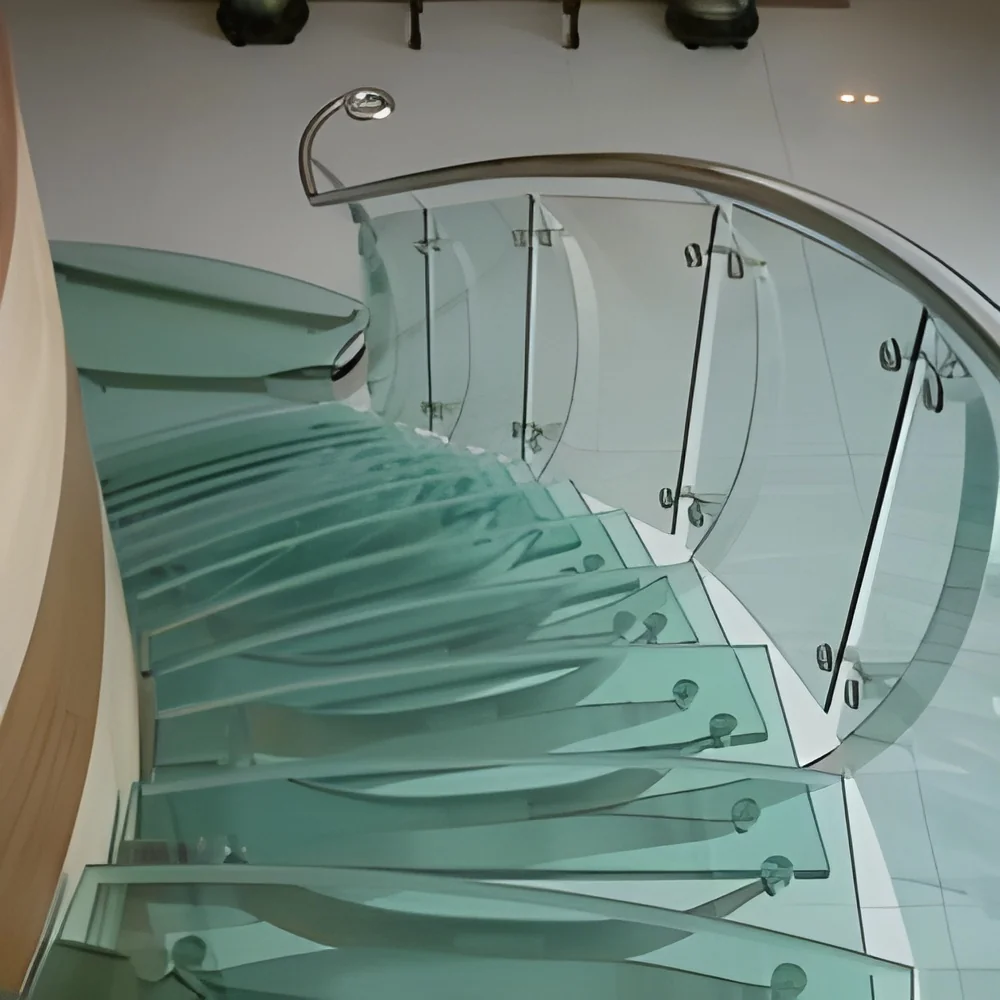
7. Balustrades: Tempered glass is used in staircases and balconies, providing safety without compromising on design.
Product Variants and Subcategories
Tempered glass comes in various forms to meet diverse industrial needs.
Clear Tempered Glass
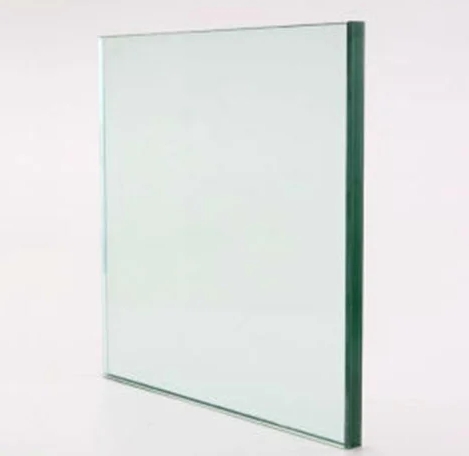
This is the most common variant, known for its high transparency and clarity. It is often used in architectural applications, such as windows and doors, where visibility is essential.
Frosted Tempered Glass
This variant features a frosted surface that provides privacy while still allowing light to pass through. It is widely used in office partitions and bathroom enclosures.
Tinted Tempered Glass
Tinted variants are designed to reduce glare and heat gain. They are commonly used in commercial buildings where energy efficiency and comfort are priorities.
Laminated Tempered Glass
Combining layers of glass with a laminate, this variant enhances safety and sound insulation. It is suitable for high-risk applications, such as in public spaces.
Benefits and Advantages
The use of tempered glass provides numerous advantages for industrial applications.
1. Enhanced Safety: Its shatter-resistant properties significantly reduce the risk of injury in case of breakage.
2. Increased Strength: The manufacturing process makes tempered glass much stronger than standard glass, offering better resistance to impact.
3. Versatile Applications: Its ability to be customized in size and shape allows for a wide range of applications across different industries.
4. Thermal Stability: The glass can endure high temperatures, making it suitable for various environments, including kitchens and bathrooms.
5. Aesthetic Appeal: Tempered glass offers high clarity and design flexibility, enhancing the overall look of any space.
6. Cost-Effective: While the initial investment may be higher, the durability and longevity of tempered glass lead to lower long-term maintenance costs.
Buying Guide for B2B Buyers
When sourcing tempered glass, several key factors should be considered to ensure quality and suitability for your specific needs.
1. Quality Assessment: Look for suppliers who adhere to stringent quality standards. Consider certifications such as CE to ensure the glass meets safety requirements.
2. Supplier Verification: Vet suppliers thoroughly to ensure they have a good track record in delivering high-quality products. Check for reviews and past performance.
3. Pricing and MOQ: Understand the pricing structure and minimum order quantities to ensure they align with your budget and project requirements.
4. Delivery and Lead Times: Inquire about logistics and lead times to ensure timely delivery of your orders, especially for larger projects.
5. Compliance Requirements: Ensure that the tempered glass meets local and industry-specific regulations. Familiarize yourself with any regional compliance requirements.
Compliance and Certifications
Tempered glass is subject to various quality standards and certifications to ensure safety and reliability.
ISO 9001 is a widely recognized standard that outlines quality management systems. Compliance with this standard indicates that the manufacturer maintains high-quality production processes.
CE marking is essential for products sold within the European Economic Area, ensuring that they meet EU safety, health, and environmental requirements.
Safety and testing requirements are crucial, particularly in applications where human safety is a concern. Manufacturers should conduct rigorous testing to verify the glass's strength and safety characteristics.
Regional compliance considerations may vary, and it is important for buyers to be aware of local regulations that govern the use of tempered glass in construction and manufacturing.
Why Source Tempered/Toughened Glass from Pepagora?
Pepagora offers a reliable platform for sourcing tempered glass, ensuring businesses have access to high-quality products from verified suppliers.
Verified Supplier Network: Pepagora’s extensive network includes trusted suppliers who have been thoroughly vetted for quality and reliability. This helps buyers find reputable sources quickly.
Streamlined RFQ Process: The request for quotation (RFQ) process is user-friendly, allowing buyers to submit their requirements easily and receive competitive bids from multiple suppliers.
Trade Assurance and Support: Pepagora provides trade assurance to protect buyers. This ensures that transactions are secure and that buyers receive the products they expect.
Regional Coverage: With a strong presence in India, the GCC, and Southeast Asia, Pepagora offers geographic reach that facilitates access to tempered glass suppliers across these regions, enhancing convenience for buyers.

 IN
IN