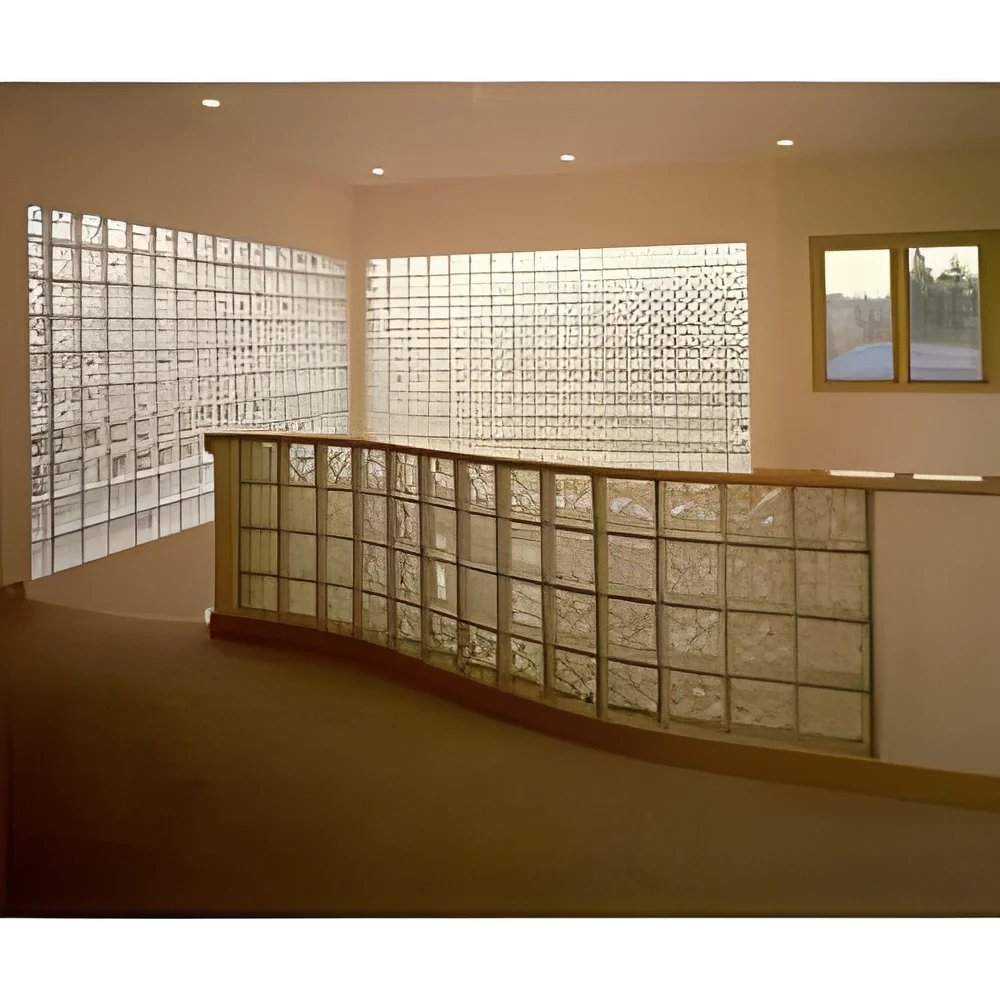
What are Glass for Windows & Doors?
Glass for windows and doors is a critical component in the construction and renovation of residential and commercial buildings. It refers to the various types of glass used in windows and doors, providing both functional and aesthetic benefits. This glass can vary in thickness, composition, and treatment, allowing it to fulfill different roles such as insulation, safety, and UV protection.
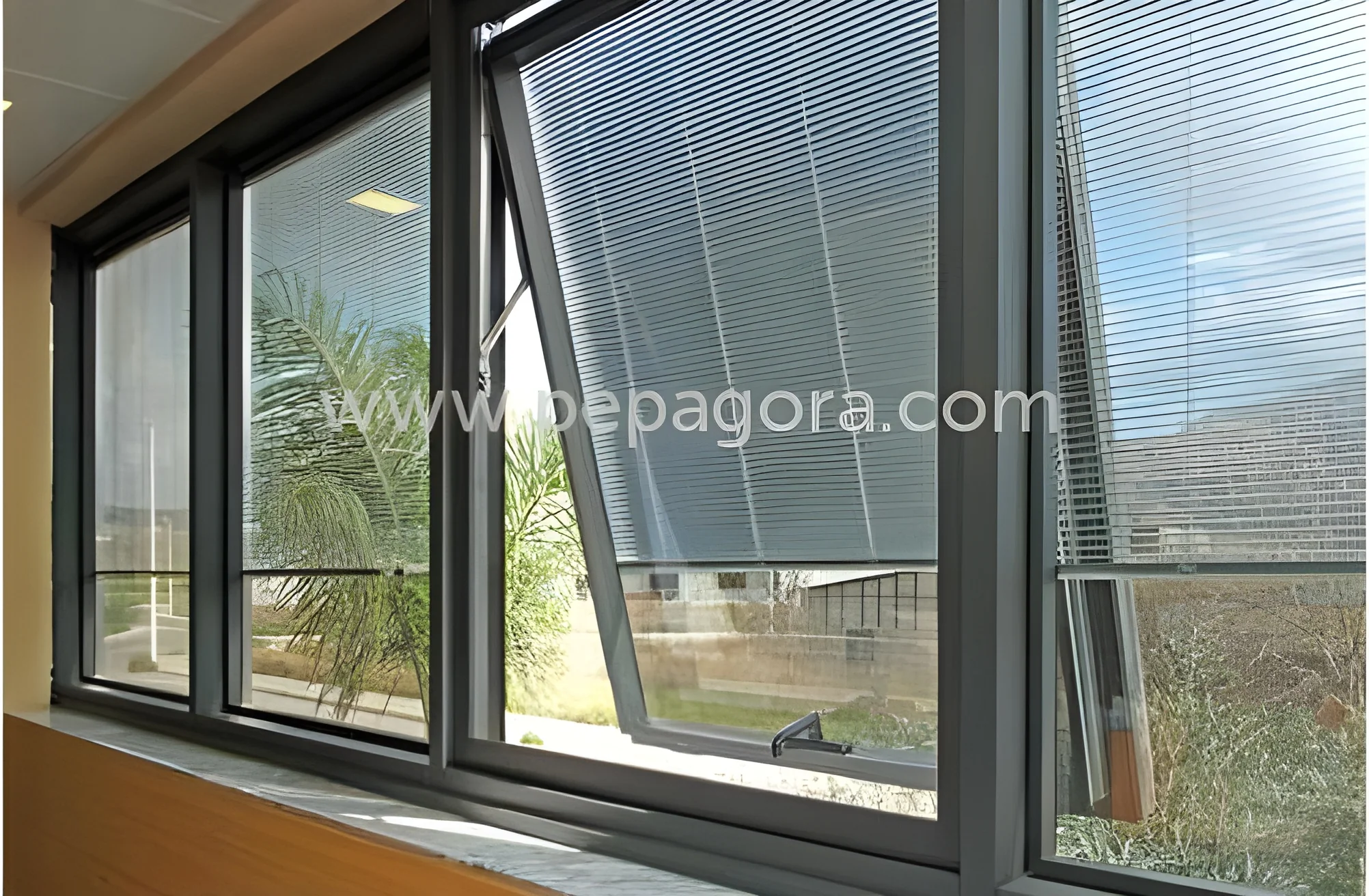
The primary uses of glass in windows and doors include providing visibility, allowing natural light, and enhancing energy efficiency. In commercial applications, glass is often utilized for storefronts, office partitions, and entrance doors, contributing to an inviting atmosphere. In residential settings, windows and doors made of glass can improve curb appeal and increase property value while also serving practical purposes like thermal insulation and sound proofing.
In today's market, the demand for energy-efficient and aesthetically pleasing glass products is growing. This trend is driven by the increasing focus on sustainability and energy conservation in construction. As a result, manufacturers are continually innovating to develop glass solutions that meet these evolving needs.
Key Features and Specifications
The selection of glass for windows and doors involves understanding its key features and specifications. These specifications determine the glass’s suitability for different applications and environments.
Key specifications include:
1. Thickness
- Typical ranges from 4mm to 12mm, depending on application.
- Thicker glass provides better insulation and sound attenuation.
2. Energy Efficiency Rating
- Measured by U-values; lower values indicate better insulation.
- Common ratings range from 0.3 to 1.5 W/m²K.
3. Safety Features
- Options include tempered or laminated glass for enhanced safety.
- Meets building codes for impact resistance.
4. UV Protection
- Glass can be treated to block up to 99% of harmful UV rays.
- Helps in protecting interiors from fading.
5. Sound Insulation
- STC ratings indicate sound transmission; higher ratings provide better noise reduction.
- Commonly ranges from 30 to 50 STC.
6. Coatings and Treatments
- Reflective, tinted, or low-emissivity coatings available.
- Coatings enhance performance by improving thermal efficiency or glare reduction.
7. Finish Options
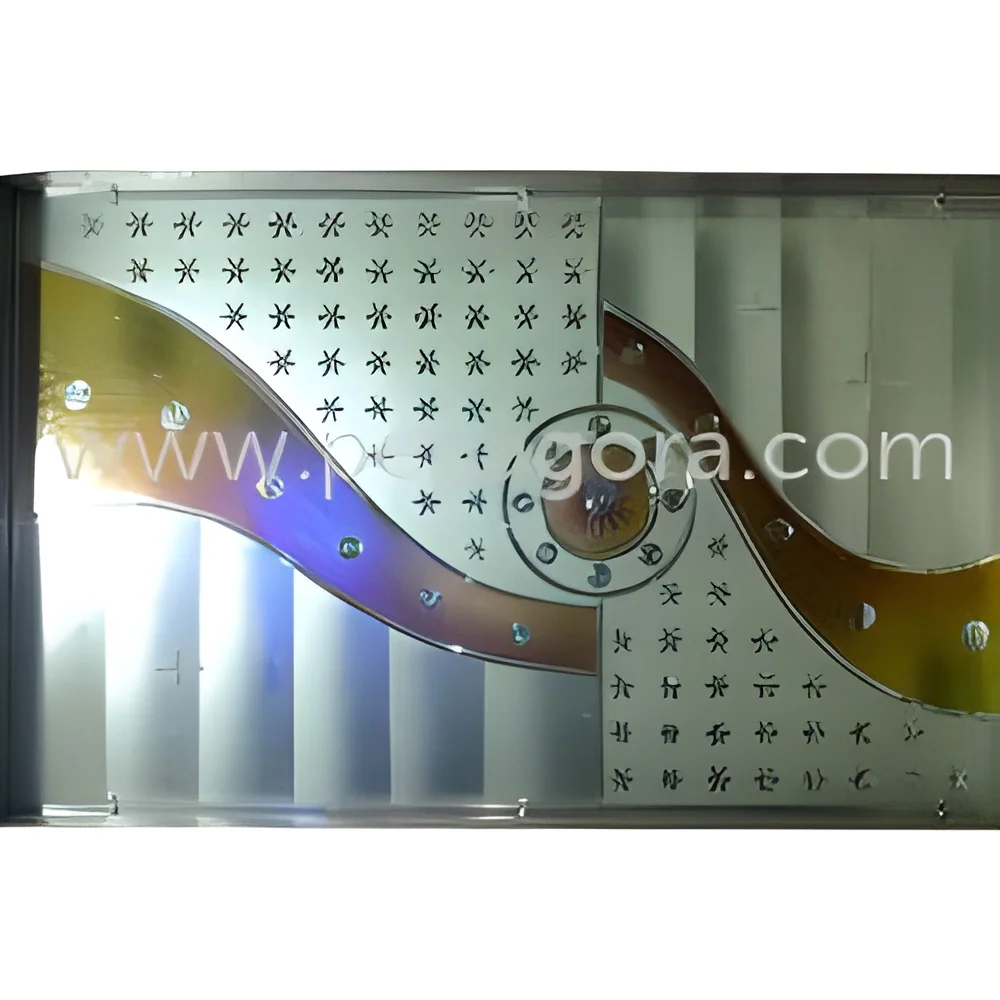
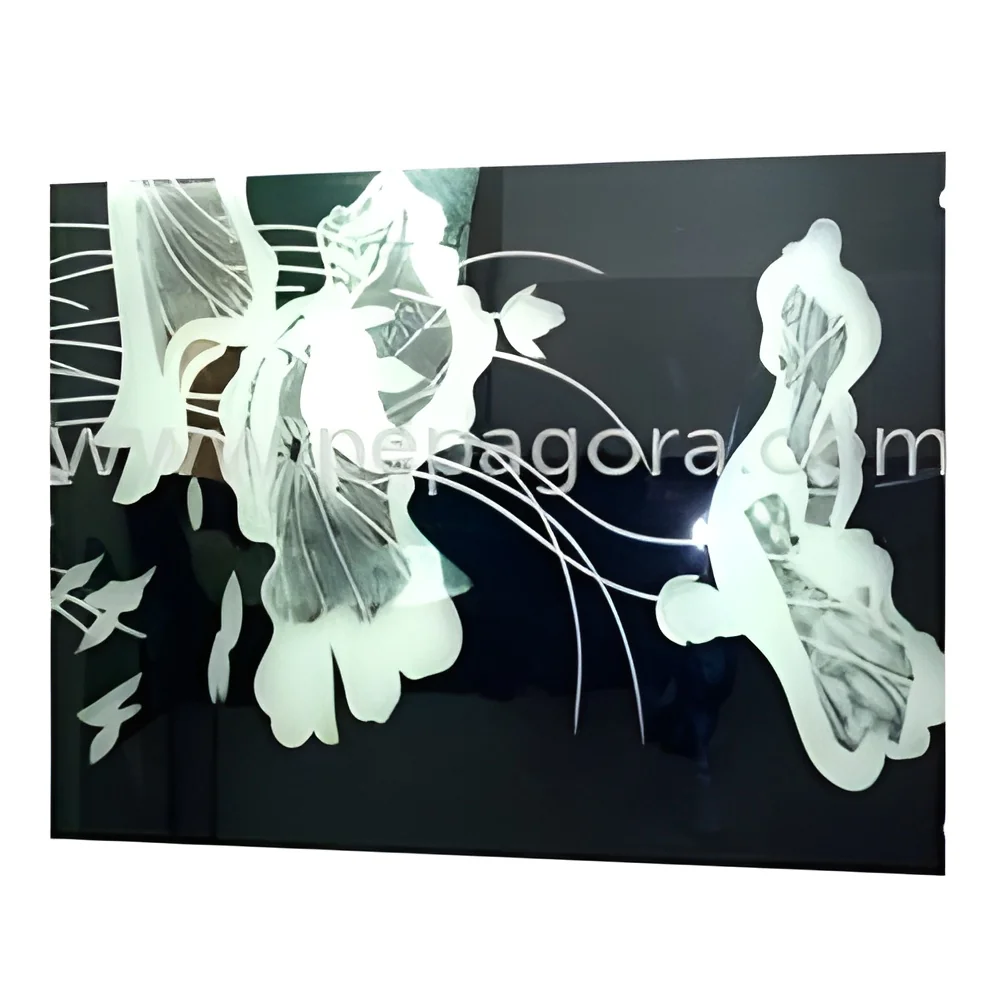
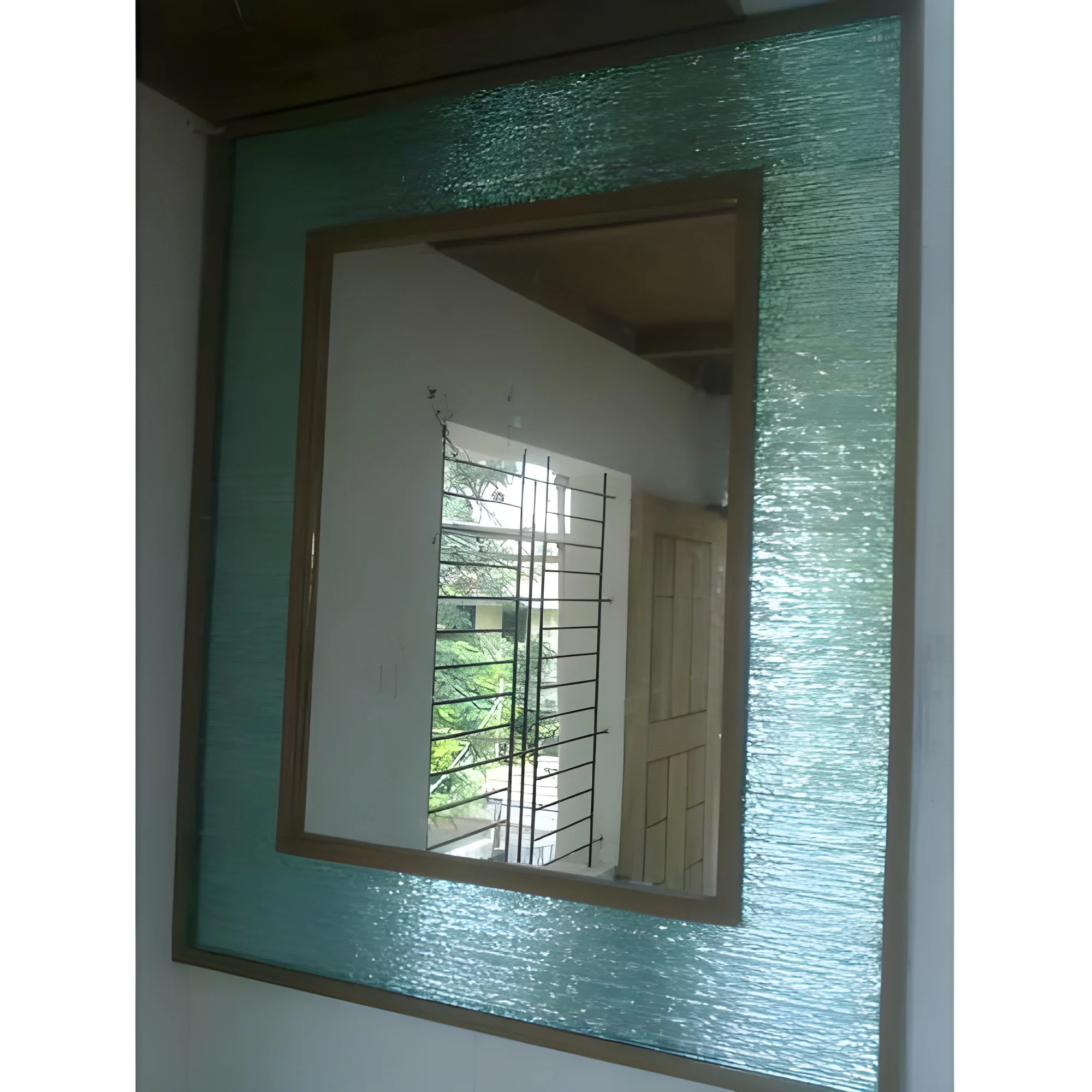
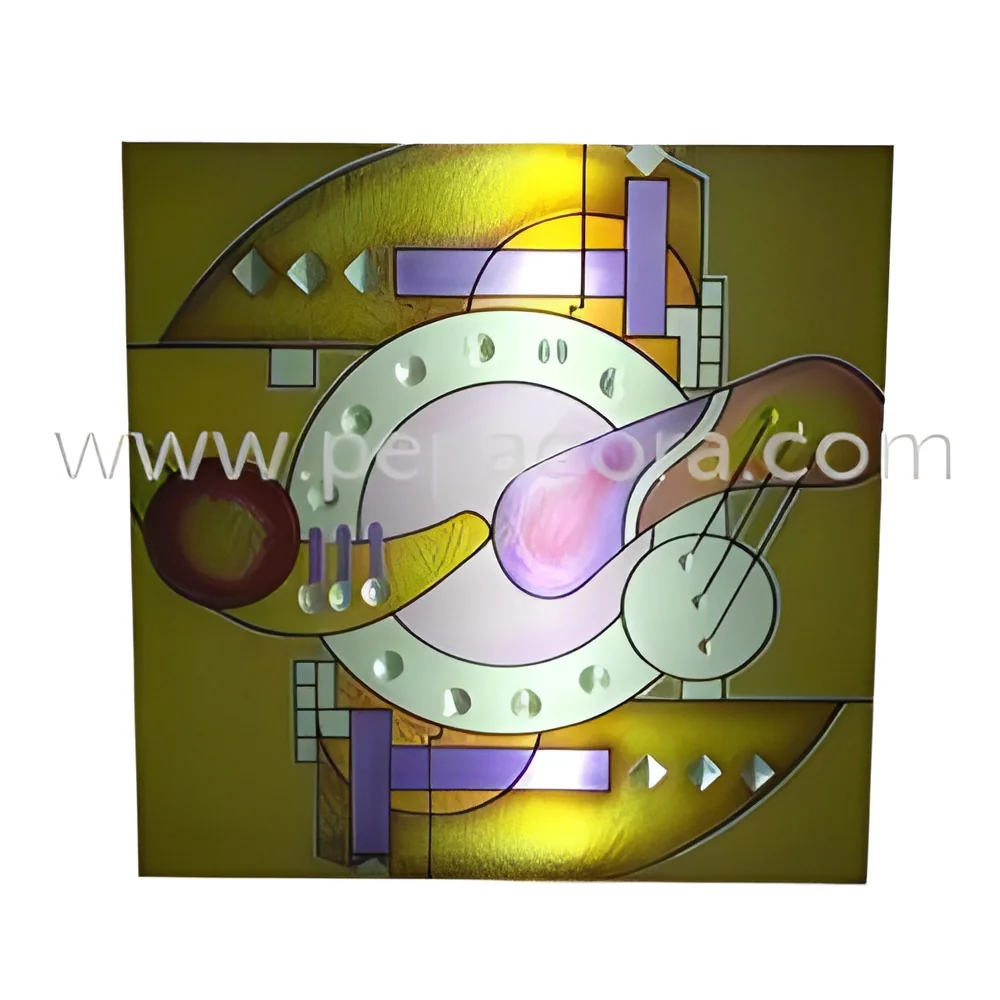
- Clear, frosted, etched, or patterned finishes available.
- Allows customization for aesthetic appeal.
8. Compliance Standards
- Must meet regional building codes and safety standards.
- CE marking indicates compliance with European regulations.
Understanding these specifications helps buyers choose the right glass products for their specific needs, ensuring optimal performance and compliance with regulations.
Common Applications and Use Cases
Glass for windows and doors serves various industries with unique requirements.
1. Residential Construction: In homes, glass is used for windows and doors to enhance natural light and provide energy efficiency. It also plays a role in architectural design, contributing to the overall aesthetic.
2. Commercial Buildings: Offices and retail spaces utilize glass storefronts and partitions to create an open, inviting environment. This enhances visibility and promotes interaction with customers.
3. Hospitality: Hotels and restaurants often feature large glass windows and sliding doors to offer scenic views and seamless indoor-outdoor transitions, improving guest experiences.
4. Industrial Facilities: Glass is used in warehouses and manufacturing plants for safety and visibility. Specialized glass can also provide insulation in temperature-controlled environments.
5. Healthcare: Hospitals and clinics use glass in windows and doors to create a calming atmosphere while allowing ample natural light, which benefits patient recovery.
6. Educational Institutions: Schools and universities incorporate glass to foster a bright learning environment, improving energy efficiency and allowing for collaborative spaces.
7. Retail: Glass display cases and doors are essential in showcasing products while maintaining security and accessibility in retail spaces.
Product Variants and Subcategories
Glass for windows and doors comes in various forms to cater to different needs and preferences.
Clear Glass: This is the most common type, offering high visibility without any tint. It is widely used in both residential and commercial buildings for its aesthetic appeal.
Tempered Glass: Known for its strength and safety features, tempered glass is often used in high-traffic areas and where safety is a concern. It shatters into small, blunt pieces rather than sharp shards.
Laminated Glass: Composed of two or more layers of glass with an interlayer, laminated glass enhances safety and sound insulation. It is commonly used in skylights and glass facades.
Low-E Glass: This type of glass has a special coating that reflects heat, improving energy efficiency. It is ideal for climates with extreme temperatures.
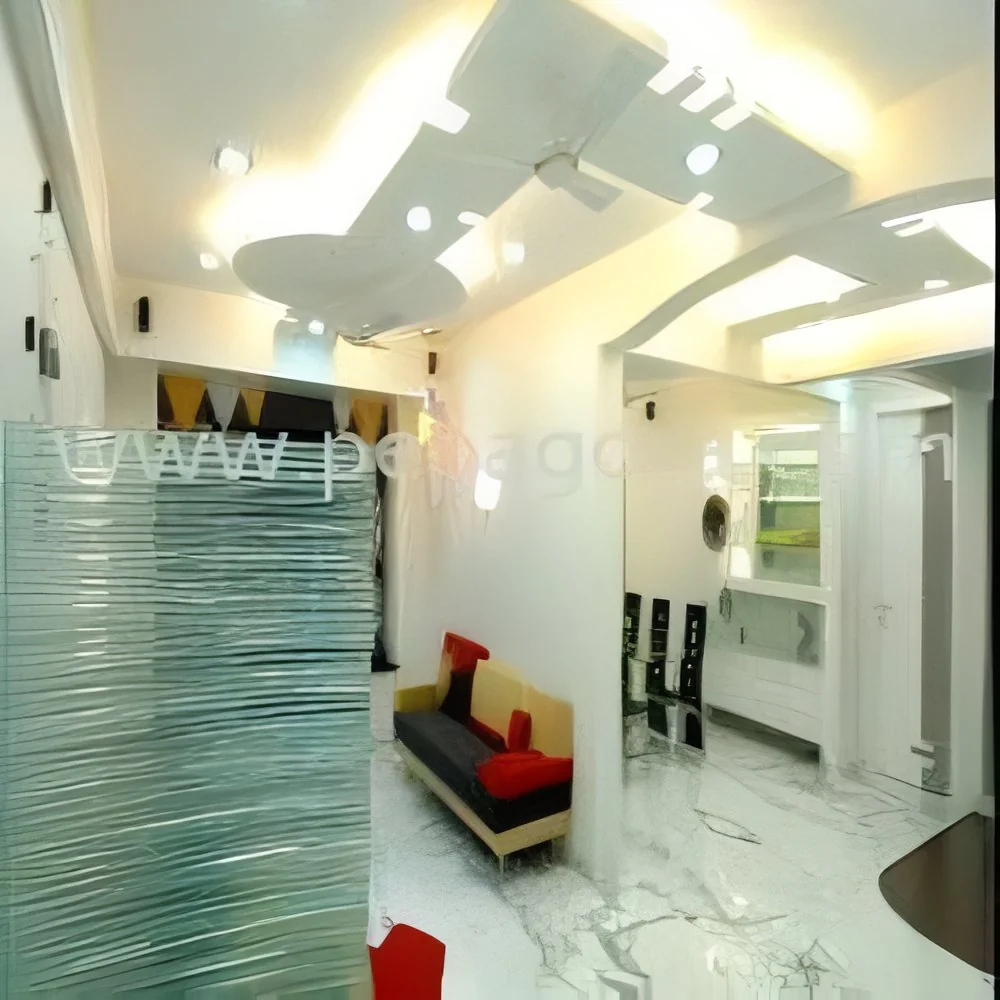
Frosted Glass: Used for privacy while still allowing light, frosted glass is popular in bathrooms and office partitions.
Benefits and Advantages
Choosing the right glass for windows and doors provides multiple benefits for both commercial and residential applications.
1. Energy Efficiency: Glass options with low U-values can significantly reduce heating and cooling costs, enhancing overall energy performance.
2. Aesthetic Appeal: Various finishes and treatments allow glass to complement architectural styles, enhancing the overall look of a building.
3. Safety Features: Tempered and laminated glass options provide additional safety, reducing the risk of injury in case of breakage.
4. Natural Light: Large glass windows and doors can brighten spaces, leading to improved mood and productivity for occupants.
5. Noise Reduction: Specialized sound-insulating glass can create quieter environments, particularly beneficial in urban areas.
6. Environmental Impact: Energy-efficient glass contributes to sustainability goals by lowering energy consumption and reducing carbon footprints.
Buying Guide for B2B Buyers
When sourcing glass for windows and doors, it is crucial to consider several factors to ensure a successful purchase.
1. Quality Assessment: Evaluate the glass based on its specifications, certifications, and compliance with industry standards. A thorough inspection of samples can aid in quality assurance.
2. Supplier Verification: Research and vet suppliers to ensure they have a good reputation and can provide reliable products. Look for reviews, certifications, and previous project references.
3. Pricing and MOQ: Understand the pricing structure and minimum order quantities. Compare quotes from multiple suppliers to ensure competitive pricing while considering quality.
4. Delivery and Lead Times: Confirm lead times for delivery to avoid project delays. Ensure the supplier can meet your schedule and discuss logistics in detail.
5. Compliance Requirements: Verify that the glass meets local building codes and safety regulations. Compliance with standards like CE certification is essential for liability protection.
Compliance and Certifications
Glass for windows and doors must adhere to various quality standards and certifications to ensure safety and performance. One of the most recognized standards is ISO 9001, which addresses quality management systems, ensuring consistent quality in manufacturing processes.
In addition to ISO certifications, CE marking is crucial, especially in the European market. This certification indicates that the product meets EU safety, health, and environmental protection standards.
Safety and testing requirements are critical when selecting glass products. This includes tests for impact resistance, thermal performance, and UV protection. Buyers should also consider regional compliance, as standards may vary by location, necessitating additional certifications for specific markets.
Why Source Glass for Windows & Doors from Pepagora?
Pepagora offers a trusted platform for sourcing glass for windows and doors, providing several key advantages for B2B buyers.
Verified Supplier Network: Pepagora connects buyers with a network of verified suppliers, ensuring quality and reliability. Each supplier undergoes a rigorous vetting process to build trust.
Streamlined RFQ Process: The platform features a straightforward request for quotation (RFQ) process, allowing buyers to easily compare multiple suppliers and receive competitive offers, saving time and effort.
Trade Assurance and Support: Pepagora provides trade assurance, protecting buyers' interests by ensuring that transactions are secure and that suppliers meet their commitments.
Regional Coverage: With a focus on markets in India, the GCC region, and Southeast Asia, Pepagora offers geographical reach that facilitates sourcing from local and regional suppliers, enhancing convenience and reducing shipping times.

 IN
IN