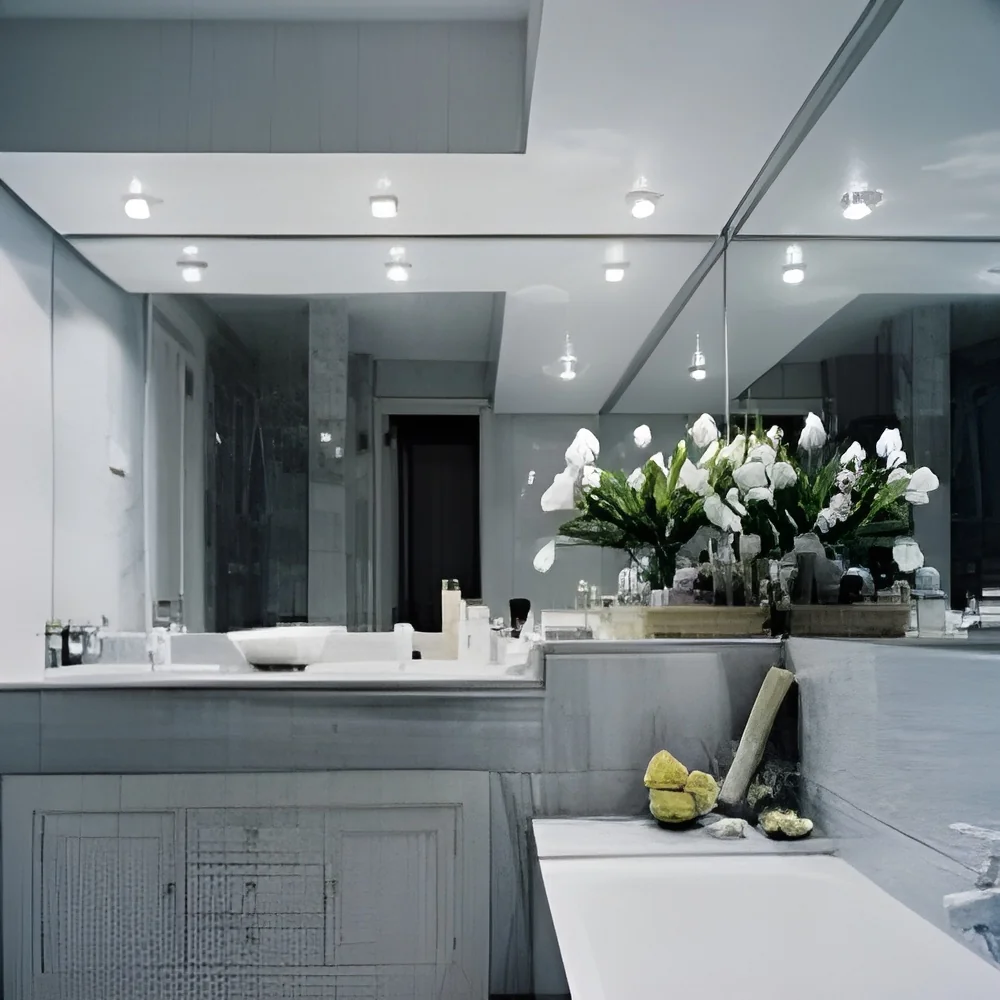
What are Mirror Glass?
Mirror glass is a type of glass that has a reflective surface, typically achieved through the application of a thin layer of metal or a reflective coating. This glass is used to create images by reflecting light, making it a popular choice in various applications. Mirror glass is often manufactured with high clarity and durability, ensuring that it maintains its reflective properties over time.
The primary uses of mirror glass span multiple industries, including interior design, automotive, and advertising. In interior design, mirror glass is frequently used in decorative applications, such as wall mirrors and furniture. In the automotive sector, it is essential for rearview mirrors and side mirrors. Additionally, mirror glass is used in advertising displays, where high visibility and clarity are critical. The market for mirror glass is robust, with ongoing innovations and improvements in technology to enhance its performance and aesthetic appeal.
As industries evolve, the demand for high-quality mirror glass continues to rise. This reflects the growing emphasis on aesthetics and functionality in both commercial and residential settings. With a competitive market landscape, businesses must stay informed about the latest trends and technologies in mirror glass production to meet consumer expectations.
Key Features and Specifications
Mirror glass offers several features that make it suitable for a variety of applications. Understanding these specifications can help businesses choose the right product for their needs.
Key specifications include:
1. Reflectivity
- High reflectivity ensures maximum light reflection for clear images.
- Reflectivity levels typically range from 80% to 90%.
2. Thickness
- Thickness ranges from 2 mm to 10 mm, allowing for versatility in various applications.
- Thicker glass provides added durability and structural integrity.
3. Surface Finish
- Available in polished or frosted finishes to meet aesthetic requirements.
- Polished surfaces enhance clarity, while frosted surfaces offer privacy.
4. Size Options
- Customizable sizes to fit specific project needs.
- Standard sizes often include panels measuring 4x8 feet or 6x10 feet.
5. Edge Treatment
- Options for beveled or polished edges for a finished look.
- Beveled edges can enhance safety by reducing sharp corners.
6. Coating Options
- Anti-scratch and anti-fog coatings available for enhanced durability.
- Coatings can improve longevity and usability in various environments.
7. Thermal Stability
- Designed to withstand temperature fluctuations without warping.
- Typically rated for use in temperatures ranging from -20°C to 70°C.
8. Safety Features
- Options for tempered or laminated glass for added safety.
- Safety glass minimizes the risk of shattering and injury.
In summary, mirror glass combines aesthetic appeal with practical applications, making it a versatile material for businesses across various sectors.
Common Applications and Use Cases
Mirror glass is used in a wide range of industries, each leveraging its unique properties for different applications.
1. Interior Design: Mirror glass is commonly used in residential and commercial settings for decorative mirrors, wall coverings, and furniture enhancements. Its ability to create the illusion of more space makes it a popular choice in design.
2. Automotive Industry: In vehicles, mirror glass is essential for side mirrors and rearview mirrors, providing drivers with clear visibility. High-quality reflective properties are crucial for safety and performance.
3. Retail and Advertising: Retailers use mirror glass in display cases and signage to attract customers. The reflective surface enhances the visibility of products and promotional materials.
4. Architecture: Mirror glass is increasingly used in modern architecture for building facades and interior spaces. It helps to reflect surrounding environments, creating visually striking designs.
5. Healthcare: In healthcare facilities, mirror glass is used in examination rooms and surgical areas to provide clear visibility. Its ability to reflect light enhances the working environment for medical professionals.
6. Art and Decoration: Artists and decorators utilize mirror glass in creative projects, such as art installations and decorative pieces. The reflective nature adds depth and dimension to artistic expressions.
7. Safety and Security: Mirror glass is also used in security applications, such as surveillance mirrors in retail stores. These mirrors help to monitor activity in blind spots, enhancing safety and security.
Product Variants and Subcategories
Mirror glass is a diverse product with various options to meet specific needs. While there are no official subcategories available, the variants can be distinguished by their applications and features.
Standard Mirror Glass
This is the most common type of mirror glass used for general applications. It features a reflective coating that provides excellent clarity and is suitable for both residential and commercial use.
Low-Iron Mirror Glass
Low-iron mirror glass is designed for applications where superior clarity is essential. It minimizes the green tint often found in standard glass, making it ideal for high-end displays and architectural projects.
Safety Mirror Glass
This variant is created with tempered or laminated glass to ensure safety in environments where breakage is a concern. It is commonly used in public spaces, such as schools and hospitals.
Anti-Fog Mirror Glass
Anti-fog mirror glass features a special coating that prevents fogging in humid conditions. It is ideal for bathrooms and other areas where moisture is prevalent.
Benefits and Advantages
Mirror glass offers numerous benefits that make it a valuable choice for various applications.
Key benefits include:
1. Aesthetic Appeal: The reflective surface enhances the visual appeal of spaces, making them feel larger and brighter.
2. Versatility: Suitable for a wide range of applications, mirror glass can be used in design, safety, and functionality.
3. Durability: High-quality mirror glass is resistant to scratches and fading, ensuring long-lasting performance.
4. Customization: Mirror glass can be tailored to specific sizes and finishes, allowing for unique project requirements.
5. Improved Visibility: In automotive and security applications, mirror glass provides clear visibility, enhancing safety.
6. Easy Maintenance: Regular cleaning is straightforward, ensuring that the reflective surface remains clear and functional.
Buying Guide for B2B Buyers
When sourcing mirror glass, several factors should be considered to ensure the right choice for business needs.
1. Quality Assessment: It is essential to evaluate the quality of mirror glass by checking for clarity, reflectivity, and durability. Look for certifications and standards that indicate high manufacturing quality.
2. Supplier Verification: Vet potential suppliers by reviewing their reputation, customer feedback, and industry experience. Reliable suppliers should have a proven track record in delivering quality products.
3. Pricing and MOQ: Understand the pricing structures and minimum order quantities (MOQ) set by suppliers. This information will help in budgeting and planning purchases effectively.
4. Delivery and Lead Times: Inquire about delivery schedules and lead times to ensure timely project completion. Quick turnaround times are crucial for meeting business deadlines.
5. Compliance Requirements: Ensure that the mirror glass meets all relevant compliance and regulatory standards. This may include safety certifications and environmental considerations.
Compliance and Certifications
Compliance is critical in the mirror glass industry, ensuring that products meet safety and quality standards.
Several relevant quality standards apply to mirror glass, including ISO 9001, which focuses on quality management systems, ensuring consistent quality in manufacturing. Additionally, certifications such as CE indicate compliance with European standards for safety and performance.
Safety and testing requirements are essential in the production of mirror glass. This includes evaluations for durability, reflectivity, and resistance to breakage. Regional compliance considerations may vary, so it is crucial for manufacturers and suppliers to adhere to local regulations in their respective markets.
Why Source Mirror Glass from Pepagora?
Pepagora provides a trusted platform for sourcing mirror glass, offering several key advantages for businesses.
Verified Supplier Network: Pepagora connects buyers with a network of verified suppliers. This ensures that businesses can source high-quality mirror glass from reputable manufacturers, reducing the risk of subpar products.
Streamlined RFQ Process: The platform features a streamlined Request for Quotation (RFQ) process, allowing buyers to request quotes from multiple suppliers quickly. This efficiency helps businesses compare options and make informed decisions.
Trade Assurance and Support: Pepagora offers trade assurance and support to protect buyers during transactions. This includes assistance with disputes and ensuring that products meet specified standards.
Regional Coverage: With a strong presence in India, the GCC, and Southeast Asia, Pepagora provides extensive regional coverage. This geographic reach enables businesses to access local suppliers and support, facilitating smoother procurement processes.

 IN
IN