
 IN
Tinted & Reflective Glass
14 products available
What are Tinted & Reflective Glass?
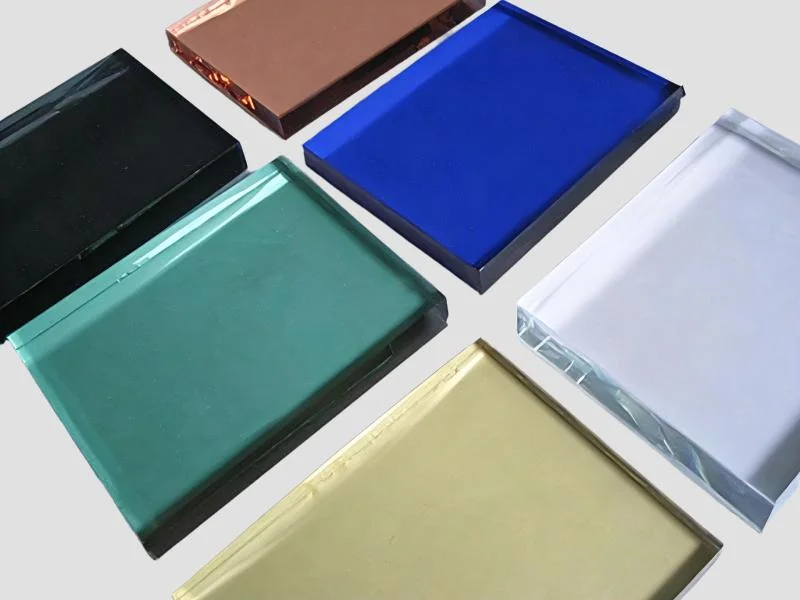
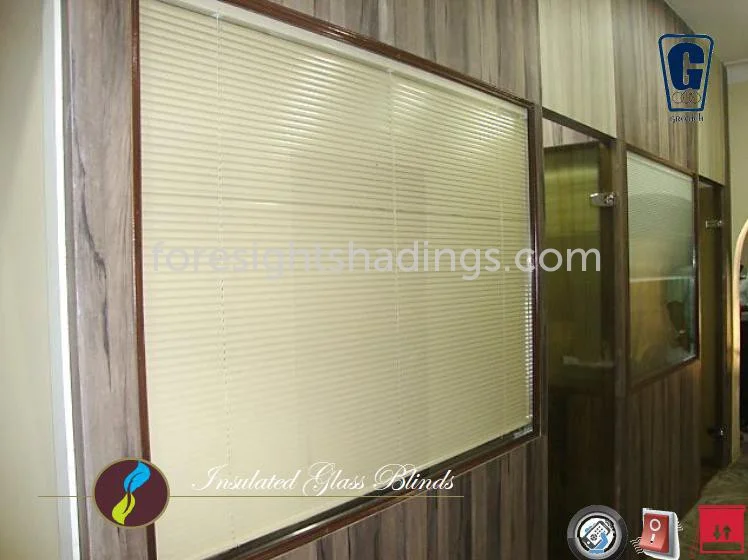
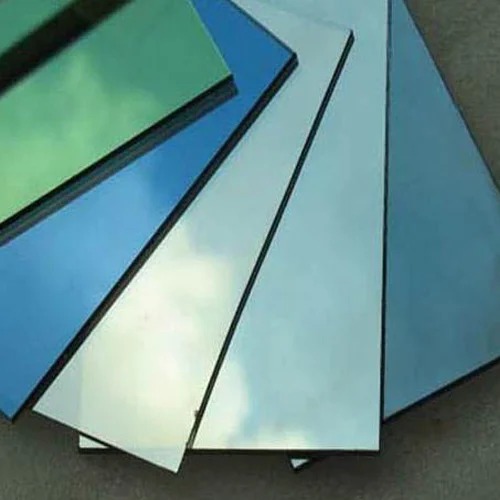
Tinted and reflective glass are specially designed glass products that are treated to control light transmission and improve energy efficiency. Tinted glass features a colored or shaded layer that reduces glare and heat gain, while reflective glass has a metallic coating that reflects solar energy. Both types are essential in modern architecture, allowing for aesthetic versatility and practical benefits in energy management.
These glass options are widely used in commercial and industrial settings, such as office buildings, shopping centers, and manufacturing facilities. They help maintain comfortable indoor environments by minimizing heat buildup from sunlight. Additionally, they offer enhanced privacy without compromising natural light. The growing emphasis on sustainable building practices has further increased the demand for tinted and reflective glass in various sectors.
In the current market landscape, tinted and reflective glass play a vital role in energy-efficient building design. With rising energy costs and increasing awareness of environmental impact, businesses are leaning towards these glass types to reduce their carbon footprint. As a result, the market for tinted and reflective glass continues to expand, driven by innovations in technology and design.
Key Features and Specifications
Tinted and reflective glass offers a range of features that enhance both functionality and aesthetics. Understanding these specifications can help businesses select the right product for their needs.
Key specifications include:
1. Solar Heat Gain Coefficient (SHGC)
- Measures the fraction of solar radiation that passes through the glass.
- Ideal SHGC values vary based on building orientation and climate.
2. Visible Light Transmittance (VLT)
- Indicates how much visible light is allowed to pass through the glass.
- Typical VLT values range from 15% to 80%, depending on tint level.
3. Reflectance
- Refers to the amount of light that is reflected off the glass surface.
- This can vary with different coatings and tint options.
4. U-Factor
- Measures the rate of heat transfer through the glass.
- Lower U-Factor values indicate better insulating properties.
5. Color Options
- Available in a variety of tints and reflective finishes.
- Custom colors may be available based on client specifications.
6. Thickness
- Common thickness ranges from 1/8 inch to 1 inch.
- Thickness affects durability and thermal performance.
7. Safety Features
- Can be manufactured to meet safety regulations, such as tempered or laminated glass.
- Enhances resistance to breakage and impact.
8. Certification
- Typically certified to meet industry standards, including CE certification.
- Ensures quality and compliance with safety regulations.
In summary, the key features and specifications of tinted and reflective glass make them suitable for a wide range of applications. Understanding these details is essential for businesses looking to invest in energy-efficient building materials.
Common Applications and Use Cases
Tinted and reflective glass is utilized across various industries due to its versatility and benefits.
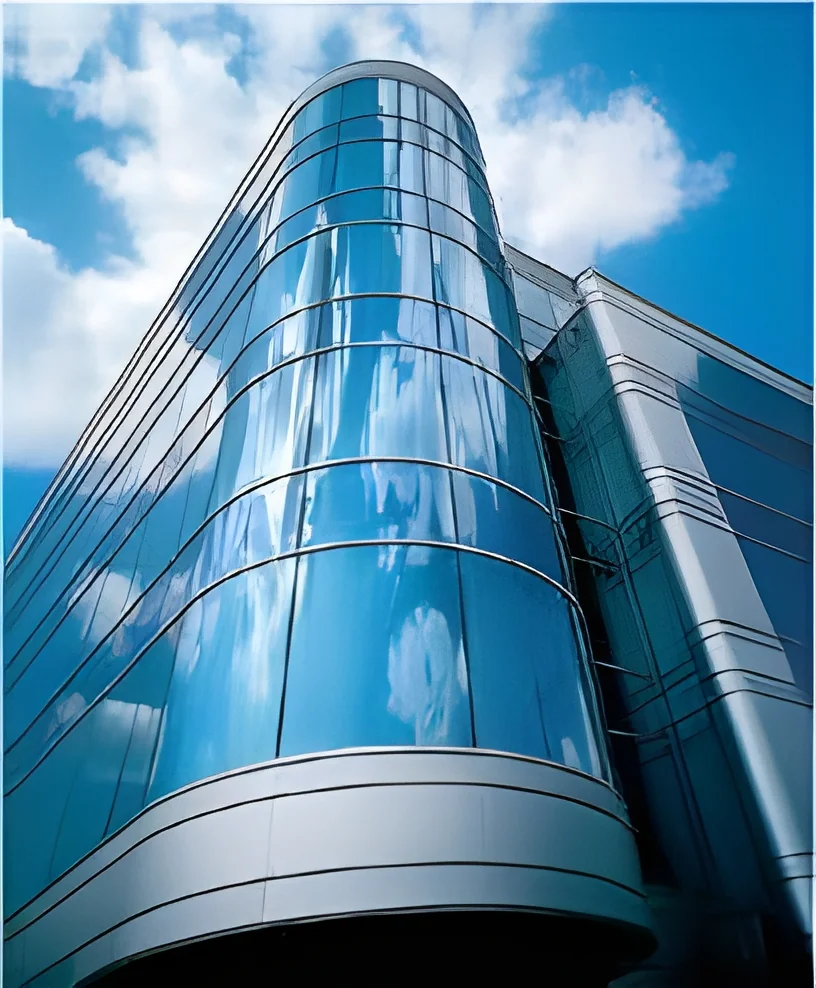
1. Commercial Buildings: Tinted glass is commonly used in office buildings to reduce glare and enhance comfort for employees. Reflective glass is also popular for its modern aesthetic and energy-saving properties.
2. Retail Spaces: Many retailers choose reflective glass to create visually appealing storefronts that attract customers while minimizing heat gain.
3. Automotive Industry: Tinted glass is widely used in vehicles to provide UV protection, improve privacy, and enhance the appearance of the vehicle.
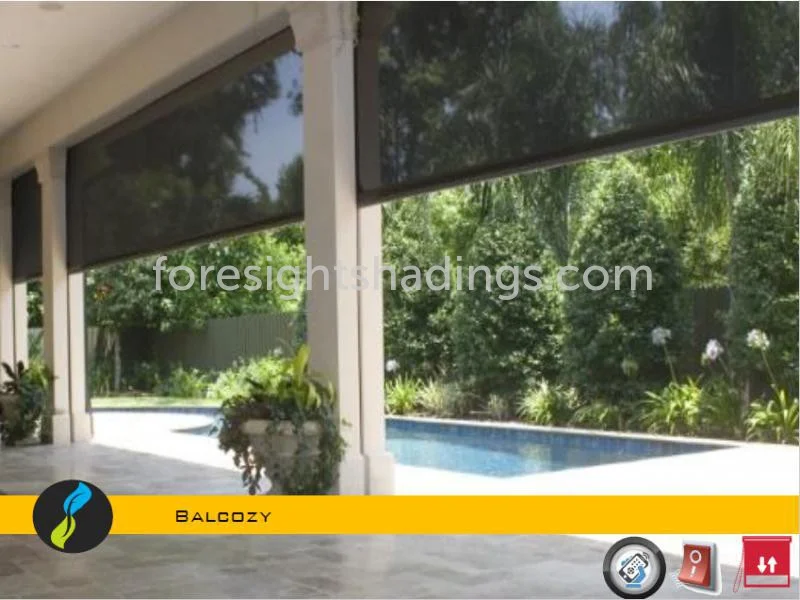
4. Residential Homes: Homeowners often opt for tinted glass in windows to create a comfortable living environment by reducing heat and glare from the sun.
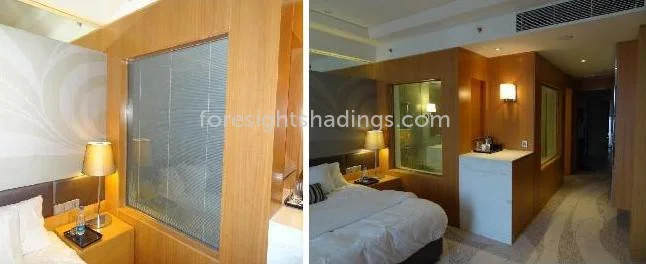
5. Hospitality Sector: Hotels frequently use reflective glass to enhance the look of their buildings while providing guests with a comfortable indoor atmosphere.
6. Industrial Facilities: Reflective and tinted glass is utilized in factories to control temperature and reduce energy costs.
7. Educational Institutions: Schools and universities use tinted glass in classrooms to create an optimal learning environment with controlled lighting and temperature.
Product Variants and Subcategories
The diversity of tinted and reflective glass allows for various applications and customization options.
Standard Tinted Glass: This variant offers a range of colors and shades to control sunlight while providing a sleek appearance. It is suitable for both commercial and residential applications.
Low-Emissivity (Low-E) Glass: This type of reflective glass is designed to minimize heat transfer while allowing natural light to enter. It is commonly used in energy-efficient buildings.
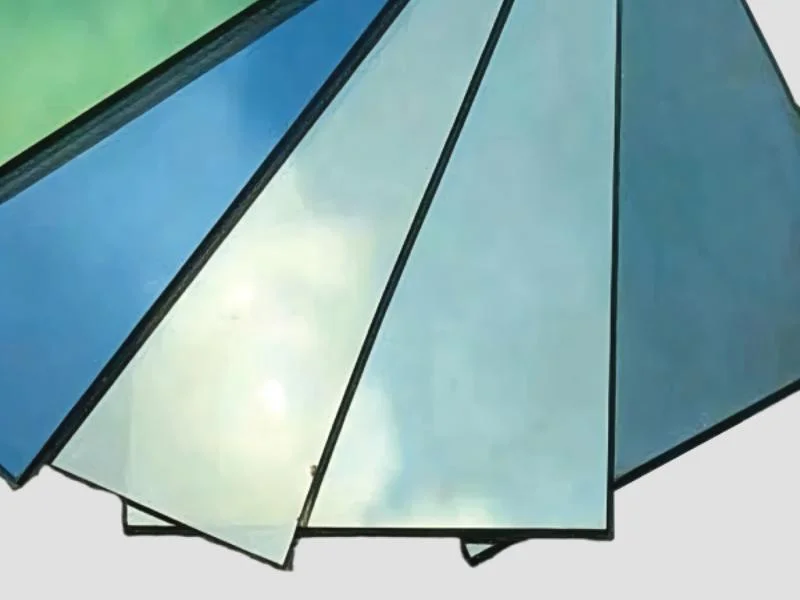
Mirrored Reflective Glass: This variant features a highly reflective surface, providing privacy and reducing solar heat gain. It is often used in high-rise buildings and modern architectural designs.
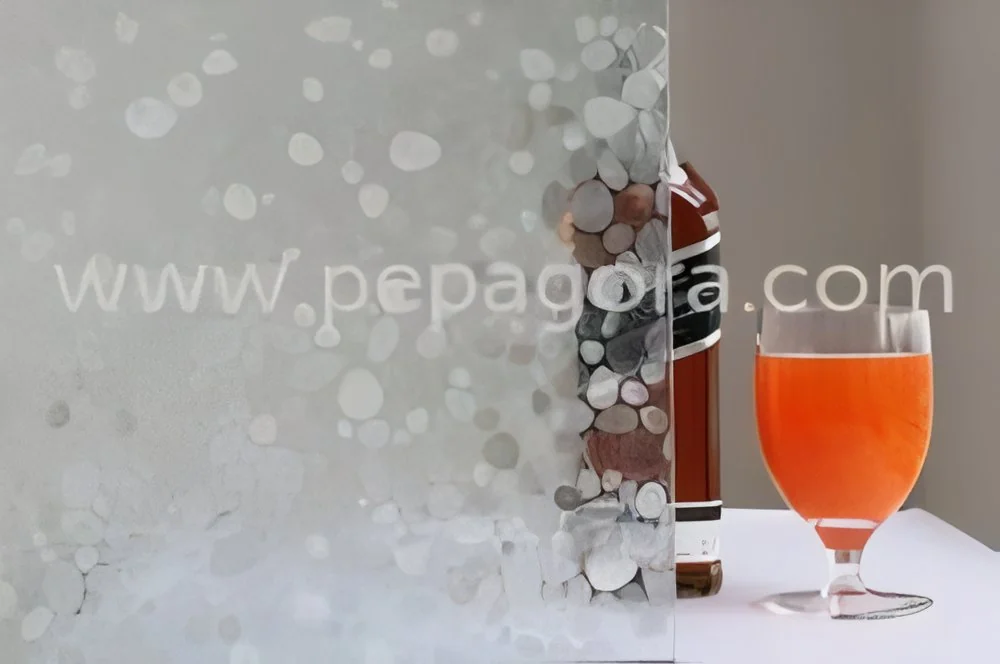
Frosted Glass: While not entirely tinted or reflective, frosted glass offers privacy while still allowing light to pass through. It is popular for interior applications in offices and homes.
Benefits and Advantages
Choosing tinted and reflective glass offers numerous benefits for businesses and property owners.
1. Energy Efficiency: These glass types significantly reduce heat gain, lowering cooling costs and enhancing overall energy efficiency.
2. Glare Reduction: Tinted glass minimizes glare from sunlight, improving visibility and comfort in indoor spaces.
3. Aesthetic Appeal: Tinted and reflective glass adds a modern touch to any building, enhancing its visual appeal.
4. UV Protection: These glass products can block harmful UV rays, protecting interiors from fading and damage.
5. Privacy: Reflective glass provides a level of privacy without sacrificing natural light, making it ideal for commercial and residential use.
6. Security: Certain variants can be treated for enhanced strength and safety, providing additional security against breakage.
Buying Guide for B2B Buyers
When sourcing tinted and reflective glass, several factors should be considered to ensure the best fit for your needs.
1. Quality Assessment: Evaluate the glass quality based on standards and specifications. Look for certifications such as CE to ensure compliance with industry standards.
2. Supplier Verification: Vet suppliers by checking their reputation, customer reviews, and compliance with regulations. A reliable supplier is crucial for quality assurance.
3. Pricing and MOQ: Understand the pricing structure and minimum order quantities. Compare offers from different suppliers to find the best deal.
4. Delivery and Lead Times: Inquire about delivery schedules and lead times to ensure timely project completion. Consider logistics and shipping options.
5. Compliance Requirements: Ensure that the selected glass meets regional compliance and safety regulations. This is essential for avoiding legal issues and ensuring safety.
Compliance and Certifications
Tinted and reflective glass must adhere to various quality standards and certifications to ensure safety and reliability. Key standards include ISO 9001, which focuses on quality management systems, ensuring that manufacturers maintain high standards throughout the production process.
Additionally, CE certification is crucial for products sold in the European market, indicating compliance with health, safety, and environmental protection standards. This certification helps buyers ensure that they are sourcing products that meet rigorous quality benchmarks.
Furthermore, safety and testing requirements often involve rigorous assessments to determine the glass's strength, durability, and performance under different conditions. Regional compliance considerations may also vary, so it is essential to be aware of local regulations that apply to tinted and reflective glass.
Why Source Tinted & Reflective Glass from Pepagora?
Pepagora offers a trusted platform for sourcing tinted and reflective glass, providing several key advantages for businesses.
Verified Supplier Network: Pepagora ensures that all suppliers in its network are thoroughly vetted, guaranteeing quality and reliability. This helps buyers make informed decisions when sourcing materials.
Streamlined RFQ Process: The request for quotation (RFQ) system simplifies the procurement process. Buyers can easily compare offers and select the best options that meet their requirements.
Trade Assurance and Support: Pepagora provides trade assurance and support to buyers, protecting their investments. This assurance builds trust and confidence in the sourcing process.
Regional Coverage: With a broad geographic reach that includes India, the GCC, and Southeast Asia, Pepagora connects buyers with suppliers in key markets. This regional coverage enhances accessibility and convenience for businesses looking to source tinted and reflective glass.


Frequently Asked Questions
What are Tinted & Reflective Glass?
Tinted & Reflective Glass refers to glass that has been treated with special coatings to reduce glare and heat while enhancing privacy. Tinted glass absorbs solar radiation, while reflective glass reflects it, making them ideal for commercial and residential applications.
What are the different types of Tinted & Reflective Glass?
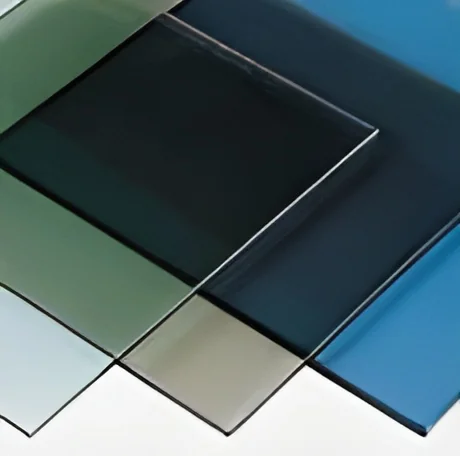
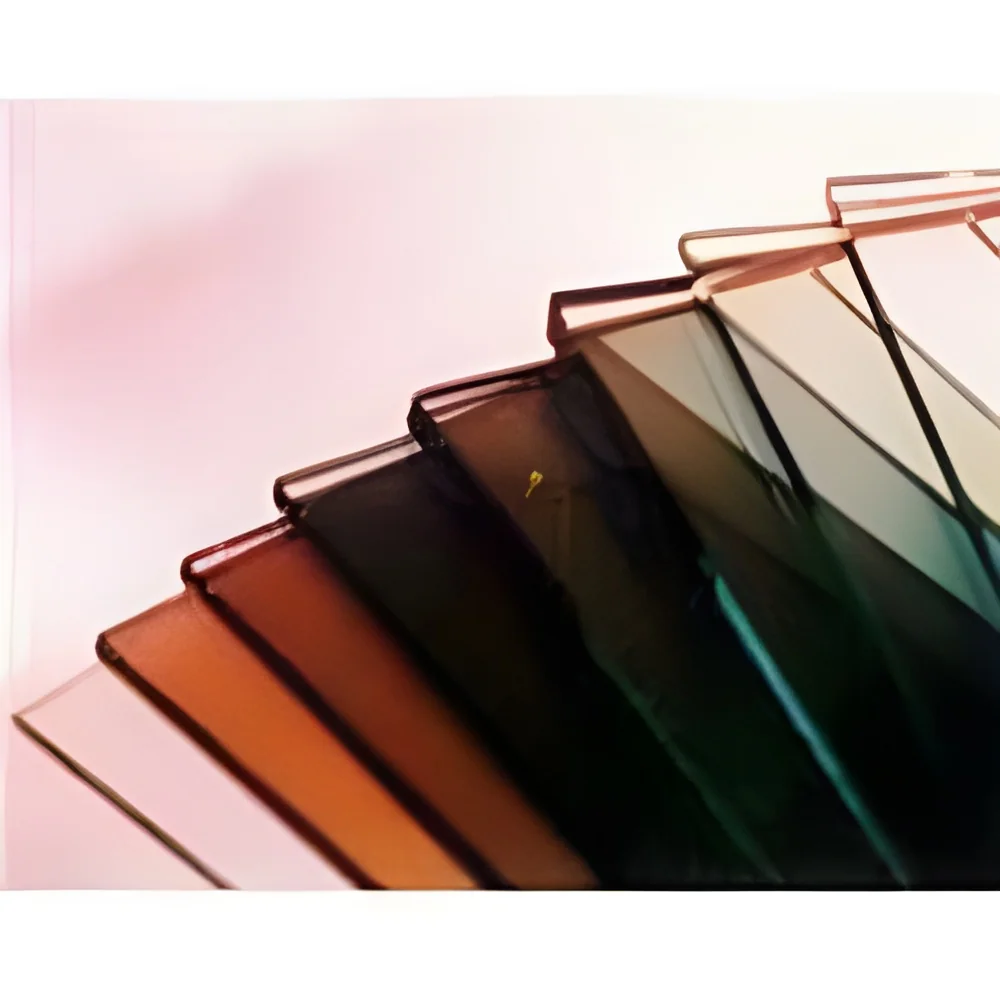
The different types of Tinted & Reflective Glass include bronze, gray, green, and blue tinted glass, as well as various reflective coatings. Each type offers distinct aesthetic and functional benefits, catering to varying design needs and energy efficiency requirements.
How do I choose the right Tinted & Reflective Glass?
Choosing the right Tinted & Reflective Glass involves considering factors such as the purpose of use, desired aesthetics, and energy efficiency. It's essential to evaluate the light transmission, solar heat gain, and UV protection levels that match your specific requirements.
What are the standard specifications for Tinted & Reflective Glass?
Standard specifications for Tinted & Reflective Glass typically include thickness, optical properties, and solar heat gain coefficient (SHGC). These specifications can vary based on manufacturing standards and the intended application of the glass.
What is the price range for Tinted & Reflective Glass?
The price range for Tinted & Reflective Glass can vary widely based on factors like thickness, type, and customization options. Generally, prices may range from INR 50 to INR 200 per square foot, depending on the specifications required.
What quality standards apply to Tinted & Reflective Glass?
Quality standards for Tinted & Reflective Glass include compliance with the Bureau of Indian Standards (BIS) and international standards such as ASTM and ISO. These standards ensure that the glass meets safety, durability, and performance criteria.
Where can I find Tinted & Reflective Glass suppliers in India?
You can find Tinted & Reflective Glass suppliers in India through online B2B marketplaces like Pepagora.com, trade shows, and industry directories. It's advisable to check supplier credentials and reviews before making a purchase.
Can Tinted & Reflective Glass be customized?
Yes, Tinted & Reflective Glass can be customized based on color, thickness, and size according to specific project requirements. Many manufacturers offer customization options to meet the unique needs of their clients.
What is the typical minimum order quantity for Tinted & Reflective Glass?
The typical minimum order quantity (MOQ) for Tinted & Reflective Glass varies by supplier, but it often ranges from 50 to 100 square feet. It's best to consult with suppliers directly to understand their specific MOQ policies.
What is the typical lead time for Tinted & Reflective Glass?
The typical lead time for Tinted & Reflective Glass can range from 1 to 4 weeks, depending on the supplier and the complexity of the order. Custom orders may require additional time for processing and production.
Why Businesses Trust Pepagora
Thousands of companies trust Pepagora to source smarter and sell faster
Expand Your Sales Globally

Source Smarter,Grow Faster
