
 IN
Aluminum Glazing Channels
8 products available
What are Aluminum Glazing Channels?
Aluminum glazing channels are specialized profiles designed to provide structural support and secure mounting for glass panels in various applications. These channels are typically made from high-quality aluminum, which offers excellent strength-to-weight ratio, corrosion resistance, and aesthetic appeal. They are engineered to accommodate different glass thicknesses and configurations, making them versatile components in construction and manufacturing.
The primary uses of aluminum glazing channels extend across several industries, including architecture, construction, and manufacturing. They are commonly utilized in curtain wall systems, storefronts, and window installations, providing a secure framework for glass. Additionally, their lightweight nature makes them ideal for applications where minimizing overall weight is crucial. The relevance of aluminum glazing channels in today’s market is underscored by the growing demand for energy-efficient and sustainable building materials, as aluminum can be recycled, contributing to a circular economy.
Key Features and Specifications
Aluminum glazing channels feature several important characteristics that make them suitable for a wide range of applications. These specifications ensure that they meet industry standards and performance requirements.
Key specifications include:
1. Material Composition
- Made from high-quality aluminum alloy
- Offers corrosion resistance and durability
2. Length Options
- Available in various lengths to accommodate different project requirements
- Custom lengths can be provided upon request
3. Glass Thickness Compatibility
- Designed to support multiple glass thicknesses
- Common ranges include 6mm to 12mm
4. Surface Finish
- Offered in anodized and powder-coated finishes
- Enhances aesthetic appeal and provides additional protection
5. Load-Bearing Capacity
- Engineered to handle specific weight loads
- Varies based on channel design and size
6. Installation Type
- Can be installed using screws or adhesive
- Provides flexibility in installation methods
7. Thermal Performance
- Designed to minimize thermal bridging
- Supports energy-efficient building designs
8. Compliance Standards
- Meeting applicable industry standards such as CE certification
- Ensures reliability and safety in applications
In summary, the key features and specifications of aluminum glazing channels make them an essential choice for securing and supporting glass in various industrial applications.
Common Applications and Use Cases
Aluminum glazing channels are utilized in several industries, demonstrating their versatility and reliability.
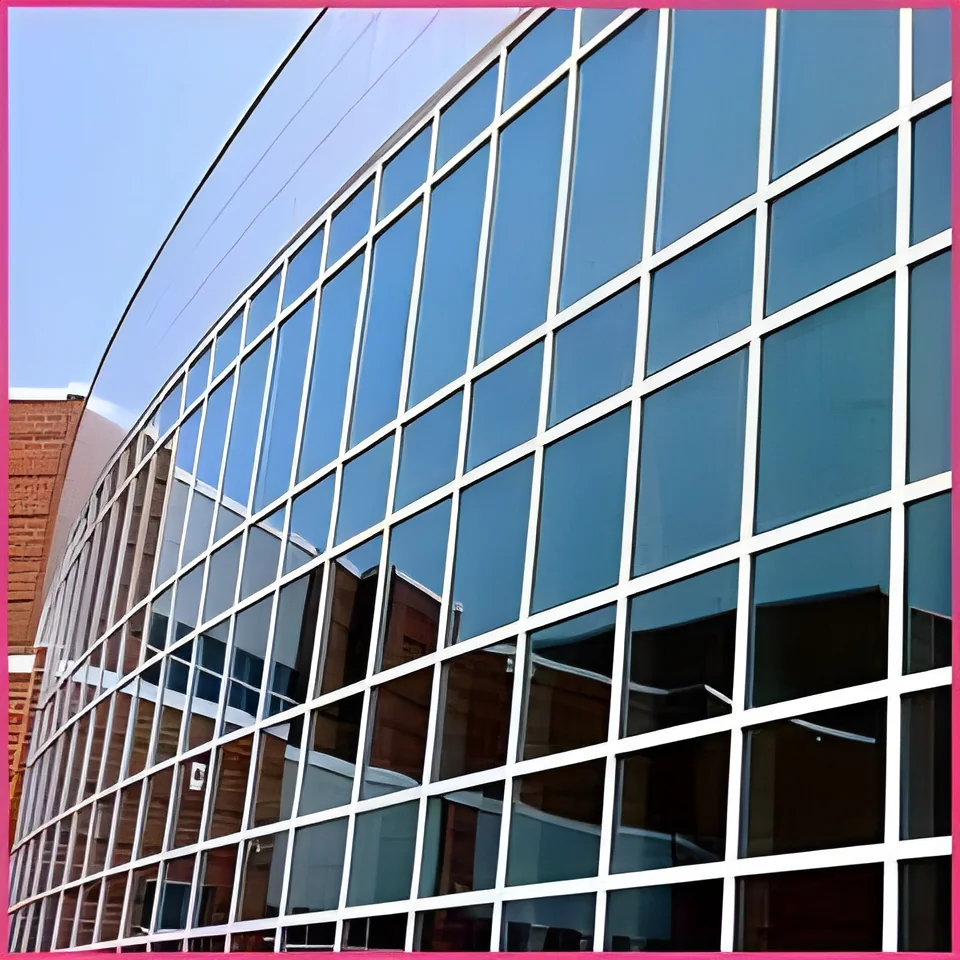
1. Construction: In commercial and residential buildings, glazing channels provide support for windows and facades, enhancing structural integrity and appearance.
2. Transportation: Used in the manufacturing of buses and trains, aluminum glazing channels secure large glass panes, ensuring safety and aesthetics.
3. Retail: Retail spaces often use these channels for storefronts, allowing for expansive glass displays that attract customers while maintaining security.
4. Signage: In the signage industry, glazing channels support glass panels, ensuring durability and a professional look for business signs.
5. Industrial Equipment: Many types of industrial machinery employ aluminum glazing channels to protect internal components with glass enclosures.
6. Greenhouses: In agricultural settings, these channels are used to secure glass panels in greenhouses, optimizing sunlight exposure for plant growth.
7. Architectural Features: Aluminum glazing channels are also integrated into architectural designs for modern buildings, contributing to innovative and visually striking structures.
Product Variants and Subcategories
Aluminum glazing channels come in various designs to cater to different application needs. This diversity allows businesses to select the most appropriate variant for their specific requirements.
Standard Glazing Channel
This variant is designed for general use in standard glass installations. It offers reliable strength and performance for typical applications.
Heavy-Duty Glazing Channel
Engineered for high-load applications, this variant supports thicker glass and heavier panels, making it ideal for commercial buildings and industrial settings.
Thermal Break Glazing Channel
Featuring a thermal break design, this variant minimizes heat transfer, improving energy efficiency in buildings and contributing to lower utility costs.
Custom Profile Glazing Channel
For unique projects, custom profiles can be manufactured to meet specific design and functional requirements, ensuring a perfect fit for any application.
Benefits and Advantages
Aluminum glazing channels provide numerous benefits that make them a preferred choice in many industries.
1. Durability: Aluminum's inherent strength and resistance to corrosion ensure a long lifespan and reduced maintenance costs.
2. Lightweight: The lightweight nature of aluminum makes installation easier and reduces structural load, which is essential for modern building designs.
3. Aesthetic Versatility: Available in various finishes, aluminum glazing channels can enhance the overall visual appeal of structures.
4. Energy Efficiency: Thermal break designs improve insulation, contributing to energy savings in heating and cooling.
5. Customization Options: Businesses can obtain custom profiles tailored to their specific needs, ensuring optimal performance and fit.
6. Environmentally Friendly: Aluminum is recyclable, making it a sustainable choice for eco-conscious projects.
Buying Guide for B2B Buyers
When sourcing aluminum glazing channels, there are several factors to consider to ensure the best outcome for your projects.
1. Quality Assessment: Look for products that meet industry standards and have reliable certifications. High-quality materials will ensure durability and performance.
2. Supplier Verification: Vet suppliers by checking their reputation, customer reviews, and certifications. Reliable suppliers can provide consistent quality and timely delivery.
3. Pricing and MOQ: Understand the pricing structure and minimum order quantities. This can vary significantly based on the supplier and specific product features.
4. Delivery and Lead Times: Discuss logistics and delivery schedules with suppliers to ensure that your project timelines are met.
5. Compliance Requirements: Ensure that the products meet all necessary regulatory standards and certifications relevant to your industry.
Compliance and Certifications
Aluminum glazing channels must adhere to various quality standards and certifications to ensure safety and performance in their applications.
ISO 9001 is a widely recognized standard that signifies a commitment to quality management systems. This certification indicates that manufacturers follow strict protocols to maintain high-quality products.
CE certification is essential for products sold in the European market. This mark demonstrates compliance with health, safety, and environmental protection standards.
Safety and testing requirements differ by region and application. Manufacturers should conduct rigorous testing to ensure that their products can withstand environmental conditions and meet performance expectations.
Regional compliance considerations may include local building codes and regulations. Buyers should ensure that their chosen glazing channels meet these requirements to avoid legal and safety issues.
Why Source Aluminum Glazing Channels from Pepagora?
Pepagora offers a trusted platform for sourcing aluminum glazing channels, providing several key advantages to B2B buyers.
Verified Supplier Network: Pepagora connects buyers with a network of verified suppliers, ensuring that businesses can find reliable partners who provide high-quality products.
Streamlined RFQ Process: The platform simplifies the request for quotation process, allowing buyers to easily compare options and obtain competitive pricing from multiple suppliers.
Trade Assurance and Support: Pepagora offers buyer protection through trade assurance policies, giving businesses confidence in their purchases and transactions.
Regional Coverage: With a focus on markets in India, the GCC, and Southeast Asia, Pepagora provides extensive regional access, ensuring that businesses can find suitable solutions tailored to their specific geographical needs.





Frequently Asked Questions
What are Aluminum Glazing Channels?
Aluminum Glazing Channels are structural components made from aluminum, designed to hold glass panels in place. They are commonly used in the construction of windows, facades, and glass doors, providing both support and aesthetic appeal.
What are the different types of Aluminum Glazing Channels?
There are several types of Aluminum Glazing Channels, including U-shaped channels, L-shaped channels, and T-shaped channels. Each type serves different applications based on the installation requirements and design specifications.
How do I choose the right Aluminum Glazing Channels?
Choosing the right Aluminum Glazing Channels involves considering factors such as the thickness of the glass, the design of the installation, and the environmental conditions. It is also important to consult with manufacturers or suppliers for recommendations based on specific project needs.
What are the standard specifications for Aluminum Glazing Channels?
Standard specifications for Aluminum Glazing Channels typically include dimensions, material grade, and finish. Common material grades include 6063 and 6061 aluminum, which offer good strength and corrosion resistance.
What is the price range for Aluminum Glazing Channels?
The price range for Aluminum Glazing Channels can vary widely based on factors such as size, type, and supplier. Generally, prices can start from around INR 100 per meter and go up depending on customization and quality.
What quality standards apply to Aluminum Glazing Channels?
Quality standards for Aluminum Glazing Channels often include compliance with IS 733 and IS 1285 in India. These standards ensure that the channels meet specific requirements for strength, durability, and finish.
Where can I find Aluminum Glazing Channels suppliers in India?
You can find Aluminum Glazing Channels suppliers in India through various online marketplaces, trade directories, or industry-specific exhibitions. Platforms like Pepagora.com offer a comprehensive list of manufacturers and suppliers in this category.
Can Aluminum Glazing Channels be customized?
Yes, Aluminum Glazing Channels can be customized to meet specific project requirements. Customization options may include alterations in size, shape, and finish based on the architectural design and application.
What is the typical minimum order quantity for Aluminum Glazing Channels?
The typical minimum order quantity (MOQ) for Aluminum Glazing Channels varies by supplier but generally ranges from 100 meters to 500 meters. It's advisable to check with individual suppliers for their specific MOQ policies.
What is the typical lead time for Aluminum Glazing Channels?
The typical lead time for Aluminum Glazing Channels can range from 1 to 4 weeks, depending on the supplier, order size, and whether customization is requested. It's best to confirm the lead time with the supplier at the time of order.
Why Businesses Trust Pepagora
Thousands of companies trust Pepagora to source smarter and sell faster
Expand Your Sales Globally

Source Smarter,Grow Faster
