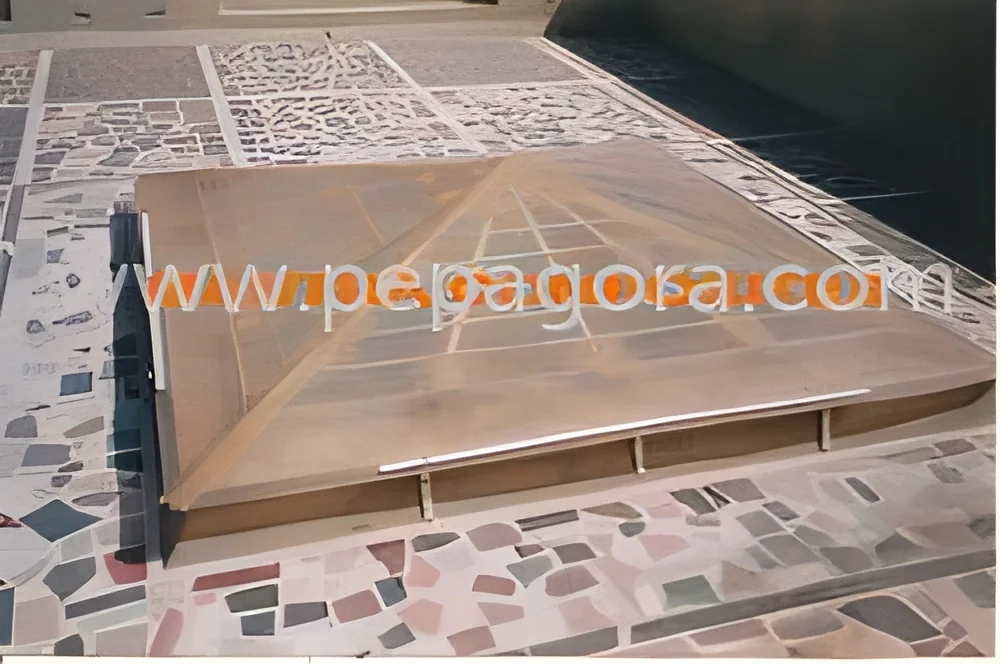
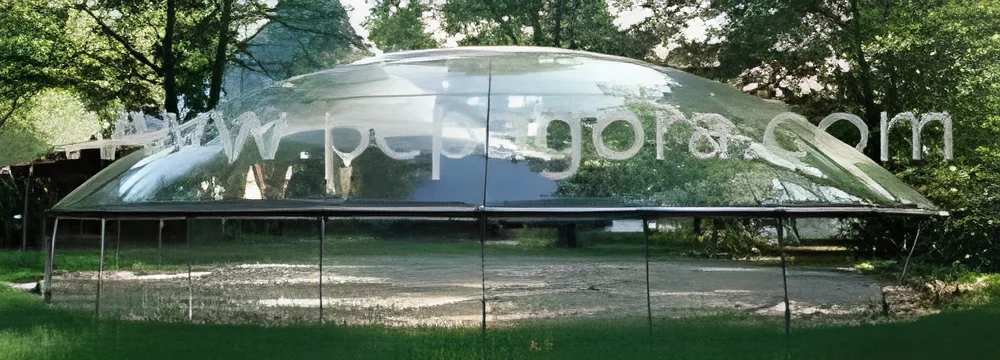
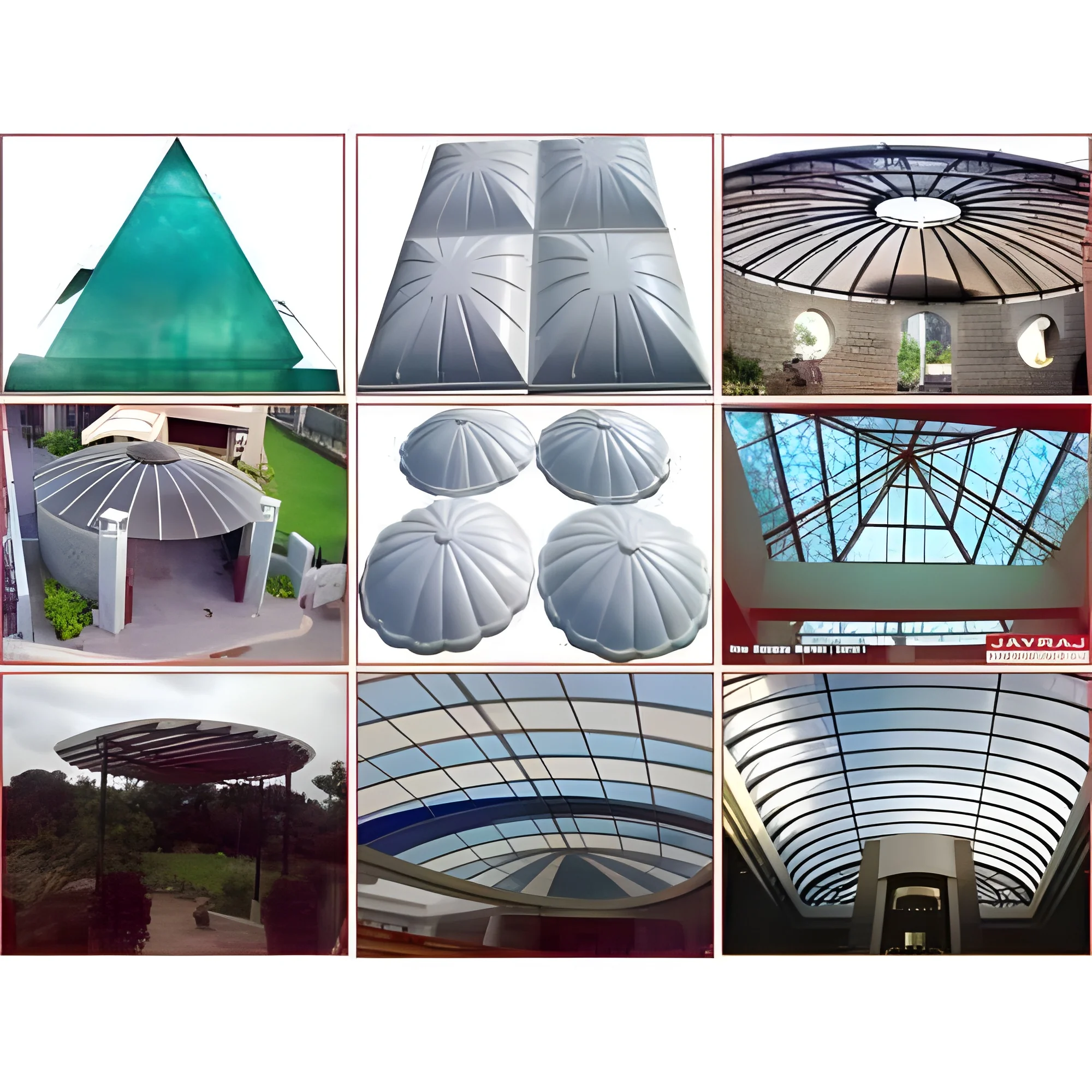
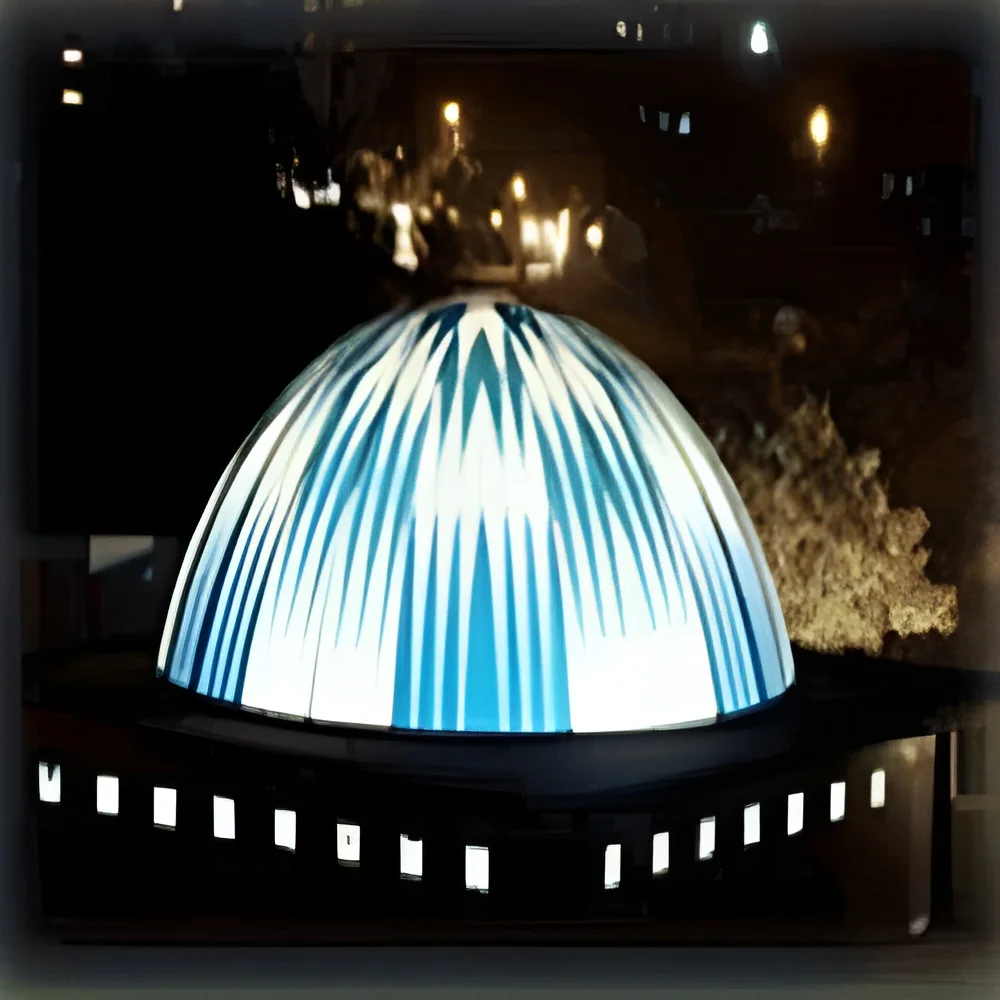
What are Glass Skylights & Domes?
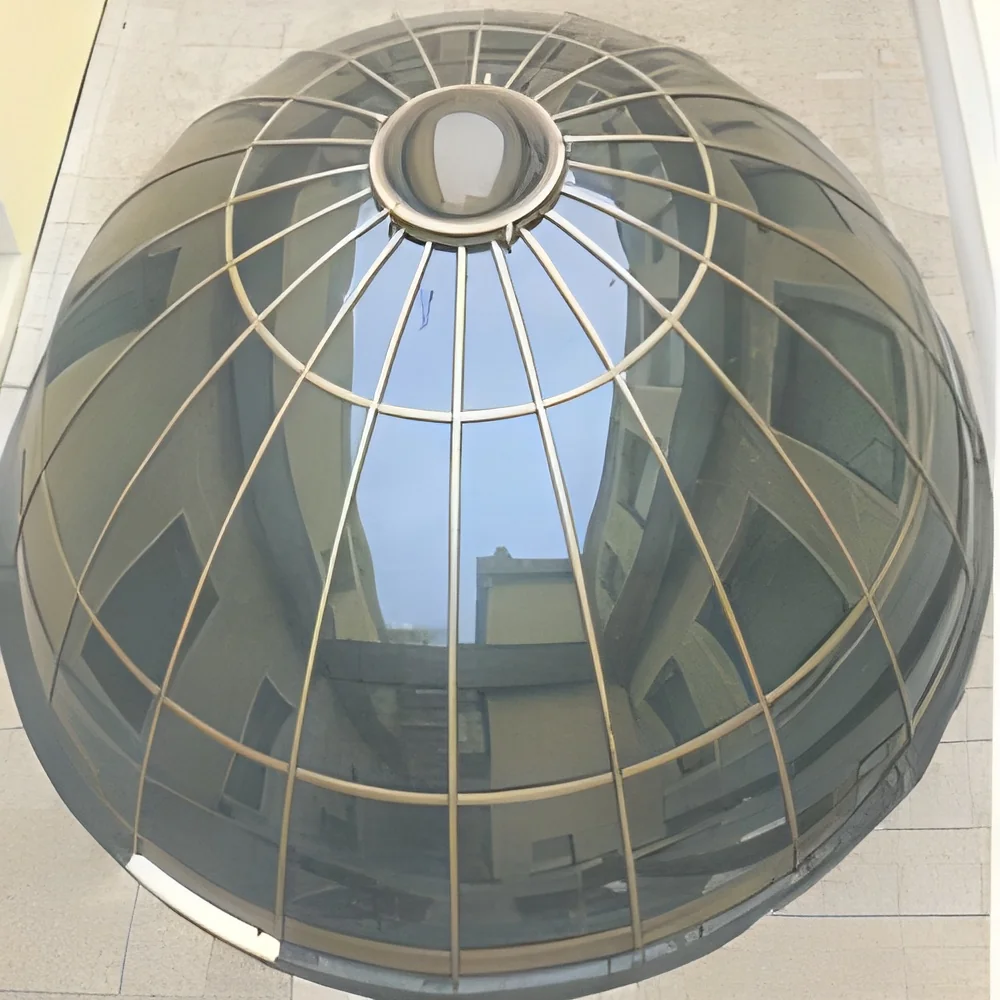
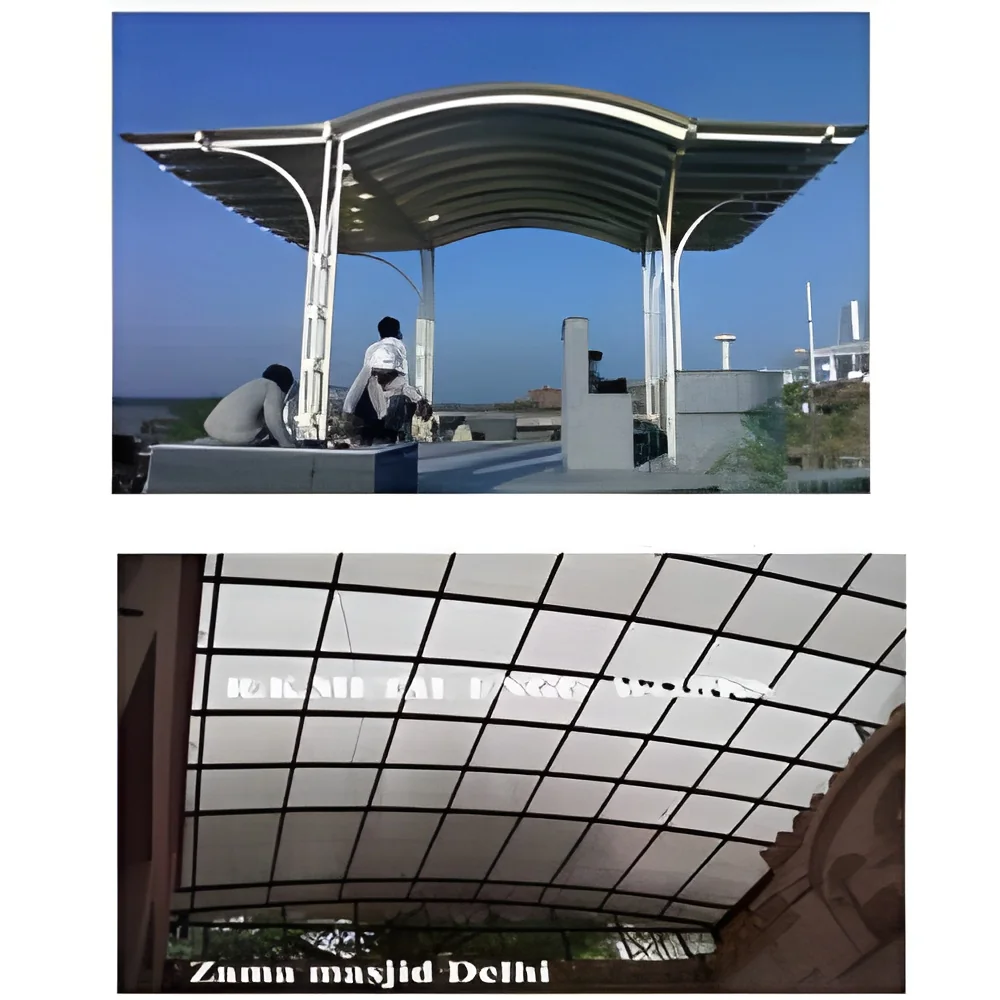
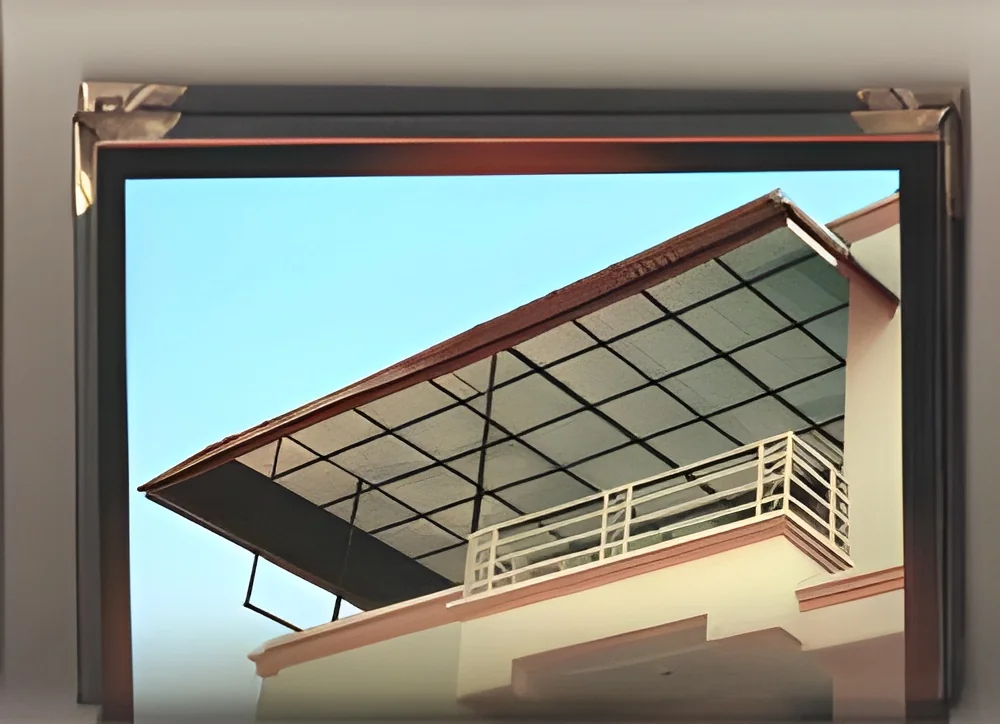
Glass skylights and domes are architectural features designed to bring natural light into buildings while providing aesthetic appeal. Skylights are typically flat or slightly sloped panels of glass installed in the roof, while domes are curved structures that can also serve as skylights. Both options can enhance the interior ambiance, reduce reliance on artificial lighting, and improve energy efficiency by utilizing daylight.
These products are widely used in various commercial and industrial applications, including shopping malls, office buildings, hospitals, and educational institutions. They play a critical role in creating inviting spaces that promote well-being and productivity. The growing emphasis on sustainable building practices has increased the demand for glass skylights and domes, as they contribute to energy savings and environmental friendliness.
The market for glass skylights and domes continues to evolve, driven by advancements in glass technology and building design. As architects and builders seek to create more open and airy environments, the relevance of these products remains significant. Their ability to combine functionality with aesthetic appeal positions them as a favored choice in modern architectural projects.
Key Features and Specifications
Glass skylights and domes offer numerous features that enhance their functionality and performance. When selecting these products, it is essential to consider various specifications to ensure they meet project requirements.
Key specifications include:
1. Material Composition
- Typically made of tempered or laminated glass for safety
- Provides durability and resistance to weather conditions
2. Thermal Performance
- Insulating properties to minimize heat transfer
- Energy-efficient designs to reduce heating and cooling costs
3. UV Protection
- Coatings available to block harmful UV rays
- Helps protect interior furnishings from fading
4. Custom Sizes and Shapes
- Available in various dimensions to fit specific architectural needs
- Options for both standard and bespoke designs
5. Water Management System
- Integrated drainage features to prevent water accumulation
- Ensures longevity and reduces maintenance needs
6. Installation Options
- Can be mounted on flat, sloped, or domed roofs
- Adaptable to various building types and designs
7. Aesthetic Customization
- Options for framing materials and finishes
- Enhances the visual appeal of the building
8. Safety Features
- Impact-resistant glass options available
- Compliance with local building codes for safety
In summary, understanding the key features and specifications of glass skylights and domes is essential for making informed purchasing decisions. These products not only enhance natural lighting but also contribute to the overall energy efficiency and aesthetic appeal of a building.
Common Applications and Use Cases
Glass skylights and domes find applications across various industries, providing unique benefits tailored to specific needs.
1. Retail: In shopping malls and stores, skylights create bright, welcoming environments that improve customer experience and drive sales.
2. Education: Schools and universities utilize skylights in hallways and classrooms to enhance natural light, promoting better learning conditions.
3. Healthcare: Hospitals and clinics implement skylights to improve patient comfort and reduce the need for artificial lighting, contributing to a healing atmosphere.
4. Hospitality: Hotels and resorts incorporate glass domes in lobbies and atriums to create stunning visual focal points and enhance guest experiences.
5. Industrial: Warehouses and manufacturing facilities use skylights for natural illumination, which can reduce energy costs associated with lighting.
6. Residential: In high-end homes, skylights and domes are used in living spaces to create a luxurious feel and connect indoor areas with nature.
7. Cultural Institutions: Museums and galleries leverage skylights to display exhibits under natural light, enhancing the viewing experience for visitors.
Product Variants and Subcategories
Glass skylights and domes come in various designs and configurations to meet diverse architectural needs.
Fixed Skylights
These are non-operable units that provide maximum light entry and are often used in roofs where ventilation is not a priority. They are ideal for enhancing the aesthetic appeal of a building while allowing natural light to flood in.
Ventilated Skylights
These units can be opened to allow fresh air circulation, making them suitable for spaces where ventilation is essential. They contribute to indoor air quality and comfort while still providing significant daylighting.
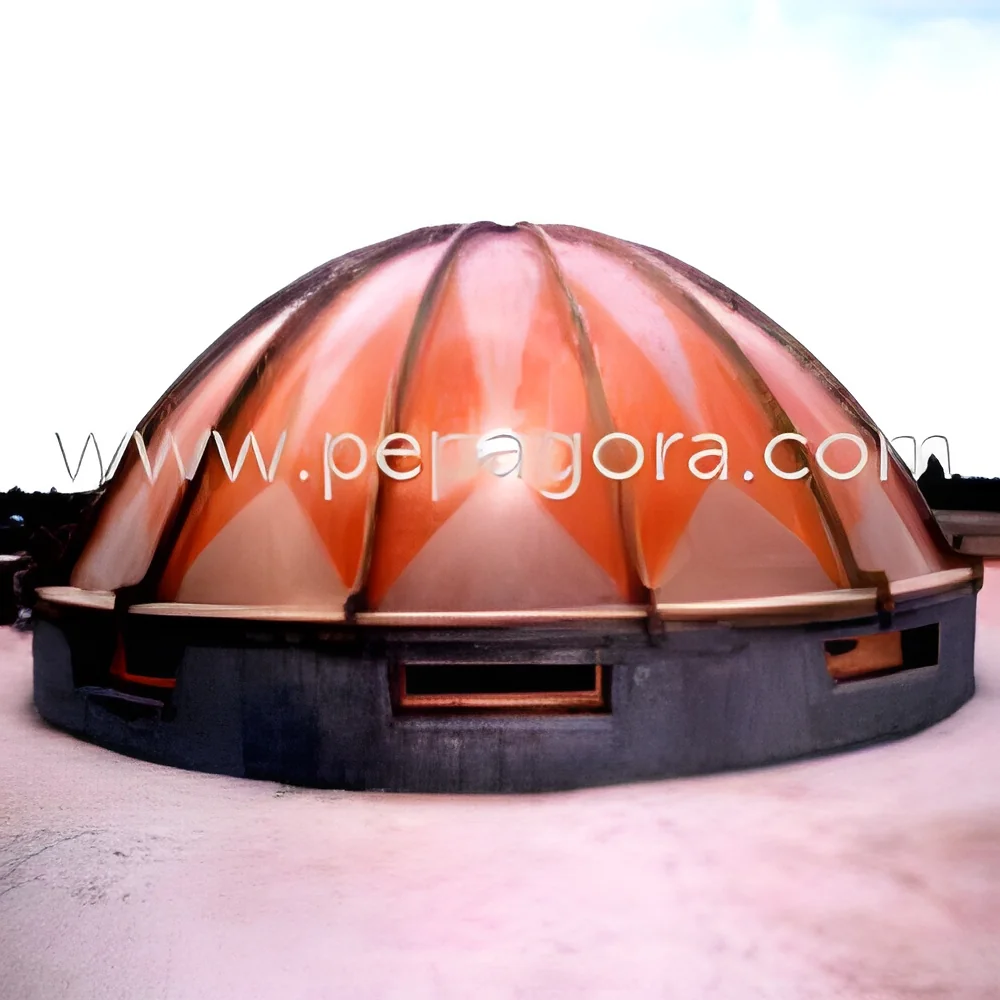
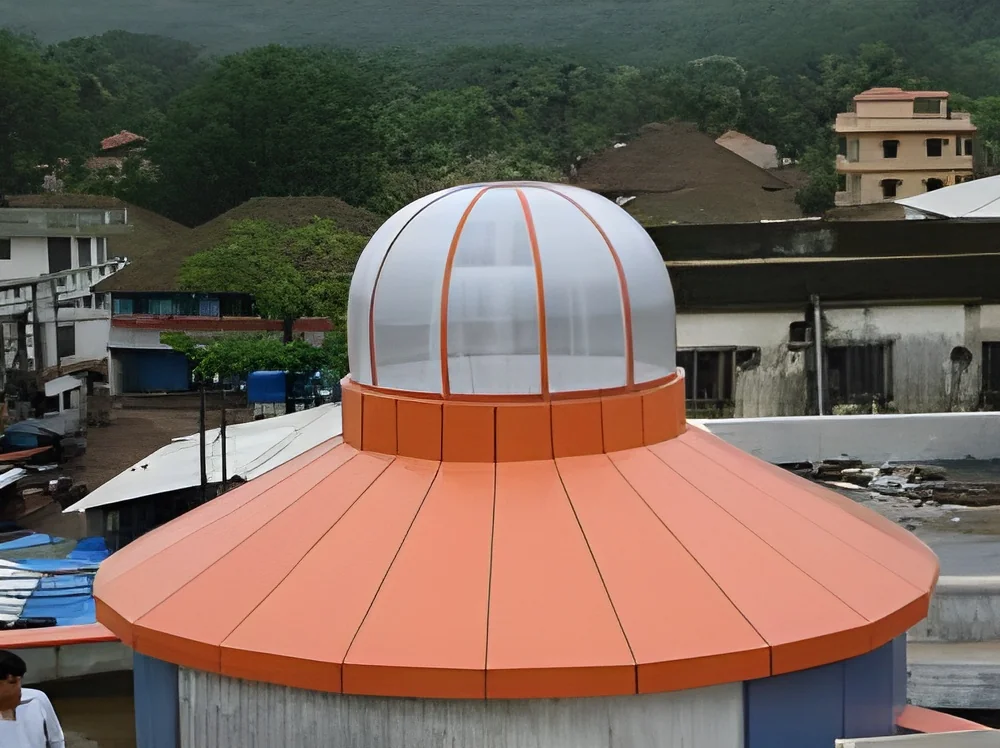
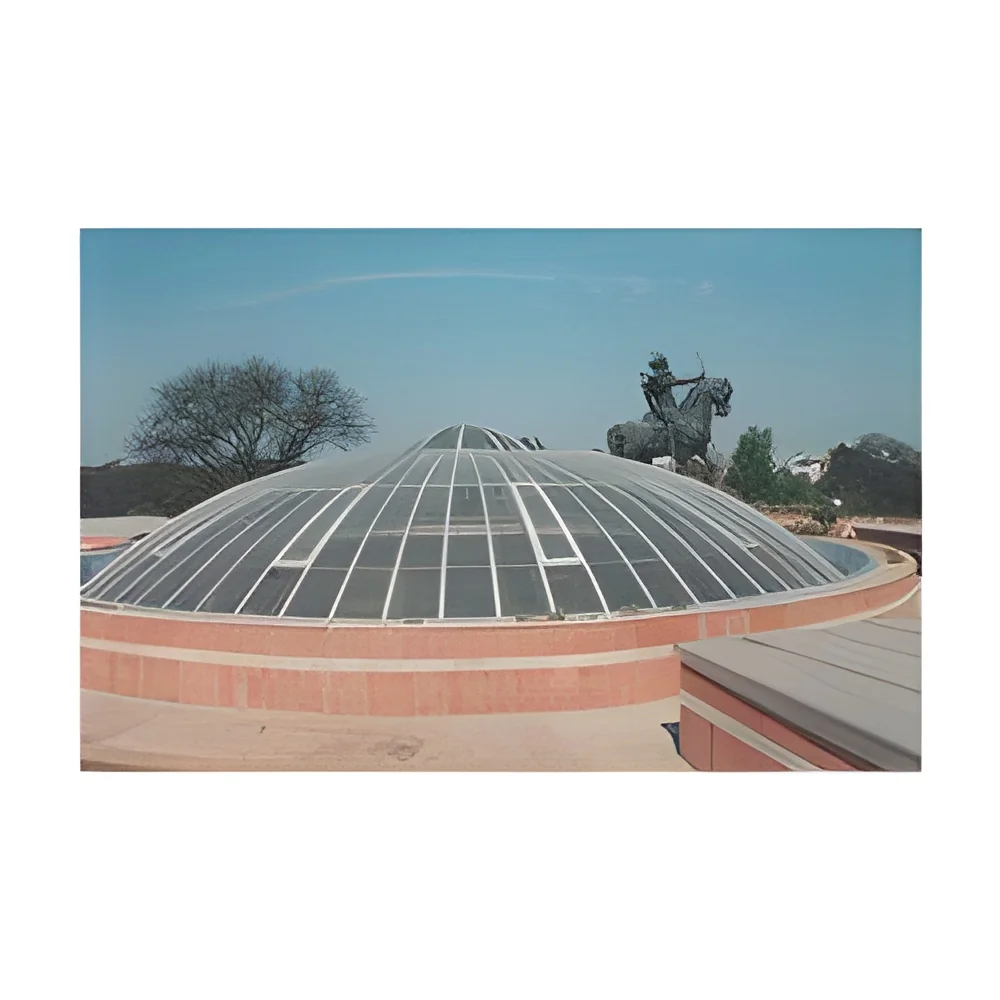
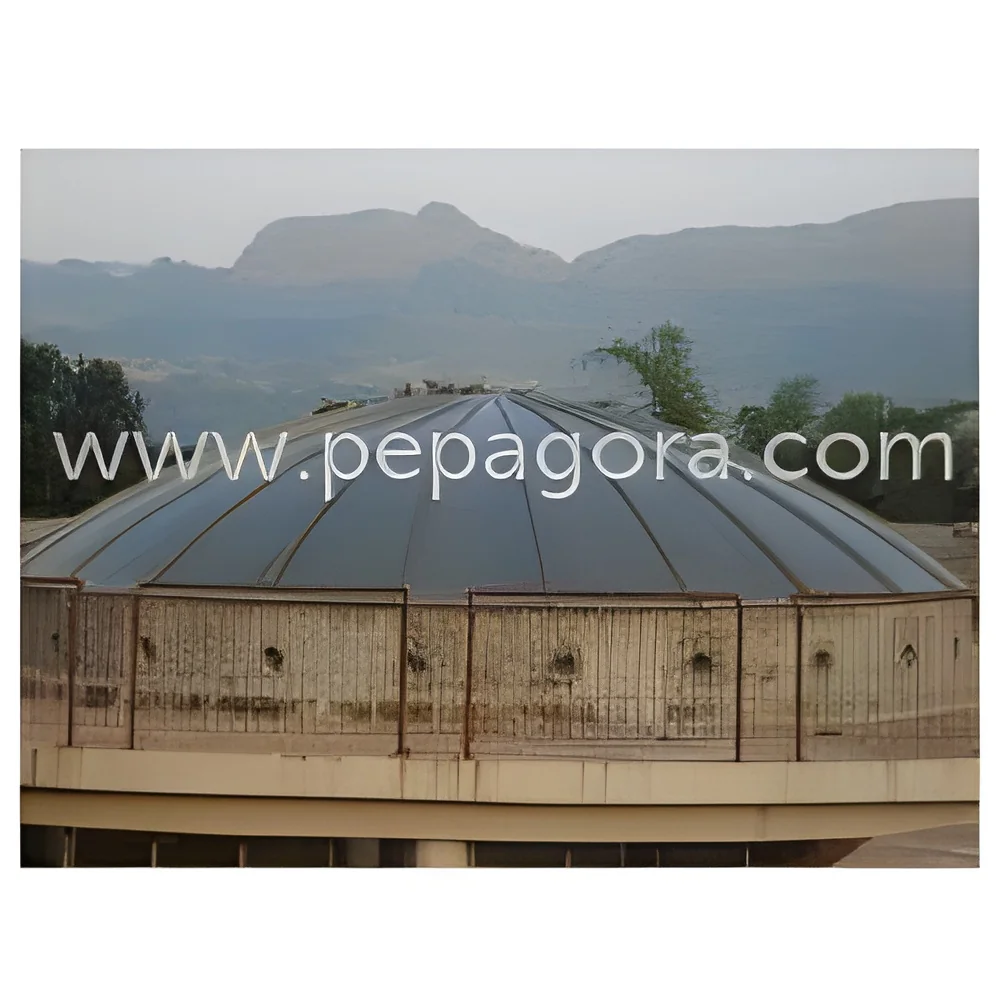
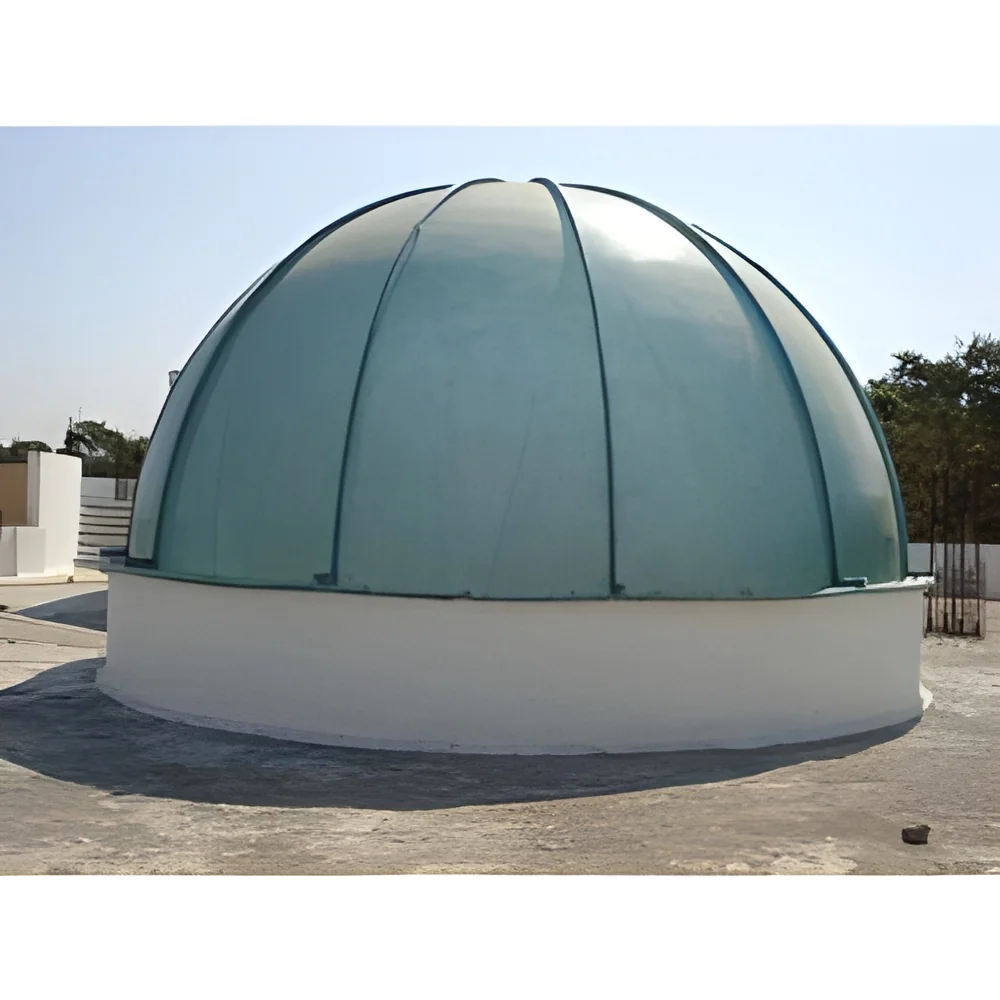
Dome Skylights
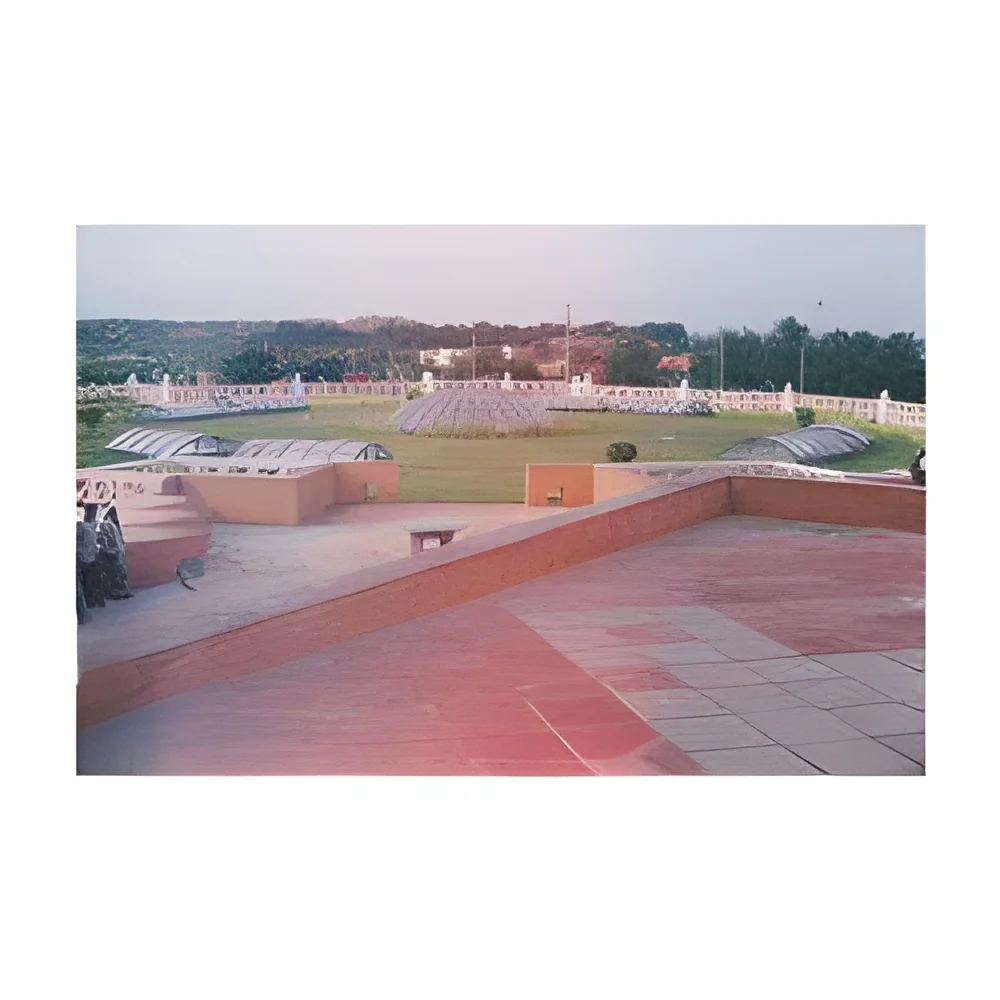
Dome-shaped skylights offer a unique architectural element, providing a larger surface area for light entry. They are often used in atriums and public spaces for dramatic effects.
Custom Skylights
These are tailored to specific project requirements, allowing architects to create unique designs that fit particular aesthetics or functional needs. Custom options may include varying shapes, sizes, and glass types.
Benefits and Advantages
Glass skylights and domes offer numerous benefits that make them an attractive choice for businesses and building projects.
1. Natural Light Enhancement: They significantly increase the amount of natural light in a space, reducing reliance on artificial lighting and creating a more pleasant atmosphere.
2. Energy Efficiency: By utilizing daylight, these products can lower energy costs associated with lighting and heating, making them an environmentally friendly option.
3. Aesthetic Appeal: Skylights and domes add visual interest to buildings, enhancing their overall design and making them more appealing to occupants and visitors.
4. Improved Well-Being: Natural light is known to have positive effects on mood and productivity, making these products vital in workplaces and public spaces.
5. Versatile Applications: They can be used in various settings, from commercial buildings to residential homes, making them adaptable to many architectural designs.
6. Increased Property Value: The addition of skylights and domes can elevate property values by enhancing the building's aesthetic and functionality.
Buying Guide for B2B Buyers
When sourcing glass skylights and domes, B2B buyers should consider several critical factors to ensure they select the right products.
1. Quality Assessment: Examine the quality of materials used, such as the type of glass and framing. Look for products that meet industry standards and ensure durability.
2. Supplier Verification: Vet suppliers to confirm their reliability and reputation in the market. Check for reviews, past performance, and compliance with quality standards.
3. Pricing and MOQ: Understand the cost structure and minimum order quantities. Compare pricing across suppliers to ensure competitive rates without sacrificing quality.
4. Delivery and Lead Times: Discuss delivery schedules and lead times with suppliers to ensure timely project completion. Consider logistics and transportation options.
5. Compliance Requirements: Ensure that the products meet local building codes and regulations, including safety standards and energy efficiency requirements.
Compliance and Certifications
Glass skylights and domes are subject to various quality standards and certifications that ensure their safety and performance. Common standards include ISO 9001, which focuses on quality management systems and continuous improvement practices. Compliance with this standard assures buyers of a consistent level of product quality.
In addition to ISO standards, glass skylights and domes may have certifications like CE, indicating conformity with European health, safety, and environmental protection standards. This certification is essential for manufacturers targeting markets within the European Union.
Safety and testing requirements are also critical considerations. Products must undergo rigorous testing to evaluate their resistance to impact, thermal performance, and weather durability. Regional compliance may vary, so it is important to understand local regulations and standards to ensure that the products meet required safety and performance benchmarks.
Why Source Glass Skylights & Domes from Pepagora?
Pepagora provides a trusted platform for sourcing glass skylights and domes, offering several key advantages for B2B buyers.
Verified Supplier Network: Pepagora has a comprehensive network of verified suppliers, ensuring that buyers can access high-quality products from reputable manufacturers. This network simplifies the procurement process and provides peace of mind.
Streamlined RFQ Process: The platform features an efficient request for quotation (RFQ) system that allows buyers to easily communicate their requirements to multiple suppliers. This system enables quick comparisons and informed decision-making.
Trade Assurance and Support: Pepagora offers trade assurance, protecting buyers throughout the transaction process. This support ensures that businesses can confidently purchase products without fear of compliance or quality issues.
Regional Coverage: With a strong presence in India, the GCC, and Southeast Asia, Pepagora provides extensive geographic reach. This coverage enables buyers to connect with local suppliers, facilitating smoother logistics and timely deliveries.
In conclusion, Pepagora serves as a reliable partner for businesses looking to source glass skylights and domes, combining a robust supplier network with excellent customer support and streamlined processes.

 IN
IN