
 IN
Clear Float Glass
7 products available
What are Clear Float Glass?
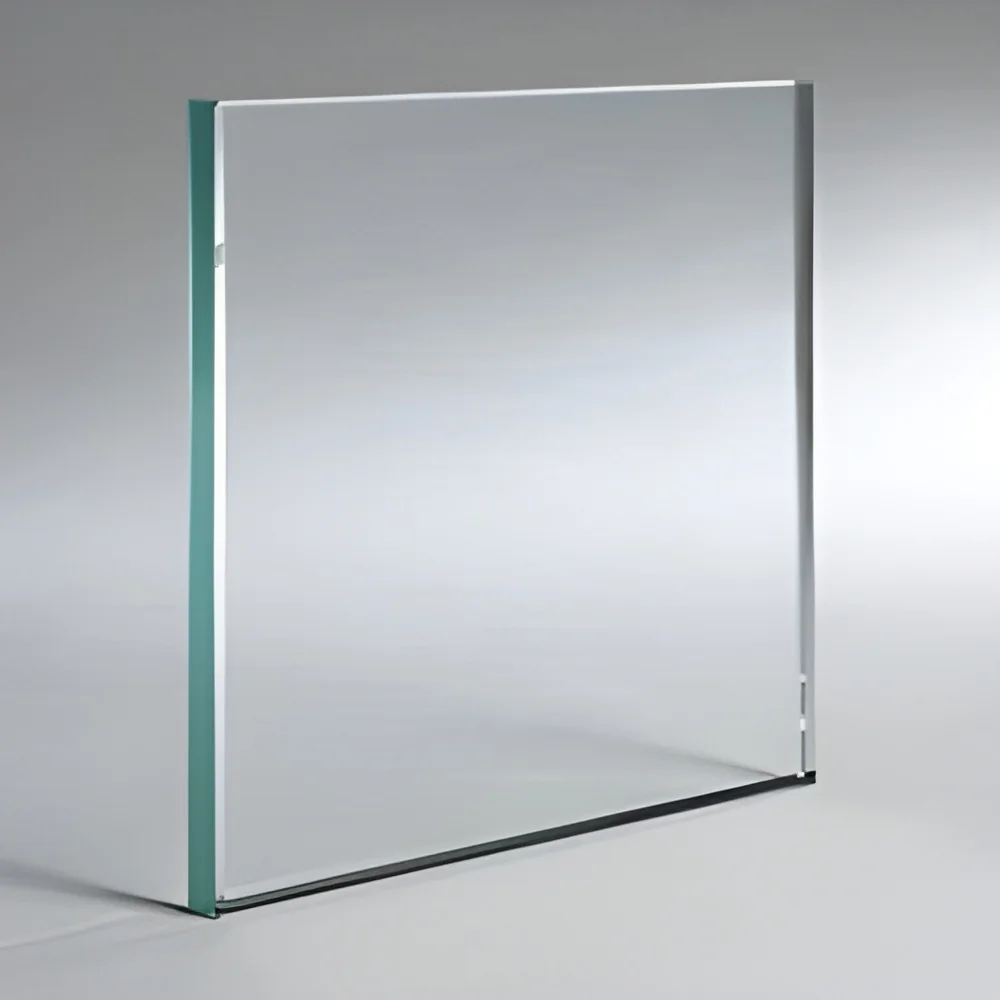
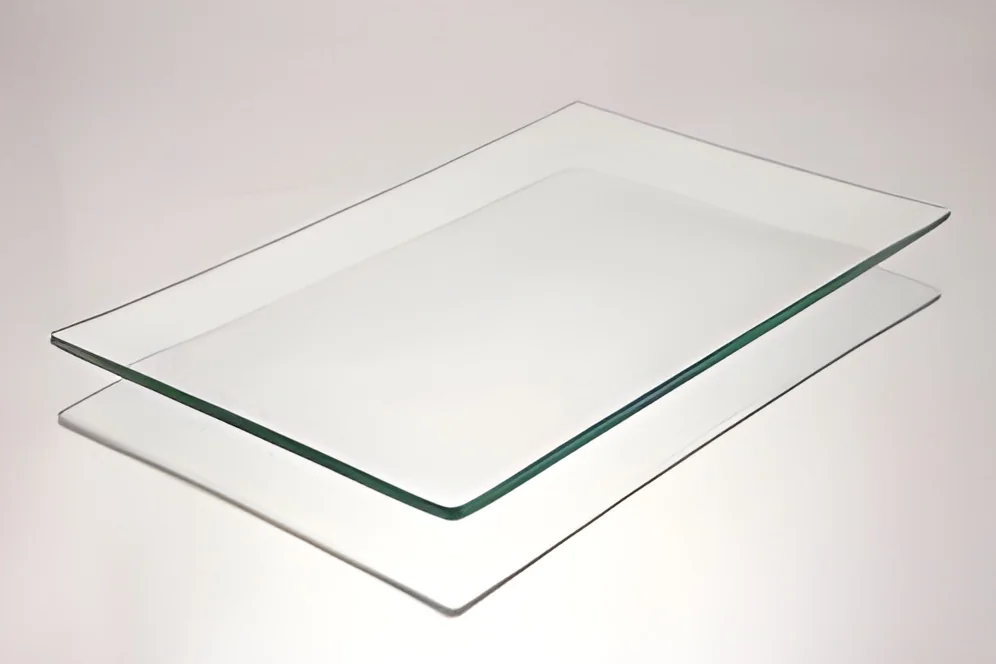
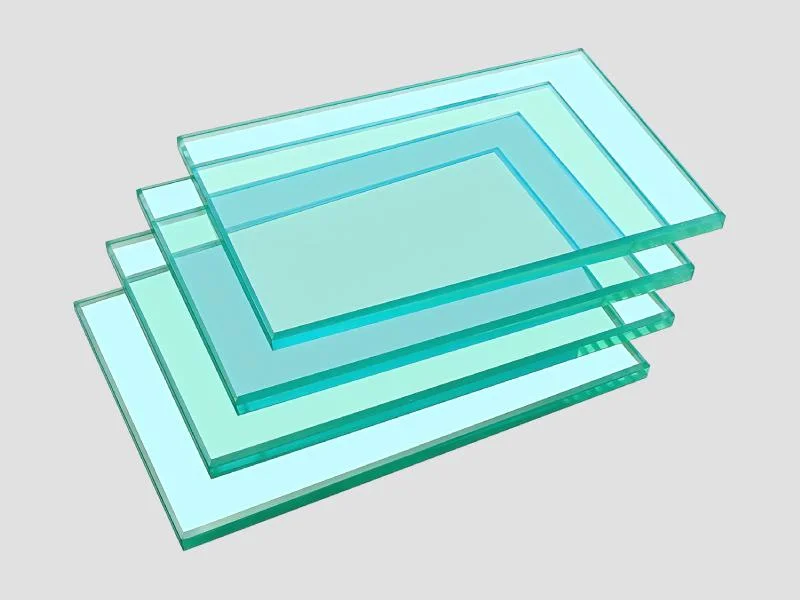
Clear Float Glass is a type of flat glass that is manufactured by floating molten glass on top of molten tin. This process results in a smooth, uniform surface that is free from distortions, making it ideal for a variety of applications. The glass is typically clear, allowing for high visibility and transparency, which enhances its appeal in architectural and decorative applications.
This product is predominantly used in the construction, automotive, and furniture industries. In construction, it is utilized in windows, facades, and glass doors due to its aesthetic appeal and functional properties. In the automotive sector, it serves as windshields and windows, providing safety and visibility. The versatility of Clear Float Glass makes it a staple in interior design, where it is employed in furniture and decorative items.
In the context of the industry, Clear Float Glass holds significant market relevance. The demand for energy-efficient and aesthetically pleasing building materials drives its use. As urbanization continues to rise globally, the need for high-quality glass products is expected to grow, positioning Clear Float Glass as a key player in the market.
Key Features and Specifications
Clear Float Glass is known for its excellent optical clarity and flatness. It comes with specific features and specifications that cater to diverse applications.
Key specifications include:
1. Thickness Range
- Typically ranges from 2mm to 19mm
- Allows customization based on project requirements
2. Dimensions
- Available in various standard sizes
- Custom sizes can be produced to meet specific needs
3. Surface Quality
- High optical clarity with minimal distortion
- Smooth finish on both sides
4. Light Transmission
- High light transmission rate
- Optimal for natural lighting in buildings
5. Thermal Properties
- Can withstand various temperature ranges
- Ideal for both residential and commercial applications
6. Durability
- Resistant to impact and weather conditions
- Suitable for long-term use
7. Safety Features
- Options for tempered or laminated glass are available
- Enhances safety in high-risk applications
8. Certification
- Complies with CE standards
- Ensures reliability and quality assurance
In summary, Clear Float Glass is characterized by its versatility and high-quality features, making it suitable for a wide range of applications across multiple industries.
Common Applications and Use Cases
Clear Float Glass serves various industries with its unique properties and versatility.
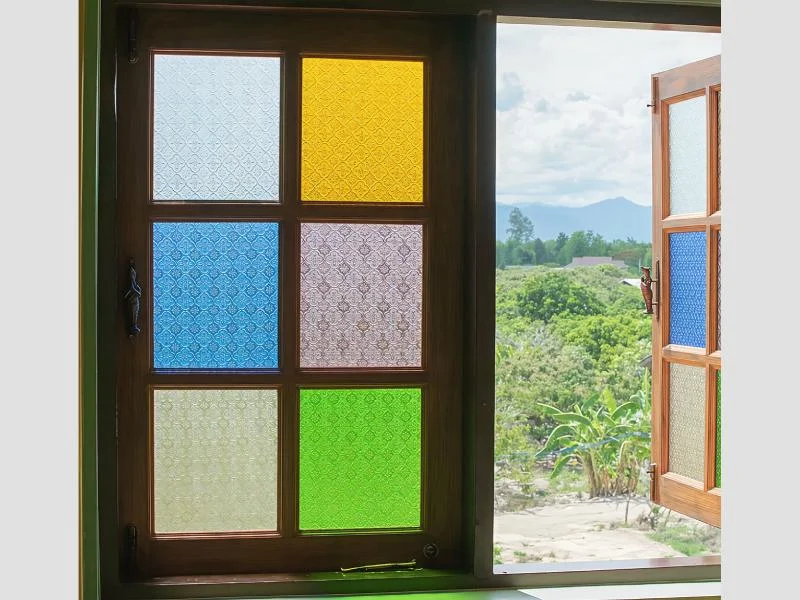
1. Construction: Widely used in windows, glass facades, and doors, providing aesthetic appeal and natural lighting.
2. Automotive: Serves as windshields and side windows, ensuring safety and visibility for drivers and passengers.
3. Furniture: Used in tabletops, shelving, and decorative elements, enhancing the visual appeal of interior spaces.
4. Retail: Employed in shopfronts and display cases, allowing products to be showcased effectively.
5. Electronics: Utilized in screens and displays, offering clarity and durability for consumer electronics.
6. Signage: Commonly used in illuminated signs and displays, providing visibility and an attractive finish.
7. Interior Design: Featured in partition walls and decorative panels, contributing to modern design aesthetics.
Product Variants and Subcategories
Clear Float Glass is available in different variants, each suited for specific applications.
Standard Clear Float Glass
This variant is characterized by its high clarity and flat surface, making it ideal for general applications in construction and interior design.
Low Iron Clear Float Glass
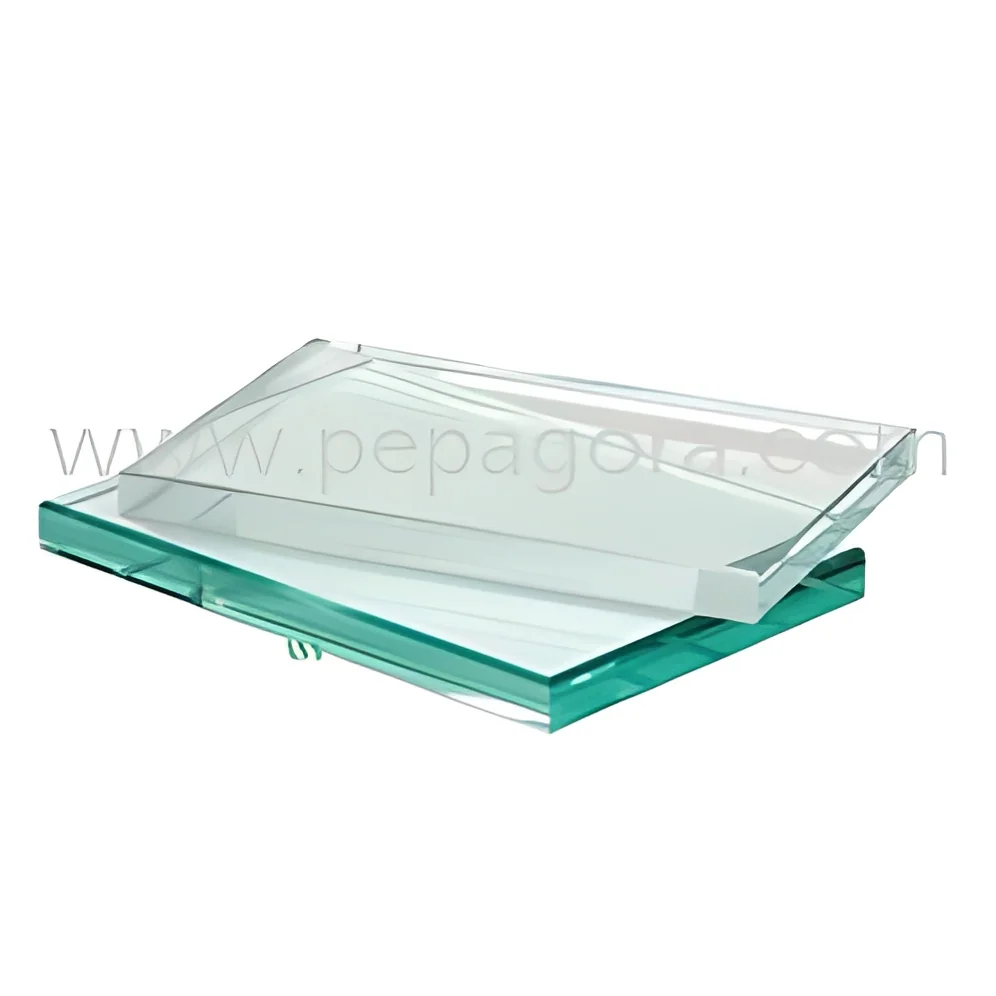
This type has reduced iron content, resulting in higher transparency and less green tint. It is perfect for high-end architectural projects where clarity is paramount.
Reflective Clear Float Glass
This variant features a reflective coating, which helps in controlling solar gain and enhancing energy efficiency. It is commonly used in commercial buildings.
Heat-Soaked Clear Float Glass
This type undergoes a heat-soaking process to minimize the risk of spontaneous breakage. It is particularly useful in environments with high thermal stress.
Benefits and Advantages
Clear Float Glass offers a range of benefits that make it a preferred choice among manufacturers and builders.
1. Aesthetic Appeal: The smooth surface and high transparency enhance the visual quality of any structure or object.
2. Versatility: Suitable for various applications across multiple industries, including construction and automotive.
3. Durability: Resistant to impact and weather, ensuring long-lasting performance.
4. Energy Efficiency: Options like reflective coatings help reduce energy consumption in buildings.
5. Safety Features: Available in tempered and laminated variants, enhancing safety in critical applications.
6. Customization: Can be produced in different sizes and thicknesses to meet specific project requirements.
Buying Guide for B2B Buyers
When sourcing Clear Float Glass, several factors should be considered to ensure a successful purchase.
1. Quality Assessment: Evaluate the optical clarity, surface finish, and durability of the glass. Request samples to confirm the quality.
2. Supplier Verification: Research and verify suppliers to ensure they have a good reputation and can meet quality standards. Look for certifications and customer reviews.
3. Pricing and MOQ: Understand the pricing structure and minimum order quantities to ensure cost-effectiveness. Compare quotes from multiple suppliers.
4. Delivery and Lead Times: Confirm the lead times for delivery to avoid any project delays. Discuss logistics and transportation options with the supplier.
5. Compliance Requirements: Ensure that the glass meets local regulations and industry standards, such as CE certification for safety and quality assurance.
Compliance and Certifications
Clear Float Glass must adhere to specific quality standards and certifications to ensure its reliability and safety in various applications.
ISO 9001 is a widely recognized standard that ensures quality management systems are in place, promoting consistent quality among manufacturers.
HACCP (Hazard Analysis and Critical Control Points) is relevant in sectors where safety is paramount, ensuring that all processes minimize risks effectively.
CE certification indicates compliance with European health, safety, and environmental protection standards, providing assurance to buyers regarding the product's quality.
Safety and testing requirements are crucial, especially for glass used in construction and automotive applications. Regular testing for impact resistance and thermal performance is essential.
Regionally, compliance considerations may vary. Buyers should be aware of local laws and regulations regarding glass products to ensure adherence.
Why Source Clear Float Glass from Pepagora?
Pepagora is a trusted platform for sourcing Clear Float Glass, providing several key advantages to B2B buyers.
Verified Supplier Network: Pepagora connects buyers with verified suppliers who have a proven track record of quality and reliability. This network ensures that buyers receive high-quality products.
Streamlined RFQ Process: The platform offers an efficient Request for Quotation (RFQ) process, allowing buyers to easily request quotes from multiple suppliers, saving time and effort.
Trade Assurance and Support: Pepagora provides trade assurance to protect buyers against potential risks, ensuring a secure transaction and peace of mind.
Regional Coverage: With a strong presence in India, the GCC, and Southeast Asia, Pepagora offers extensive regional coverage, making it easier for buyers to source Clear Float Glass locally or across borders.


Frequently Asked Questions
What are Clear Float Glass?
Clear Float Glass is a type of glass that is made by floating molten glass on top of molten tin, resulting in a smooth and flat surface. It is commonly used in windows, glass doors, and various architectural applications due to its clarity and transparency.
What are the different types of Clear Float Glass?
Clear Float Glass can be categorized into several types, including standard clear float glass, low-iron clear float glass, and tempered clear float glass. Each type offers different properties such as enhanced clarity, reduced iron content, or increased strength and safety.
How do I choose the right Clear Float Glass?
Choosing the right Clear Float Glass involves considering factors such as thickness, size, and application requirements. It is important to assess the specific needs of your project, including insulation properties and safety standards.
What are the standard specifications for Clear Float Glass?
Standard specifications for Clear Float Glass typically include thickness, which can range from 2mm to 12mm, and dimensions that can vary based on the manufacturer. Additionally, clear float glass must meet certain optical clarity and durability standards as per industry regulations.
What is the price range for Clear Float Glass?
The price of Clear Float Glass can vary widely based on factors such as thickness, size, and manufacturer. Generally, prices can range from INR 30 to INR 200 per square foot, depending on the specific requirements and market conditions.
What quality standards apply to Clear Float Glass?
Clear Float Glass must adhere to various quality standards, including those set by the Bureau of Indian Standards (BIS) and international guidelines. These standards ensure that the glass meets criteria for optical clarity, strength, and safety.
Where can I find Clear Float Glass suppliers in India?
You can find Clear Float Glass suppliers in India through online B2B marketplaces like Pepagora.com, trade shows, or industry directories. It's advisable to compare multiple suppliers to ensure quality and competitive pricing.
Can Clear Float Glass be customized?
Yes, Clear Float Glass can be customized in terms of size, thickness, and surface treatment. Many manufacturers offer options for custom orders to meet specific project requirements.
What is the typical minimum order quantity for Clear Float Glass?
The typical minimum order quantity (MOQ) for Clear Float Glass can vary by supplier but is often around 100 square feet. It is advisable to confirm the MOQ with the supplier before placing an order.
What is the typical lead time for Clear Float Glass?
The typical lead time for Clear Float Glass orders can range from 7 to 30 days, depending on the supplier and the specifics of the order. Factors such as customization and current inventory levels may also influence delivery times.
Why Businesses Trust Pepagora
Thousands of companies trust Pepagora to source smarter and sell faster
Expand Your Sales Globally

Source Smarter,Grow Faster
