
 IN
Spider Glass Systems
12 products available
What are Spider Glass Systems?
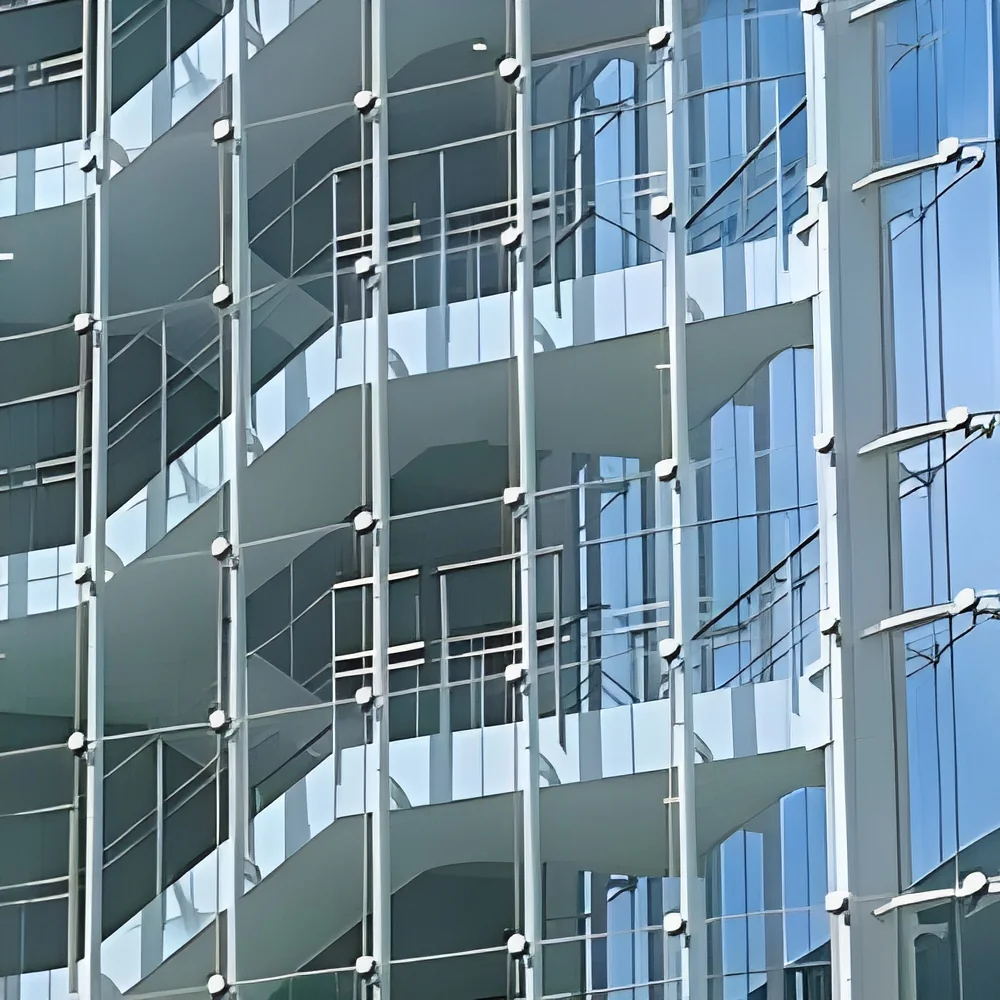
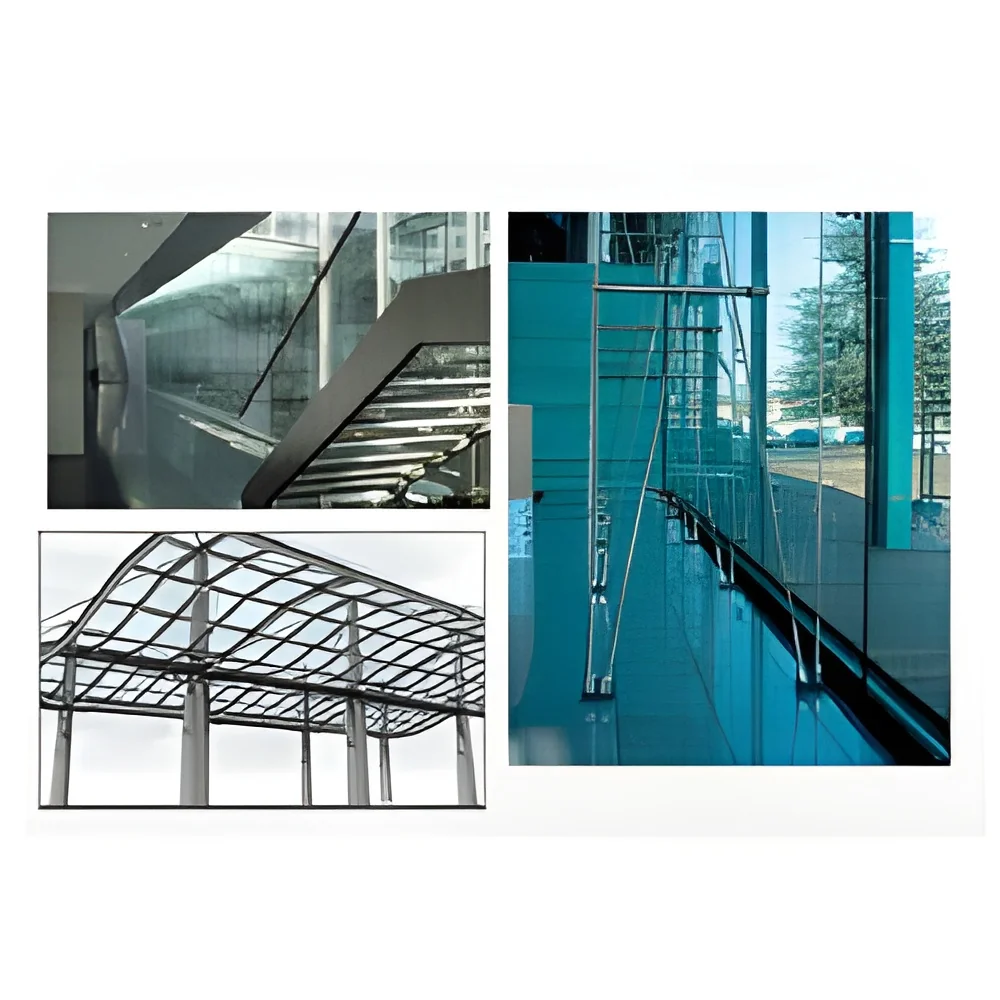
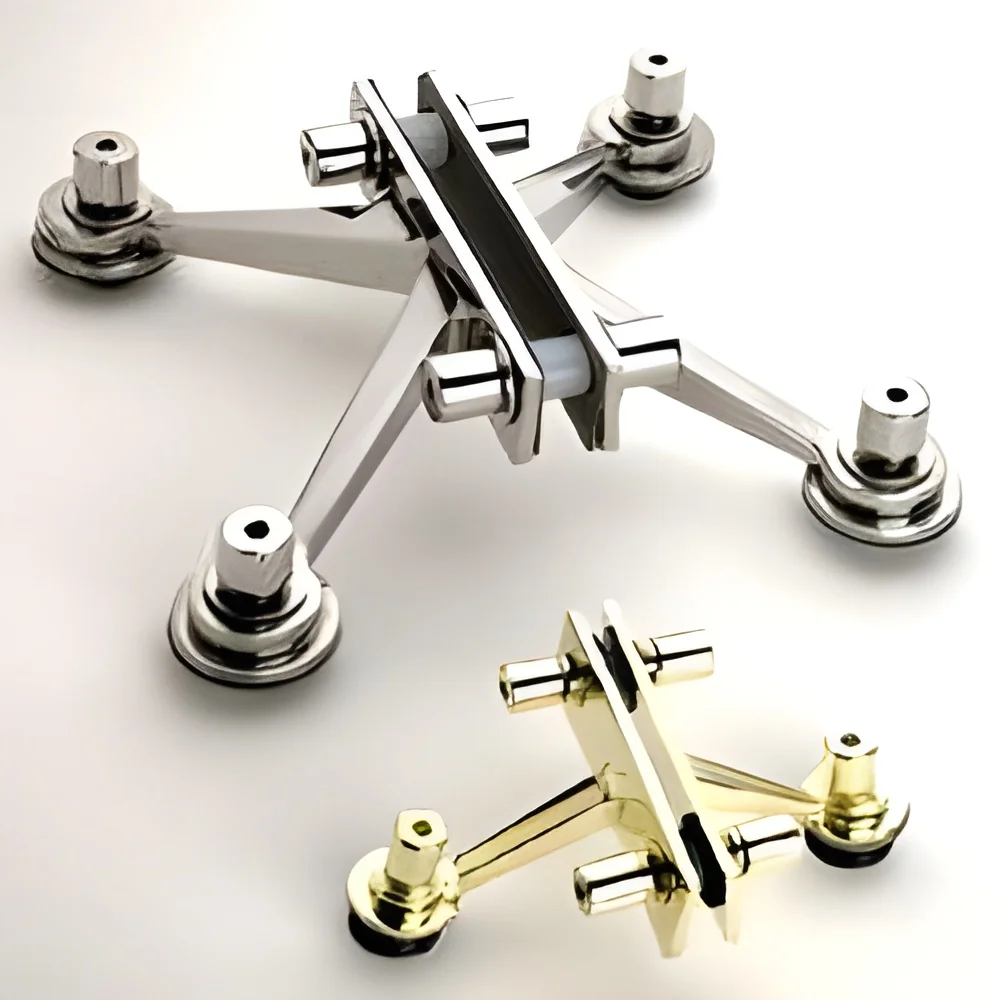
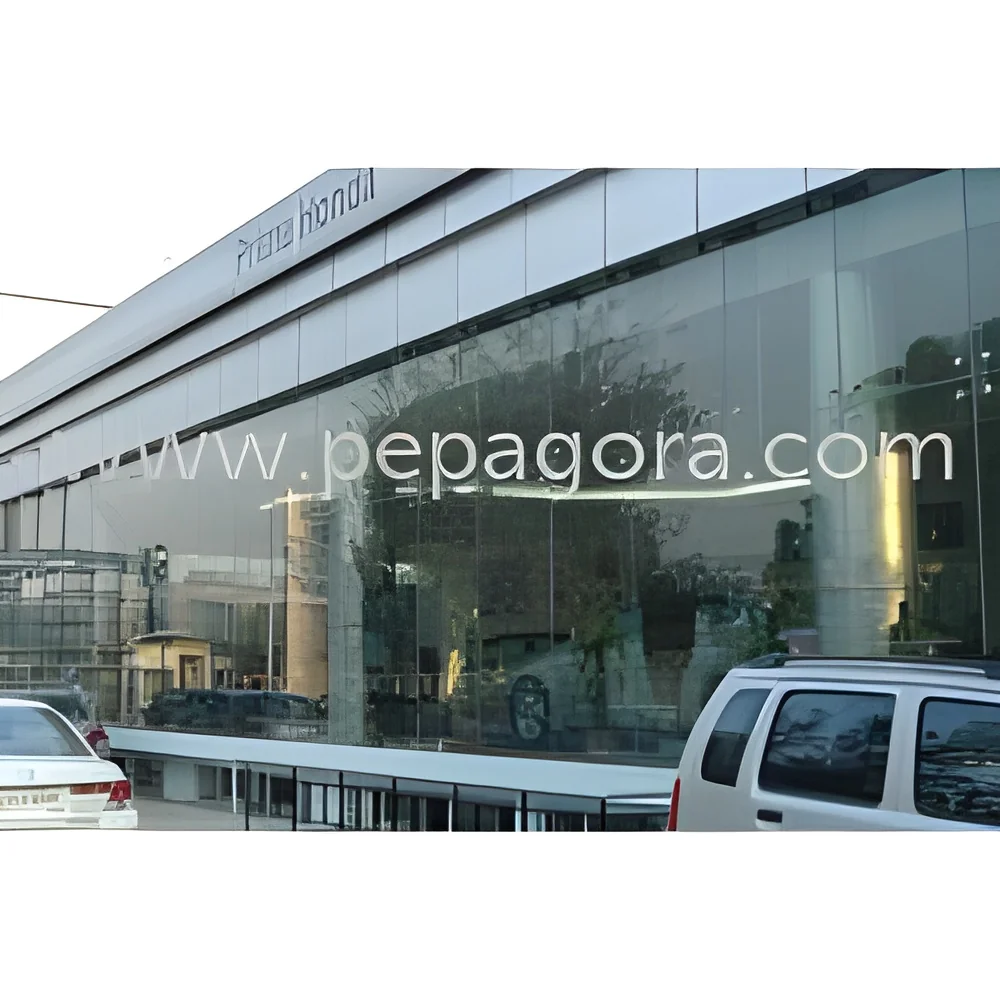
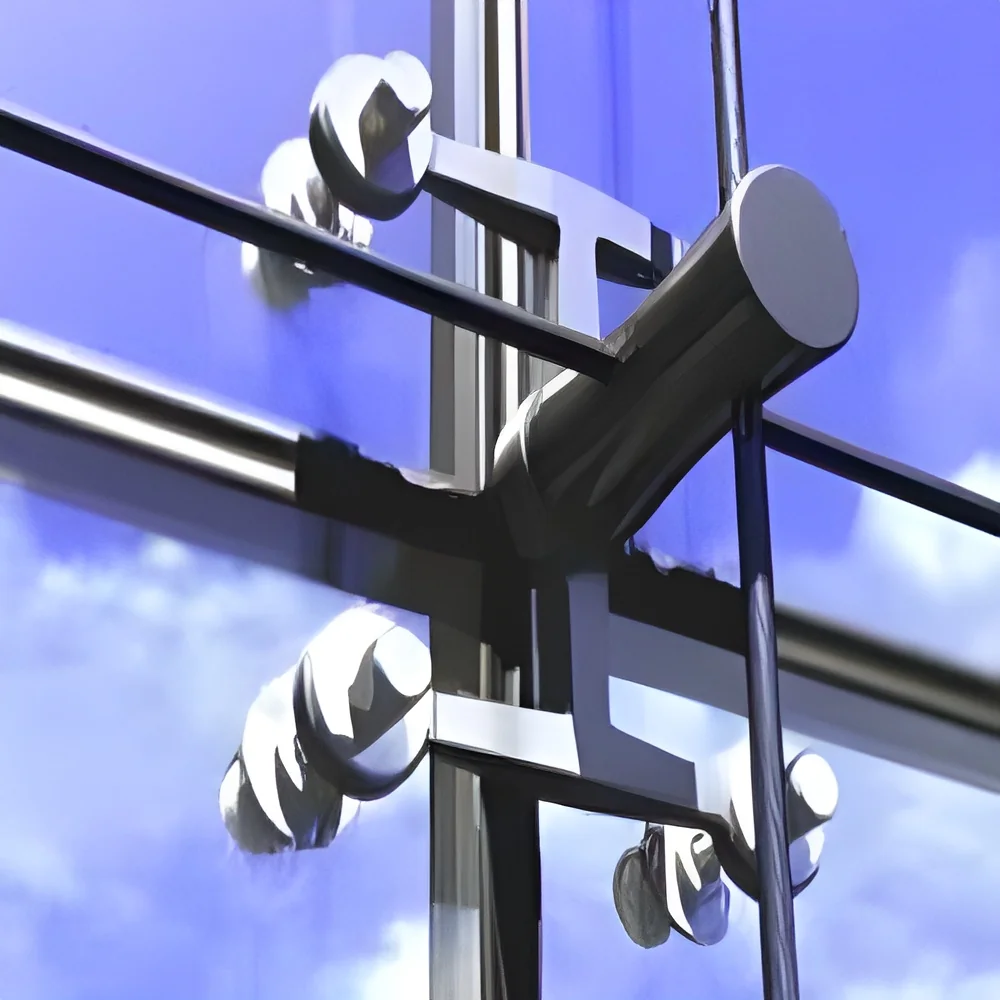
Spider Glass Systems are advanced architectural solutions designed for glass facades and structures. They utilize a unique spider-like hardware system that supports large glass panels. This design allows for minimal visual obstruction, creating a sleek and modern aesthetic in commercial and industrial buildings.
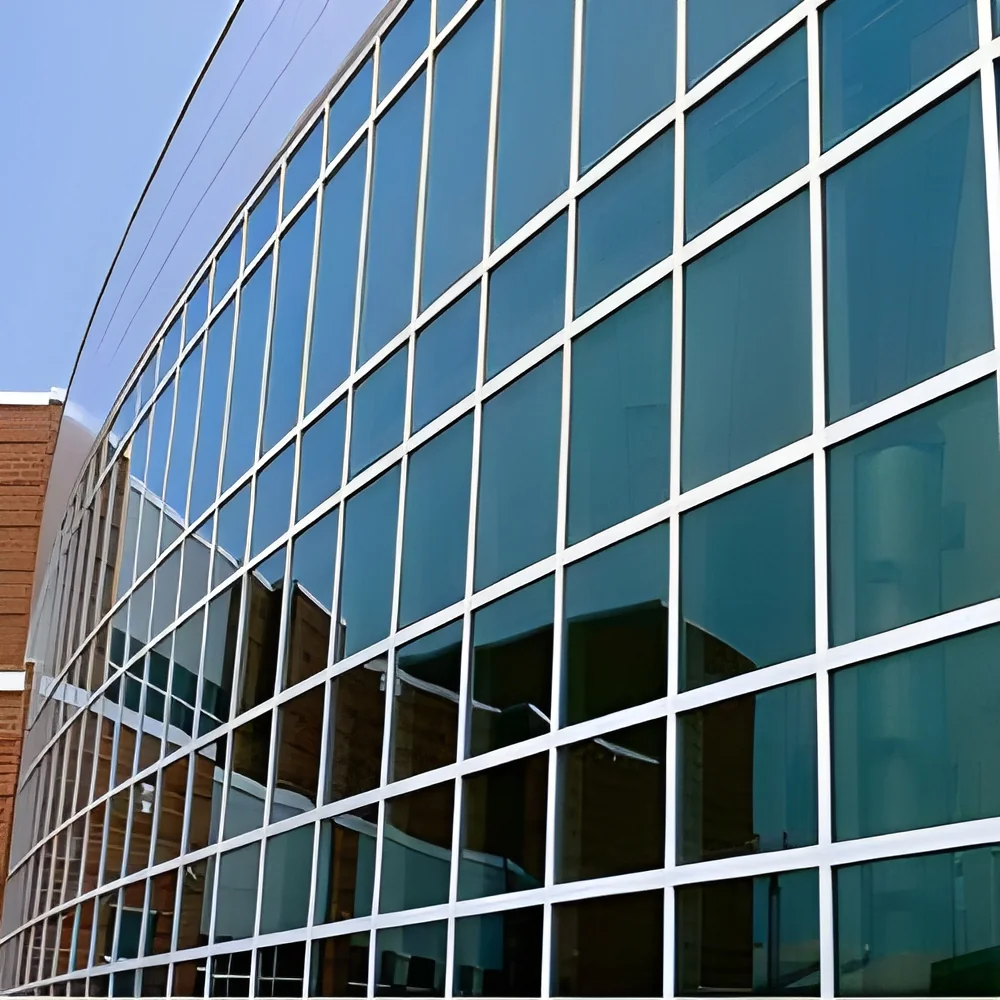
These systems are primarily used in a variety of architectural applications, including office buildings, shopping malls, and airports. Their ability to integrate large glass surfaces with structural elements makes them ideal for creating open spaces filled with natural light. In addition to aesthetics, Spider Glass Systems are engineered to provide strong support and durability, making them suitable for high-traffic environments.
In the competitive landscape of modern architecture, Spider Glass Systems are increasingly relevant. They offer solutions that meet both functional and aesthetic requirements, allowing architects and builders to push the boundaries of design. With the growing demand for energy-efficient and visually appealing structures, these systems are well-positioned in the market.
Key Features and Specifications
Spider Glass Systems are characterized by their innovative design and robust engineering. These systems incorporate a range of features that enhance their functionality and appeal.
Key specifications include:
1. Structural Support
- Designed to hold large glass panels securely
- Provides stability in various weather conditions
2. Aesthetic Flexibility
- Available in various finishes and styles
- Allows for creative architectural designs
3. Easy Installation
- Simplified mounting systems for quicker assembly
- Reduces labor costs and time on-site
4. High-Strength Materials
- Typically made from stainless steel or aluminum
- Ensures longevity and resistance to corrosion
5. Customization Options
- Can be tailored to meet specific project requirements
- Supports varying glass thicknesses and shapes
6. Minimal Visual Impact
- Hardware is discreet, maintaining a clean glass appearance
- Enhances overall building aesthetics
7. Thermal Performance
- Designed to minimize heat transfer
- Supports energy efficiency in buildings
8. Compliance with Safety Standards
- Meets industry safety regulations and guidelines
- Ensures reliable performance in all applications
In summary, Spider Glass Systems combine structural integrity with aesthetic versatility, making them a preferred choice for modern architectural projects.
Common Applications and Use Cases
Spider Glass Systems are utilized across diverse industries, showcasing their versatility and functionality.
1. Commercial Buildings: In office spaces, these systems provide expansive views and natural light, improving employee well-being and productivity.
2. Retail Spaces: Shopping malls and storefronts benefit from the open and inviting atmosphere created by large glass facades, attracting more customers.
3. Transportation Hubs: Airports and train stations use Spider Glass Systems to create spacious, light-filled waiting areas that enhance traveler experience.
4. Hospitality: Hotels and resorts leverage these systems to blend indoor and outdoor environments, providing guests with stunning views.
5. Educational Institutions: Universities and schools implement these systems to foster collaborative and open learning spaces.
6. Exhibition Spaces: Museums and galleries utilize Spider Glass Systems to showcase exhibits while maintaining a modern architectural feel.
7. Healthcare Facilities: Hospitals and clinics benefit from the calming effect of natural light, promoting healing environments for patients.
Product Variants and Subcategories
Spider Glass Systems offer a range of variants to meet specific project needs.
Standard Spider Glass Systems
These are the most common type, featuring basic design elements that provide reliable support for glass panels in various applications.
Custom Spider Glass Systems
This variant is tailored to meet unique design and structural requirements, allowing for personalization in size, finish, and configuration.
Modular Spider Glass Systems
Designed for quick installation, these systems are pre-engineered for ease of assembly, making them ideal for projects with tight timelines.
Benefits and Advantages
Spider Glass Systems provide significant advantages for businesses looking to enhance their architectural projects.
Key benefits include:
1. Enhanced Aesthetics: These systems allow for expansive glass surfaces that create striking visual appeal.
2. Increased Natural Light: The design promotes the use of natural light, reducing the need for artificial lighting and improving energy efficiency.
3. Versatile Design Options: The flexibility in design allows architects to create unique spaces that stand out.
4. Robust Durability: Constructed from high-strength materials, these systems offer long-lasting performance.
5. Reduced Maintenance: The materials used are resistant to corrosion and wear, leading to lower upkeep costs over time.
6. Improved Safety: Compliance with safety standards ensures that buildings are secure and meet regulatory requirements.
Buying Guide for B2B Buyers
When sourcing Spider Glass Systems, it is essential to consider various factors to ensure the best choice for your needs.
1. Quality Assessment: Evaluate the materials and manufacturing processes. Look for systems that meet high-quality standards to ensure durability and safety.
2. Supplier Verification: Vet suppliers to confirm their reliability and reputation in the industry. Check for certifications and customer reviews.
3. Pricing and MOQ: Understand the pricing structure and minimum order quantities. Compare quotes from multiple suppliers to find the best deal.
4. Delivery and Lead Times: Factor in logistics and lead times. Ensure that the supplier can meet your project deadlines.
5. Compliance Requirements: Ensure that the products comply with relevant regulatory standards, including safety and quality certifications.
Compliance and Certifications
Spider Glass Systems are subject to various quality and safety standards. Compliance with ISO 9001 ensures that the manufacturing processes meet international quality management criteria.
Additionally, these systems may be certified under CE marking, indicating adherence to European health, safety, and environmental protection standards.
Safety requirements are crucial, especially in high-traffic areas. Testing for structural integrity and performance under various conditions is essential.
Regional compliance considerations should also be taken into account, as different countries may have specific regulations regarding glass installations and materials used.
Why Source Spider Glass Systems from Pepagora?
Pepagora offers a trusted platform for sourcing Spider Glass Systems, providing businesses with several key advantages.
Verified Supplier Network: Pepagora connects buyers with a network of verified suppliers, ensuring high-quality products and reliable service.
Streamlined RFQ Process: The platform simplifies the request for quotation process, allowing buyers to easily compare offers from different suppliers.
Trade Assurance and Support: Pepagora provides buyer protection and support throughout the purchasing process, ensuring a secure transaction.
Regional Coverage: With extensive reach in regions like India, the GCC, and Southeast Asia, Pepagora facilitates access to local and international suppliers, enhancing sourcing opportunities for businesses.

Frequently Asked Questions
What are Spider Glass Systems?
Spider Glass Systems are architectural glazing systems that use metal fittings, known as spiders, to secure glass panels. These systems allow for large expanses of glass to be supported without the need for traditional framing, providing a sleek and modern aesthetic.
What are the different types of Spider Glass Systems?
There are primarily two types of Spider Glass Systems: point-supported and cable-supported systems. Point-supported systems use fixed points to hold glass panels, while cable-supported systems utilize cables for additional support and flexibility.
How do I choose the right Spider Glass Systems?
Choosing the right Spider Glass System involves considering factors such as the design requirements, load capacity, and the specific environmental conditions of the installation site. Consulting with manufacturers or suppliers can also provide valuable insights on the best options available.
What are the standard specifications for Spider Glass Systems?
Standard specifications for Spider Glass Systems typically include details on the glass thickness, load capacity, and the type of metal used for spiders and fittings. Compliance with local building codes and safety regulations is also essential.
What is the price range for Spider Glass Systems?
The price range for Spider Glass Systems can vary widely depending on factors such as design complexity, materials used, and customization options. Generally, prices can start from a few thousand rupees per square meter and increase based on specific project requirements.
What quality standards apply to Spider Glass Systems?
Quality standards for Spider Glass Systems include adherence to safety regulations and certification such as ISI or ISO standards. Glass used in these systems should also meet specific impact resistance and thermal performance criteria.
Where can I find Spider Glass Systems suppliers in India?
You can find Spider Glass Systems suppliers in India through online B2B marketplaces like Pepagora, industry trade shows, and construction material expos. It is advisable to review supplier credentials and customer feedback before making a selection.
Can Spider Glass Systems be customized?
Yes, Spider Glass Systems can often be customized to meet specific architectural and design requirements. Customization options may include variations in glass size, thickness, and the type of fittings used.
What is the typical minimum order quantity for Spider Glass Systems?
The typical minimum order quantity (MOQ) for Spider Glass Systems can vary by supplier, but it generally ranges from a few square meters to larger commercial orders. It is best to inquire directly with suppliers for their specific MOQ policies.
What is the typical lead time for Spider Glass Systems?
The typical lead time for Spider Glass Systems can range from a few weeks to several months, depending on the complexity of the order and the supplier's production capacity. It's advisable to confirm lead times during the ordering process.
Why Businesses Trust Pepagora
Thousands of companies trust Pepagora to source smarter and sell faster
Expand Your Sales Globally

Source Smarter,Grow Faster
