IN
IN₹
Apparel & Fashion
Loading subcategories...
View More
Description
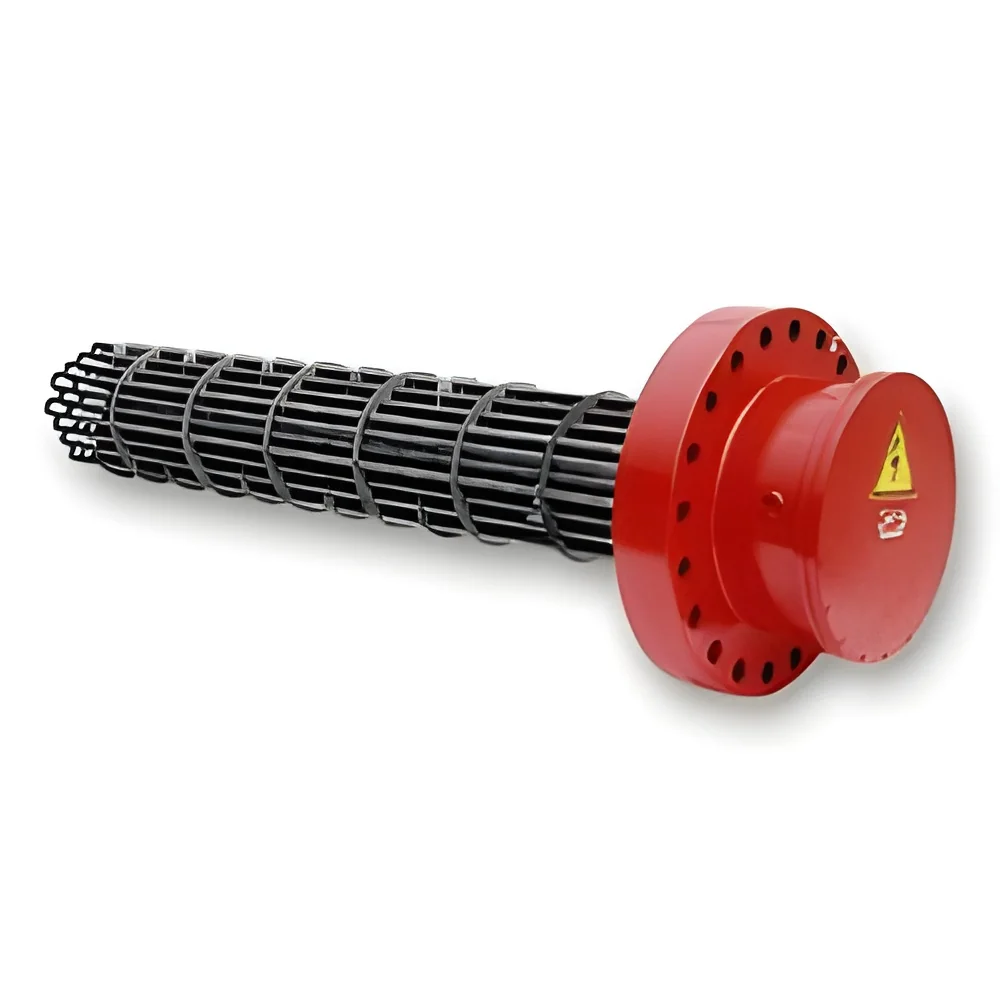
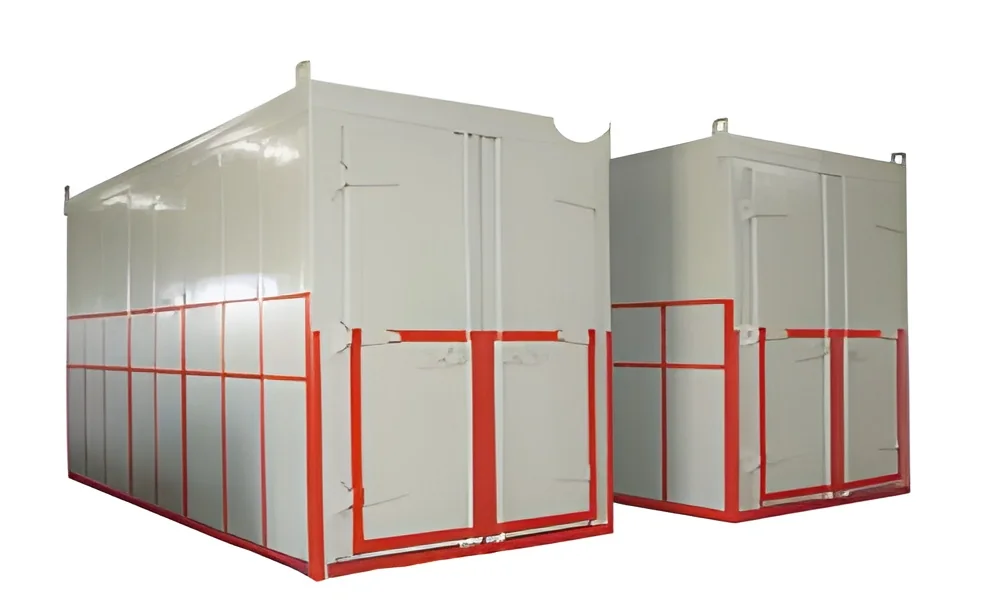
The professional glass banding furnace represents advanced thermal processing technology designed specifically for transforming flat float glass into precisely shaped components. This industrial-grade equipment heats glass to optimal temperatures between 600-800°C, enabling accurate bending, slumping, and fusing operations. Built with robust construction and state-of-the-art heating systems, our furnaces ensure reliable performance while maintaining operational economy. The gas-fired heating mechanism, combined with user-friendly control interfaces, provides manufacturers with a dependable solution for creating complex glass forms. We complement each installation with comprehensive technical support and operational training, ensuring immediate production readiness and long-term operational confidence.

This versatile furnace serves multiple industries that require shaped glass components for both functional and aesthetic purposes. Interior decoration specialists utilize it for creating...
The professional glass banding furnace represents advanced thermal processing technology designed specifically for transforming flat float glass into precisely shaped components. This industrial-grade equipment heats glass to optimal temperatures between 600-800°C, enabling accurate bending, slumping, and fusing operations. Built with robust construction and state-of-the-art heating systems, our furnaces ensure reliable performance while maintaining operational economy. The gas-fired heating mechanism, combined with user-friendly control interfaces, provides manufacturers with a dependable solution for creating complex glass forms. We complement each installation with comprehensive technical support and operational training, ensuring immediate production readiness and long-term operational confidence.

This versatile furnace serves multiple industries that require shaped glass components for both functional and aesthetic purposes. Interior decoration specialists utilize it for creating curved glass partitions, decorative wall panels, and artistic installations that enhance commercial and residential spaces. Furniture manufacturers depend on it for producing bent glass tabletops, shelving units, and display components that distinguish their product offerings. Architectural glass fabricators employ the furnace for manufacturing curved window panels, door inserts, and structural glazing elements. The equipment's capability to handle various glass thicknesses and produce consistent 90-degree bends makes it particularly valuable for businesses supplying the construction, hospitality, and retail sectors with premium glass products.

The business value of this glass banding furnace lies in its combination of reliability, operational efficiency, and production versatility. The gas-fired heating system significantly reduces energy costs compared to electric alternatives while delivering consistent thermal performance through automated PID temperature control. This operational economy, combined with minimal maintenance requirements and durable construction, ensures long-term productivity and return on investment. The furnace's ability to produce repeatable, high-quality bends and fused glass pieces enables manufacturers to meet precise client specifications and expand their service offerings. This capability to consistently deliver custom-shaped glass products strengthens competitive positioning and enhances reputation for quality craftsmanship in demanding markets.

Key Features:
- Precise temperature control between 600-800°C for accurate glass forming
- Gas-fired heating system for cost-effective operation
- Automated PID temperature controllers ensuring consistent results
- Multiple standard sizes including 5x8ft and 7x10ft configurations
- Minimal electrical power requirement limited to control systems

Benefits:
- Consistent high-quality results for professional glass forming
- Significant energy cost savings through gas heating efficiency
- Reliable performance with automated temperature management
- Flexible sizing options to match production requirements
- Low operational costs with minimal maintenance needs
Specifications
| Additional Information | |
|---|---|
| Country of Origin | India |
| Customisable | No |
Application
This professional glass banding furnace operates at precise temperatures between 600-800°C, transforming standard float glass into custom curved, slumped, or fused designs with consistent results. The equipment supports both artistic creativity and industrial precision, making it essential for professional glassworking studios and manufacturing facilities requiring repeatable quality in bent glass production for various applications.
The furnace utilizes efficient gas heating with minimal electrical consumption, controlled by automated PID temperature systems. Available in multiple standard sizes including 5x8ft and 7x10ft, it accommodates diverse production scales. This versatility makes it particularly suitable for businesses needing reliable glass forming capabilities for architectural, furniture, and interior decoration projects.
- Manufacturing curved glass shelves and tabletops for modern furniture
- Creating bent glass panels for architectural windows and doors
- Producing decorative slumped glass art pieces for luxury interiors
- Fabricating 90-degree bent glass components for table bases
- Developing fused glass signage and display items for commercial spaces
Trade Details
| Available Stock | In Stock |
| Sample Availability | No |
Payment Terms
| Payment Terms |
|
Company Profile
Balaji Enterprises Krishna & Co, Maharashtra
 Maharashtra, India
Maharashtra, IndiaManufacturer•Distributor / Wholesaler
Factory Details
Factory SizeBelow 1000 sqm
Annual Production Capacity0
Professional Glass Banding Furnace For Bending Slumping Fusing Float Glass
Professional glass banding furnace for precise bending, slumping and fusing of float glass. Ideal for creating decorative and functional glass products with reliable performance and energy efficiency for manufacturers.
Min. Order Quantity: 1 unit
Shipping
Shipping fee and delivery date to be negotiated. Contact supplier now for more details.
Balaji Enterprises Krishna & Co
 Maharashtra, India
Maharashtra, IndiaManufacturer