
 IN
Construction Anchors
5 products available
What are Construction Anchors?
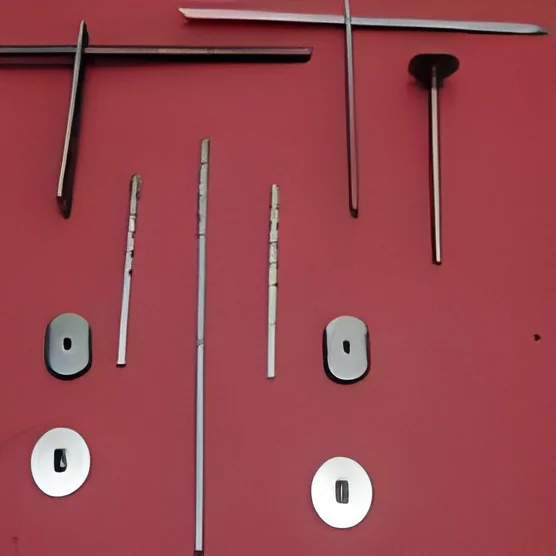
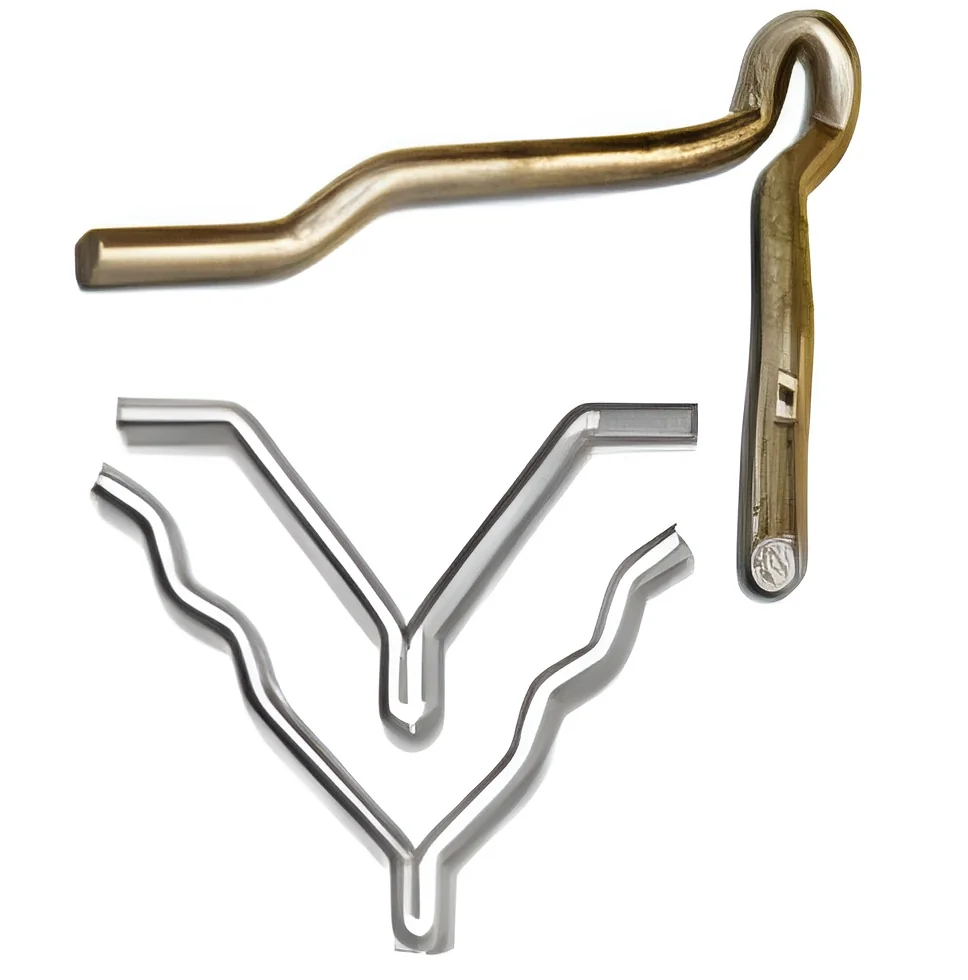
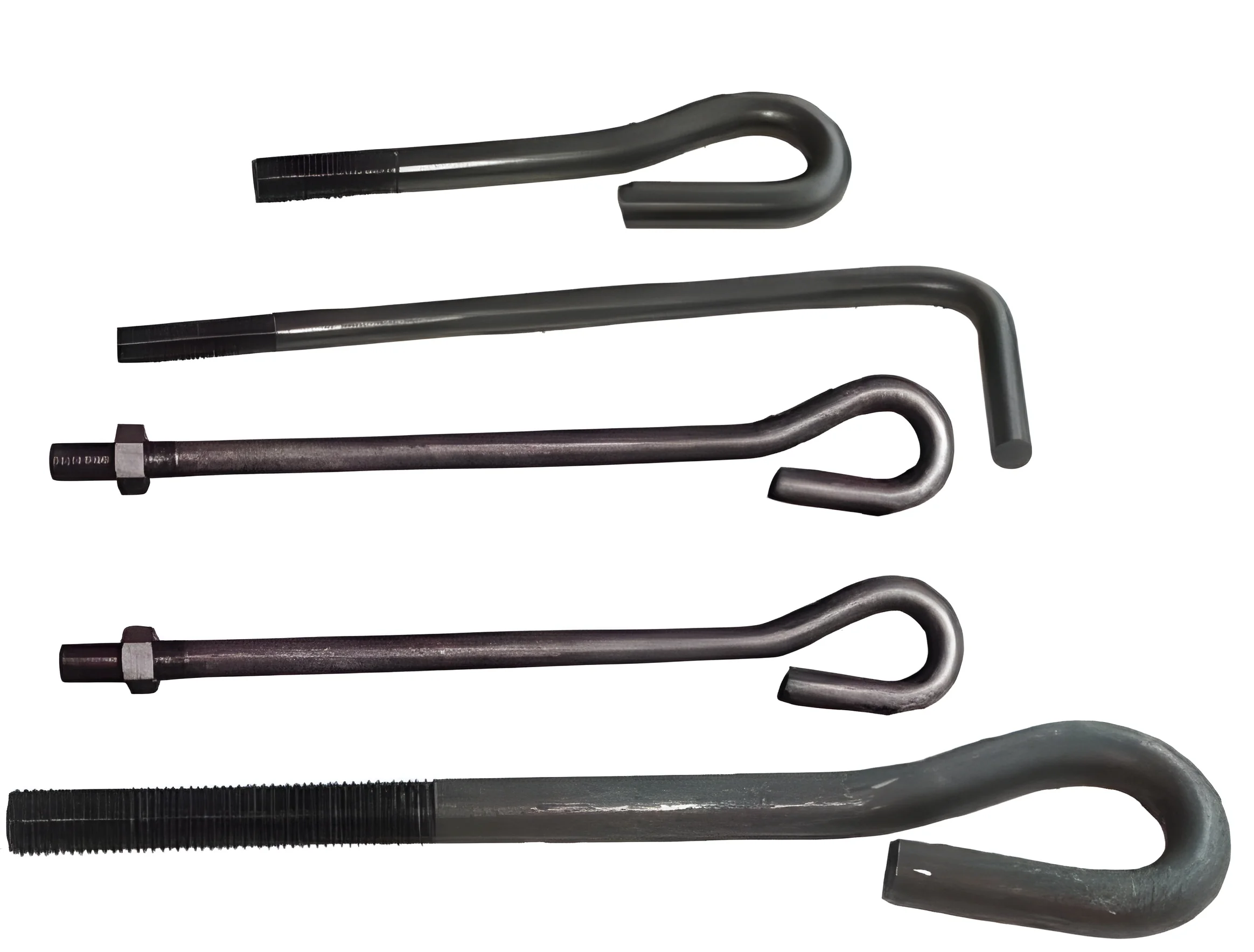
Construction anchors are essential components used in various construction and building projects to secure objects to a solid substrate, such as concrete, masonry, or wood. These devices provide strong and reliable holding power, ensuring that structures remain stable and safe. Typically made from materials like steel or plastic, construction anchors are designed to withstand tensile and shear loads, making them critical for both residential and commercial applications.
The primary uses of construction anchors include securing fixtures, such as shelves, cabinets, and railings, as well as anchoring larger structures like walls, fences, and machinery. Businesses in industries such as construction, manufacturing, and maintenance rely on these anchors for their operational safety and efficiency. In the current market, the demand for construction anchors is increasing, driven by urbanization, infrastructure development, and the need for durable building materials.
Key Features and Specifications
Construction anchors come with a variety of features that cater to different applications and environments. Understanding these specifications is crucial for selecting the right anchor for specific projects.
Key specifications include:
1. Material Type
- Common materials include steel and plastic.
- Steel anchors offer high strength and durability, while plastic anchors are lightweight and corrosion-resistant.
2. Load Capacity
- Refers to the maximum weight the anchor can support.
- Load capacities can vary widely, typically ranging from 50 pounds to over 1,000 pounds, depending on the type and size of the anchor.
3. Installation Method
- Includes options such as expansion, adhesive, and screw-in.
- Some anchors require pre-drilled holes while others can be installed using simple hand tools.
4. Anchor Size
- Size is determined by the diameter and length of the anchor.
- Proper sizing is essential for achieving optimal performance and security.
5. Corrosion Resistance
- Indicates the anchor's ability to withstand environmental factors.
- Many anchors are coated or treated to resist rust and corrosion, especially in outdoor or humid settings.
6. Compliance Standards
- Many construction anchors meet industry certifications such as CE.
- Compliance ensures the anchors meet safety and quality benchmarks.
7. Temperature Resistance
- Refers to the anchor's performance in varying temperature conditions.
- Specific temperature ratings are generally not specified, but anchors should be evaluated for extreme conditions.
Construction anchors are vital components in construction projects, providing reliable solutions for securing structures and ensuring safety.
Common Applications and Use Cases
Construction anchors serve a variety of industries and applications, making them versatile tools in the building sector.
1. Residential Construction: Anchors are used to secure shelving units, cabinets, and fixtures, ensuring stability in homes.
2. Commercial Construction: In office buildings, construction anchors secure partitions, signage, and heavy equipment, contributing to the structural integrity.
3. Infrastructure Projects: Highways and bridges utilize anchors to secure barriers and safety features, enhancing public safety.
4. Industrial Settings: Factories and warehouses use construction anchors to mount machinery and equipment, ensuring operational efficiency.
5. Landscaping: Anchors are used to secure fences, retaining walls, and outdoor fixtures, providing stability in outdoor environments.
6. Marine Applications: Construction anchors are utilized in docks and marinas to secure boats and ensure safety on water.
7. Telecommunications: Towers and antennas are anchored to withstand environmental stresses, ensuring reliable communication services.
Product Variants and Subcategories
Construction anchors come in various types to meet specific needs and applications in different settings.
Expansion Anchors
These anchors expand when installed, creating a secure hold in concrete and masonry. They are ideal for heavy-duty applications, such as mounting structural supports.
Screw Anchors
Designed for quick installation, screw anchors can be easily installed with a drill. They are perfect for applications where speed and efficiency are required, such as in drywall or light fixtures.
Adhesive Anchors
These use a bonding agent to secure the anchor in place. Adhesive anchors are useful in situations where traditional anchoring methods may not be feasible, such as in cracked or damaged concrete.
Sleeve Anchors
Sleeve anchors are versatile and can be used in various base materials. They feature a sleeve that expands against the walls of the hole, providing a strong grip.
Benefits and Advantages
Construction anchors offer numerous benefits that enhance their value in construction projects.
1. Enhanced Safety: Properly installed anchors provide reliable support, reducing the risk of structural failures.
2. Versatility: Available in various types and sizes, construction anchors can be used in a wide range of applications across different industries.
3. Easy Installation: Many anchors are designed for simple installation, saving time and labor costs on projects.
4. Durability: High-quality materials ensure that construction anchors can withstand harsh environmental conditions without compromising their integrity.
5. Cost-Effectiveness: Investing in quality anchors can prevent costly repairs and enhance the longevity of structures.
6. Compliance Assurance: Many anchors meet industry standards, providing peace of mind regarding safety and quality.
Buying Guide for B2B Buyers
When sourcing construction anchors, B2B buyers should consider several key factors to ensure they select the right products for their projects.
1. Quality Assessment: Evaluate anchors for material quality, load capacity, and durability. Look for products that comply with industry standards to ensure reliability.
2. Supplier Verification: Vet suppliers to confirm their reputation and reliability. This can include checking customer reviews and evaluating their track record in delivering quality products.
3. Pricing and MOQ: Understand the pricing structure and minimum order quantities. It is essential to find a balance between cost and quality to meet budget requirements.
4. Delivery and Lead Times: Consider logistics and delivery times when placing orders. Timely delivery is crucial to keep projects on schedule.
5. Compliance Requirements: Ensure that anchors meet necessary regulatory requirements and certifications. This is vital for safety and adherence to industry standards.
Compliance and Certifications
Construction anchors must adhere to specific quality standards and certifications to ensure their reliability and safety in various applications.
ISO 9001 certification indicates that a manufacturer follows international standards for quality management systems, ensuring consistent product quality.
CE marking signifies that the product meets European health, safety, and environmental protection standards. This certification is essential for products sold within the European market.
Safety and testing requirements are vital to ensure that construction anchors can withstand the intended loads and environmental conditions. Regular testing and compliance checks help maintain product integrity.
Regional compliance considerations vary by location, so it is important for buyers to be aware of local regulations and standards that apply to construction materials in their area.
Why Source Construction Anchors from Pepagora?
Pepagora provides a trusted platform for sourcing construction anchors, offering unique advantages to B2B buyers.
Verified Supplier Network: Pepagora connects buyers with a network of verified suppliers, ensuring that each supplier meets high standards of quality and reliability.
Streamlined RFQ Process: The platform simplifies the request for quotation process, allowing buyers to easily compare offers and make informed decisions quickly.
Trade Assurance and Support: Buyers are protected through trade assurance measures, ensuring that transactions are secure and that suppliers deliver as promised.
Regional Coverage: Pepagora has a wide geographical reach, covering markets in India, the GCC, and Southeast Asia. This extensive network enables buyers to access a diverse range of products and suppliers tailored to their regional needs.

 India

 India
Frequently Asked Questions
What are Construction Anchors?
Construction anchors are devices used to attach structural elements to concrete, masonry, or similar materials. They provide stability and support for various applications, including mounting fixtures, securing equipment, and reinforcing structures.
What are the different types of Construction Anchors?
There are several types of construction anchors, including wedge anchors, sleeve anchors, drop-in anchors, and chemical anchors. Each type is designed for specific applications and materials, offering varying levels of strength and load-bearing capacity.
How do I choose the right Construction Anchors?
Choosing the right construction anchors involves considering the material you will be anchoring into, the load requirements, and the environmental conditions. It's important to consult product specifications and, if necessary, seek advice from manufacturers or suppliers.
What are the standard specifications for Construction Anchors?
Standard specifications for construction anchors typically include dimensions, material properties, and load ratings. These specifications may vary by type and manufacturer, so it's essential to refer to the anchor's technical data sheet for detailed information.
What is the price range for Construction Anchors?
The price range for construction anchors can vary widely depending on the type, size, and material. Generally, prices can start from a few rupees for basic anchors and go up to several hundred rupees for specialized or heavy-duty options.
What quality standards apply to Construction Anchors?
Construction anchors are subject to various quality standards, including ISO, ASTM, and other regional standards. Compliance with these standards ensures that anchors meet specific performance and safety criteria, which is crucial for structural integrity.
Where can I find Construction Anchors suppliers in India?
You can find construction anchors suppliers in India through online B2B marketplaces, trade shows, and industrial supply distributors. Websites like Pepagora.com offer a range of suppliers and manufacturers for various types of construction anchors.
Can Construction Anchors be customized?
Yes, many manufacturers offer customization options for construction anchors to meet specific project requirements. Customization may include alterations in size, material, or load capacity, depending on the needs of the application.
What is the typical minimum order quantity for Construction Anchors?
The typical minimum order quantity (MOQ) for construction anchors can vary by supplier and product type. Generally, MOQs can range from a small batch of a few pieces to larger quantities, depending on the manufacturer's policies.
What is the typical lead time for Construction Anchors?
The typical lead time for construction anchors depends on the supplier's inventory and whether the products are made to order. Generally, standard orders can be fulfilled within a few days to a couple of weeks, while custom orders may take longer.
Why Businesses Trust Pepagora
Thousands of companies trust Pepagora to source smarter and sell faster
Expand Your Sales Globally

Source Smarter,Grow Faster
