
 IN
Chain Slings
10 products available
What are Chain Slings?
Chain slings are versatile lifting devices made from linked metal chains. They are designed to lift, move, and secure heavy loads in various industrial settings. Chain slings come in different configurations and capacities, allowing them to handle a wide range of weights and sizes. Their robust construction makes them suitable for demanding applications where safety and reliability are paramount.
These slings are primarily used in construction, manufacturing, and shipping industries. They are often employed to lift heavy machinery, equipment, and materials during loading and unloading operations. Chain slings are particularly useful in environments where traditional slings may fail, such as in high-temperature or high-humidity conditions. Their strength and durability make them essential tools in sectors that require heavy lifting and precise handling.
In today's market, chain slings are recognized for their importance in ensuring safe operations and compliance with industry standards. The demand for these products continues to grow, driven by advancements in manufacturing and increased safety regulations. Companies are investing in quality chain slings to enhance productivity while minimizing risks associated with lifting operations.
Key Features and Specifications
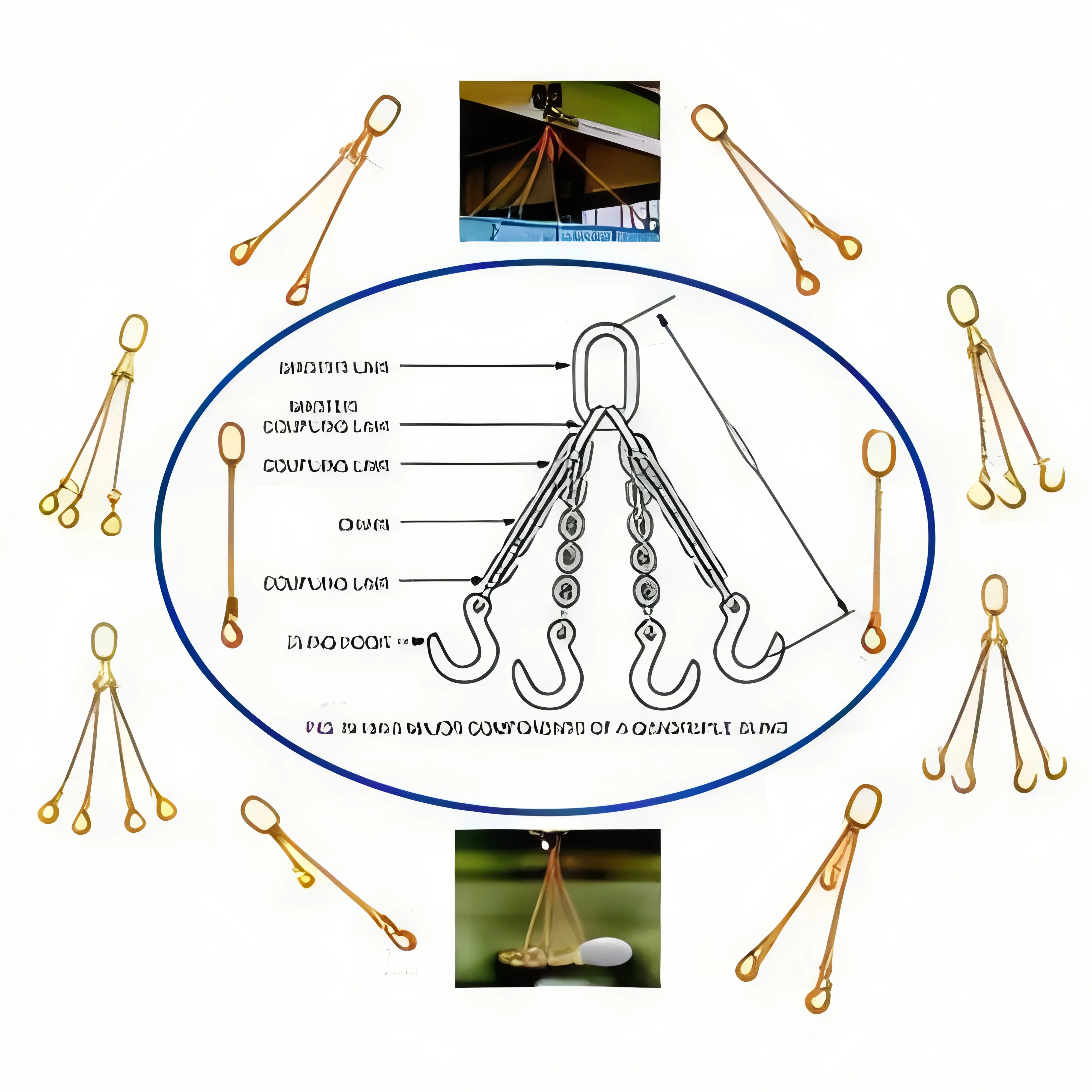
Chain slings offer a variety of features that enhance their functionality and safety. They are designed to meet stringent quality standards and can be customized based on specific lifting requirements. Understanding the key specifications is crucial for selecting the right chain sling for your needs.
Key specifications include:
1. Load Capacity
- The maximum weight that the chain sling can lift safely.
- Typically ranges from 1 ton to over 50 tons, depending on design.
2. Chain Material
- High-strength alloy steel is commonly used for durability.
- Ensures resistance to wear and elongation under load.
3. Link Size
- Refers to the diameter of the chain links.
- Affects the sling's overall strength and flexibility.
4. Sling Length
- The length of the chain sling from end to end.
- Can be customized to suit specific lifting heights.
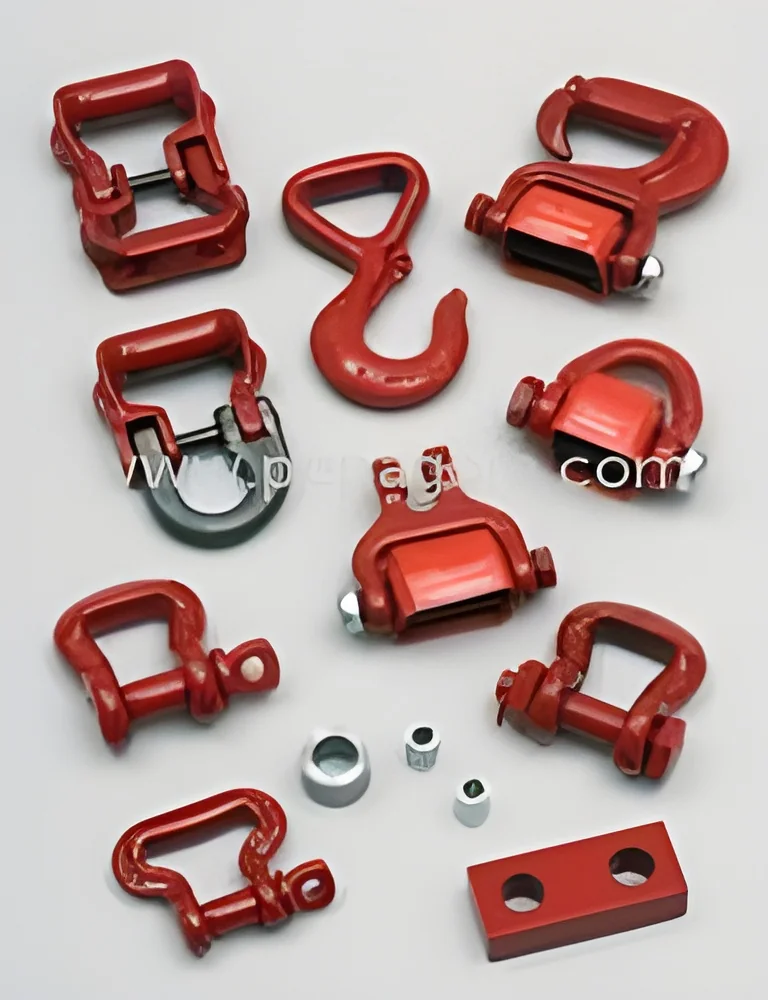
5. End Fittings
- Various types of hooks or connectors are available.
- Must match the lifting equipment for secure attachment.
6. Safety Factor
- Indicates the ratio of the maximum load capacity to the working load limit.
- A standard safety factor of 4:1 is common for chain slings.
7. Certification
- Chain slings should be certified to meet industry safety standards.
- CE certification is often required for compliance.
8. Operating Temperature Range
- Indicates the temperature limits within which the sling can operate safely.
- Data not available for specific temperature ranges.
These specifications are essential in ensuring that the selected chain sling meets the operational demands and safety requirements of your business.
Common Applications and Use Cases
Chain slings are widely used across various industries due to their strength and reliability. They play a crucial role in lifting and transporting heavy loads with precision.
1. Construction: Chain slings are used to lift concrete blocks, steel beams, and heavy machinery on construction sites. Their robust design allows for the safe handling of complex loads.
2. Manufacturing: In manufacturing plants, chain slings are employed to move heavy equipment and parts along assembly lines. They facilitate efficient production processes and minimize downtime.
3. Shipping: Chain slings are essential in the shipping industry for loading and unloading cargo from ships and trucks. Their strength ensures that even the heaviest shipments are handled safely.
4. Oil and Gas: Chain slings are utilized in the oil and gas sector to lift drilling equipment and other heavy components in challenging environments.
5. Mining: In mining operations, chain slings assist in transporting heavy materials and equipment within mines, enhancing operational efficiency.
6. Warehousing: Chain slings are used in warehouses for lifting and moving pallets and large packages, optimizing storage and retrieval processes.
7. Aerospace: Chain slings are employed in the aerospace industry for lifting aircraft components during maintenance and assembly tasks.
Product Variants and Subcategories
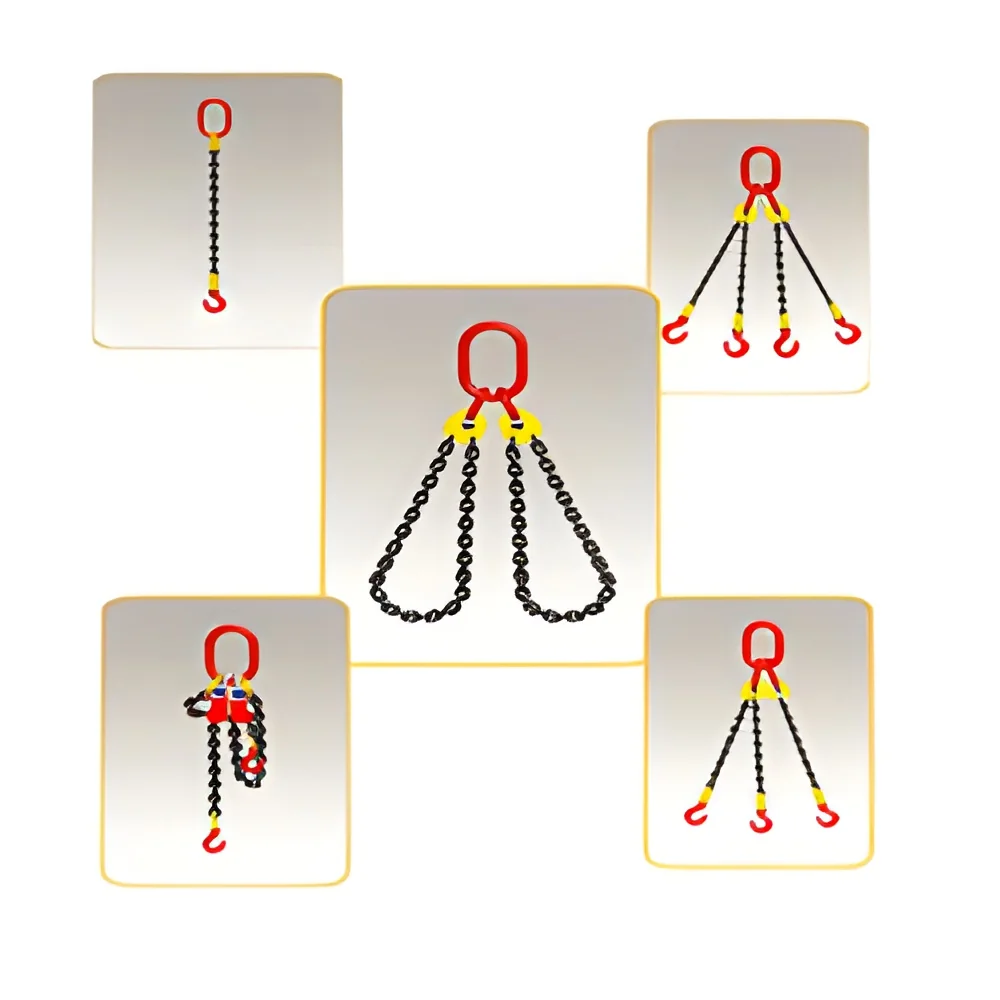
Chain slings are available in various configurations to meet the diverse needs of different industries. Each variant is designed to provide specific advantages based on application requirements.
Single Leg Chain Sling: This variant consists of a single chain leg and is ideal for lifting lighter loads. It provides flexibility and ease of use in tight spaces.
Double Leg Chain Sling: Featuring two chain legs, this variant is designed for heavier lifting applications. It offers improved load stability and balance, making it suitable for larger items.
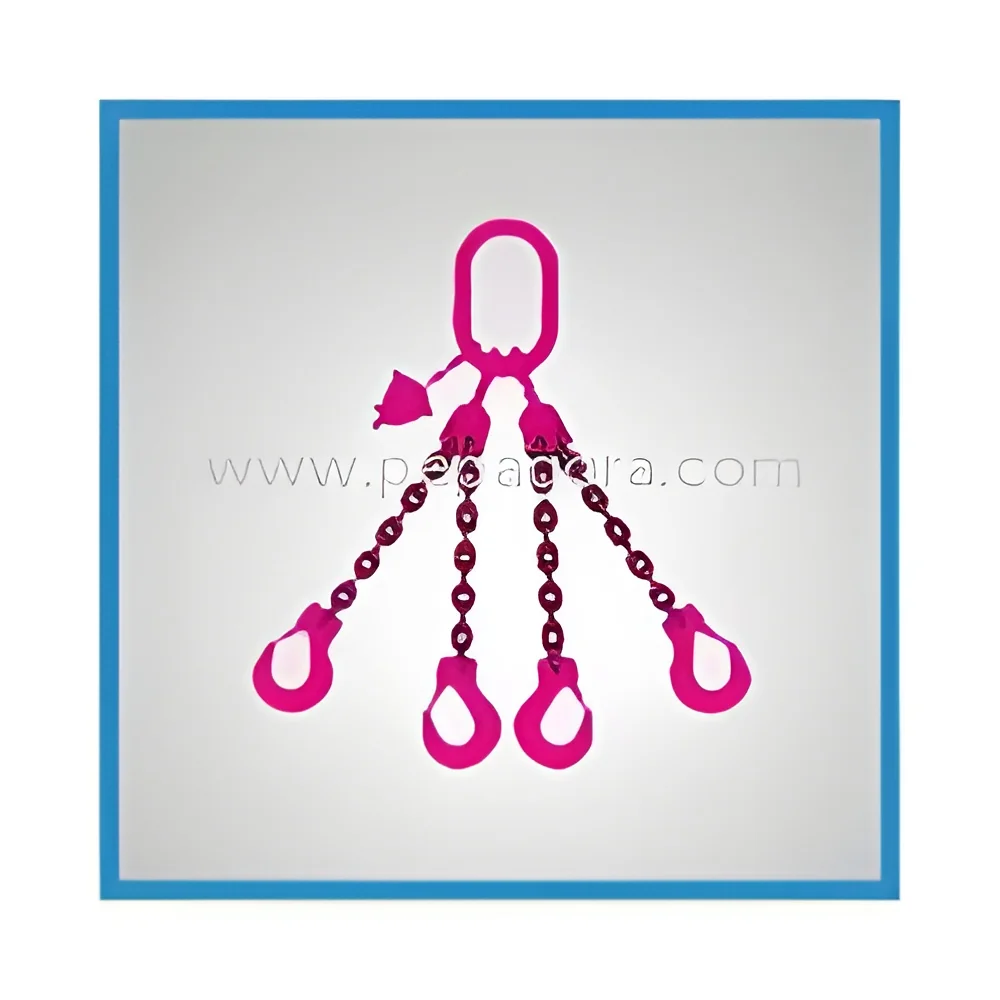
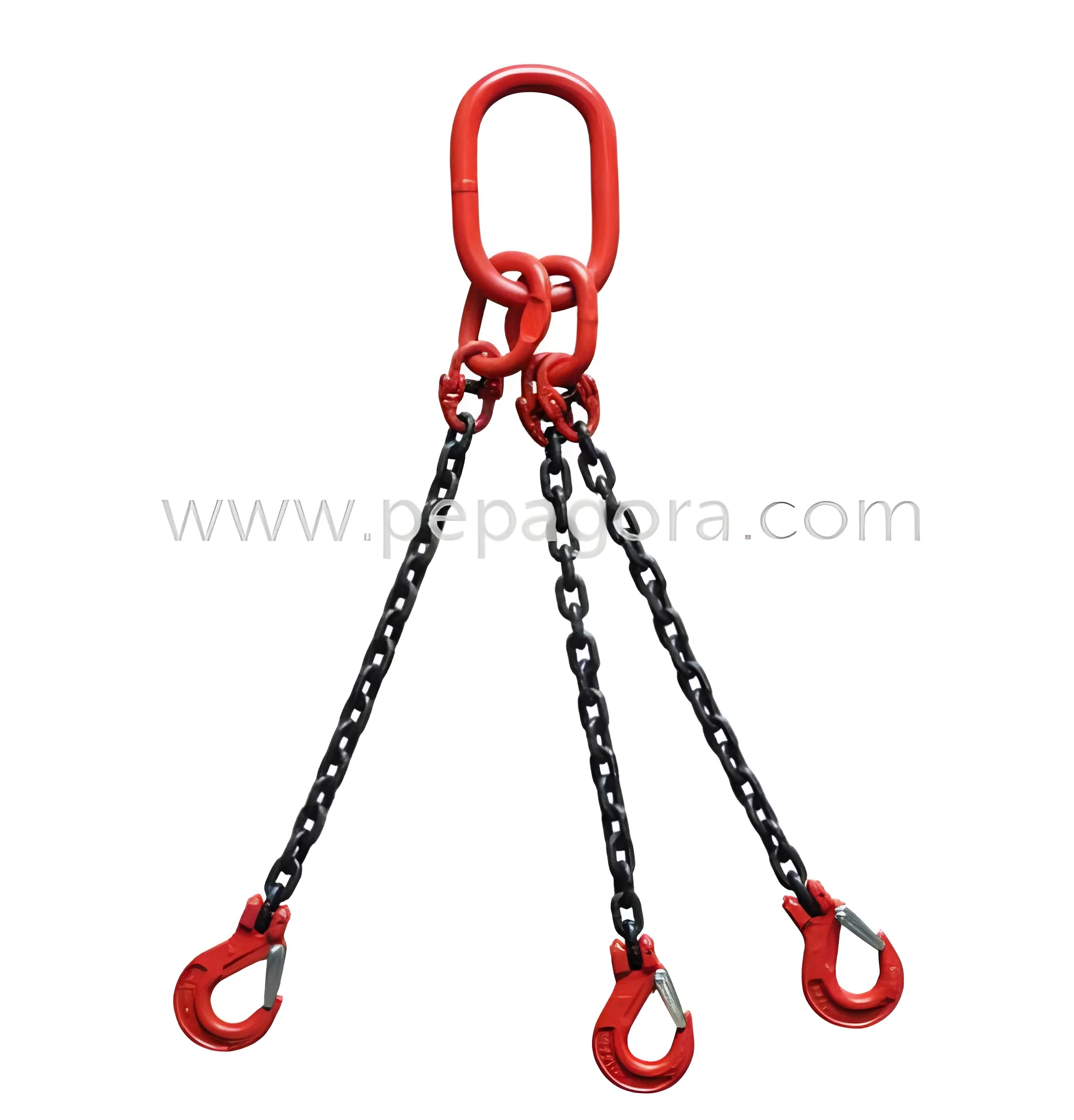
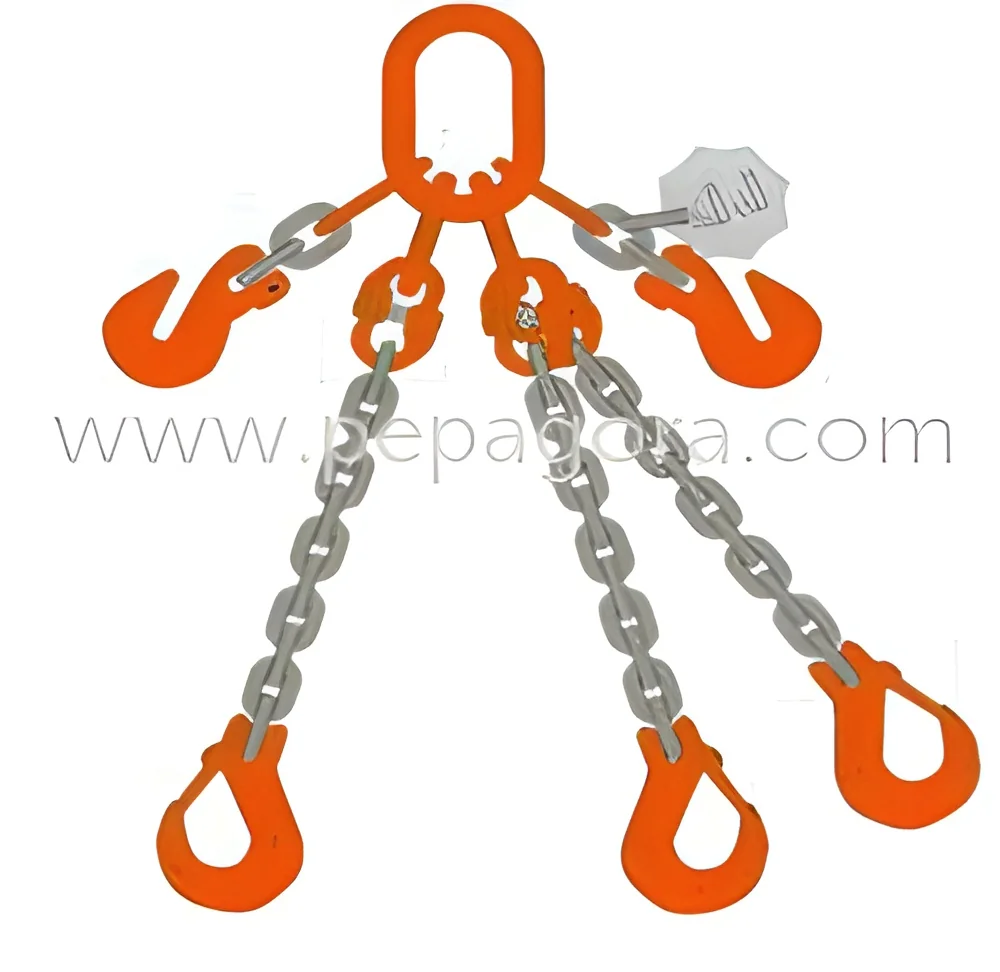
Triple Leg Chain Sling: This variant includes three legs and is used for lifting extremely heavy loads. It distributes weight evenly, enhancing safety during lifting operations.
Custom Chain Slings: Manufacturers can create custom chain slings tailored to specific lifting needs. This includes variations in length, chain size, and end fittings.
Benefits and Advantages
Chain slings provide numerous benefits that make them a preferred choice for lifting applications in many industries. Their unique design and high-quality materials contribute to their effectiveness.
Key benefits include:
1. High Strength: Chain slings are made from durable materials, allowing them to lift heavy loads safely and effectively.
2. Versatility: These slings can be used in various applications, making them suitable for multiple industries, from construction to aerospace.
3. Safety: Chain slings are designed with safety in mind, featuring high safety factors and certifications that ensure compliance with industry standards.
4. Durability: The robust construction of chain slings means they can withstand harsh working conditions, reducing the need for frequent replacements.
5. Customization: Many manufacturers offer customization options, allowing businesses to create slings that meet their specific operational needs.
6. Cost-Effectiveness: Investing in quality chain slings can reduce overall operational costs by enhancing efficiency and minimizing the risk of accidents.
Buying Guide for B2B Buyers
When sourcing chain slings, it is important for buyers to consider several factors to ensure they select the right product for their needs. Proper evaluation can enhance safety and efficiency in lifting operations.
1. Quality Assessment: Buyers should look for chain slings that meet recognized quality standards. Inspecting certifications and manufacturing processes can help ensure product reliability.
2. Supplier Verification: It is vital to vet suppliers for their reputation and reliability. Established suppliers with a history of delivering quality products are preferable.
3. Pricing and MOQ: Understanding pricing structures and minimum order quantities (MOQ) is important for budgeting. Buyers should compare prices while considering quality to avoid compromising on safety.
4. Delivery and Lead Times: Timely delivery is critical in maintaining operational schedules. Buyers should confirm lead times with suppliers to ensure they can meet project deadlines.
5. Compliance Requirements: Familiarity with regulatory standards and compliance requirements is essential. Buyers should ensure that their selected slings adhere to local and international safety regulations.
Compliance and Certifications
Compliance with industry standards and regulations is paramount when it comes to chain slings. Manufacturers are expected to adhere to specific quality standards to ensure the safety and reliability of their products.
Relevant quality standards, such as ISO 9001, provide guidelines for maintaining consistent quality in manufacturing processes. These standards help ensure that chain slings are produced to meet predefined safety and performance criteria.
Industry certifications, including CE certification, signify that the product meets European safety standards. This certification is essential for businesses operating within the European market.
Safety and testing requirements are critical aspects of chain sling production. Regular testing for load capacity and wear helps maintain the integrity of the slings, ensuring they remain safe for use.
Regional compliance considerations may vary, and it is important for buyers to be aware of specific local regulations that could affect the use of chain slings in their operations.
Why Source Chain Slings from Pepagora?
Pepagora offers a reliable platform for sourcing chain slings, providing a range of advantages for B2B buyers. The platform connects businesses with verified suppliers, ensuring that buyers can obtain quality products with confidence.
The verified supplier network at Pepagora allows buyers to access a selection of trusted manufacturers. This network simplifies the sourcing process by reducing the risk of dealing with unreliable suppliers.
Pepagora features a streamlined RFQ process, making it easy for buyers to request quotes from multiple suppliers. This process enhances transparency and enables buyers to compare offers efficiently.
Trade assurance and support are key components of the Pepagora platform. Buyers benefit from protections that help ensure their transactions are secure and satisfactory.
With a strong regional coverage extending across India, the GCC, and Southeast Asia, Pepagora is well-positioned to meet the needs of businesses in various geographic locations. This reach allows for efficient logistics and timely delivery of chain slings to customers across different markets.

 India

 India
 India


Frequently Asked Questions
What are Chain Slings?
Chain slings are lifting devices made from chain links that are used to lift and move heavy loads. They are known for their durability and strength, making them suitable for various industrial applications.
What are the different types of Chain Slings?
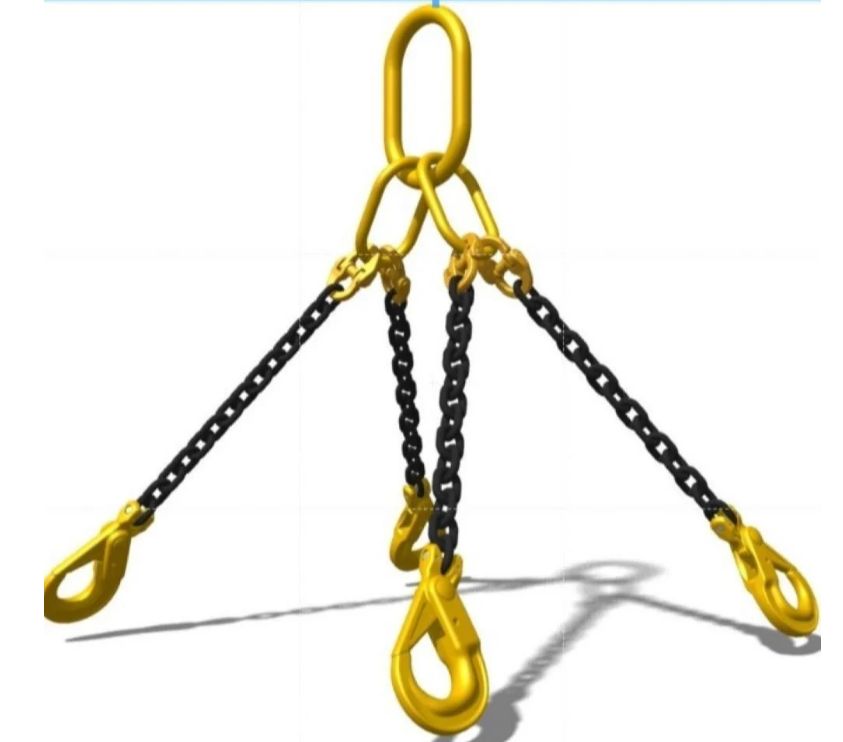
There are several types of chain slings, including single leg, double leg, triple leg, and four leg slings. Each type is designed for specific lifting needs and load configurations.
How do I choose the right Chain Slings?
To choose the right chain slings, consider factors such as the weight of the load, the lifting configuration, and the environment in which the slings will be used. It's also important to check the working load limit (WLL) and ensure compliance with safety standards.
What are the standard specifications for Chain Slings?
The standard specifications for chain slings include the material grade, chain diameter, length, and the number of legs. Common materials include alloy steel, which is known for its strength and resistance to wear.
What is the price range for Chain Slings?
The price range for chain slings can vary widely based on factors like size, material, and manufacturer. Typically, prices can range from a few hundred to several thousand Indian Rupees.
What quality standards apply to Chain Slings?
Chain slings must comply with various quality standards, including IS 2760 and EN 818-4. These standards ensure that the slings are safe and reliable for lifting operations.
Where can I find Chain Slings suppliers in India?
You can find chain slings suppliers in India through online B2B marketplaces like Pepagora, industrial equipment directories, and trade shows. It's advisable to compare multiple suppliers for quality and pricing.
Can Chain Slings be customized?
Yes, chain slings can be customized based on specific requirements, such as length, configuration, and material. Customization helps ensure that the slings meet the unique needs of different lifting applications.
What is the typical minimum order quantity for Chain Slings?
The typical minimum order quantity (MOQ) for chain slings can vary by manufacturer, but it generally ranges from 1 to 10 units. It's best to check with suppliers for their specific MOQ policies.
What is the typical lead time for Chain Slings?
The typical lead time for chain slings can range from a few days to several weeks, depending on the supplier and whether the slings are standard or customized. It is advisable to confirm lead times when placing an order.
Why Businesses Trust Pepagora
Thousands of companies trust Pepagora to source smarter and sell faster
Expand Your Sales Globally

Source Smarter,Grow Faster
