
 IN
Cargo Tie-Down Straps
6 products available
What are Cargo Tie-Down Straps?
Cargo Tie-Down Straps are essential tools used to secure cargo during transportation. These straps are made from durable materials that can withstand significant tension and stress. They typically feature hooks or buckles that allow for easy fastening and adjustment, ensuring that loads remain stable and secure throughout the journey. The design and material of these straps are crucial for their performance, making them a vital component in logistics and freight operations.
The primary uses of Cargo Tie-Down Straps include securing loads in trucks, trailers, and cargo containers. They are widely used in various sectors, including shipping, logistics, and construction. Businesses rely on these straps to prevent shifting and damage to cargo, which can lead to costly losses. With the increasing demand for safe transportation methods, Cargo Tie-Down Straps have become indispensable in the shipping industry, ensuring that goods arrive at their destination intact.
In the current market, the relevance of Cargo Tie-Down Straps is underscored by the growing emphasis on safety and efficiency in transportation. Various industries are seeking reliable solutions to enhance cargo security, and as a result, the demand for high-quality tie-down straps continues to rise. The availability of different types and specifications allows businesses to select the right products that meet their specific needs.
Key Features and Specifications
Cargo Tie-Down Straps come with several key features that enhance their functionality and reliability. These specifications are important for businesses looking to invest in quality products that can withstand the demands of transportation.
Key specifications include:
1. Material
- Typically made from high-strength polyester or nylon.
- Offers resistance to abrasion and weather conditions.
2. Load Capacity
- Varies based on the strap's design and construction.
- Common ranges include 500 to 10,000 pounds, depending on the application.
3. Strap Width
- Usually available in widths from 1 inch to 4 inches.
- Wider straps provide better weight distribution.
4. Length Options
- Available in various lengths, typically from 10 feet to 30 feet or more.
- Longer straps are ideal for larger loads.
5. Hook Types
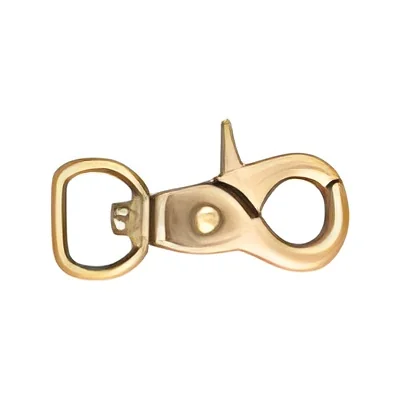
- Equipped with different hook styles such as S-hooks, J-hooks, or flat hooks.
- Hook type impacts the securing method and application.
6. Breaking Strength
- Indicates the maximum load the strap can handle before failure.
- Common breaking strengths range from 1,500 to 12,000 pounds.
7. Safety Features
- Some models include safety ratchets or cam buckles for secure fastening.
- Safety labels often indicate compliance with industry standards.
In summary, understanding these features and specifications is crucial for businesses to select the most suitable Cargo Tie-Down Straps for their specific needs.
Common Applications and Use Cases
Cargo Tie-Down Straps find applications across multiple industries, showcasing their versatility and importance in securing loads.
1. Transportation and Logistics: In this sector, tie-down straps are used to stabilize cargo in trucks and trailers, preventing damage during transit and ensuring compliance with safety regulations.
2. Construction: Construction companies utilize these straps to secure building materials, heavy equipment, and tools on vehicles, minimizing the risk of accidents on job sites.
3. Warehousing: Within warehouses, tie-down straps help organize and secure inventory on pallets and shelves, ensuring efficient space utilization and safety.
4. Retail: Retail businesses often use tie-down straps for shipping products to stores, ensuring that items remain in place during transport.
5. Agriculture: Farmers and agricultural businesses use tie-down straps to secure equipment and produce during transportation, reducing the risk of loss or damage.
6. Marine: In the marine industry, these straps are critical for securing cargo on boats and ships, ensuring stability in rough waters.
7. Events and Exhibitions: Event organizers use tie-down straps to secure displays, booths, and equipment during transport and setup, ensuring everything remains intact.
Product Variants and Subcategories
Cargo Tie-Down Straps come in various variants, each designed to meet specific needs and applications.
Heavy-Duty Tie-Down Straps: These straps are designed for industrial use, featuring higher load capacities and reinforced stitching. They are ideal for securing heavy machinery and large cargo loads.
Ratchet Tie-Down Straps: Equipped with a ratchet mechanism, these straps provide superior tensioning capabilities. They are commonly used in logistics for securing loads during transit.
Cam Buckle Straps: These straps use a cam buckle for easy adjustments and are suitable for lighter loads. They are often used in recreational activities, such as securing gear on vehicles.
Elastic Tie-Down Straps: With an elastic component, these straps offer flexibility and are perfect for securing items that may shift or expand, such as tarps or covers.
Benefits and Advantages
Choosing Cargo Tie-Down Straps offers numerous benefits for businesses looking to enhance their cargo security.
1. Enhanced Safety: Proper use of tie-down straps reduces the risk of cargo shifting, which can lead to accidents and injuries during transportation.
2. Cost-Effectiveness: Investing in quality tie-down straps minimizes the risk of damage to goods, helping businesses save on replacement costs and insurance claims.
3. Versatility: These straps can be used across various industries and applications, making them a flexible solution for diverse transportation needs.
4. Ease of Use: Most tie-down straps come with user-friendly features, such as adjustable lengths and simple fastening mechanisms, making them easy to operate.
5. Durability: Made from high-quality materials, these straps are designed to withstand harsh conditions and repeated use, ensuring longevity.
6. Compliance: Many tie-down straps meet industry standards, ensuring that businesses maintain compliance with safety regulations.
Buying Guide for B2B Buyers
When sourcing Cargo Tie-Down Straps, businesses should consider several key factors to ensure they make informed purchasing decisions.
1. Quality Assessment: It is essential to evaluate the materials and construction of the straps. Look for straps made from durable materials with proven load capacities.
2. Supplier Verification: Vetting suppliers is crucial. Check their reputation, product quality, and compliance with industry standards to ensure reliability.
3. Pricing and MOQ: Understand the pricing structure and minimum order quantities. Compare prices across different suppliers to find the best deal without compromising quality.
4. Delivery and Lead Times: Consider the logistics of sourcing. Ensure that suppliers can meet your delivery requirements, especially if you have tight deadlines.
5. Compliance Requirements: Be aware of any regulatory standards that apply to your industry. Ensure that the tie-down straps meet necessary certifications and safety requirements.
Compliance and Certifications
Cargo Tie-Down Straps must adhere to various quality standards and regulations to ensure safety and reliability.
Relevant quality standards include ISO 9001, which outlines the requirements for a quality management system. Compliance with this standard indicates that the manufacturer maintains consistent quality in their production processes.
Industry certifications such as CE mark are essential for products sold in Europe, signifying that the straps meet safety, health, and environmental protection standards.
Additionally, safety and testing requirements are crucial to ensure the straps can handle specified loads without failure. Manufacturers often conduct tests to demonstrate compliance with these requirements, providing assurance to buyers.
Regional compliance considerations may vary, so businesses should be aware of local regulations regarding cargo securing products and ensure their suppliers comply accordingly.
Why Source Cargo Tie-Down Straps from Pepagora?
Pepagora provides a trusted platform for sourcing Cargo Tie-Down Straps, offering several key advantages for businesses looking to enhance their cargo security.
Verified Supplier Network: Pepagora connects buyers with a network of verified suppliers who meet stringent quality and compliance standards. This network ensures that businesses have access to reliable products that meet their needs.
Streamlined RFQ Process: The request for quotation (RFQ) process on Pepagora is designed to be efficient and straightforward. Buyers can easily compare offers from multiple suppliers, helping them make informed decisions quickly.
Trade Assurance and Support: Pepagora offers trade assurance and buyer protection, giving businesses peace of mind when purchasing products. The platform provides support throughout the buying process, ensuring that any concerns are addressed promptly.
Regional Coverage: With a strong presence in India, the GCC, and Southeast Asia, Pepagora offers extensive regional coverage. This geographic reach facilitates easy access to suppliers and products across diverse markets, enhancing the sourcing experience for businesses.

 India
 India
 India

Frequently Asked Questions
What are Cargo Tie-Down Straps?
Cargo Tie-Down Straps are heavy-duty straps used to secure cargo during transport. They prevent shifting and ensure that loads remain stable and secure, reducing the risk of accidents during transit.
What are the different types of Cargo Tie-Down Straps?
The main types of Cargo Tie-Down Straps include cam buckle straps, ratchet straps, and rope tie-downs. Each type varies in terms of tensioning mechanism and load capacity, catering to different cargo securing needs.
How do I choose the right Cargo Tie-Down Straps?
To choose the right Cargo Tie-Down Straps, consider the weight and size of the cargo, the environment in which they will be used, and the type of securing mechanism required. It is also important to check the strap's load rating to ensure it meets safety standards.
What are the standard specifications for Cargo Tie-Down Straps?
Standard specifications for Cargo Tie-Down Straps typically include a load capacity, strap width, material type (such as polyester or nylon), and length. Additionally, they may feature various hardware options like hooks, buckles, or loops.
What is the price range for Cargo Tie-Down Straps?
The price range for Cargo Tie-Down Straps can vary widely based on type, material, and manufacturer. Generally, prices can start from as low as INR 100 and go up to INR 1,500 or more for high-strength options.
What quality standards apply to Cargo Tie-Down Straps?
Cargo Tie-Down Straps are typically manufactured in accordance with safety standards such as ISO 9001 and other industry-specific regulations. These standards ensure that the straps can handle the specified load capacities and provide reliable performance.
Where can I find Cargo Tie-Down Straps suppliers in India?
You can find Cargo Tie-Down Straps suppliers in India through online B2B marketplaces like Pepagora, industry trade shows, and local industrial supply stores. It is advisable to verify the supplier's reputation and product quality before making a purchase.
Can Cargo Tie-Down Straps be customized?
Yes, many manufacturers offer customization options for Cargo Tie-Down Straps. Customization may include variations in length, color, and adding specific hardware or branding to meet the specific needs of businesses.
What is the typical minimum order quantity for Cargo Tie-Down Straps?
The typical minimum order quantity (MOQ) for Cargo Tie-Down Straps can vary by supplier but generally ranges from 50 to 100 units. Larger orders may qualify for discounts or special pricing.
What is the typical lead time for Cargo Tie-Down Straps?
The typical lead time for Cargo Tie-Down Straps can range from 7 to 30 days, depending on the supplier, order size, and whether the straps are in stock or require manufacturing. It is advisable to confirm the lead time with the supplier at the time of order.
Why Businesses Trust Pepagora
Thousands of companies trust Pepagora to source smarter and sell faster
Expand Your Sales Globally

Source Smarter,Grow Faster
