What are Brackets & Angles?
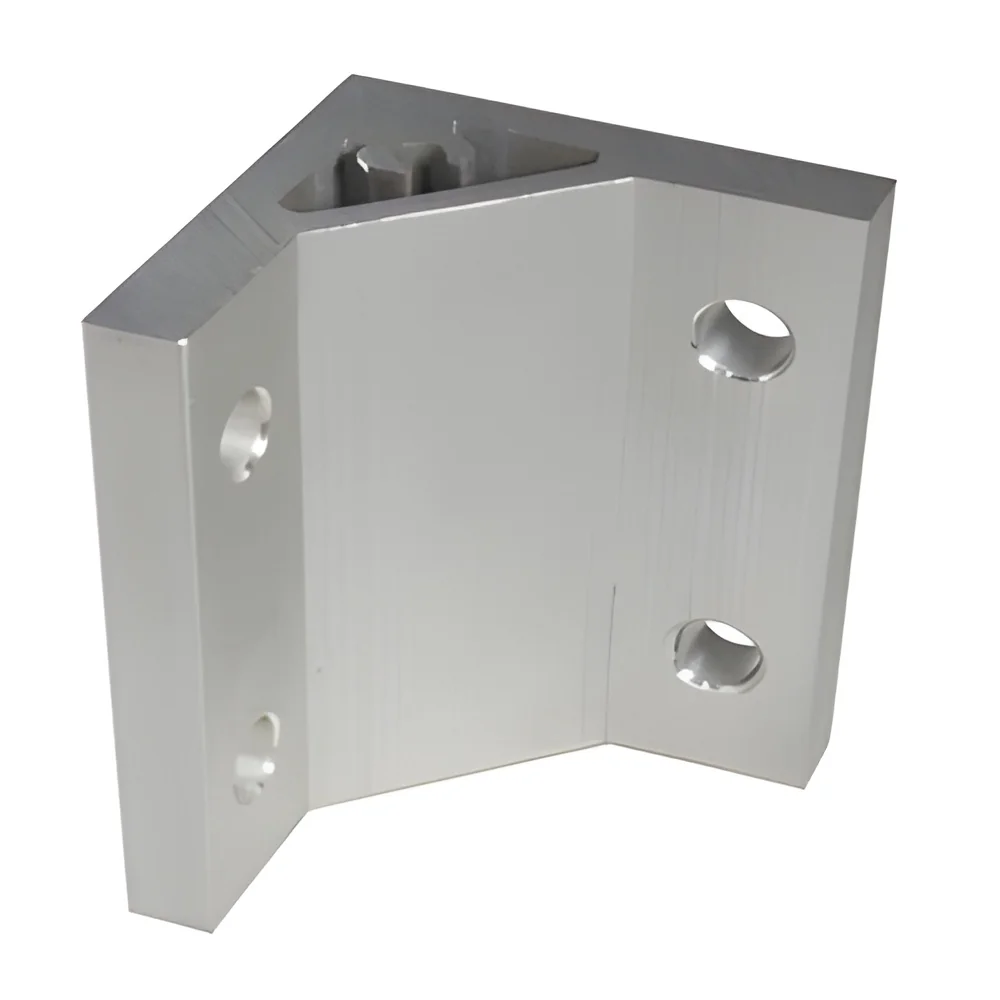
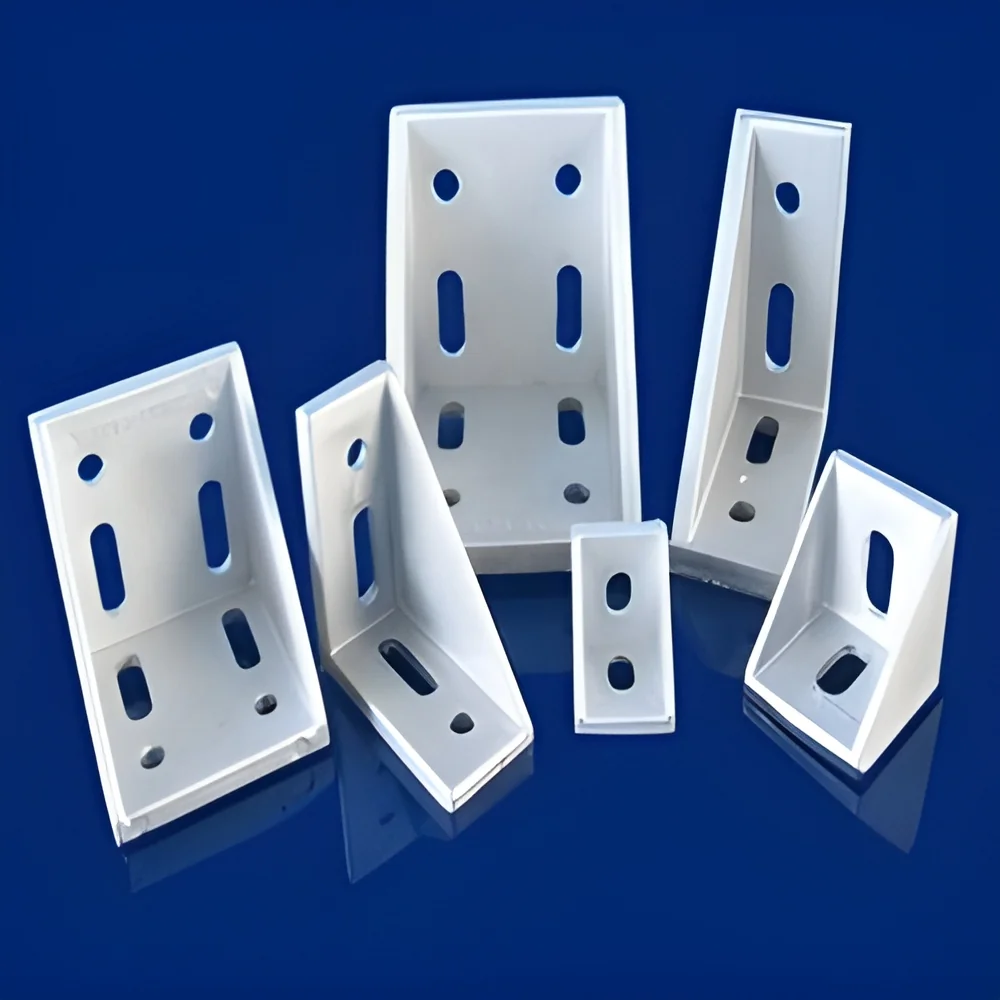
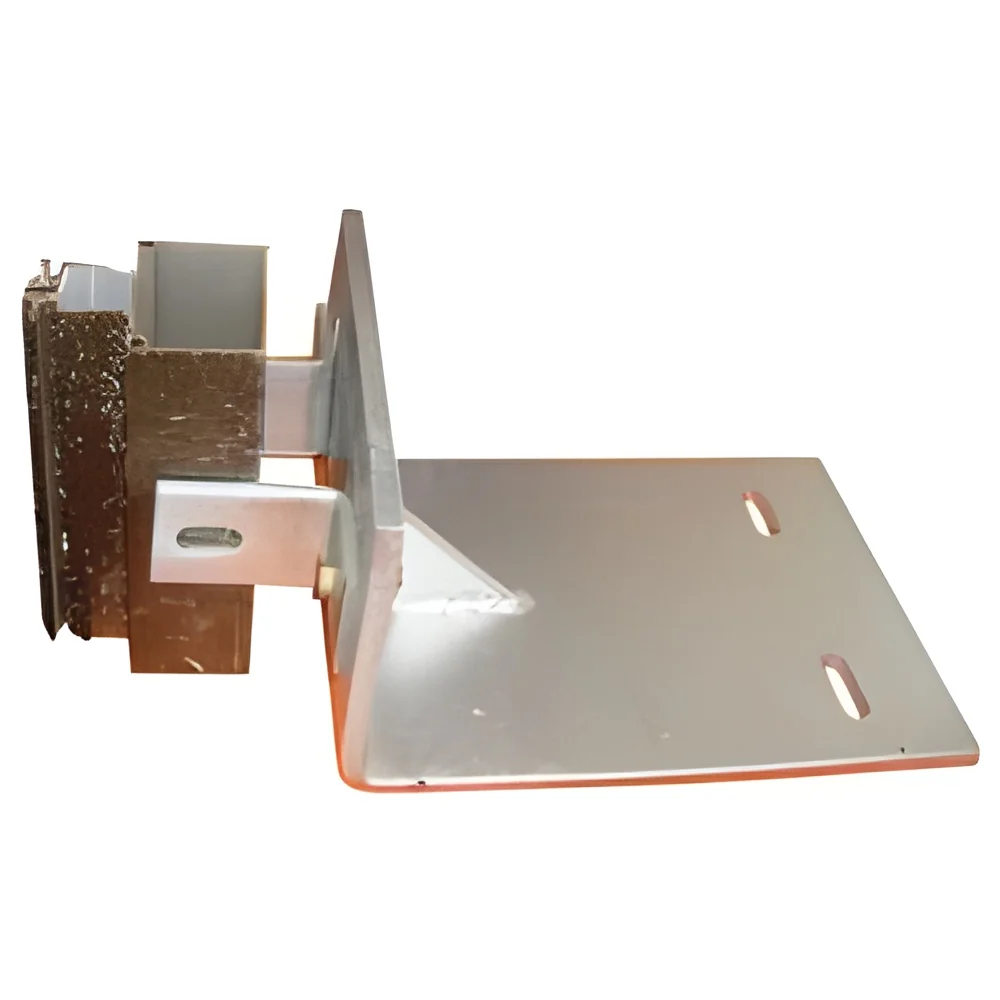
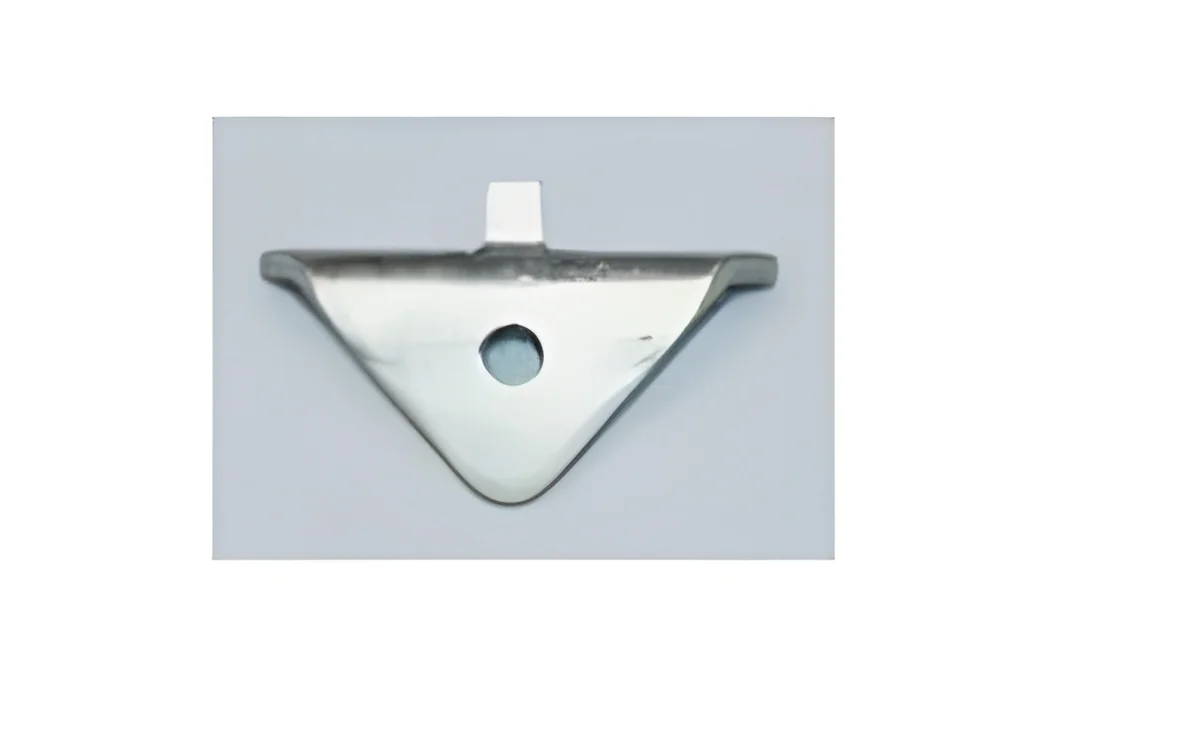
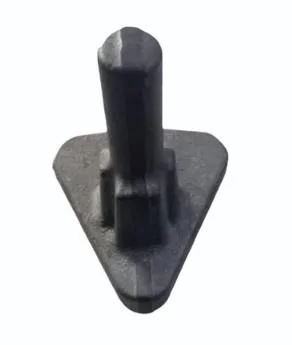
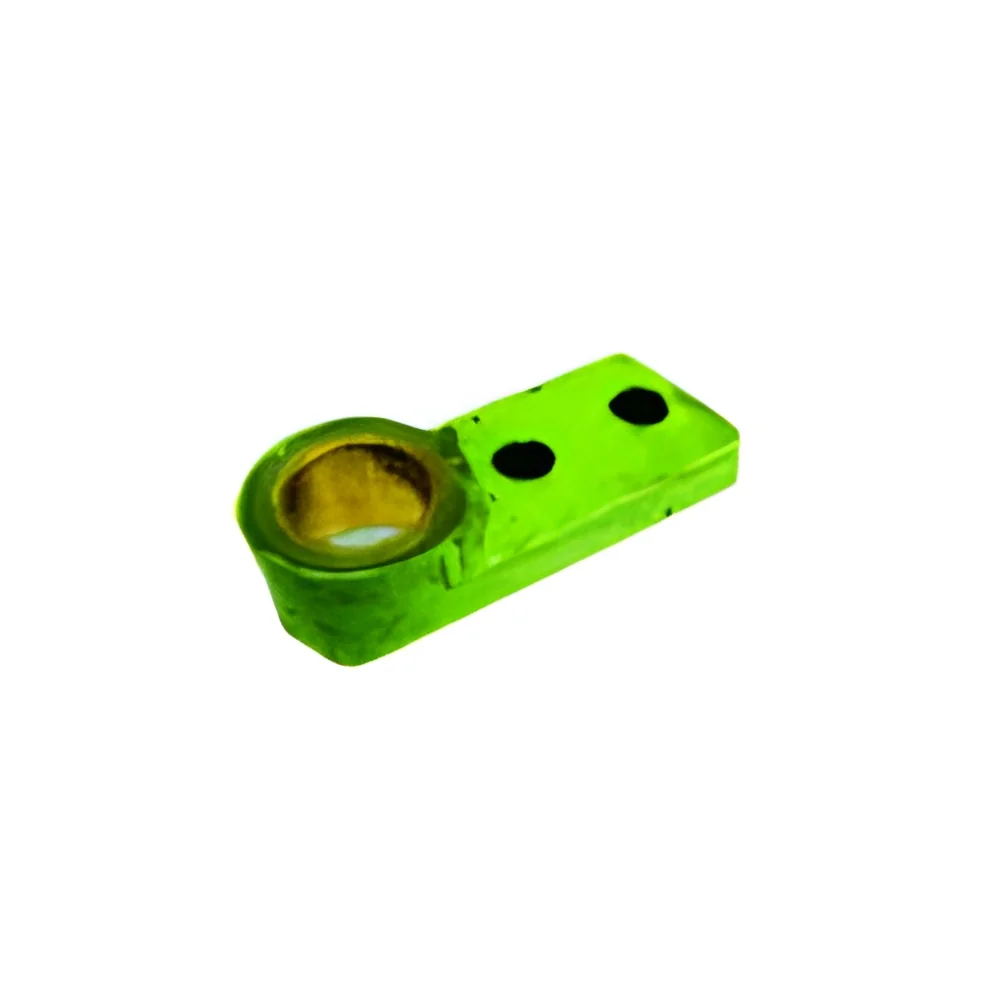
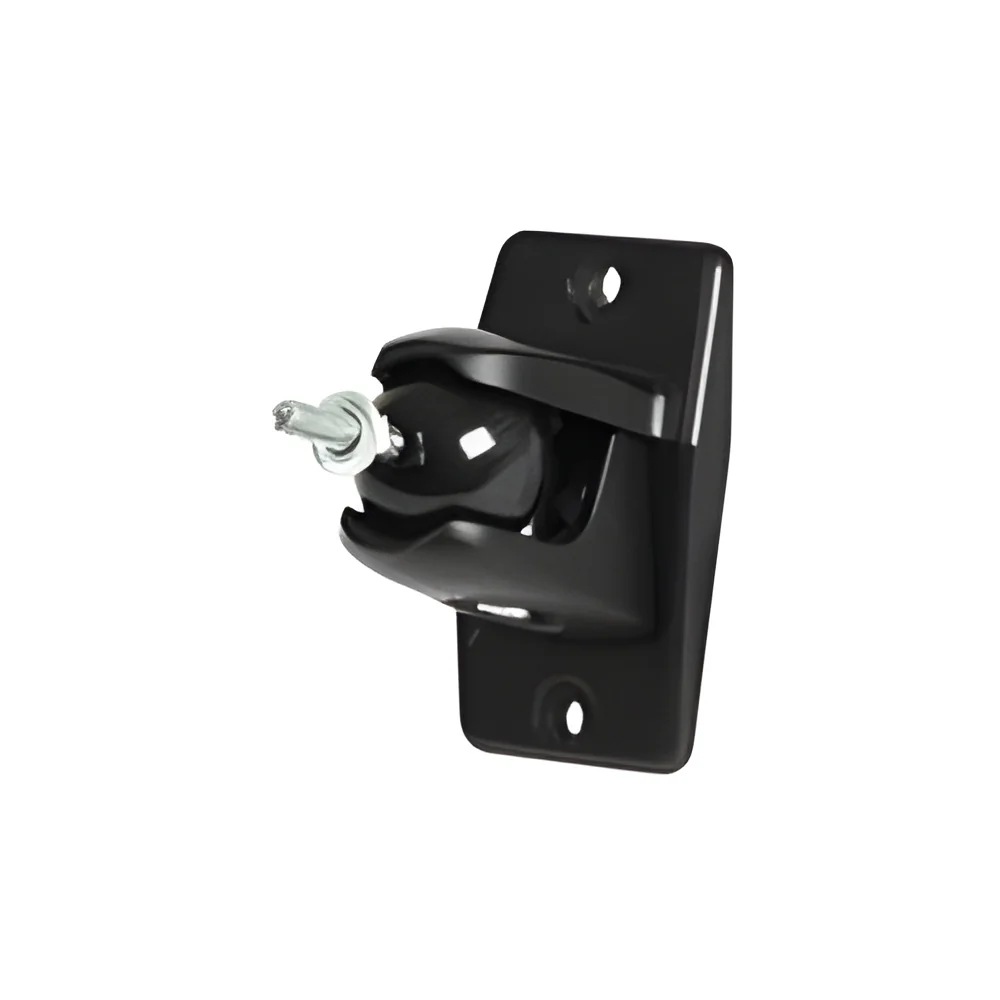
Brackets and angles are essential structural components used in various construction and manufacturing applications. Brackets are typically L-shaped or U-shaped metal pieces that provide support and stability to structures by connecting two surfaces at a right angle. Angles, on the other hand, refer to metal bars that have a 90-degree bend, allowing them to be used in a variety of configurations. Both brackets and angles are designed to enhance the strength and durability of assemblies, making them indispensable in construction, machinery, and furniture manufacturing.
These products find extensive use in multiple sectors, including construction, automotive, and electronics. In construction, brackets and angles are used to support beams, mount equipment, and provide stability to walls. In the automotive industry, they are used to secure components in place, ensuring that vehicles are safe and reliable. Similarly, in electronics, brackets help mount circuit boards and other components securely. The versatility of brackets and angles makes them relevant across many industries, and they are widely available in various materials and designs to meet specific application needs.
Key Features and Specifications
Brackets and angles come with a range of features and specifications that cater to different applications. Understanding these specifications is crucial for selecting the right product for your needs.
Key specifications include:
1. Material Type
- Common materials include steel, aluminum, and stainless steel.
- Each material offers different strengths and corrosion resistance levels.
2. Finish Type
- Options include galvanized, powder-coated, and plain.
- The finish affects corrosion resistance and aesthetic appeal.
3. Load Capacity
- Varies based on design and material, typically measured in pounds or kilograms.
- Essential for ensuring the bracket or angle can support the intended load.
4. Dimensions
- Available in various sizes, including length, width, and thickness.
- Specific dimensions are crucial for compatibility with existing structures.
5. Mounting Options
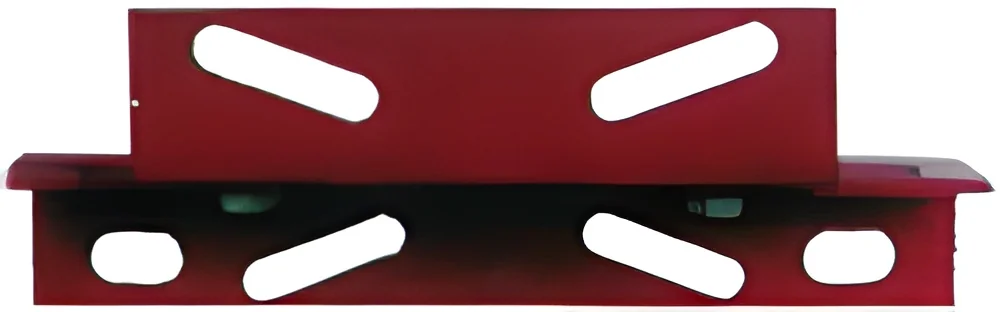
- Includes pre-drilled holes or slots for easy installation.
- Different designs cater to specific mounting requirements.
6. Compliance Standards
- Many products comply with industry standards such as CE.
- Compliance ensures safety and quality assurance.
In summary, understanding the features and specifications of brackets and angles is essential for making informed purchasing decisions, ensuring that the chosen products meet the requirements of the intended application.
Common Applications and Use Cases
Brackets and angles serve a wide range of industries and applications. Their versatility makes them a fundamental component in many projects.
1. Construction: In construction, brackets and angles are used to support walls, beams, and roof structures, ensuring stability and durability in buildings.
2. Automotive: Brackets are essential for securing various components within vehicles, such as engines and body panels, contributing to overall vehicle safety.
3. Electronics: In electronics, brackets provide support for circuit boards and other components, ensuring that they are securely mounted and protected.
4. Furniture Manufacturing: Angles are often used in furniture to provide structural support, especially in metal frames and shelving units.
5. HVAC Systems: Brackets and angles are utilized to mount and support HVAC equipment, ensuring proper installation and operation of heating and cooling systems.
6. Industrial Machinery: These components are used in the assembly of machinery, providing necessary support for moving parts and ensuring operational stability.
7. Signage: Brackets are often used to mount signs on buildings and poles, ensuring visibility and stability in various weather conditions.
Product Variants and Subcategories
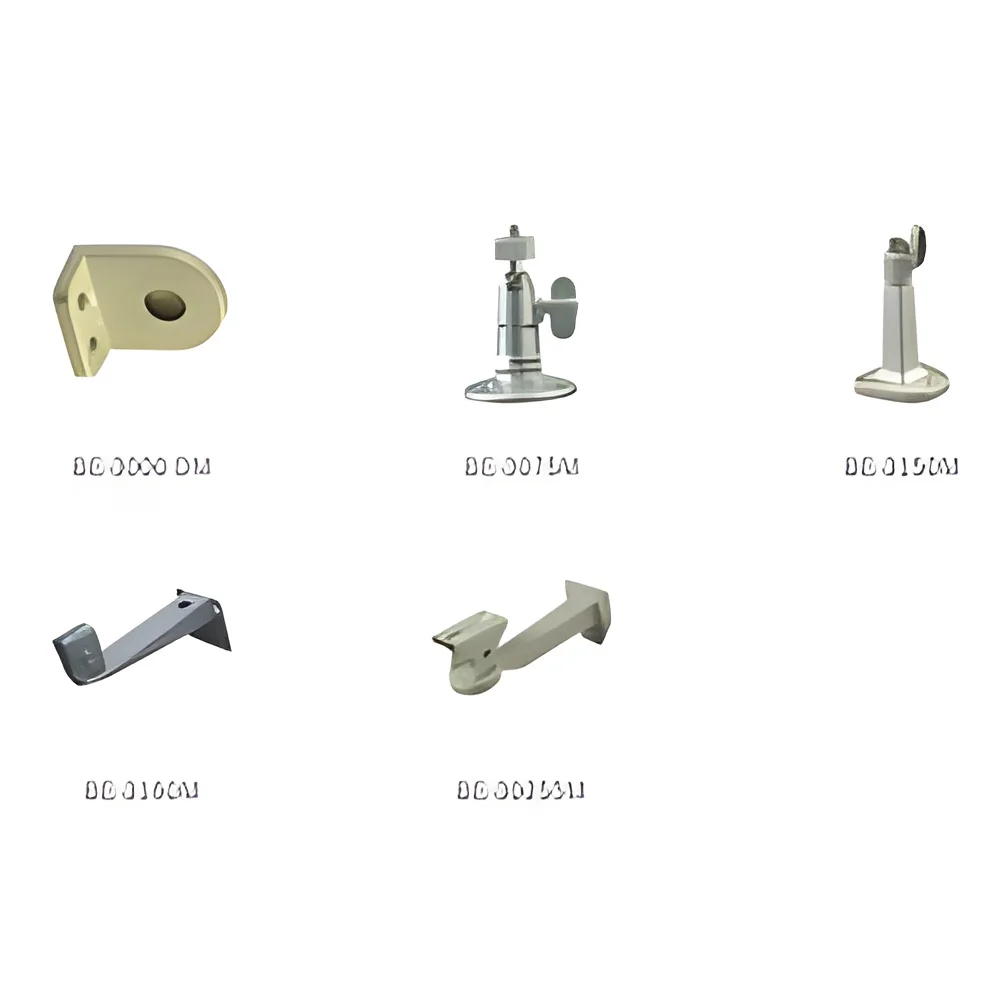
Brackets and angles come in various forms to meet specific application needs. Although subcategories are not specified, here are some common variants.
L-Brackets
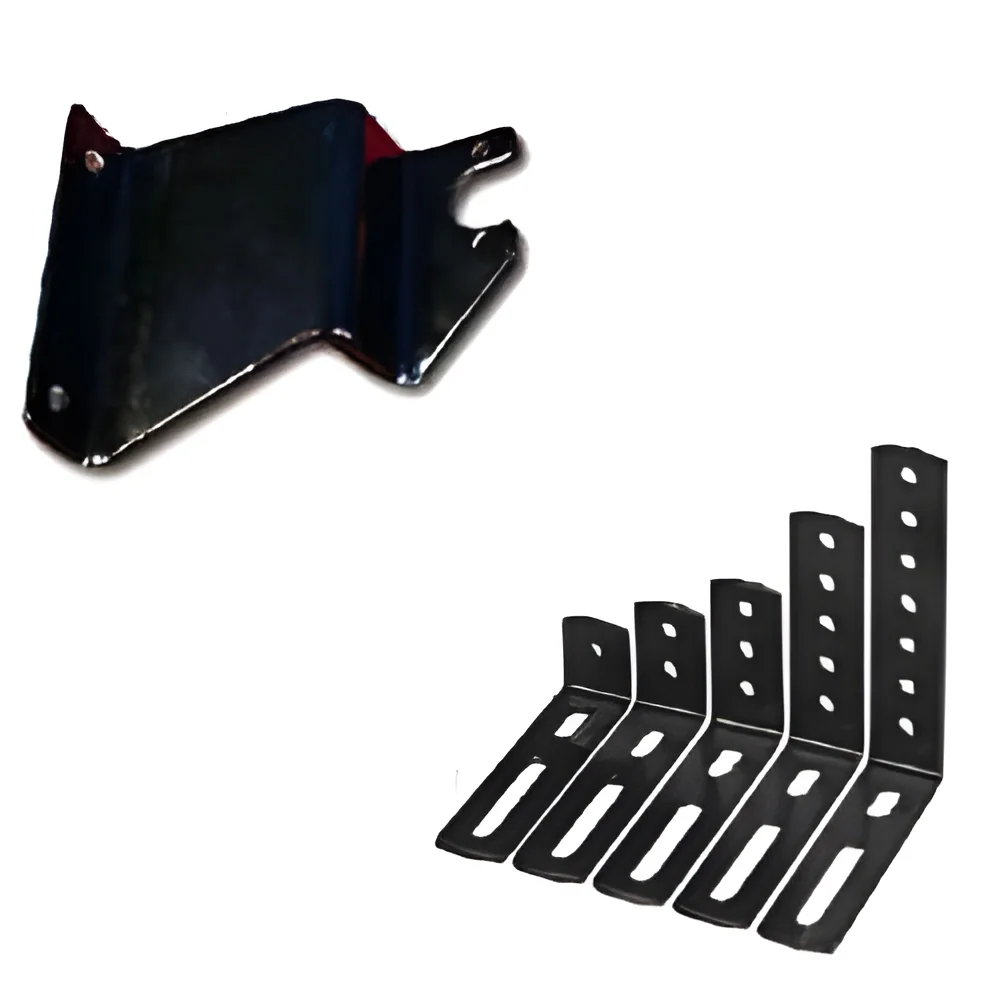
L-brackets are typically used in furniture and shelving applications. They provide strong support at right angles and are often pre-drilled for easy installation.
Corner Brackets
Corner brackets are designed for use in corners of structures. They help reinforce joints and provide additional support in areas where two surfaces meet.
Angle Brackets
Angle brackets are versatile and can be used in a variety of applications, including construction and automotive. They are designed to connect two surfaces at a 90-degree angle.
Heavy-Duty Brackets
These brackets are specifically designed for applications requiring higher load capacities. They are commonly used in construction and industrial settings where extra strength is needed.
Adjustable Brackets
Adjustable brackets offer flexibility in positioning and are often used in installations where measurements may vary. They are useful in HVAC and other applications requiring precise alignment.
Benefits and Advantages
Brackets and angles offer several advantages that make them essential in various industries.
Key benefits include:
1. Enhanced Structural Integrity: Brackets and angles provide additional support, improving the strength and durability of structures and assemblies.
2. Versatility: These components are used across multiple industries, making them adaptable to various applications and needs.
3. Ease of Installation: Many brackets and angles come with pre-drilled holes, simplifying the installation process and reducing labor time.
4. Cost-Effectiveness: Brackets and angles are generally affordable, providing a reliable solution without significant investment.
5. Customization Options: Many manufacturers offer custom sizes and designs, allowing businesses to meet specific requirements.
6. Compliance with Standards: Sourcing from reputable suppliers ensures that products meet industry standards, enhancing safety and reliability.
Buying Guide for B2B Buyers
When sourcing brackets and angles, several factors should be considered to ensure the right selection for your business needs.
1. Quality Assessment: Evaluate the quality of materials and manufacturing processes. Look for certifications that indicate adherence to industry standards.
2. Supplier Verification: Vet suppliers by checking their reputation, past projects, and customer reviews. A reliable supplier will provide quality products consistently.
3. Pricing and MOQ: Understand pricing structures and minimum order quantities. Ensure that costs align with your budget and project requirements.
4. Delivery and Lead Times: Consider logistics when placing orders. Confirm delivery schedules to ensure that products arrive on time for your project timelines.
5. Compliance Requirements: Be aware of any regulatory requirements related to your industry. Ensure that the products you purchase meet necessary compliance standards.
Compliance and Certifications
Brackets and angles must adhere to various quality standards and regulations to ensure safety and reliability in applications. One of the most recognized standards is ISO 9001, which focuses on quality management systems. Compliance with this standard indicates that a manufacturer has consistent processes in place to deliver quality products.
Additionally, many products will have industry certifications such as CE marking. This certification signifies that the products meet European safety, health, and environmental protection standards. It is essential for products sold within the European market.
Safety and testing requirements vary by industry and application. Some brackets and angles may undergo rigorous testing to ensure they can withstand specified loads and environmental conditions. Regional compliance considerations should also be taken into account, as different countries may have specific regulations regarding construction materials and safety standards.
Why Source Brackets & Angles from Pepagora?
Pepagora offers a reliable platform for sourcing brackets and angles, providing several key advantages to B2B buyers.
Verified Supplier Network: Pepagora connects buyers with a network of verified suppliers. This ensures that the products purchased are of high quality and meet industry standards.
Streamlined RFQ Process: The request for quotation (RFQ) process is simplified, allowing buyers to easily compare prices and specifications from multiple suppliers. This transparency helps in making informed decisions.
Trade Assurance and Support: Buyers are protected through trade assurance programs that ensure safe transactions. Pepagora provides support throughout the purchasing process, addressing any concerns or issues that may arise.
Regional Coverage: Pepagora has a broad geographic reach, catering to businesses in India, the GCC, and Southeast Asia. This extensive network ensures that buyers can find suitable products and suppliers in their region.
By choosing Pepagora for sourcing brackets and angles, businesses can ensure they receive quality products while benefiting from a seamless purchasing experience.

 IN
IN


 India
India