
 IN
Bore Gauges
11 products available
What are Bore Gauges?
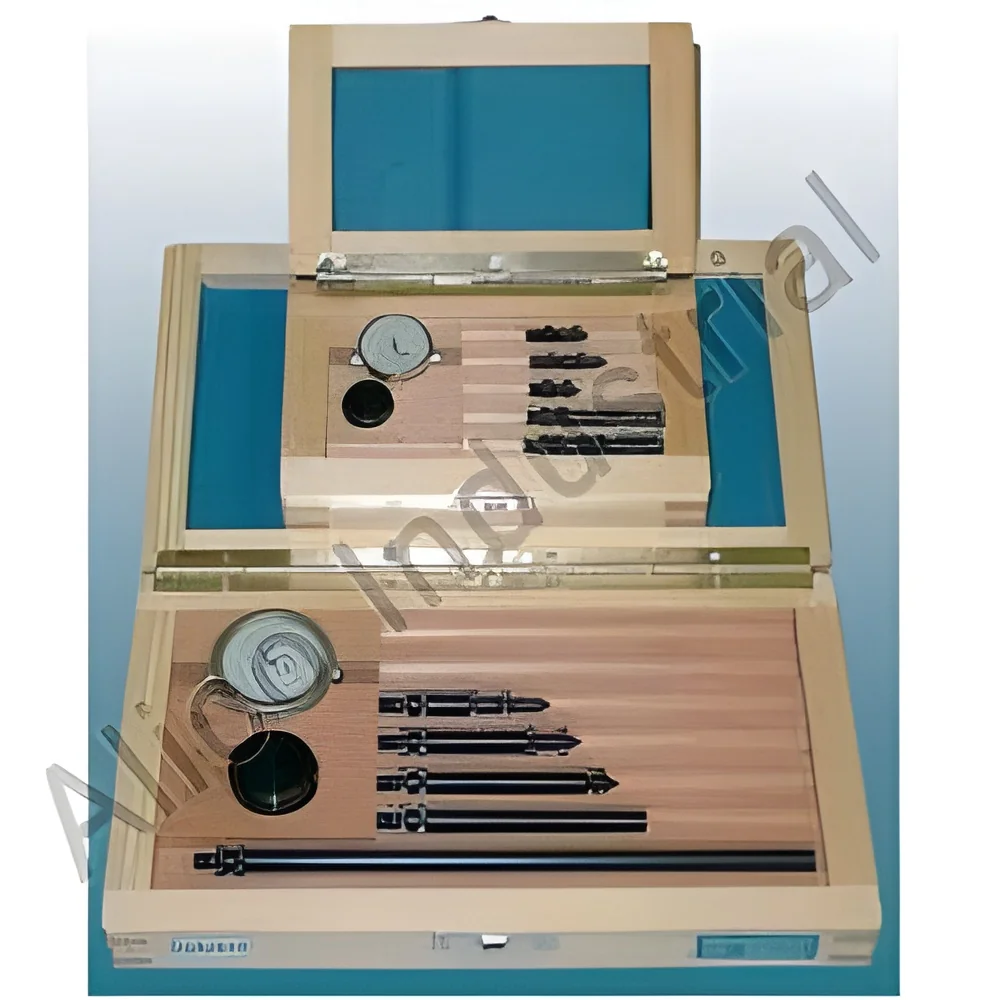
Bore gauges are precision measuring instruments designed to assess the internal diameter of cylindrical workpieces. They serve as crucial tools for ensuring that machined parts meet specific tolerances by allowing for accurate measurement of bore sizes. Typically, these gauges utilize dial indicators or digital readouts to provide precise measurements, making them essential in quality control and machining processes.
These instruments find primary application in industries such as manufacturing, automotive, and aerospace, where dimensional accuracy is critical. Bore gauges help in the inspection of various components, including engine cylinders, hydraulic cylinders, and other cylindrical parts. Their ability to deliver reliable measurements ensures that products meet industry standards and specifications, thus maintaining operational efficiency.
In today’s competitive market, the relevance of bore gauges is underscored by the increasing demand for precision-engineered components. As industries continue to focus on quality assurance, the need for reliable measuring tools like bore gauges becomes paramount. Their versatility and accuracy make them indispensable in various manufacturing and engineering environments.
Key Features and Specifications
Bore gauges come equipped with several key features that enhance their functionality and usability. These features include advanced measurement systems, easy calibration methods, and durable construction suitable for harsh industrial environments.
Key specifications include:
1. Measurement Range
- Typically ranges from a few millimeters to several hundred millimeters
- Allows for versatility in measuring different bore sizes
2. Accuracy
- High precision, often within micrometer levels
- Essential for meeting strict tolerance requirements
3. Type of Measurement
- Available in analog and digital formats
- Digital gauges provide easy reading and data logging capabilities
4. Construction Material
- Often made from high-quality steel or aluminum
- Ensures durability and resistance to wear
5. Calibration Method
- Many models feature adjustable calibration settings
- Facilitates accurate measurements over time
6. Display Type
- Options include dial displays or LCD screens
- Enhances user experience and visibility during measurement
7. Ease of Use
- Ergonomic designs for comfortable handling
- Quick setup and measurement processes
In summary, bore gauges are defined by their precision, versatility, and user-friendly features, making them essential tools in the manufacturing and engineering sectors.
Common Applications and Use Cases
Bore gauges are utilized across various industries to ensure precise measurements of cylindrical components.
1. Automotive: Bore gauges are critical in measuring engine block bores and cylinder heads. These measurements ensure that engine components fit together properly, which is vital for performance.
2. Aerospace: In aerospace manufacturing, bore gauges are used to inspect the bores of various components, such as landing gear and engine parts, where safety and performance are paramount.
3. Manufacturing: Bore gauges assist in the quality control of machined parts in manufacturing settings, ensuring that components meet specifications and function correctly.
4. Oil and Gas: In the oil and gas industry, these gauges are used to measure the internal diameters of pipes and valves that must meet strict quality standards for safety and functionality.
5. Marine: Bore gauges help in the inspection of marine engine components, ensuring that parts are manufactured to precise specifications for reliability and durability.
6. Construction: Bore gauges are employed in the construction industry to measure boreholes for foundations and structural supports, ensuring structural integrity.
7. Medical Devices: In the production of medical devices, bore gauges are used to verify the dimensions of components that must meet stringent regulatory requirements.
Product Variants and Subcategories
Bore gauges come in various types to cater to different measurement needs and applications.
Digital Bore Gauge
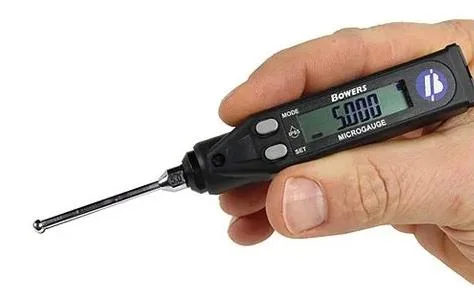
This variant features a digital display, providing easy-to-read measurements and often includes data logging capabilities. It is ideal for environments where accuracy and quick readings are essential.
Dial Bore Gauge
A traditional option, dial bore gauges use analog readings to measure bore sizes. They are known for their durability and reliability in various industrial settings, making them a popular choice among machinists.
Interchangeable Anvil Bore Gauge
This variant allows users to change the anvil to accommodate different bore sizes. This flexibility makes it suitable for shops with a wide range of machining tasks.
Benefits and Advantages
Bore gauges offer several advantages that enhance their value in industrial applications.
1. Precision Measurement: Bore gauges provide high levels of accuracy, ensuring that components meet the required specifications and tolerances.
2. Time Efficiency: Quick setup and measurement processes save valuable time during inspection and quality control.
3. Versatility: Available in various types, bore gauges can be used across multiple industries and applications.
4. User-Friendly: Many models are designed with ergonomics in mind, making them easy to handle and operate.
5. Durability: Constructed from robust materials, bore gauges are built to withstand the rigors of industrial environments.
6. Cost-Effectiveness: Investing in bore gauges can lead to reduced waste and improved quality control, ultimately saving money for businesses.
Buying Guide for B2B Buyers
When sourcing bore gauges, several important factors should be considered to ensure a successful purchase.
1. Quality Assessment: Look for gauges that meet or exceed industry standards. Quality assurance processes should be in place to verify the accuracy and reliability of the product.
2. Supplier Verification: Vet suppliers by checking their credentials, customer reviews, and industry reputation. A reliable supplier will provide consistent quality and support.
3. Pricing and MOQ: Understand the pricing models and minimum order quantities (MOQ) from different suppliers. Compare costs to find a balance between quality and budget.
4. Delivery and Lead Times: Consider logistics and delivery schedules. Ensure that the supplier can meet your time frame for production and delivery to avoid interruptions in your operations.
5. Compliance Requirements: Be aware of any regulatory compliance needs specific to your industry. Ensure that the bore gauges meet necessary standards and certifications.
Compliance and Certifications
Bore gauges must adhere to various quality standards and certifications to ensure their reliability and safety in industrial applications.
Relevant quality standards include ISO 9001, which outlines requirements for quality management systems, ensuring consistent product quality and customer satisfaction.
Many bore gauges are also CE certified, indicating compliance with European health, safety, and environmental protection standards. This certification is crucial for manufacturers aiming to market their products in Europe.
Additionally, bore gauges may need to meet safety and testing requirements specific to their application, especially in industries like aerospace and automotive, where precision is vital.
Regional compliance considerations may vary, so it is essential to understand local regulations that may apply to bore gauges in different markets.
Why Source Bore Gauges from Pepagora?
Pepagora provides a trusted platform for sourcing bore gauges, offering several key advantages to B2B buyers.
Verified Supplier Network: At Pepagora, suppliers undergo a rigorous verification process to ensure they meet high standards of quality and reliability. This gives buyers confidence in their purchasing decisions.
Streamlined RFQ Process: The platform features an efficient request for quotation (RFQ) system, allowing buyers to easily compare offers from multiple suppliers. This simplifies the sourcing process and saves time.
Trade Assurance and Support: Pepagora offers trade assurance programs that protect buyers throughout their purchasing journey. This includes support for dispute resolution and guidance on quality standards.
Regional Coverage: With a strong presence in India, the GCC, and Southeast Asia, Pepagora connects buyers with suppliers across these regions. This geographic reach facilitates access to a diverse range of bore gauges suitable for various applications.



 India

 India
 India
 India
 India
Frequently Asked Questions
What are Bore Gauges?
Bore gauges are precision measuring tools used to measure the internal diameter of holes or cylinders. They provide accurate readings of bore sizes and are essential in various manufacturing and engineering applications.
What are the different types of Bore Gauges?
The main types of bore gauges include dial bore gauges, electronic bore gauges, and telescoping gauges. Each type serves a specific purpose and may be suited for different measurement ranges and accuracy requirements.
How do I choose the right Bore Gauges?
When selecting bore gauges, consider the diameter range you need to measure, the required accuracy level, and the specific application. It's also important to review the gauge's features, such as ease of use and measurement display.
What are the standard specifications for Bore Gauges?
Standard specifications for bore gauges typically include measurement range, accuracy, graduation, and the material used for construction. Additionally, some gauges may comply with specific industry standards to ensure reliability.
What is the price range for Bore Gauges?
The price range for bore gauges can vary significantly based on type, brand, and features. Generally, you can expect to find bore gauges priced from a few thousand to several tens of thousands of Indian Rupees.
What quality standards apply to Bore Gauges?
Bore gauges are often manufactured according to international quality standards such as ISO and ASME. These standards ensure that the gauges meet specific accuracy and reliability criteria for precision measurement.
Where can I find Bore Gauges suppliers in India?
You can find bore gauge suppliers in India through online B2B marketplaces like Pepagora.com, trade shows, and industry directories. It's advisable to compare multiple suppliers to find the best options for your needs.
Can Bore Gauges be customized?
Yes, many bore gauge manufacturers offer customization options to meet specific measurement requirements. Customizations may include alterations in size, range, and additional features tailored to particular applications.
What is the typical minimum order quantity for Bore Gauges?
The typical minimum order quantity (MOQ) for bore gauges can vary by supplier and product type. Generally, MOQs can range from one unit for standard products to larger quantities for custom orders.
What is the typical lead time for Bore Gauges?
The typical lead time for bore gauges depends on the supplier and whether the gauges are standard or custom-made. Standard products may be available for delivery within a few days, while custom orders could take several weeks.
Why Businesses Trust Pepagora
Thousands of companies trust Pepagora to source smarter and sell faster
Expand Your Sales Globally

Source Smarter,Grow Faster
