
 IN
Biometric Devices
1 products available
What are Biometric Devices?
Biometric devices are advanced technological systems that use unique biological traits for identification and authentication. These traits can include fingerprints, facial recognition, iris patterns, and voice recognition. By analyzing these characteristics, biometric devices provide a secure and reliable method of verifying identities, making them increasingly popular in various sectors.
These devices have a wide range of applications in business environments, primarily focusing on enhancing security. They are extensively used for access control, time and attendance monitoring, and transaction authentication. Industries such as banking, healthcare, and government rely on biometric systems to protect sensitive information and ensure secure access to facilities and systems. The growing concern over data breaches and identity theft has further fueled the market demand for biometric solutions.
As the technology continues to evolve, the global biometric device market is witnessing rapid growth. Factors such as increasing security concerns and the need for efficient identification systems are driving this expansion. Businesses are continuously seeking innovative solutions to streamline operations while safeguarding their assets and information.
Key Features and Specifications
Biometric devices come equipped with several key features that enhance their functionality and reliability. These specifications are critical for businesses when evaluating different devices for their needs.
Key specifications include:
1. Identification Method
- Various biometric traits such as fingerprints, facial recognition, and iris scans can be used for identification.
- Each method offers different levels of accuracy and security.
2. Accuracy Rate
- This specification indicates the device's ability to correctly identify individuals.
- High accuracy rates are essential for effective security measures.
3. Processing Speed
- Refers to the time taken by the device to perform identification.
- Faster processing speeds improve user experience and operational efficiency.
4. Storage Capacity
- Indicates the number of biometric data records the device can store.
- Essential for businesses with a large number of users.
5. Connectivity Options
- Includes features such as USB, Wi-Fi, and Bluetooth for data transfer.
- Versatile connectivity options enhance integration with existing systems.
6. User Interface
- The design and usability of the device’s interface.
- An intuitive user interface simplifies operations and training.
7. Security Features
- Additional security measures such as encryption and tamper-proof designs.
- Critical for protecting sensitive biometric data.
8. Compliance Standards
- Adherence to industry regulations and standards, such as CE certification.
- Ensures that the device meets safety and quality requirements.
The right specifications ensure that businesses can select a biometric device that meets their operational needs while providing robust security.
Common Applications and Use Cases
Biometric devices find applications across various industries, enhancing security and improving operational efficiency.
1. Banking: Biometric devices are used for secure access to accounts and transactions, reducing fraud risks through advanced authentication methods.
2. Healthcare: In hospitals, biometric systems streamline patient identification and access to medical records, ensuring data privacy and security.
3. Government: Government agencies utilize biometric devices for secure identification in various applications, including border control and national security.
4. Retail: Biometric technology enhances customer service through efficient payment processing and loyalty programs, allowing for personalized shopping experiences.
5. Education: Schools and universities implement biometric systems for secure access to facilities and to monitor attendance effectively.
6. Corporate: Businesses use biometric devices for employee time tracking and secure access to sensitive areas, improving overall workplace security.
7. Hospitality: Hotels and resorts employ biometric technology for streamlined check-in processes and enhanced guest security.
Product Variants and Subcategories
Biometric devices are diverse, catering to different business needs and applications.
Fingerprint Scanners
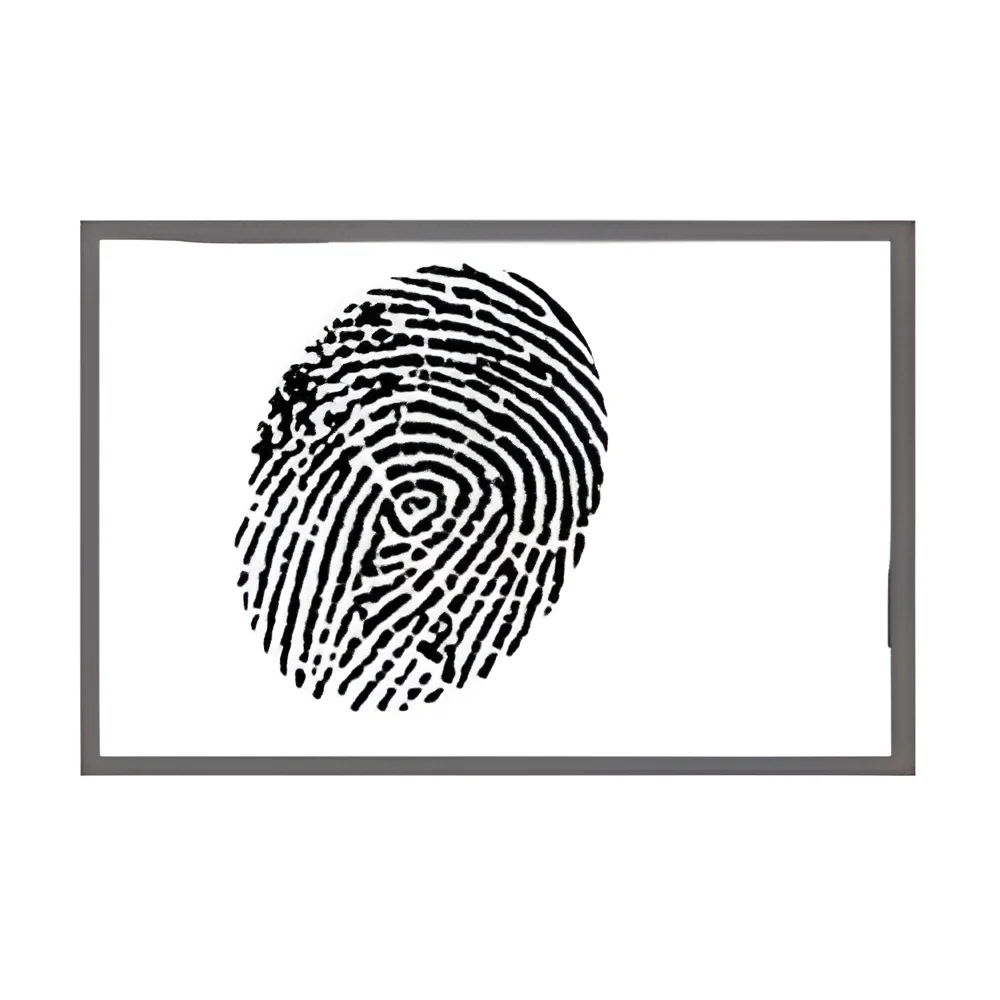
These devices capture and analyze fingerprints for identification. They are widely used in employee time tracking and secure access control systems.
Facial Recognition Systems
These systems utilize advanced algorithms to identify individuals based on facial features. They are commonly used in security applications, such as surveillance and access management.
Iris Recognition Devices
Iris scanners provide high accuracy by analyzing the unique patterns in an individual's iris. They are ideal for situations requiring enhanced security, such as data centers and sensitive facilities.
Voice Recognition Systems
These devices identify individuals based on voice patterns. They are increasingly used in call centers and customer service applications to authenticate users effectively.
Benefits and Advantages
Biometric devices offer a range of benefits that enhance security and operational efficiency in various settings.
Key benefits include:
1. Enhanced Security: Biometric devices provide a higher level of security compared to traditional methods such as passwords or ID cards, minimizing the risk of unauthorized access.
2. Improved User Experience: Quick and seamless identification processes improve user convenience, particularly in high-traffic areas like airports and event venues.
3. Reduced Fraud: The unique biological traits used in biometric systems significantly reduce the chances of identity theft and fraud.
4. Cost Efficiency: Over time, biometric systems can lower costs associated with lost or stolen access cards and the administrative burden of managing passwords.
5. Accurate Record Keeping: Biometric devices ensure precise tracking of employee attendance and access logs, facilitating better management and reporting.
6. Scalability: Many biometric solutions can be easily integrated into existing systems and expanded as needed, accommodating future growth.
Buying Guide for B2B Buyers
When sourcing biometric devices, businesses should consider several essential factors to ensure they make informed decisions.
1. Quality Assessment: Evaluate the quality of biometric devices by reviewing certifications and standards compliance. Look for devices with proven reliability and accuracy.
2. Supplier Verification: Vet suppliers thoroughly to ensure they have a reputable track record. Check for customer reviews and case studies to gauge their reliability.
3. Pricing and MOQ: Consider the cost of the devices and any minimum order quantities (MOQ). Balance your budget with the need for high-quality products.
4. Delivery and Lead Times: Discuss logistics and expected delivery times with suppliers. Ensure they can meet your timeframe for implementation.
5. Compliance Requirements: Confirm that the devices meet all necessary regulatory requirements, including data protection laws and industry standards.
Compliance and Certifications
Biometric devices must adhere to various quality and safety standards to ensure reliability and performance.
Relevant quality standards include ISO 9001, which outlines requirements for a quality management system. Ensuring compliance with these standards helps businesses maintain high-quality products.
Industry certifications such as CE indicate that the devices meet European health, safety, and environmental protection standards. This certification is crucial for businesses operating in or exporting to Europe.
Safety and testing requirements are also vital. Biometric devices must undergo rigorous testing to ensure they operate effectively under various conditions without compromising user safety.
Regional compliance considerations may vary, so businesses should be aware of local regulations governing biometric data use and storage to ensure they are fully compliant.
Why Source Biometric Devices from Pepagora?
Pepagora provides a trusted platform for sourcing biometric devices, offering several key advantages that cater to B2B buyers.
Verified Supplier Network: Pepagora ensures that all suppliers on their platform are thoroughly vetted, providing buyers with confidence in the quality and reliability of the products offered.
Streamlined RFQ Process: The platform features an efficient request for quotation (RFQ) system that simplifies the process of obtaining quotes from multiple suppliers, enabling businesses to compare options easily.
Trade Assurance and Support: Buyers benefit from trade assurance, which protects their purchases, ensuring that they receive the products as promised and that their transactions are secure.
Regional Coverage: Pepagora has a broad geographic reach, serving markets in India, the Gulf Cooperation Council (GCC), and Southeast Asia. This extensive coverage allows businesses to find suppliers that meet their specific regional needs.

 India
Frequently Asked Questions
What are Biometric Devices?
Biometric devices are technology tools that utilize unique biological characteristics of individuals, such as fingerprints, facial recognition, or iris patterns, to authenticate identity. These devices are widely used for security systems, access control, and time attendance tracking.
What are the different types of Biometric Devices?
The main types of biometric devices include fingerprint scanners, facial recognition systems, iris scanners, voice recognition systems, and palm vein scanners. Each type operates on different biometric traits and serves various applications, from personal security to organizational access control.
How do I choose the right Biometric Devices?
To choose the right biometric device, consider factors such as the specific application, required security level, user convenience, and the environment in which it will be used. It's also important to assess the reliability of the technology and the reputation of the manufacturer.
What are the standard specifications for Biometric Devices?
Standard specifications for biometric devices often include accuracy rates, response time, storage capacity, and compatibility with other systems. Additionally, devices should comply with relevant security standards and regulations to ensure data protection.
What is the price range for Biometric Devices?
The price range for biometric devices can vary significantly based on the type and features. Basic fingerprint scanners can start from a few thousand rupees, while advanced facial recognition systems may cost several lakhs.
What quality standards apply to Biometric Devices?
Biometric devices should adhere to quality standards such as ISO/IEC 19795 for biometric performance testing and ISO/IEC 27001 for information security management. These standards ensure that the devices function reliably and securely.
Where can I find Biometric Devices suppliers in India?
You can find biometric device suppliers in India through B2B marketplaces like Pepagora.com, trade shows, and industry directories. Additionally, online searches can reveal manufacturers and distributors specializing in biometric technologies.
Can Biometric Devices be customized?
Yes, many biometric devices can be customized to meet specific organizational needs, including software integration, user interface modifications, and additional security features. It's advisable to discuss customization options with the supplier.
What is the typical minimum order quantity for Biometric Devices?
The typical minimum order quantity (MOQ) for biometric devices can vary by manufacturer but often ranges from 5 to 50 units. It's best to check with individual suppliers for their specific MOQ requirements.
What is the typical lead time for Biometric Devices?
The typical lead time for biometric devices can range from 1 to 6 weeks, depending on the supplier, customization requests, and stock availability. It's recommended to confirm the lead time during the ordering process.
Why Businesses Trust Pepagora
Thousands of companies trust Pepagora to source smarter and sell faster
Expand Your Sales Globally

Source Smarter,Grow Faster
