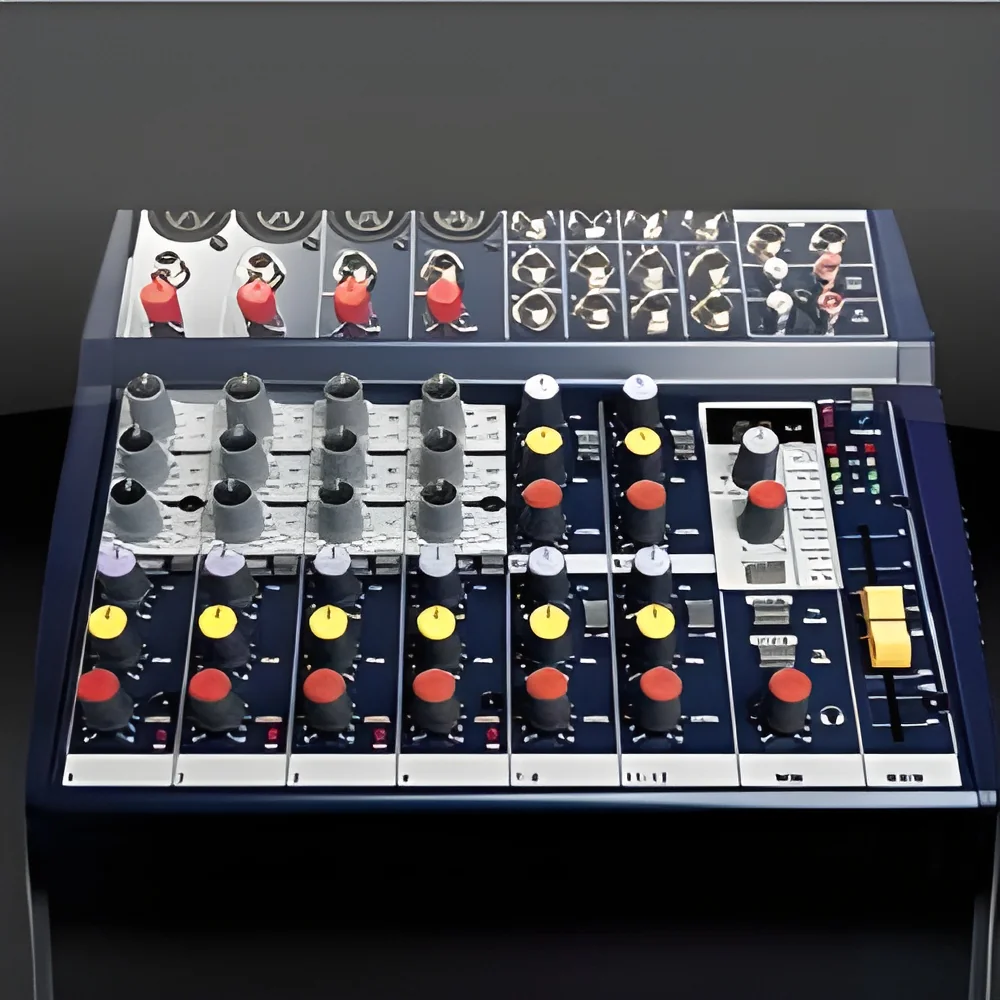
What are Audio Mixers & Consoles?
Audio mixers and consoles are essential electronic devices used in the sound production industry to combine, balance, and adjust audio signals. They enable sound engineers and producers to control multiple audio sources, such as microphones and instruments, ensuring that the final output meets the desired quality and clarity. These devices can vary in size and complexity, from small portable mixers to large studio consoles, catering to different needs in the audio production process.
Primarily, audio mixers and consoles are used in various applications including live sound reinforcement, recording studios, broadcasting, and post-production environments. They allow professionals to manipulate sound levels, apply effects, and direct audio to specific outputs. Their versatility makes them relevant across industries, from music production to film and television, where high-quality audio is crucial for engagement and communication. As technology evolves, the demand for sophisticated audio mixing solutions continues to grow, reflecting their importance in contemporary media production.
Key Features and Specifications
Audio mixers and consoles come with a variety of features and specifications that enhance their functionality and usability. Understanding these key specifications can help businesses select the right equipment for their needs.
Key specifications include:
1. Input Channels
- Number of input channels can range from 4 to over 64.
- Supports multiple audio sources simultaneously.
2. Output Channels
- Includes main outputs, auxiliary sends, and group outputs.
- Provides flexibility for sound routing.
3. Equalization (EQ)
- Each channel typically has 3-band or 4-band EQ.
- Allows for frequency adjustments to tailor sound.
4. Effects Processing
- Built-in effects such as reverb, delay, and compression.
- Enhances sound quality without external devices.
5. Fader Type
- Options for motorized and standard faders.
- Affects control precision and ease of use.
6. Connectivity
- Variety of connection types including XLR, TRS, and USB.
- Facilitates integration with other audio equipment.
7. Digital vs. Analog
- Digital mixers offer advanced processing and features.
- Analog mixers provide a classic sound and simplicity.
8. Control Interface
- User-friendly interfaces with visual displays.
- Touchscreen options available on advanced models.
In summary, understanding the key features and specifications of audio mixers and consoles is essential for making informed purchasing decisions. These specifications ultimately determine the usability and effectiveness of the equipment in various audio production settings.
Common Applications and Use Cases
Audio mixers and consoles play a critical role in a variety of industries, each benefiting from the unique capabilities of these devices.
1. Music Production: Audio mixers are fundamental in studios for recording and producing music, allowing engineers to blend tracks and enhance sound quality.
2. Live Sound: In concerts and events, mixers are used to manage audio from various sources, ensuring clear sound delivery to the audience.
3. Broadcasting: Radio and television stations rely on mixers for live broadcasts, enabling real-time audio adjustments and mixing.
4. Film and Television: In post-production, mixers help in sound design and mixing audio for film, ensuring the final product meets industry standards.
5. Corporate Events: Audio mixers are used in conferences and seminars to manage presentations and ensure clear communication.
6. Educational Institutions: Schools and universities utilize mixers for events and classes, enhancing audio quality for better learning experiences.
7. Houses of Worship: Churches and other religious organizations use mixers to manage sound for services and events, ensuring audio clarity for congregants.
Product Variants and Subcategories
Audio mixers and consoles come in various types and models to cater to different user needs and preferences.
Digital Mixers
Digital mixers offer advanced features such as built-in effects, automated faders, and user-friendly interfaces. They are ideal for complex audio setups and large-scale events.
Analog Mixers
Analog mixers provide a straightforward approach to audio mixing. They are favored for their simplicity and classic sound, making them popular in smaller venues and studios.
Portable Mixers
These compact mixers are designed for mobile use, making them perfect for on-the-go audio applications like live performances and field recordings.
Rack-mounted Mixers
These are designed to fit into standard 19-inch racks, providing a space-saving solution for studio and live sound setups.
Benefits and Advantages
Investing in audio mixers and consoles offers numerous benefits that enhance audio production capabilities.
1. Enhanced Sound Quality: High-quality mixers improve audio clarity and balance, resulting in a professional sound output.
2. Versatility: Mixers can handle multiple audio sources and applications, making them suitable for various environments.
3. User Control: Mixers provide precise control over audio signals, allowing for tailored sound production.
4. Built-in Effects: Many mixers come with integrated effects processing, saving time and equipment costs.
5. Streamlined Workflow: Advanced features in digital mixers improve efficiency in both live and studio settings.
6. Increased Collaboration: Mixers enable multiple users to work on audio projects simultaneously, enhancing teamwork and creativity.
Buying Guide for B2B Buyers
When sourcing audio mixers and consoles, it is crucial for businesses to consider several key factors to ensure they select the right equipment.
1. Quality Assessment: Evaluate the build quality and performance specifications to ensure the mixer meets professional standards.
2. Supplier Verification: Conduct thorough research on potential suppliers, checking their reputation and product reviews to ensure reliability.
3. Pricing and MOQ: Compare prices and understand the minimum order quantities to find options that fit your budget.
4. Delivery and Lead Times: Discuss logistics with suppliers to ensure timely delivery of your audio equipment.
5. Compliance Requirements: Ensure that the products meet relevant industry standards and certifications for safety and performance.
Compliance and Certifications
Audio mixers and consoles must adhere to various compliance and certification standards to ensure quality and safety.
Relevant quality standards include ISO 9001, which focuses on effective quality management systems, and HACCP for food safety standards in environments where audio equipment may be used. Compliance with GDP ensures that products are handled and transported correctly.
Industry certifications such as CE mark indicate that the product meets European safety standards. This is essential for businesses operating in or exporting to Europe.
Additionally, safety and testing requirements may vary by region, and manufacturers should be aware of local regulations to ensure compliance. This can include electrical safety standards and electromagnetic compatibility requirements.
Why Source Audio Mixers & Consoles from Pepagora?
Pepagora offers a trusted platform for sourcing audio mixers and consoles, providing several key advantages for B2B buyers.
Verified Supplier Network: Pepagora maintains a network of verified suppliers, ensuring that buyers can trust the quality and reliability of the products they purchase. This reduces the risk associated with sourcing equipment.
Streamlined RFQ Process: The platform features a user-friendly request for quotation process, enabling buyers to quickly compare offers from multiple suppliers. This efficiency helps businesses make informed decisions without unnecessary delays.
Trade Assurance and Support: Pepagora provides trade assurance to protect buyers, ensuring that transactions are secure and that any issues can be addressed promptly. This support fosters confidence in the sourcing process.
Regional Coverage: With a strong presence in India, the GCC, and Southeast Asia, Pepagora connects buyers with suppliers across these regions. This geographic reach allows for diverse sourcing options and competitive pricing, meeting the specific needs of businesses in various markets.

 IN
IN