What are Ankle & Wrist Braces?
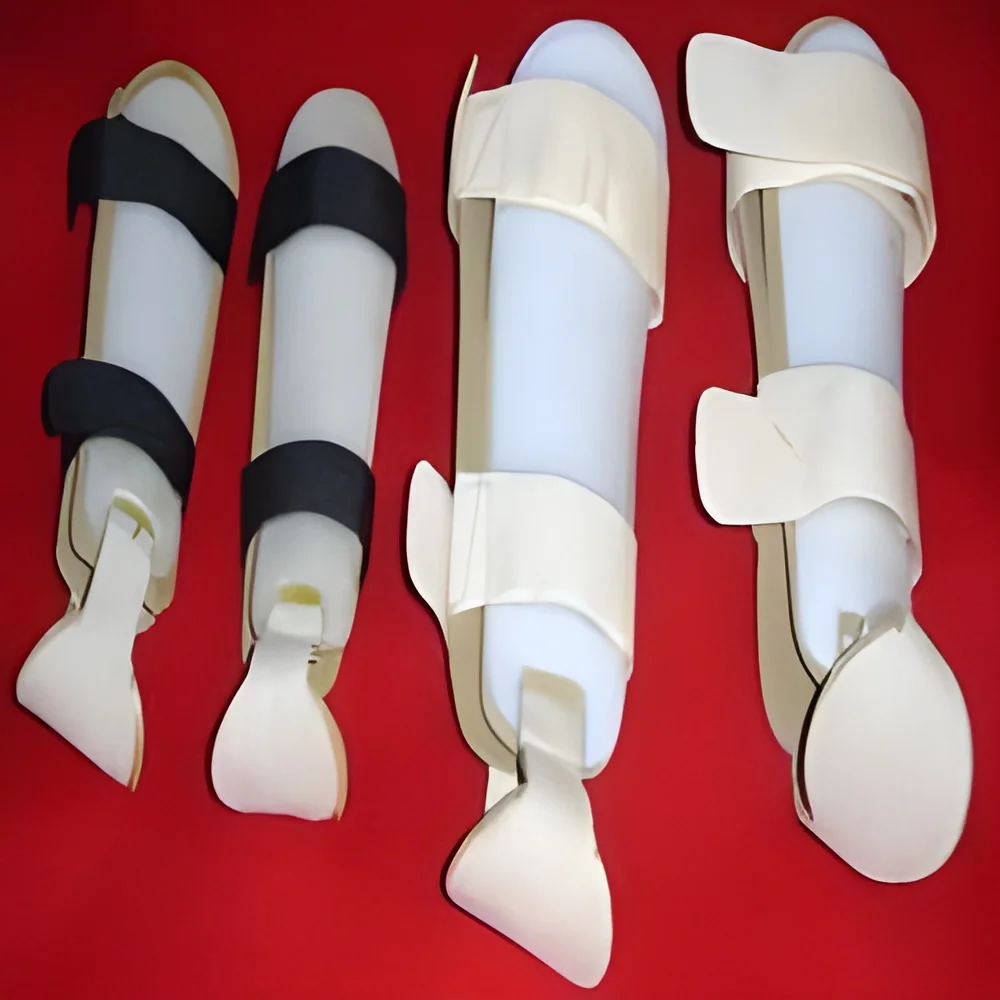
Ankle and wrist braces are medical devices designed to support and stabilize joints during recovery or physical activity. They are typically made from a combination of elastic materials, rigid supports, and adjustable straps. The purpose of these braces is to limit movement of the affected joint, thereby preventing further injury and facilitating healing.
These braces find primary use in various settings, including rehabilitation centers, sports facilities, and workplaces. They are commonly used by athletes to prevent sprains and strains, as well as by individuals recovering from injuries or surgeries. Businesses in healthcare, sports, and occupational safety often incorporate these products into their offerings to enhance safety and recovery processes.
In the current market, ankle and wrist braces have gained significant relevance due to increasing awareness of injury prevention and rehabilitation. The growing participation in sports and physical activities has also escalated the demand for such supportive devices. As a result, manufacturers are continuously innovating to improve the design and functionality of these braces, catering to a diverse range of consumer needs.
Key Features and Specifications
Ankle and wrist braces come with various features and specifications that enhance their effectiveness and user comfort. These specifications are crucial for buyers to consider when selecting the right product for their needs.
Key specifications include:
1. Material Composition
- Typically made from elastic fabrics, neoprene, or polyester.
- Provides flexibility while ensuring support.
2. Size Range
- Available in multiple sizes to accommodate different wrist and ankle circumferences.
- Ensures a snug fit for various users.
3. Adjustable Straps
- Features adjustable Velcro or buckle straps for a customizable fit.
- Enhances comfort and stability during use.
4. Breathability
- Designed with breathable materials to reduce moisture buildup.
- Ensures comfort during prolonged wear.
5. Rigid Supports
- Some models include plastic or metal stays for added stability.
- Helps limit excessive movement to prevent re-injury.
6. Washability
- Many braces are machine washable for easy maintenance.
- Ensures hygiene over repeated use.
7. Lightweight Design
- Constructed to be lightweight for ease of movement.
- Reduces the burden on the user during daily activities.
8. Color Options
- Available in various colors to suit personal preferences.
- Allows for personalization while maintaining functionality.
In summary, understanding these specifications helps buyers select ankle and wrist braces that best meet their specific requirements.
Common Applications and Use Cases
Ankle and wrist braces serve multiple industries, each with distinct applications.
1. Sports Industry: Athletes frequently use these braces to prevent injuries during training and competition. They provide essential support for high-impact activities such as running, basketball, and soccer.
2. Healthcare Sector: Medical professionals recommend ankle and wrist braces for patients recovering from injuries or surgeries. They help facilitate rehabilitation and reduce the risk of re-injury.
3. Occupational Safety: Workers in physically demanding jobs utilize these braces to prevent joint injuries. Industries such as construction, manufacturing, and warehousing benefit from their use to enhance employee safety.
4. Fitness and Wellness: Gyms and fitness centers often provide ankle and wrist braces to members. They assist in injury prevention during workouts and promote safe exercise practices.
5. Elderly Care: Senior citizens may use ankle and wrist braces to improve stability and mobility. They help reduce the risk of falls and enhance overall physical activity.
6. Rehabilitation Centers: Physical therapists incorporate these braces into treatment plans for patients recovering from joint injuries. They facilitate gradual strength building and mobility restoration.
7. Sports Medicine: Professionals in sports medicine use these braces as part of injury prevention and management protocols. They play a crucial role in maintaining athletes’ performance levels.
Product Variants and Subcategories
Ankle and wrist braces come in various types to cater to different needs and preferences.
Ankle Support Braces
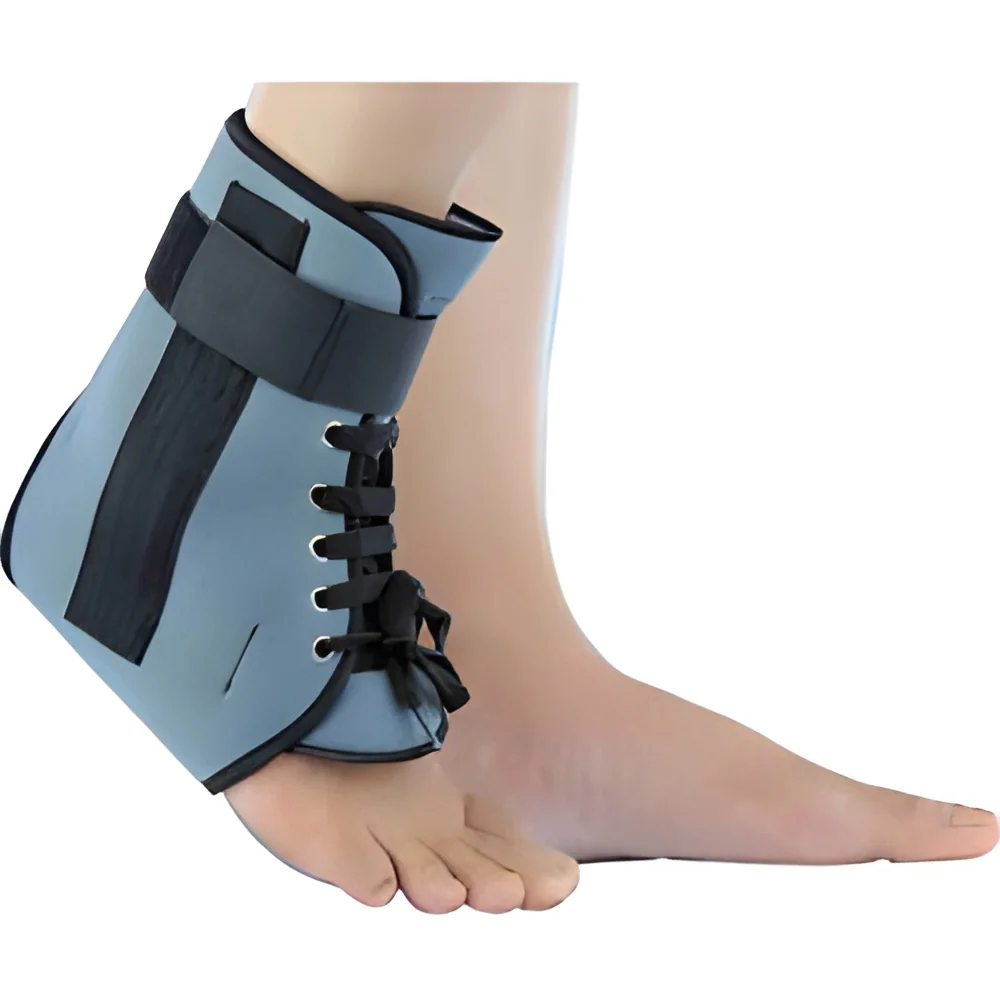
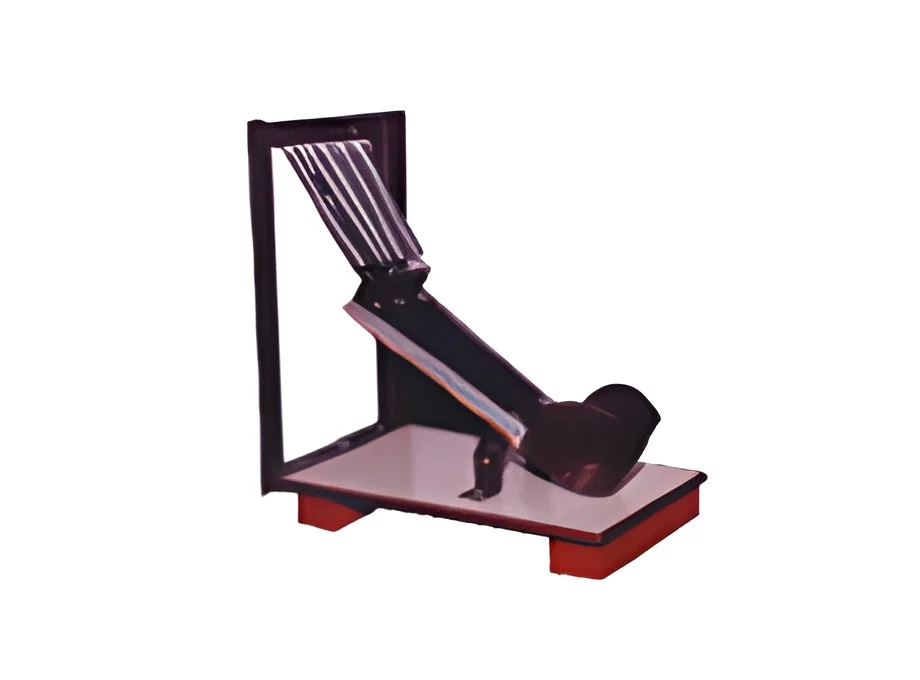
These braces are designed specifically for the ankle joint. They provide stability during physical activities and are useful for both prevention and rehabilitation of ankle injuries.
Wrist Support Braces
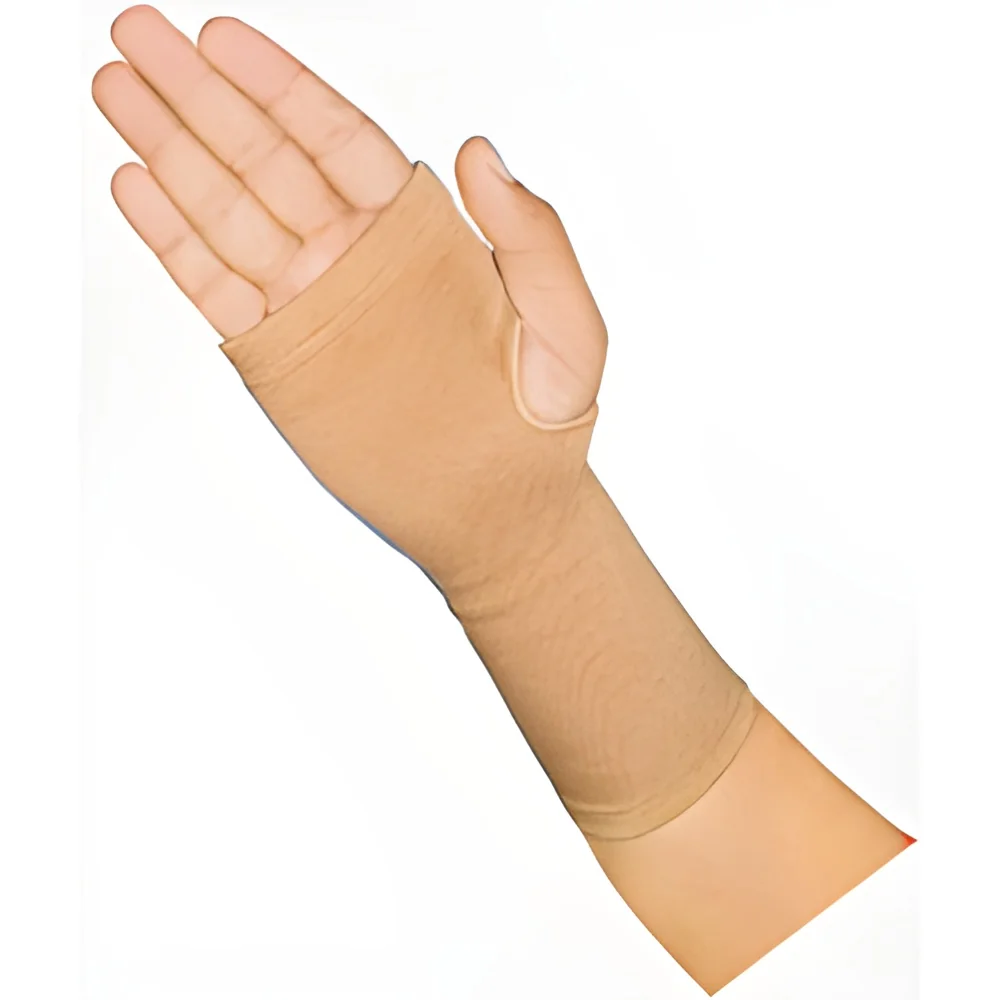
Wrist braces are tailored to support the wrist joint. They are commonly used for conditions such as carpal tunnel syndrome or after wrist fractures, ensuring immobilization and comfort during healing.
Lace-Up Ankle Braces
These braces feature a lace-up design that allows for a customizable fit. They offer flexibility in movement while providing necessary support, making them ideal for sports enthusiasts.
Neoprene Wrist Braces
Made from neoprene material, these wrist braces offer warmth and compression. They are popular among athletes for their comfort and support during physical activities.
Supportive Ankle Sleeves
These sleeves provide compression and mild support without rigid components. They are ideal for light activity and everyday wear for individuals seeking comfort.
Benefits and Advantages
Ankle and wrist braces offer numerous advantages for users across various sectors.
1. Injury Prevention: These braces significantly reduce the risk of injuries during physical activities by stabilizing joints.
2. Enhanced Recovery: They support the healing process by immobilizing the affected area and reducing strain on joints.
3. Increased Comfort: Many models are designed with user comfort in mind, featuring breathable materials and adjustable fits.
4. Versatile Applications: These products can be used in various settings, from sports to healthcare, making them highly adaptable.
5. Cost-Effectiveness: Investing in ankle and wrist braces can save costs associated with medical treatments due to injury prevention.
6. User-Friendly: Most braces are easy to put on and take off, making them convenient for daily use by individuals.
Buying Guide for B2B Buyers
When sourcing ankle and wrist braces, several factors should be considered to ensure the right purchase.
1. Quality Assessment: Buyers should evaluate the material quality and durability of the braces. High-quality products will perform better and have a longer lifespan.
2. Supplier Verification: It is crucial to vet suppliers for reliability and reputation. Look for reviews and certifications to ensure they meet industry standards.
3. Pricing and MOQ: Understanding the price range and minimum order quantities is essential for budgeting and inventory management.
4. Delivery and Lead Times: Buyers should inquire about logistics and expected delivery times. Reliable suppliers should provide clear timelines.
5. Compliance Requirements: Ensure that the braces meet relevant health and safety regulations, including certifications such as CE.
Compliance and Certifications
Compliance and certification are vital in ensuring the quality and safety of ankle and wrist braces. Key quality standards such as ISO 9001 ensure that manufacturers follow strict quality management systems. This leads to consistent product quality and reliability.
Industry certifications, such as CE marking, demonstrate compliance with European health, safety, and environmental protection standards. This certification is crucial for products sold in the European market, assuring buyers of the product's safety and efficacy.
Additionally, safety and testing requirements must be met to ensure that the braces can withstand typical use without failure. Manufacturers often conduct rigorous testing to ensure their products meet these standards.
Regional compliance considerations are also important, as different regions may have specific regulations governing medical devices. Buyers should research these requirements to ensure compliance in their respective markets.
Why Source Ankle & Wrist Braces from Pepagora?
Pepagora provides a trusted platform for sourcing ankle and wrist braces with several key advantages.
Verified Supplier Network: Pepagora boasts a network of verified suppliers, ensuring that buyers can source high-quality products. This verification process helps eliminate risks associated with unreliable vendors.
Streamlined RFQ Process: The platform offers a simple and efficient request-for-quotation process. Buyers can easily submit their needs and receive competitive quotes from multiple suppliers, saving time and effort.
Trade Assurance and Support: Pepagora prioritizes buyer protection through trade assurance programs. This ensures that buyers receive the products they ordered and are supported throughout the purchasing process.
Regional Coverage: With a broad geographic reach spanning India, GCC, and Southeast Asia, Pepagora connects buyers with local suppliers, facilitating easier logistics and faster delivery. This regional focus enhances accessibility to quality ankle and wrist braces.

 IN
IN

 India
India