What are Anaerobic Adhesives?
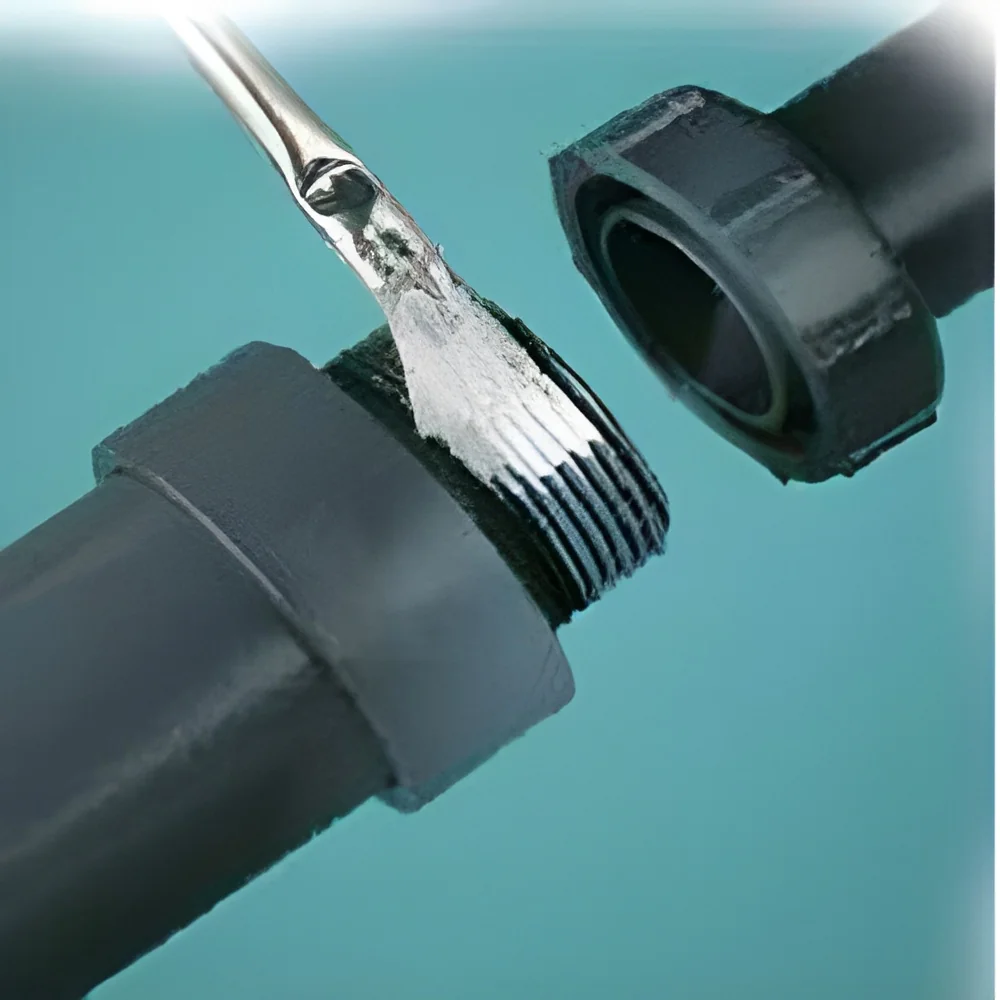
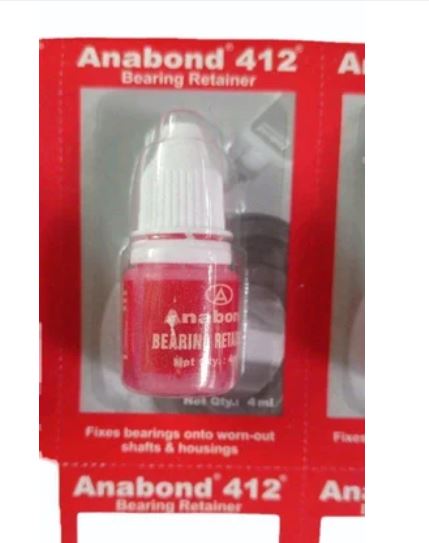
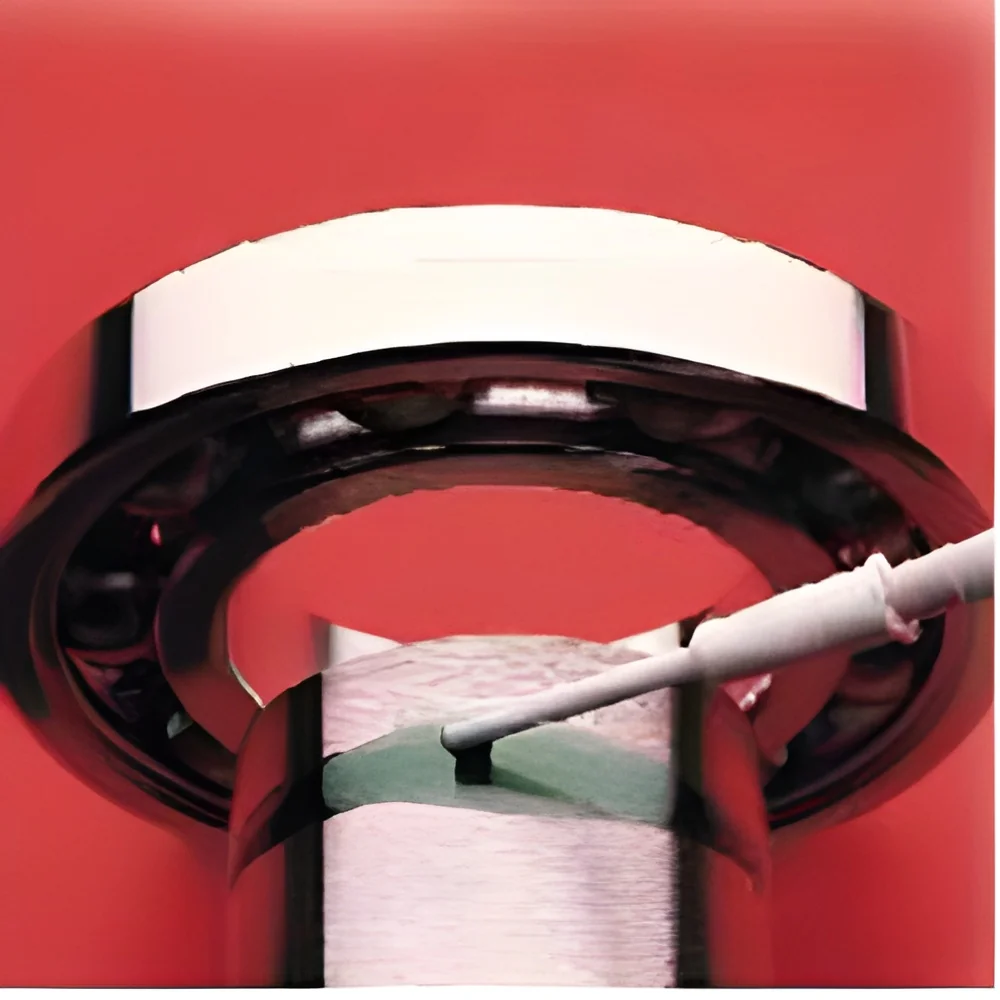
Anaerobic adhesives are a type of adhesive that cures in the absence of air. They are typically used to bond metal parts together and rely on the absence of oxygen to initiate the curing process. These adhesives are known for their high strength and durability, making them suitable for demanding applications across various industries.
The primary uses of anaerobic adhesives include thread locking, sealing, and bonding applications in mechanical assemblies. These adhesives are widely utilized in sectors such as automotive, aerospace, and manufacturing, where reliable bonding is essential. Their ability to withstand high temperatures and pressures also contributes to their industry relevance.
In the current market context, anaerobic adhesives are increasingly gaining traction due to the rising demand for efficient and robust bonding solutions. As industries continue to evolve, the need for advanced adhesive technologies that enhance performance and reliability is more critical than ever.
Key Features and Specifications
Anaerobic adhesives are characterized by several key features that enhance their performance in various applications. These features contribute to their effectiveness and reliability in industrial settings.
Key specifications include:
1. Curing Time
- The time it takes for the adhesive to fully cure after application.
- Typically ranges from a few minutes to several hours, depending on the formulation.
2. Temperature Resistance
- The ability to maintain bond strength at elevated temperatures.
- Often rated for use up to 150 degrees Celsius or higher.
3. Viscosity
- The thickness of the adhesive, which affects its application and performance.
- Commonly ranges from low to medium viscosity for ease of use.
4. Gap Filling Ability
- The capacity to fill spaces between bonded surfaces.
- Suitable for gaps up to 0.25 mm without compromising bond integrity.
5. Chemical Resistance
- The adhesive's resistance to solvents, oils, and other chemicals.
- Provides long-lasting performance in harsh environments.
6. Shelf Life
- The duration the adhesive remains effective when stored properly.
- Typically ranges from 6 months to 2 years, depending on packaging.
7. Bond Strength
- The maximum load the adhesive can withstand before failing.
- Often rated in megapascals (MPa); common values range from 10 to 30 MPa.
8. Certifications
- Compliance with industry standards such as CE certification.
- Ensures quality and safety for various applications.
In summary, anaerobic adhesives offer a range of features that make them ideal for a variety of industrial applications. Understanding these specifications helps businesses select the right product for their needs.
Common Applications and Use Cases
Anaerobic adhesives are versatile and find applications across various industries.
1. Automotive: Used for thread locking, sealing, and bonding components in vehicles, ensuring reliability in high-stress environments.
2. Aerospace: Essential for bonding and sealing critical parts, providing strength and durability in flight applications.
3. Manufacturing: Ideal for assembly processes where strong, permanent bonds are required, contributing to the efficiency of production lines.
4. Electronics: Utilized for securing components and preventing vibration loosening, ensuring the longevity of electronic devices.
5. Plumbing: Effective for sealing pipe joints and preventing leaks, especially in high-pressure systems.
6. Marine: Offers strong bonds for boat assembly and repair, withstanding harsh marine conditions.
7. Construction: Used in building materials and fixtures, enhancing structural integrity.
Product Variants and Subcategories
Anaerobic adhesives come in various formulations to suit different applications and requirements.
High-Strength Thread Lockers
These adhesives are designed to secure threaded fasteners against loosening due to vibration. They provide a strong bond that resists shock and stress, making them ideal for automotive and industrial applications.
Medium-Strength Adhesives
These adhesives allow for easier disassembly while still providing adequate bond strength. They are suitable for applications where maintenance or adjustments may be required.
Low-Viscosity Adhesives
These formulations are designed for applications requiring penetration into tight joints. Their low viscosity allows them to flow into gaps, ensuring complete coverage and a strong bond.
Benefits and Advantages
Choosing anaerobic adhesives offers numerous benefits for businesses.
1. High Bond Strength: Provides strong and durable bonds that can withstand extreme conditions, ensuring reliability.
2. Versatility: Suitable for a wide range of materials and applications, making them a flexible choice for various industries.
3. Easy Application: Many anaerobic adhesives feature user-friendly application methods, reducing the complexity of the bonding process.
4. Resistance to Environmental Factors: Offers protection against moisture, heat, and chemicals, enhancing longevity.
5. Reduced Maintenance: Once cured, these adhesives minimize the need for frequent repairs or replacements.
6. Cost-Effective: The long-lasting nature of anaerobic adhesives can lead to reduced operational costs over time.
Buying Guide for B2B Buyers
When sourcing anaerobic adhesives, several factors should be considered to ensure the right choice.
1. Quality Assessment: Evaluate the adhesive's performance characteristics and ensure compliance with relevant industry standards for quality.
2. Supplier Verification: Research potential suppliers to confirm their credibility and track record in providing high-quality products.
3. Pricing and MOQ: Understand the pricing structure and minimum order quantities, as these can significantly impact your budget and inventory management.
4. Delivery and Lead Times: Inquire about the supplier's ability to meet your delivery requirements and lead times to prevent disruptions in your operations.
5. Compliance Requirements: Ensure that the adhesive meets any necessary local or international regulations, as this can affect product acceptance in specific markets.
Compliance and Certifications
Compliance with quality standards is crucial for the safe use of anaerobic adhesives. Common standards include ISO 9001, which ensures consistent quality management systems. Additionally, industry certifications such as CE signify that the products meet European health, safety, and environmental protection standards.
Safety requirements for anaerobic adhesives often involve testing for toxicity and environmental impact. Regional compliance considerations may vary, with specific regulations applicable to different geographic areas. It is essential to stay informed about these standards to ensure product safety and regulatory adherence.
Why Source Anaerobic Adhesives from Pepagora?
Pepagora provides a trusted platform for sourcing anaerobic adhesives with several key advantages.
Verified Supplier Network: Our platform includes a wide range of verified suppliers, ensuring that buyers have access to high-quality products from reputable manufacturers.
Streamlined RFQ Process: We offer an efficient request for quotation system that simplifies the procurement process, allowing buyers to receive competitive pricing quickly.
Trade Assurance and Support: Pepagora offers buyer protection through trade assurance, ensuring that transactions are secure and that buyers receive the products as promised.
Regional Coverage: Our extensive network reaches across India, the GCC, and Southeast Asia, making it easier for businesses in these regions to source the adhesives they need for their applications.
By choosing Pepagora, businesses can confidently source anaerobic adhesives that meet their specific requirements while benefiting from a reliable and efficient procurement process.

 IN
IN