What are Silicone Sealants?
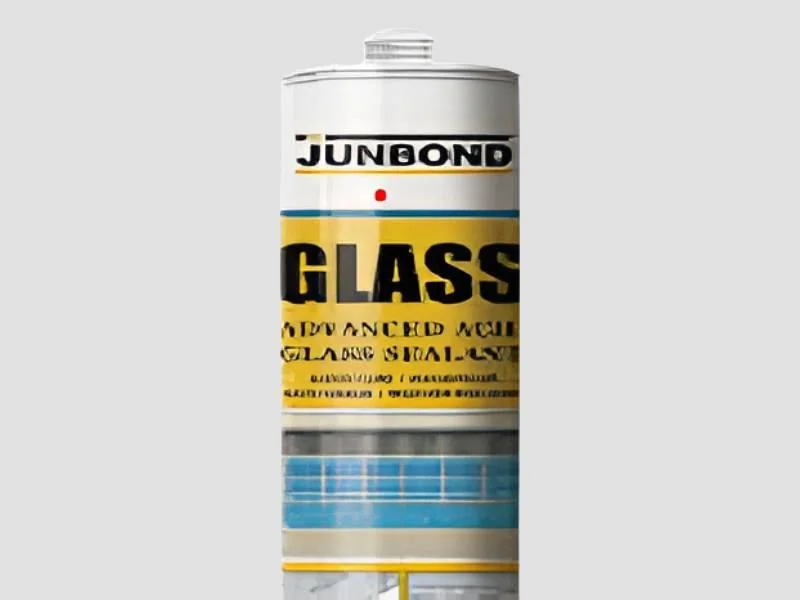
Silicone sealants are versatile materials used to create strong, flexible bonds that prevent the passage of water, air, and other substances. Composed primarily of silicone polymers, these sealants exhibit excellent adhesion to a variety of substrates, including glass, metal, wood, and plastic. They are favored for their durability and ability to withstand extreme temperatures, making them suitable for both indoor and outdoor applications.
Silicone sealants are commonly used in construction, automotive, and manufacturing industries. In construction, they seal joints in buildings, ensuring water resistance and energy efficiency. In automotive applications, they are used to seal windshields and other components. Their flexibility and resistance to environmental factors make silicone sealants a preferred choice in many business applications. The global demand for silicone sealants continues to grow, driven by advancements in construction techniques and the need for high-performance materials.
Key Features and Specifications
Silicone sealants come with a variety of features that enhance their performance and usability. Understanding these specifications helps businesses choose the right product for their needs.
Key specifications include:
1. Adhesion Strength
- Provides excellent bonding to various surfaces
- Typically ranges from 100 to 300 psi
2. Temperature Resistance
- Capable of withstanding extreme temperatures
- Generally operates between -60°F to 400°F
3. Cure Time
- Quick curing for efficient application
- Usually cures within 24 hours
4. Flexibility
- Maintains flexibility to accommodate movement
- Can stretch up to 300% of its original length
5. Weather Resistance
- Resistant to UV rays, moisture, and extreme weather
- Ensures long-lasting performance in outdoor applications
6. Chemical Resistance
- Resists various chemicals and solvents
- Suitable for industrial environments
7. Color Options
- Available in clear and various colors for aesthetic needs
- Allows for customization based on project requirements
8. Shelf Life
- Long shelf life for extended usability
- Typically around 12 months when stored properly
Silicone sealants are designed for performance and durability, making them essential for a wide range of applications.
Common Applications and Use Cases
Silicone sealants serve various industries and applications, showcasing their versatility.
1. Construction: Silicone sealants are extensively used to seal gaps in windows, doors, and roofing. They prevent water intrusion and improve energy efficiency.
2. Automotive: In the automotive industry, these sealants are used for windshield installation and sealing other components, providing a weather-tight bond.
3. Electronics: Silicone sealants protect electronic components from moisture and dust, enhancing the longevity of devices.
4. HVAC: In heating, ventilation, and air conditioning systems, silicone sealants are used to seal ductwork and prevent air leaks.
5. Marine: In marine applications, silicone sealants provide waterproofing for boats and other vessels, protecting against corrosion and wear.
6. Plumbing: Silicone sealants are used in plumbing to seal joints and connections, ensuring leak-proof installations.
7. Aerospace: In the aerospace industry, these sealants are employed for sealing and bonding components, providing resistance to extreme environments.
Product Variants and Subcategories
Silicone sealants are available in various formulations to meet specific needs.
Neutral Cure Silicone Sealant
This variant is ideal for glazing and sealing applications. It has low odor and is safe for use on sensitive materials, making it suitable for both indoor and outdoor use.
Acetic Cure Silicone Sealant
Known for its strong adhesion and durability, this type is commonly used in construction and industrial applications. It cures rapidly and is resistant to high temperatures.
Low Modulus Silicone Sealant
Designed for applications requiring flexibility, this sealant can withstand significant movement. It is often used in areas subject to expansion and contraction.
Benefits and Advantages
Silicone sealants provide numerous benefits that make them a valuable choice for various applications.
Key benefits include:
1. Durability: Silicone sealants are long-lasting and resistant to environmental factors, ensuring they maintain their performance over time.
2. Flexibility: Their ability to stretch and compress allows them to accommodate movement without cracking or losing adhesion.
3. Water Resistance: Silicone sealants form a waterproof seal, preventing leaks and moisture accumulation in critical areas.
4. UV Resistance: They resist degradation from sunlight, making them suitable for outdoor use without compromising performance.
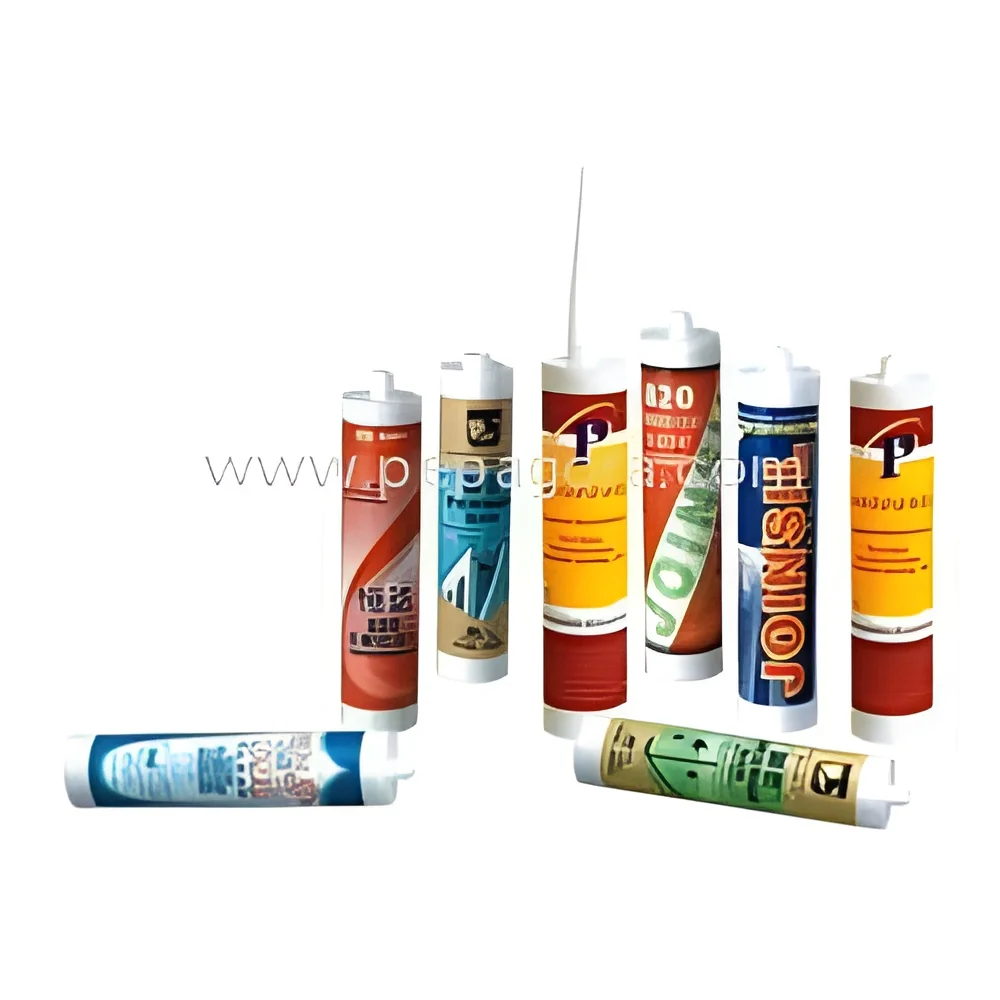
5. Easy Application: Silicone sealants can be easily applied using standard caulking guns, facilitating quick and efficient installations.
6. Versatile Use: They can bond to a wide range of materials, making them suitable for diverse applications across different industries.
Buying Guide for B2B Buyers
When sourcing silicone sealants, businesses should consider several crucial factors to ensure they make the right choice.
1. Quality Assessment: Evaluate the quality of the sealants based on performance metrics such as adhesion strength, durability, and resistance to environmental factors.
2. Supplier Verification: Vet suppliers to ensure they provide high-quality products. Check for customer reviews, certifications, and industry reputation.
3. Pricing and MOQ: Understand the pricing structure and minimum order quantities. Compare costs from different suppliers to find the best deal.
4. Delivery and Lead Times: Assess logistics and delivery schedules to ensure timely availability of products for projects.
5. Compliance Requirements: Be aware of relevant regulatory standards and certifications to ensure the sealants meet industry guidelines.
Compliance and Certifications
Compliance with industry standards is essential for silicone sealants to ensure quality and safety.
Silicone sealants often adhere to quality standards such as ISO 9001, which ensures effective quality management systems. Additionally, certifications like CE indicate that the products meet European health, safety, and environmental protection standards.
Safety and testing requirements are crucial, as silicone sealants must be tested for performance and reliability. Businesses should also consider regional compliance, as different areas may have specific regulations governing the use of silicone products.
Why Source Silicone Sealants from Pepagora?
Pepagora offers a trusted platform for sourcing silicone sealants with several key advantages.
Verified Supplier Network: Our platform connects buyers with a network of verified suppliers. This ensures that businesses can access high-quality silicone sealants from reputable manufacturers.
Streamlined RFQ Process: Pepagora simplifies the request for quotation process, allowing buyers to easily obtain price quotes from multiple suppliers. This efficiency helps businesses make informed purchasing decisions quickly.
Trade Assurance and Support: We prioritize buyer protection through trade assurance measures. Our support team is always available to assist with any inquiries or issues, ensuring a smooth purchasing experience.
Regional Coverage: Pepagora has a strong geographic reach across India, the GCC, and Southeast Asia. This extensive network enables businesses to access silicone sealants tailored to their regional needs and specifications.

 IN
IN