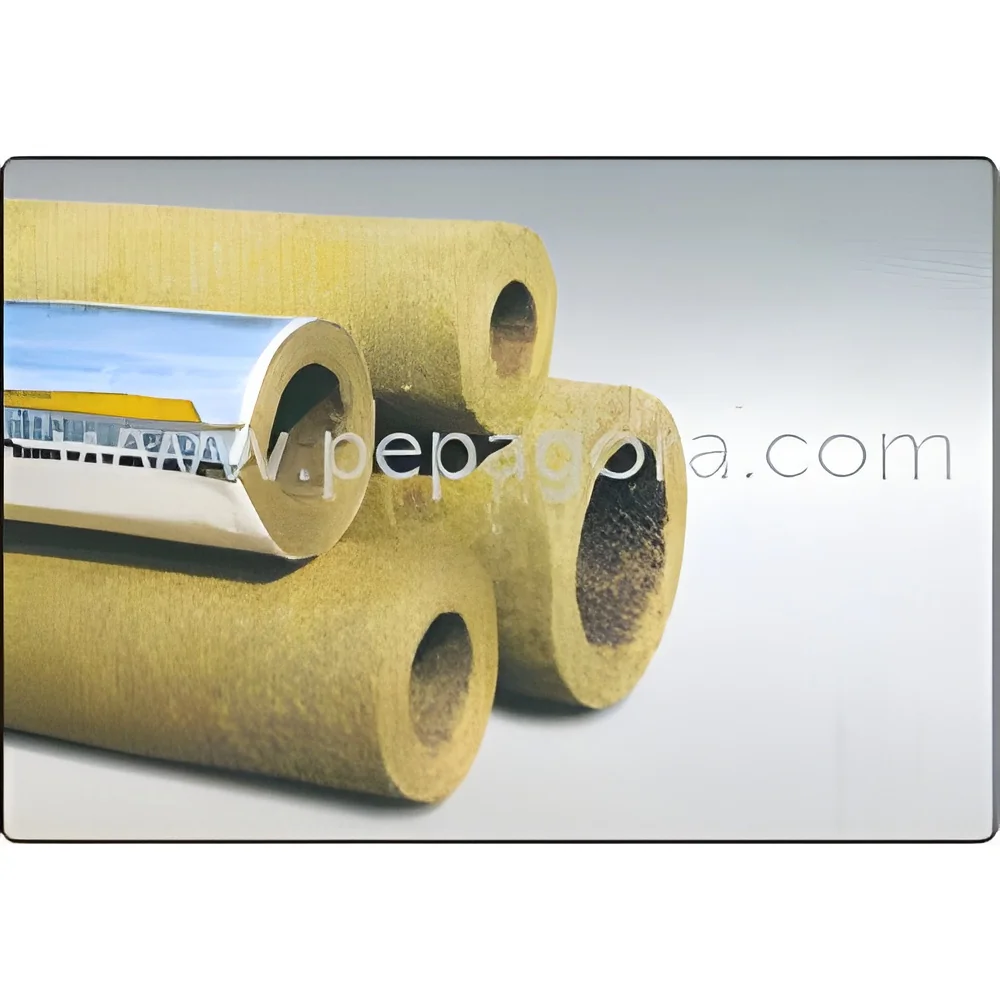
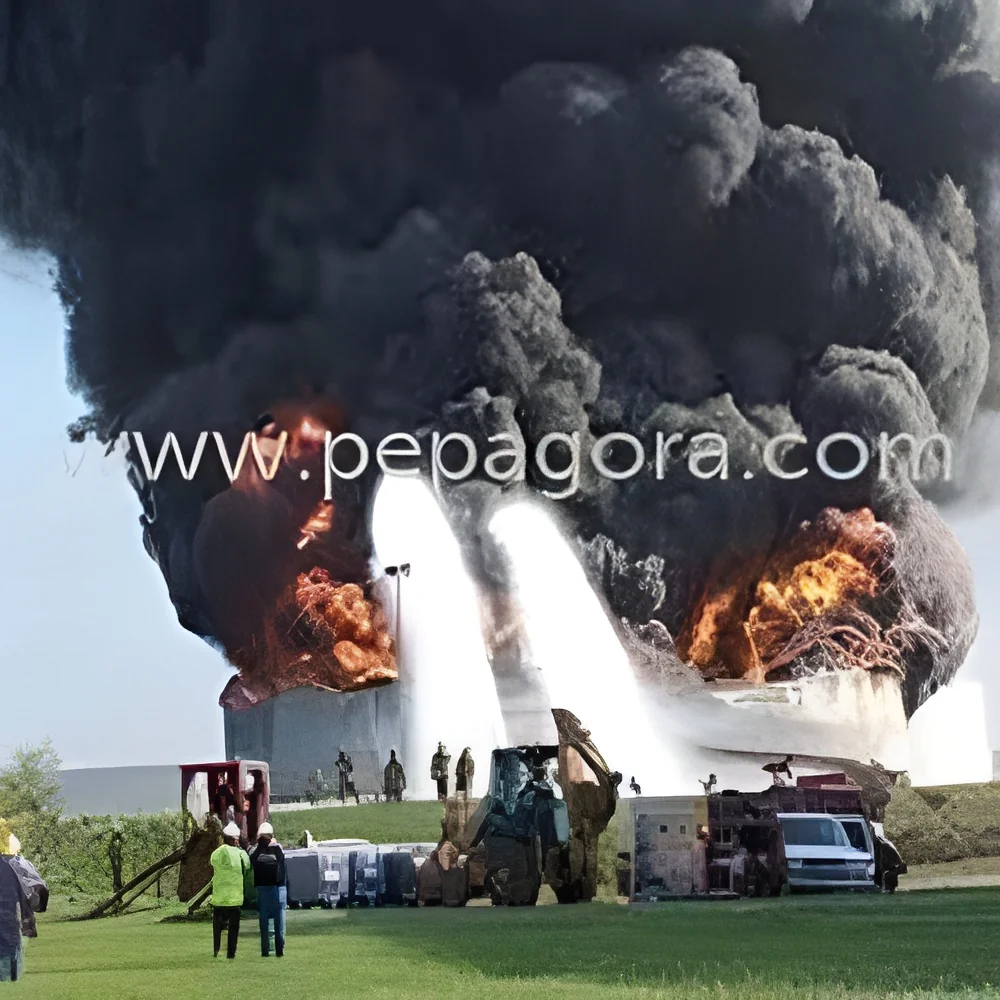
What are Fire Retardant Sealants?
Fire retardant sealants are specialized materials designed to impede the spread of fire and smoke within building structures. They are typically applied to joints, gaps, and seams in various construction materials, providing essential protection against fire hazards. These sealants create a barrier that can withstand high temperatures, helping to prevent the passage of flames and smoke, thereby enhancing the overall fire safety of a building.
The primary uses of fire retardant sealants include applications in commercial, industrial, and residential buildings. They are often employed in areas such as walls, ceilings, and floors, where fire containment is critical. Businesses that prioritize safety and regulatory compliance in construction and renovation projects utilize these sealants to meet fire safety standards and codes. The relevance of fire retardant sealants in today's market is increasingly significant, with growing awareness of fire safety regulations and the need for enhanced fire protection measures in various industries.
Key Features and Specifications
Fire retardant sealants offer several key features that cater to the needs of businesses focused on safety and compliance. Understanding these specifications can help buyers make informed decisions when selecting the right sealant for their projects.
Key specifications include:
1. Fire Resistance Rating
- Indicates the time duration the sealant can withstand fire exposure.
- Typically rated in hours, such as 1-hour, 2-hour, or 4-hour ratings.
2. Adhesion Properties
- Essential for ensuring a secure bond to various substrates.
- Effective on surfaces like concrete, metal, and wood.
3. Temperature Stability
- Ability to maintain performance under extreme temperatures.
- Generally effective in temperature ranges from -20°C to 120°C.
4. Application Method
- The sealant can be applied using standard caulking guns or specialized equipment.
- Available in various forms, including cartridges and bulk packaging.
5. Viscosity
- Affects the ease of application and flow of the sealant.
- Typically ranges from low to high viscosity, depending on the formulation.
6. Curing Time
- Time required for the sealant to fully cure after application.
- Typically ranges from a few hours to several days.
7. Chemical Resistance
- Ability to withstand exposure to various chemicals without degrading.
- Important for industrial applications where chemical exposure is common.
8. Compatibility
- Compatibility with other building materials and sealants.
- Ensures that the sealant does not adversely affect adjacent materials.
In summary, understanding the key features and specifications of fire retardant sealants is crucial for businesses looking to ensure safety and compliance in their construction projects.
Common Applications and Use Cases
Fire retardant sealants serve a wide range of industries that require stringent fire safety measures.
1. Construction Industry: These sealants are widely used in new construction projects to seal joints and openings in fire-rated walls, floors, and ceilings, ensuring compliance with building codes.
2. Manufacturing Facilities: In factories where flammable materials are present, fire retardant sealants help contain fires and protect critical infrastructure.
3. Oil and Gas Industry: Fire retardant sealants are essential in facilities processing flammable substances, providing an additional layer of protection against potential fire hazards.
4. Transportation Sector: Used in vehicles and transportation infrastructure to enhance fire safety, particularly in public transport systems.
5. Aerospace Industry: Critical for use in aircraft, where fire safety is paramount, ensuring that materials can withstand extreme conditions.
6. Electrical and Mechanical Installations: Fire retardant sealants are applied around electrical conduits and mechanical systems to prevent fire spread in case of an incident.
7. Hospitality Sector: Hotels and restaurants utilize these sealants to enhance safety measures, especially in kitchens where fire risks are higher.
Product Variants and Subcategories
Fire retardant sealants come in various formulations and types to cater to specific needs.
Acrylic-based Sealants: These sealants are water-based and easy to apply, making them suitable for indoor applications. They provide good adhesion and are paintable, ideal for finishing touches in construction projects.
Silicone-based Sealants: Known for their flexibility and durability, silicone sealants can withstand extreme temperatures and are often used in outdoor applications. They are resistant to moisture and UV exposure, making them ideal for exterior sealing.
Intumescent Sealants: These sealants expand when exposed to heat, forming a char that blocks the passage of fire and smoke. They are commonly used in high-risk areas where fire protection is crucial.
Polyurethane Sealants: These sealants offer excellent adhesion and flexibility, making them suitable for a wide range of applications. They are often used in industrial settings where chemical resistance is required.
Benefits and Advantages
Fire retardant sealants offer numerous benefits that contribute to enhanced safety and compliance in various industries.
1. Enhanced Fire Safety: These sealants significantly reduce the risk of fire spread, providing crucial protection for occupants and property.
2. Regulatory Compliance: Utilizing fire retardant sealants helps businesses meet stringent building codes and fire safety regulations.
3. Versatility: Fire retardant sealants can be applied to a variety of substrates, making them suitable for diverse applications across multiple industries.
4. Cost-Effectiveness: By preventing fire damage, these sealants can save businesses from potential losses, making them a valuable investment.
5. Easy Application: Most fire retardant sealants are user-friendly and can be applied quickly, reducing labor costs during installation.
6. Long-lasting Performance: High-quality fire retardant sealants maintain their effectiveness over time, ensuring ongoing protection.
Buying Guide for B2B Buyers
When sourcing fire retardant sealants, several factors should be considered to ensure the selection of the right product for your business needs.
1. Quality Assessment: Evaluate the quality of the sealants based on manufacturer specifications and performance testing. Look for certifications that ensure adherence to industry standards.
2. Supplier Verification: Vet suppliers to ensure they have a solid reputation and proven track record in providing quality fire retardant sealants. Check for customer reviews and references.
3. Pricing and MOQ: Understand the pricing structure and minimum order quantities (MOQ) offered by suppliers. Consider bulk purchasing to maximize cost savings.
4. Delivery and Lead Times: Confirm delivery schedules and lead times to ensure that you receive the sealants within your project timelines.
5. Compliance Requirements: Ensure that the sealants meet all necessary regulatory and safety compliance standards relevant to your industry and region.
Compliance and Certifications
Fire retardant sealants must adhere to various quality standards and certifications to ensure reliability and effectiveness in fire protection.
Relevant quality standards include ISO 9001, which emphasizes quality management systems, ensuring that products are consistently produced and controlled to meet quality standards. Other standards may apply based on specific industry requirements.
Industry certifications, such as CE marking, indicate compliance with European safety standards, confirming that the products meet essential health, safety, and environmental protection requirements.
Safety and testing requirements are critical, as manufacturers must conduct rigorous testing to verify the fire resistance and overall performance of their sealants. This testing ensures that they perform as expected under fire conditions.
Regional compliance considerations may vary, so businesses should be mindful of local regulations regarding fire safety products. Ensuring that fire retardant sealants are compliant with regional laws can mitigate legal risks and enhance overall safety.
Why Source Fire Retardant Sealants from Pepagora?
Pepagora offers a trusted platform for businesses seeking to source fire retardant sealants, providing several key advantages that enhance the purchasing experience.
Verified Supplier Network: Pepagora has a robust network of verified suppliers, ensuring that businesses can find reputable manufacturers and distributors of high-quality fire retardant sealants.
Streamlined RFQ Process: The platform simplifies the request for quotation (RFQ) process, allowing buyers to easily compare prices and features from multiple suppliers, facilitating informed decision-making.
Trade Assurance and Support: Pepagora provides trade assurance and buyer protection, ensuring that transactions are secure and that buyers receive the quality products they expect.
Regional Coverage: With a focus on regions such as India, the GCC, and Southeast Asia, Pepagora enables businesses to connect with local suppliers, ensuring timely delivery and support tailored to specific regional needs.

 IN
IN