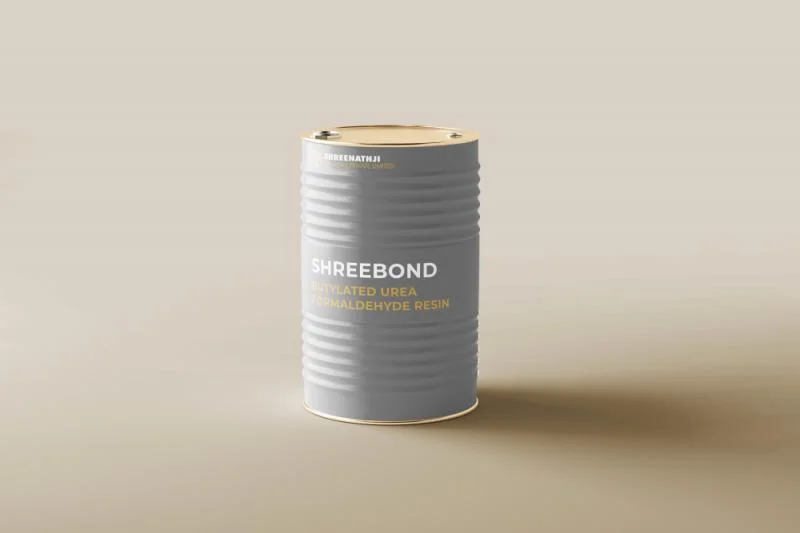
What are Structural Adhesives?
Structural adhesives are specialized bonding agents designed to create strong, durable connections between various materials. They are formulated to withstand significant stress and environmental factors, making them ideal for applications where traditional fastening methods, such as welding or mechanical fasteners, may not be suitable. These adhesives can bond a wide range of substrates, including metals, plastics, composites, and wood, providing versatility in their use.
The primary applications of structural adhesives span multiple industries, including automotive, aerospace, construction, and manufacturing. In the automotive sector, for instance, they are used to bond body panels and components, enhancing vehicle strength and reducing weight. In construction, structural adhesives play a critical role in assembling prefabricated structures and providing long-lasting bonds for various building materials. As industries increasingly adopt advanced manufacturing techniques, the demand for structural adhesives continues to grow, driven by their ability to improve product performance and reduce production costs.
Key Features and Specifications
Structural adhesives are characterized by their exceptional bonding capabilities and resilience. They exhibit features that cater to a variety of industrial needs. Understanding these specifications is crucial for selecting the right adhesive for your application.
Key specifications include:
1. Bond Strength
- High tensile and shear strength
- Capable of supporting heavy loads
2. Cure Time
- Fast curing options available
- Workable time varies by product
3. Temperature Resistance
- Suitable for use in a range of temperatures
- Some adhesives withstand extreme heat or cold
4. Chemical Resistance
- Resistant to various solvents and chemicals
- Ideal for harsh environments
5. Viscosity
- Available in different viscosities for application ease
- Thicker adhesives fill gaps effectively
6. Flexibility
- Some formulations allow for movement without cracking
- Important for dynamic applications
7. Environmental Resistance
- Designed to resist moisture and UV exposure
- Ensures durability in outdoor applications
8. Safety Certifications
- Compliance with industry standards such as CE
- Ensures safety in use and application
In summary, the key features and specifications of structural adhesives underscore their importance in various industrial applications. Selecting the right adhesive based on these parameters can significantly enhance performance and reliability.
Common Applications and Use Cases
Structural adhesives serve a wide range of industries, each benefiting from their unique properties and capabilities.
1. Automotive: Structural adhesives are extensively used in the automotive industry for bonding body panels, windshields, and other components. They enhance vehicle strength while minimizing weight, contributing to fuel efficiency.
2. Aerospace: In aerospace applications, structural adhesives are critical for assembling lightweight components and ensuring aerodynamic integrity. They provide strong bonds that can withstand harsh environmental conditions.
3. Construction: Structural adhesives are employed in the construction of prefabricated buildings, bonding materials like concrete, metal, and wood. This improves construction efficiency and structural integrity.
4. Marine: Used in boat manufacturing and repair, structural adhesives provide waterproof bonds that resist the harsh marine environment, ensuring longevity and performance.
5. Electronics: In the electronics industry, structural adhesives bond components securely while offering protection from moisture and vibrations. This is essential for maintaining device functionality.
6. Furniture: Structural adhesives are used in furniture manufacturing for bonding different materials, enhancing durability, and providing aesthetic finishes.
7. HVAC: In heating, ventilation, and air conditioning systems, structural adhesives help in assembling and sealing components, improving system efficiency and reliability.
Product Variants and Subcategories
Structural adhesives come in various formulations to meet specific industry requirements. This diversity allows businesses to select the most suitable product for their applications.
Epoxy Adhesives
Epoxy adhesives are known for their strong bonding capabilities and high resistance to environmental factors. They are often used in applications requiring durability and longevity, such as automotive and aerospace manufacturing.
Polyurethane Adhesives
Polyurethane adhesives offer versatility in bonding different materials. They are ideal for applications where flexibility and resistance to impacts are required, making them a popular choice in construction and furniture assembly.
Acrylic Adhesives
Acrylic adhesives provide fast curing times and good clarity, making them suitable for applications in electronics and automotive glass bonding. They also offer excellent resistance to UV light and chemicals.
Silicone Adhesives
Silicone adhesives are recognized for their flexibility and resistance to extreme temperatures. They are frequently used in applications requiring sealing and bonding in HVAC and construction.
Benefits and Advantages
Choosing structural adhesives provides numerous benefits that can enhance operational efficiency and product quality.
1. Enhanced Bonding Strength: Structural adhesives create stronger bonds than traditional fastening methods, improving product durability and reliability.
2. Weight Reduction: By eliminating the need for mechanical fasteners, structural adhesives contribute to lighter product designs, which is particularly beneficial in automotive and aerospace applications.
3. Improved Aesthetics: Adhesives can create smooth, seamless finishes, enhancing the visual appeal of products, especially in consumer goods and furniture.
4. Resistance to Environmental Factors: Many structural adhesives are designed to withstand moisture, chemicals, and temperature fluctuations, ensuring longevity in challenging conditions.
5. Increased Design Flexibility: Structural adhesives allow for more innovative designs by enabling the bonding of dissimilar materials and complex geometries.
6. Cost Efficiency: By streamlining assembly processes and reducing the need for additional hardware, structural adhesives can lower production costs and improve manufacturing efficiency.
Buying Guide for B2B Buyers
When sourcing structural adhesives, several factors should be taken into account to ensure the right product is selected for your needs.
1. Quality Assessment: Evaluate the adhesive based on performance standards and certifications. Look for products that meet industry specifications and have undergone rigorous testing.
2. Supplier Verification: Ensure that the suppliers you consider are reputable and have a strong track record in providing high-quality adhesives. Check for reviews and testimonials from previous customers.
3. Pricing and MOQ: Understand the pricing structure and minimum order quantities. Compare costs among different suppliers to find the best value without compromising quality.
4. Delivery and Lead Times: Confirm the delivery times and logistics capabilities of your supplier. Efficient delivery is crucial for maintaining production schedules.
5. Compliance Requirements: Ensure the adhesives meet relevant regulatory and safety standards for your industry. This includes checking for certifications like CE and adherence to regional regulations.
Compliance and Certifications
Structural adhesives must comply with various quality standards and certifications to ensure safety and effectiveness in industrial applications.
Relevant industry standards include ISO 9001, which focuses on quality management systems, ensuring that manufacturers consistently produce high-quality products. Compliance with HACCP (Hazard Analysis and Critical Control Points) is essential for products used in food-related industries, ensuring that adhesives do not pose a risk to food safety.
Certifications such as CE indicate that the products meet European safety, health, and environmental protection standards, providing assurance to buyers about their quality and reliability.
Moreover, structural adhesives must undergo safety and testing requirements based on their intended use. This includes assessments for chemical resistance, temperature stability, and durability under stress. Regional compliance considerations may also apply, depending on the markets where the adhesives will be sold and used, necessitating adherence to local regulations.
Why Source Structural Adhesives from Pepagora?
Pepagora offers a reliable platform for sourcing structural adhesives, ensuring that B2B buyers can access high-quality products from verified suppliers.
The verified supplier network at Pepagora provides peace of mind, as all suppliers undergo a thorough vetting process. This ensures that buyers can trust the quality and performance of the adhesives they purchase.
Additionally, Pepagora features a streamlined Request for Quotation (RFQ) process, allowing buyers to quickly and efficiently obtain quotes from multiple suppliers. This competitive environment fosters better pricing and service options for buyers.
Trade assurance is also a critical aspect of the Pepagora platform. This feature protects buyers by ensuring that their transactions are secure and that any disputes can be resolved effectively.
With a geographic reach that includes India, the GCC, and Southeast Asia, Pepagora caters to a diverse range of markets. This enables businesses to find the right structural adhesives for their specific industry needs, no matter where they are located.

 IN
IN