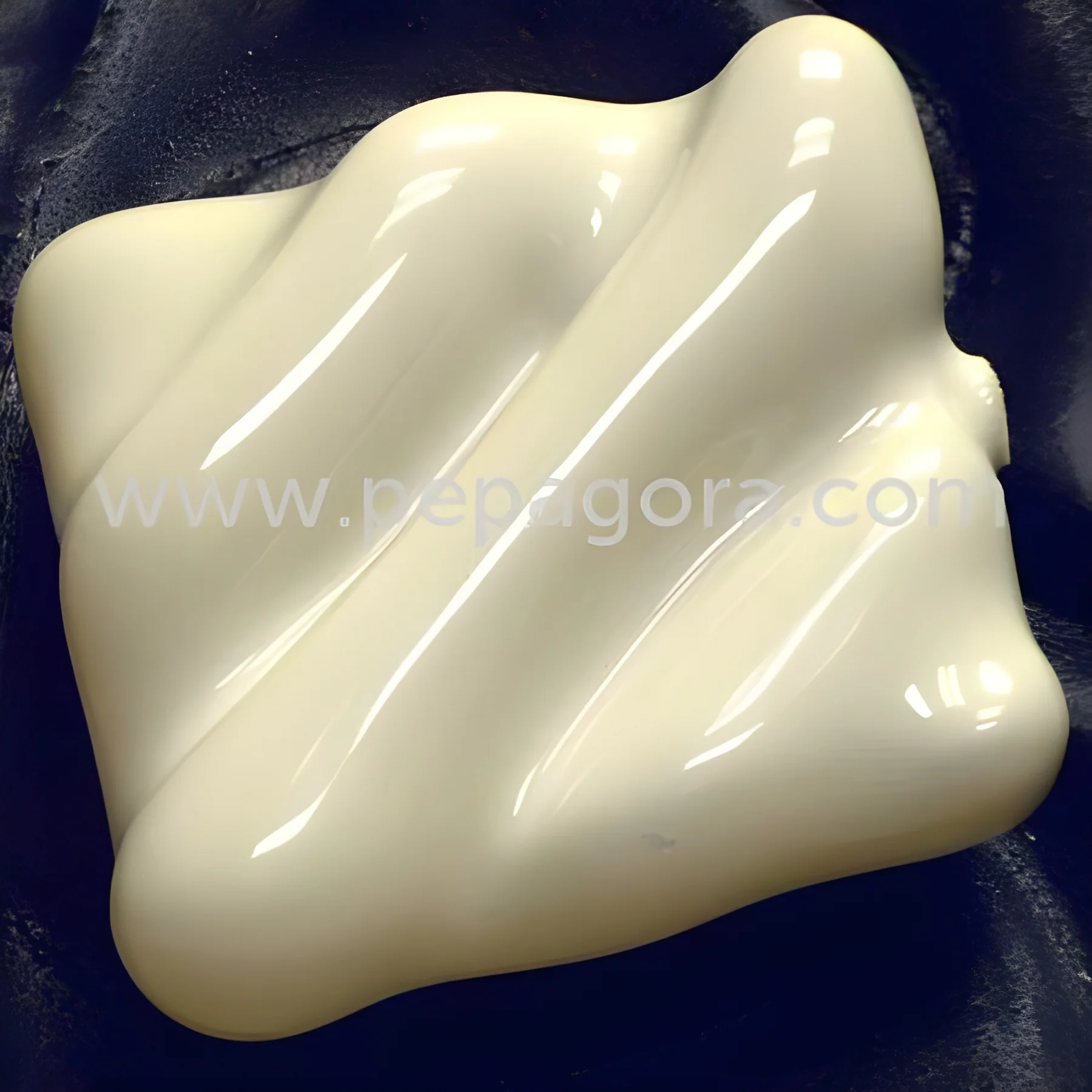
What are Polyurethane Sealants?
Polyurethane sealants are versatile adhesive compounds that are primarily used for sealing joints and gaps in various materials. They are known for their excellent adhesion, flexibility, and durability, which make them suitable for a wide range of applications. Polyurethane sealants cure through a reaction with moisture in the air, forming a robust and elastic bond that can withstand environmental stressors such as temperature fluctuations and humidity.
These sealants find extensive use in industries such as construction, automotive, and manufacturing. In construction, they are commonly applied for sealing windows, doors, and roofing. In the automotive sector, they are used for bonding glass and structural components. The market for polyurethane sealants is growing, driven by increasing construction activities and demand for durable sealing solutions in various applications.
Key Features and Specifications
Polyurethane sealants offer a range of features and specifications that make them suitable for industrial applications. These properties ensure that they meet the demands of various environments and applications.
Key specifications include:
1. Adhesion Strength
- High initial tack and strong bond to multiple substrates
- Ideal for both porous and non-porous surfaces
2. Temperature Resistance
- Performs well in extreme temperatures
- Typically withstands temperatures ranging from -40°C to 90°C
3. Flexibility
- Maintains elasticity after curing
- Accommodates movement in joints without compromising the seal
4. Moisture Resistance
- Excellent water and weather resistance
- Suitable for outdoor applications exposed to the elements
5. Curing Time
- Typically cures within 24 hours, depending on environmental conditions
- Allows for quick turnaround in construction and manufacturing processes
6. Chemical Resistance
- Resists a variety of chemicals, including oils and solvents
- Suitable for use in industrial environments
7. UV Stability
- Protects against degradation from UV exposure
- Ensures longevity in outdoor applications
8. Non-Toxic Formulation
- Safe for use in environments where human contact is possible
- Complies with health and safety regulations
In summary, the key features and specifications of polyurethane sealants contribute to their effectiveness in various applications, making them a preferred choice across multiple industries.
Common Applications and Use Cases
Polyurethane sealants serve various industries, reflecting their versatility and practicality.
1. Construction: In the construction industry, polyurethane sealants are used for sealing windows, doors, and roofing systems, providing weatherproofing and insulation.
2. Automotive: They are utilized in the automotive sector for bonding glass components and sealing joints, ensuring structural integrity and protecting against water ingress.
3. Manufacturing: In manufacturing, these sealants are employed for assembly applications, where strong adhesion and flexibility are required to accommodate movement.
4. Marine: Polyurethane sealants are suitable for marine applications, offering resistance to water and salt, which helps maintain the integrity of boats and marine structures.
5. HVAC: In heating, ventilation, and air conditioning systems, these sealants are used to seal ducts and joints, improving energy efficiency and preventing air leaks.
6. Plumbing: They are also applied in plumbing for sealing pipes and fixtures, ensuring leak-proof connections.
7. Electrical: In electrical applications, polyurethane sealants protect against moisture and dust, safeguarding sensitive components.
Product Variants and Subcategories
Polyurethane sealants encompass a range of products designed for specific applications and requirements.
Standard Polyurethane Sealants
These are the most commonly used variants, ideal for general sealing and bonding applications. They offer strong adhesion and flexibility, making them suitable for a variety of substrates.
Fast-Curing Polyurethane Sealants
These variants are designed for quick setting and curing, making them ideal for applications where time is critical. They maintain strong adhesion while allowing for faster project completion.
Low-VOC Polyurethane Sealants
These environmentally friendly options emit fewer volatile organic compounds, making them suitable for indoor applications where air quality is a concern.
Benefits and Advantages
Polyurethane sealants provide numerous benefits that enhance their value for businesses.
1. Superior Adhesion: They bond well with a variety of materials, ensuring reliable performance in diverse applications.
2. Flexibility: Their ability to remain elastic after curing allows them to accommodate movement without losing effectiveness.
3. Durability: Polyurethane sealants offer long-lasting performance, resisting weathering, chemicals, and UV exposure.
4. Moisture Protection: They provide excellent resistance to water ingress, making them ideal for outdoor and marine applications.
5. Easy Application: These sealants can be easily applied using standard tools, allowing for efficient project execution.
6. Reduced Maintenance: Their durability and resistance to environmental factors lead to lower maintenance costs over time.
Buying Guide for B2B Buyers
When sourcing polyurethane sealants, several factors should be considered to ensure the right choice for your application.
1. Quality Assessment: Evaluate the quality of sealants based on adhesion strength, curing time, and durability. Look for products that meet industry standards and specifications.
2. Supplier Verification: Vet suppliers to ensure they have a reputation for quality products and reliable service. Check for certifications and customer reviews.
3. Pricing and MOQ: Consider the pricing structure and minimum order quantities. Ensure that the cost aligns with your budget and project needs.
4. Delivery and Lead Times: Assess suppliers' delivery capabilities and lead times to ensure timely availability of products for your projects.
5. Compliance Requirements: Verify that the sealants comply with relevant regulations and standards, such as CE certification, to ensure safety and quality.
Compliance and Certifications
Compliance and certification are critical in ensuring the quality and safety of polyurethane sealants. Key standards include ISO 9001, which outlines quality management principles, ensuring consistent product quality. The CE mark demonstrates compliance with European health, safety, and environmental protection standards, indicating that the product meets necessary regulatory requirements.
Safety and testing requirements are also essential. Sealants should undergo rigorous testing to ensure they meet performance criteria and do not pose health risks. Additionally, regional compliance considerations may vary, so it is important to check local regulations that apply to sealants in specific markets.
Why Source Polyurethane Sealants from Pepagora?
Pepagora provides a trusted platform for sourcing polyurethane sealants with several key advantages.
Verified Supplier Network: Our platform connects you with a network of verified suppliers, ensuring that you have access to high-quality products from reputable manufacturers. This verification process helps mitigate risks associated with sourcing.
Streamlined RFQ Process: Pepagora offers a streamlined request for quotation (RFQ) process, allowing buyers to quickly obtain competitive quotes from multiple suppliers. This efficiency saves time and enhances procurement strategies.
Trade Assurance and Support: We provide trade assurance and support to buyers, ensuring that your transactions are protected. Our team is dedicated to facilitating smooth communication and resolving any issues that may arise.
Regional Coverage: With a strong geographic reach across India, the Gulf Cooperation Council (GCC), and Southeast Asia, Pepagora enables buyers to access a diverse range of products and suppliers, catering to various regional needs and preferences.

 IN
IN