What are Packaging Adhesives?
Packaging adhesives are specialized adhesives designed for bonding materials used in packaging applications. These adhesives can be formulated for a variety of substrates, including paper, cardboard, plastics, and metals. They play a critical role in ensuring that packaging remains intact during shipping, storage, and handling. Packaging adhesives are engineered to provide strong bonds while also being efficient in application, often allowing for quick-setting or high-speed processing.
These adhesives are widely used across various industries, including food and beverage, pharmaceuticals, consumer goods, and electronics. In food packaging, for example, adhesives must meet stringent safety and compliance standards to ensure consumer safety. In the electronics sector, they help in providing protective packaging that safeguards sensitive components. The relevance of packaging adhesives continues to grow as e-commerce and global shipping practices expand, highlighting the need for reliable adhesive solutions that enhance product integrity and presentation.
Key Features and Specifications
Packaging adhesives come with a range of features and specifications tailored to meet the demands of different applications. Understanding these specifications is essential for selecting the right product for specific needs.
Key specifications include:
1. Bond Strength
- Determines the adhesive's ability to hold materials together under stress.
- Measured in pounds per inch or Newtons.
2. Cure Time
- Refers to the time required for the adhesive to reach full strength after application.
- Can range from seconds to hours, depending on the formulation.
3. Viscosity
- Indicates the thickness of the adhesive, affecting application methods.
- Commonly measured in centipoise (cP).
4. Temperature Resistance
- Indicates the adhesive's performance under varying temperature conditions.
- Specifications can range from low to high temperature tolerances.
5. Humidity Resistance
- Measures the adhesive's ability to maintain bond strength in humid environments.
- Important for applications in moist conditions.
6. Compatibility
- Refers to the adhesive's effectiveness on different substrates.
- Can include paper, plastic, glass, and metal.
7. Shelf Life
- Indicates how long the adhesive can be stored before its performance deteriorates.
- Typically ranges from months to years.
8. Compliance Standards
- Assures that the adhesive meets specific industry regulations.
- Common certifications include CE and others as applicable.
In summary, understanding these features and specifications is vital for businesses to select the appropriate packaging adhesives for their specific applications.
Common Applications and Use Cases
Packaging adhesives are utilized in various industries, each with unique applications and requirements.
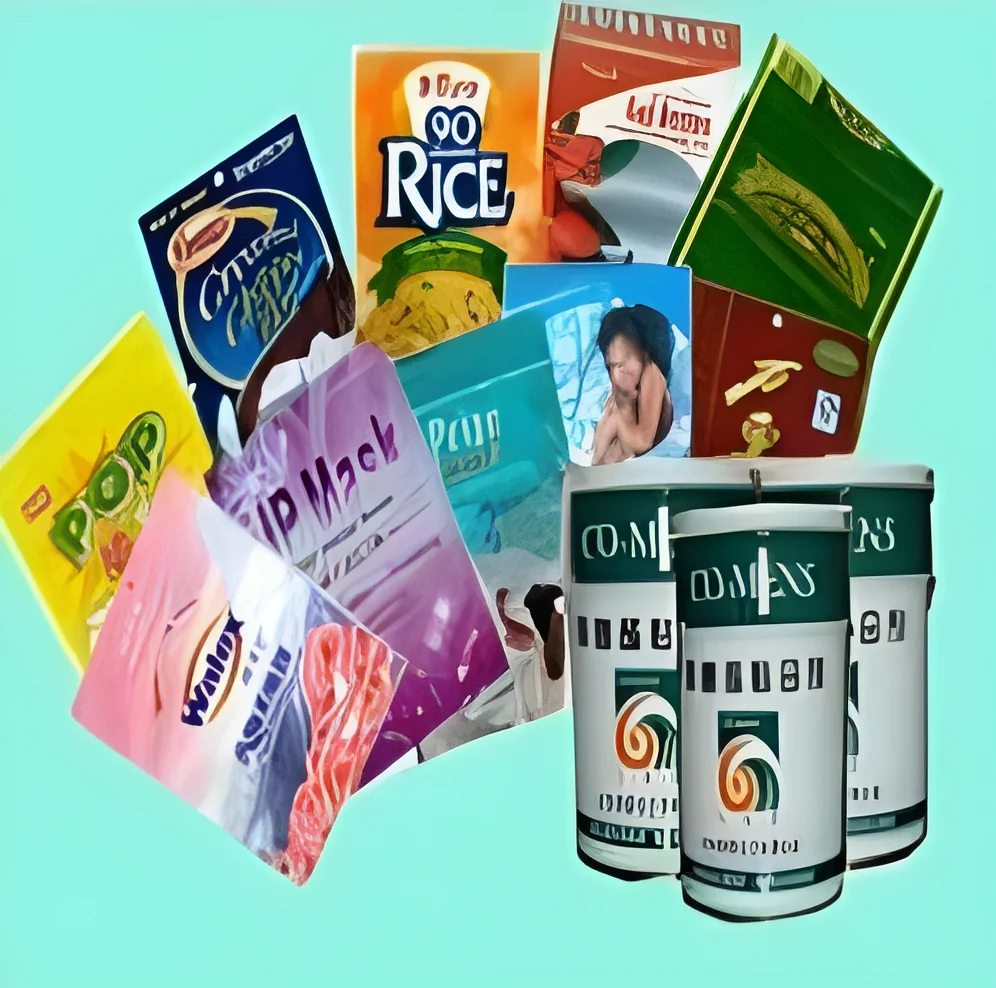
1. Food and Beverage: Packaging adhesives in this sector must comply with safety regulations to ensure that they do not contaminate food products. They are commonly used in sealing bags, cartons, and containers.
2. Pharmaceuticals: In the pharmaceutical industry, adhesives are critical for packaging that protects sensitive medications. They must adhere to strict compliance and safety standards.
3. Consumer Goods: Adhesives are used for packaging consumer products like personal care items and household goods. Effective bonding ensures product security during transit.
4. Electronics: In electronics, packaging adhesives protect delicate components from damage during shipping. They are engineered to provide a secure hold while being easy to remove.
5. Industrial Products: Packaging adhesives for industrial products often need to withstand harsh conditions, including chemicals and extreme temperatures.
6. E-commerce: With the rise of online shopping, packaging adhesives are essential for ensuring that products arrive safely and securely to customers.
7. Automotive: In the automotive sector, packaging adhesives help in packaging parts and components, ensuring they arrive intact for assembly.
Product Variants and Subcategories
Packaging adhesives come in various formulations to cater to specific needs.
Hot Melt Adhesives: These are thermoplastic adhesives that are melted and applied in liquid form. They provide strong bonds and quick setting times, making them ideal for high-speed production lines.
Water-based Adhesives: These adhesives use water as the solvent and are preferred for their lower environmental impact. They are commonly used in food packaging where safety is paramount.
Solvent-based Adhesives: These adhesives contain volatile organic compounds and are used for applications requiring strong initial tack and adhesion to various surfaces.
Pressure-sensitive Adhesives: These adhesives provide a strong bond upon contact and do not require heat or solvent activation. They are often used in labels and tapes.
Benefits and Advantages
Packaging adhesives offer numerous benefits that enhance the packaging process and product integrity.
1. Strong Bonding: They provide reliable adhesion that withstands handling and transportation, ensuring that packages remain sealed.
2. Versatility: These adhesives can bond a wide range of materials, making them suitable for diverse applications across various industries.
3. Quick Application: Many packaging adhesives are designed for fast setting, which improves production efficiency and reduces time to market.
4. Safety Compliance: Many formulations meet regulatory requirements, ensuring they are safe for use in food and medical applications.
5. Cost-effectiveness: High-performance adhesives can reduce material costs by minimizing waste and improving packaging efficiency.
6. Customization: Many suppliers offer formulations tailored to specific requirements, allowing businesses to optimize performance based on their unique needs.
Buying Guide for B2B Buyers
When sourcing packaging adhesives, businesses should consider several important factors to ensure they select the right product.
1. Quality Assessment: Evaluate the adhesive's performance characteristics, such as bond strength and durability. Look for third-party testing or certifications to validate quality.
2. Supplier Verification: Vet suppliers by checking their reputation, customer reviews, and track record in the industry. It's essential to partner with reliable manufacturers.
3. Pricing and MOQ: Understand the pricing structure and minimum order quantities (MOQs). This ensures that the chosen adhesive fits within budget constraints while meeting production needs.
4. Delivery and Lead Times: Assess the supplier's logistics capabilities to ensure timely delivery of adhesives. Factor in lead times when planning production schedules.
5. Compliance Requirements: Ensure that the adhesives meet industry-specific compliance standards, such as food safety regulations or environmental guidelines.
Compliance and Certifications
Packaging adhesives must adhere to various compliance regulations and certifications to ensure product safety and performance.
Quality standards such as ISO 9001 ensure that manufacturers maintain consistent quality in their production processes. These standards focus on quality management principles that enhance customer satisfaction and operational efficiency.
In addition to ISO standards, certifications like HACCP (Hazard Analysis Critical Control Point) are critical in food packaging. HACCP ensures that packaging adhesives do not introduce contaminants into food products, safeguarding consumer health.
Safety and testing requirements are also paramount. Packaging adhesives need to undergo rigorous testing to confirm their performance under various conditions, including exposure to moisture and temperature fluctuations.
Regional compliance considerations must not be overlooked. Different regions may have specific regulations governing the use of adhesives in packaging. It is crucial for manufacturers and suppliers to stay informed of these requirements to ensure compliance.
Why Source Packaging Adhesives from Pepagora?
Pepagora provides a trusted platform for sourcing packaging adhesives, offering a range of key advantages to B2B buyers.
Verified Supplier Network: Pepagora connects buyers with a network of verified suppliers. This ensures that businesses can source reliable adhesives from reputable manufacturers, minimizing risk.
Streamlined RFQ Process: The platform simplifies the request for quotation (RFQ) process, allowing buyers to easily compare prices and specifications from multiple suppliers. This efficiency saves time and resources.
Trade Assurance and Support: Buyers benefit from trade assurance, which offers protection throughout the purchasing process. This includes support in case of disputes or issues with product quality.
Regional Coverage: Pepagora has a strong presence in regions such as India, the GCC, and Southeast Asia. This geographical reach enables businesses to access a wide range of packaging adhesive options suitable for their local markets.

 IN
IN