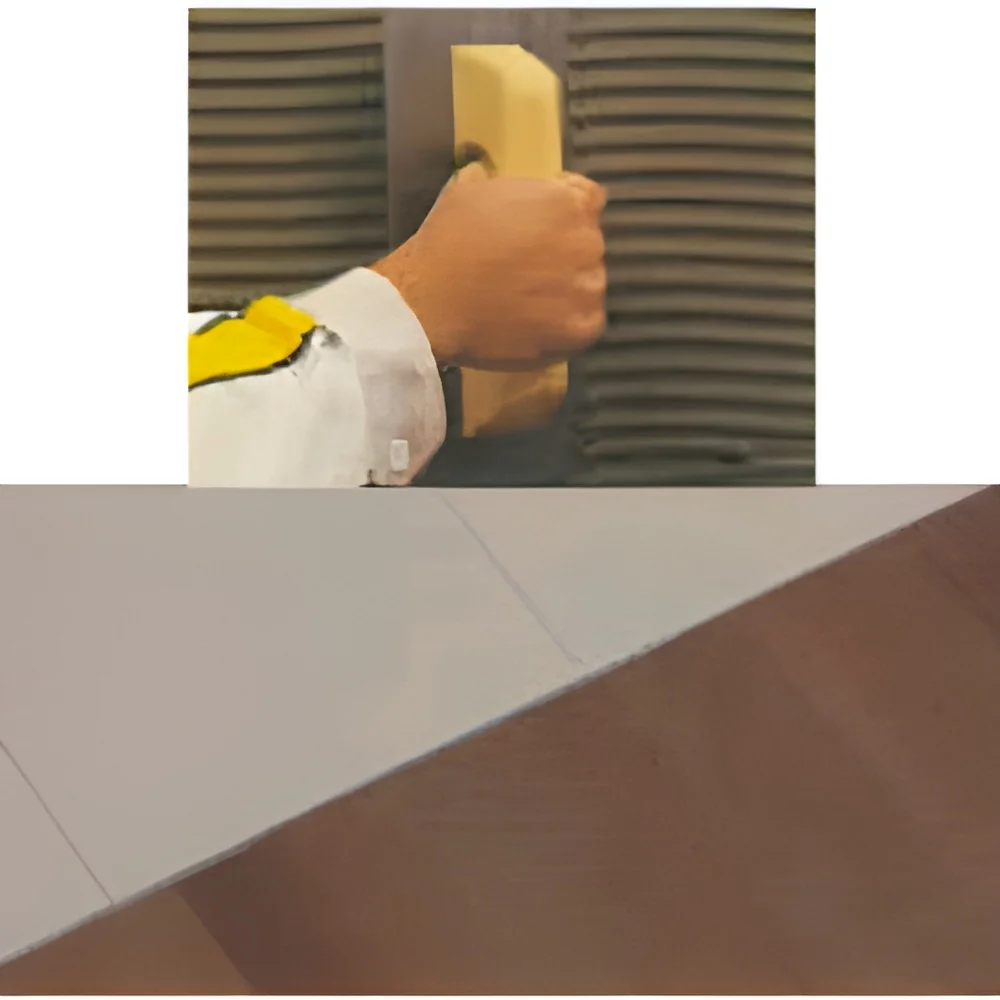
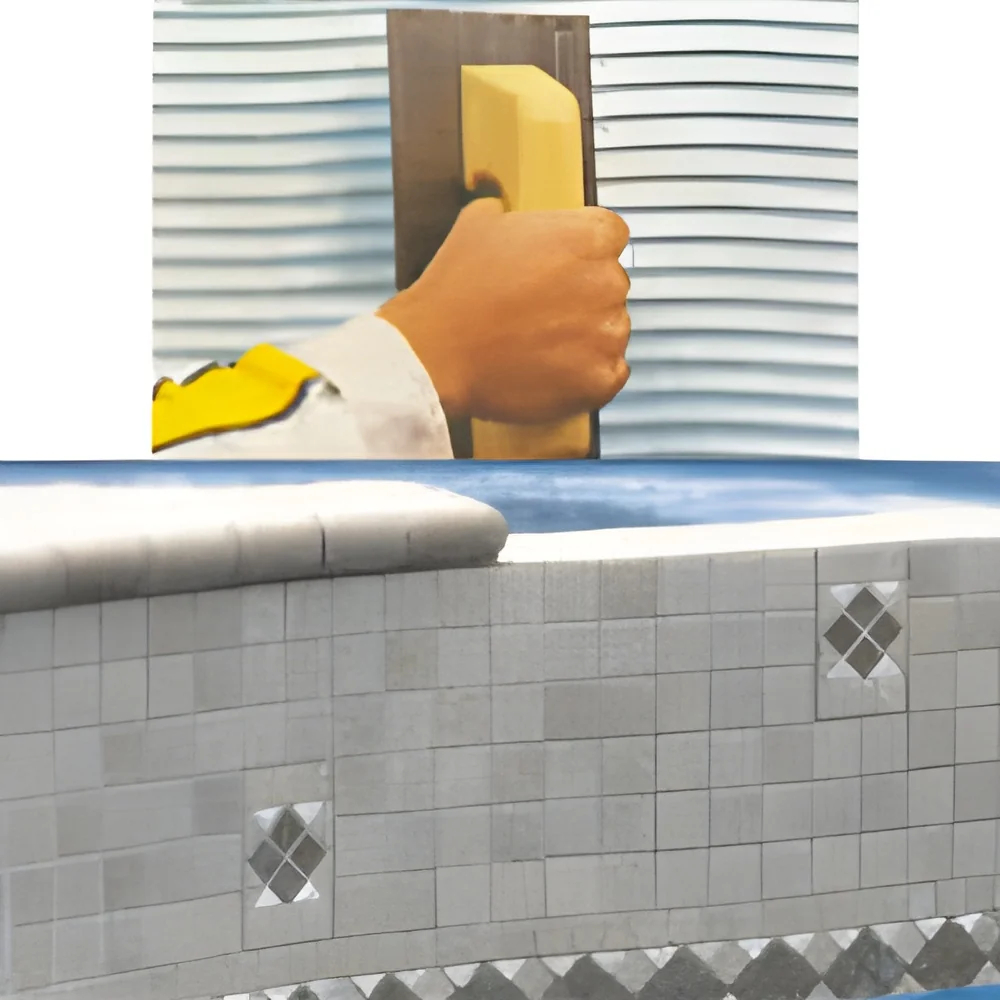
What are Tile Adhesives?
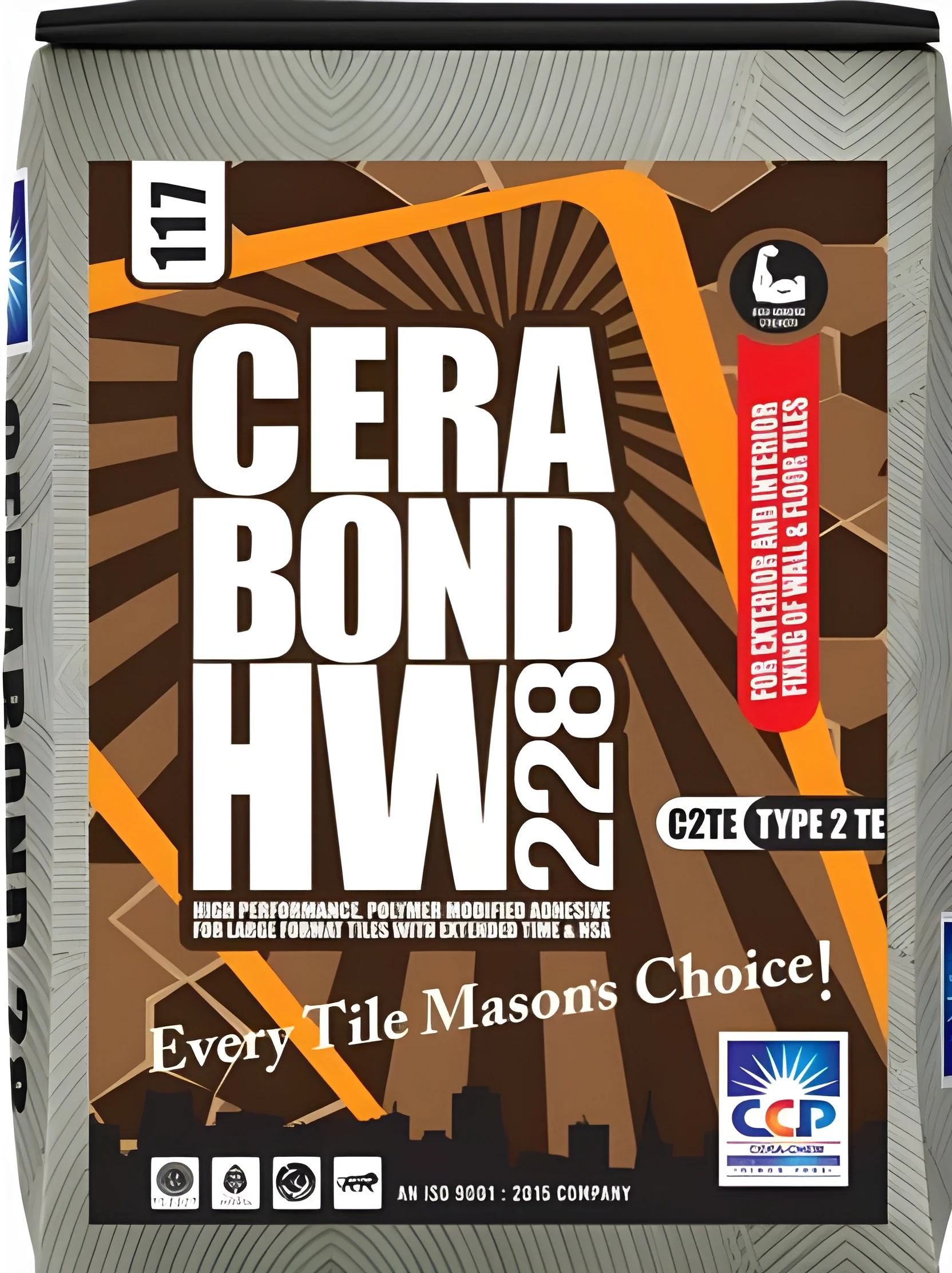
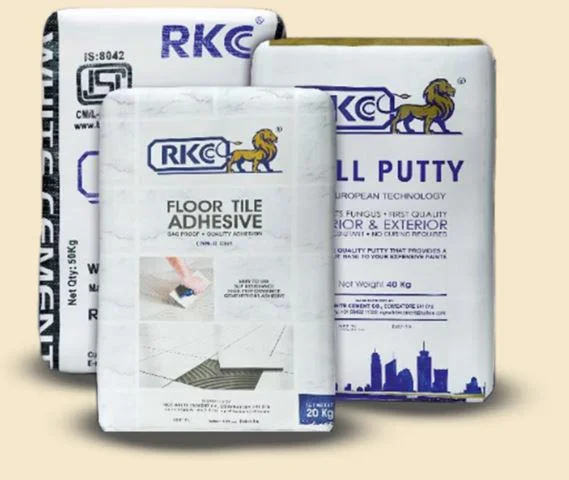
Tile adhesives are specialized polymer-based bonding agents used to attach tiles to various surfaces. They serve as a crucial component in flooring and wall applications, ensuring that tiles remain securely affixed over time. These adhesives are designed to provide strong adhesion, flexibility, and durability, accommodating the expansion and contraction of materials without compromising the bond.
Tile adhesives are primarily used in both residential and commercial construction projects. They are suitable for a variety of surfaces, including concrete, cement board, and drywall. Their versatility makes them an essential product in the construction industry, where they can be used for floor tiles, wall tiles, and even in wet areas like bathrooms. The demand for tile adhesives has been rising, driven by the growth in the construction sector and increasing trends in home renovation and improvement.
Key Features and Specifications
Tile adhesives come with a range of features and specifications that enhance their performance and suitability for different applications. Understanding these specifications can help buyers select the right product for their needs.
Key specifications include:
1. Adhesion Strength
- This specification indicates the amount of force required to pull the tile away from the substrate.
- Typically measured in shear strength values in psi or N/mm².
2. Flexibility
- Flexibility measures the adhesive's ability to withstand movement without cracking.
- Expressed as a percentage elongation before breaking.
3. Set Time
- The set time refers to how long it takes for the adhesive to become workable.
- This can range from 10 minutes to several hours based on the formulation.
4. Water Resistance
- This feature assesses the adhesive's performance in moist environments.
- Rated by its ability to maintain bond strength after exposure to water.
5. Temperature Resistance
- This specification indicates how well the adhesive withstands temperature changes.
- Often rated for both high and low temperature thresholds.
6. Open Time
- Open time is the period during which the adhesive remains workable after application.
- This can vary significantly based on environmental conditions.
7. Coverage Area
- Indicates the square footage that can be covered per unit of adhesive.
- Typically expressed in square feet per gallon or kilogram.
8. Cure Time
- Cure time is the period required for the adhesive to fully set and achieve maximum strength.
- Usually ranges from 24 hours to several days.
These specifications ensure that tile adhesives meet industry standards and customer expectations.
Common Applications and Use Cases
Tile adhesives are utilized across various industries, showcasing their versatility and importance.
1. Construction: Tile adhesives are fundamental in residential and commercial construction projects, providing strong bonds for floor and wall tiles in various settings.
2. Renovation: In renovation projects, these adhesives are essential for replacing old tiles. They ensure that new tiles adhere securely to existing surfaces.
3. Hospitality: In hotels and restaurants, tile adhesives are used for aesthetic flooring and wall designs, enabling the use of various tile materials.
4. Healthcare: Hospitals and clinics utilize tile adhesives for hygienic and durable flooring solutions that can withstand heavy foot traffic and cleaning.
5. Retail: Retail spaces use tile adhesives for attractive and functional flooring that enhances the shopping experience while ensuring long-lasting performance.
6. Industrial: Manufacturing facilities rely on tile adhesives for durable flooring solutions that can handle heavy machinery and equipment.
7. Outdoor Applications: Certain tile adhesives are formulated for outdoor use, ensuring tiles remain intact despite varying weather conditions.
Product Variants and Subcategories
Tile adhesives come in several variants, each tailored to specific applications and environments.
Cement-based Adhesives: These are traditional tile adhesives that offer excellent bonding properties and are suitable for both indoor and outdoor applications. They are ideal for heavy-duty environments, including commercial spaces.
Thin-set Mortars: Designed for thin applications, these adhesives are perfect for ceramic and porcelain tiles. They provide strong adhesion while maintaining a low profile.
Modified Thin-set Adhesives: These adhesives include additives that enhance their properties, such as improved flexibility and water resistance. They are suitable for a variety of substrates.
Rapid-set Adhesives: These variants are designed for quick installations, allowing for faster project completion. They are ideal for contractors who need to minimize downtime.
Benefits and Advantages
Tile adhesives offer numerous benefits that make them essential in construction and renovation projects.
1. Strong Bonding: Tile adhesives provide a secure bond that prevents tiles from loosening over time, ensuring longevity.
2. Versatility: These adhesives can be used on various substrates, making them suitable for different applications across multiple industries.
3. Flexibility: The flexibility of tile adhesives allows them to accommodate movement and temperature variations, reducing the risk of cracking.
4. Water Resistance: Many tile adhesives are designed to resist moisture, making them suitable for wet environments like bathrooms and kitchens.
5. Ease of Use: Tile adhesives are user-friendly, with straightforward application processes that save time and effort for contractors.
6. Cost-Effectiveness: By ensuring a strong bond and reducing tile replacement needs, tile adhesives can lead to long-term savings.
Buying Guide for B2B Buyers
When sourcing tile adhesives, several factors should be considered to ensure the best choice for your project needs.
1. Quality Assessment: Evaluate the quality of tile adhesives by reviewing technical data sheets and performance ratings. Look for products that have passed relevant industry tests.
2. Supplier Verification: Vet suppliers to ensure they have a reputation for reliability and quality. Check for certifications and customer reviews to gauge their track record.
3. Pricing and MOQ: Consider the pricing structures and minimum order quantities (MOQ) offered by suppliers. Ensure that the pricing aligns with your budget and project scale.
4. Delivery and Lead Times: Discuss delivery schedules and lead times with suppliers. Timely delivery is crucial to keep your projects on track.
5. Compliance Requirements: Ensure that the tile adhesives meet local regulations and industry standards. This includes checking for certifications like CE and adherence to safety requirements.
Compliance and Certifications
Tile adhesives must comply with various quality standards and certifications to ensure their safety and effectiveness. Common quality standards include ISO 9001, which focuses on quality management systems, and HACCP, which addresses safety in production processes. These standards ensure that manufacturers uphold high-quality practices throughout production.
Industry certifications, such as CE marking, indicate that tile adhesives meet European safety and environmental requirements. This certification is crucial for products sold in the European market.
Additionally, safety and testing requirements are essential to verify the performance of tile adhesives under different conditions. Compliance with regional regulations ensures that products are safe for use in specific environments. Awareness of these compliance requirements is vital for B2B buyers to avoid potential legal and safety issues.
Why Source Tile Adhesives from Pepagora?
Pepagora stands out as a trusted platform for sourcing tile adhesives, offering several key advantages to B2B buyers.
Verified Supplier Network: Pepagora connects buyers with a network of verified suppliers, ensuring that only reputable manufacturers are represented. This helps buyers make informed decisions and minimizes risks associated with unreliable suppliers.
Streamlined RFQ Process: The platform features a streamlined Request for Quotation (RFQ) process, allowing buyers to efficiently compare prices and specifications from multiple suppliers. This saves time and enhances decision-making.
Trade Assurance and Support: Pepagora provides trade assurance, offering buyer protection and support throughout the purchasing process. This ensures that buyers receive quality products and services, fostering trust in their transactions.
Regional Coverage: With a strong presence in India, the GCC, and Southeast Asia, Pepagora offers extensive regional coverage. This allows buyers to source tile adhesives that meet local market needs while benefiting from competitive pricing and logistics support.

 IN
IN