What are Woodworking Adhesives?
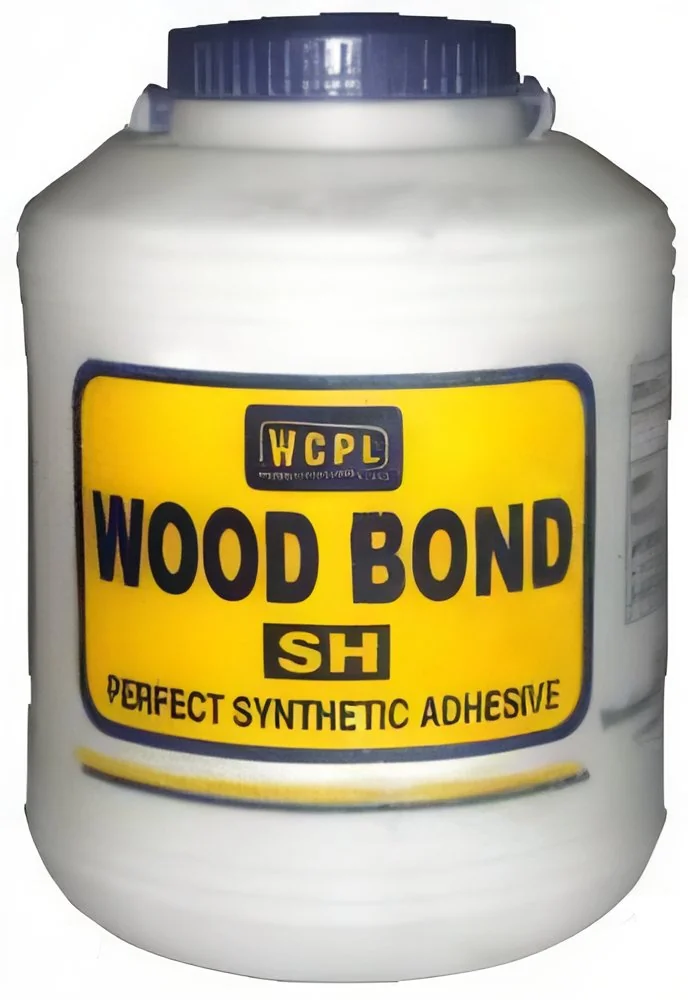
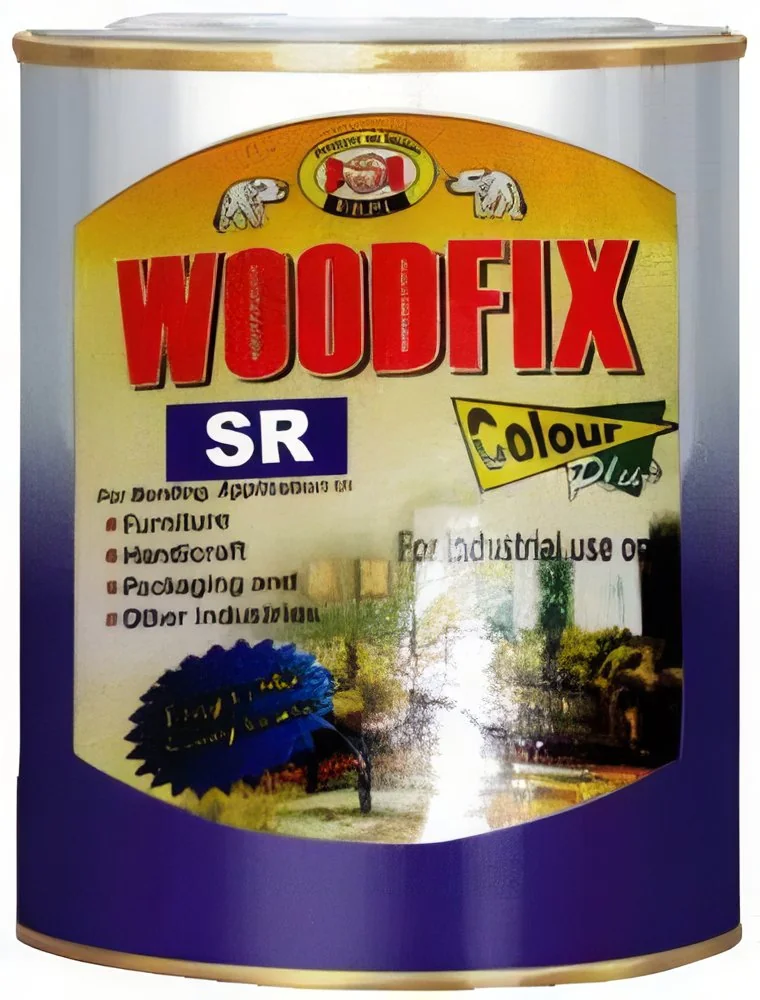
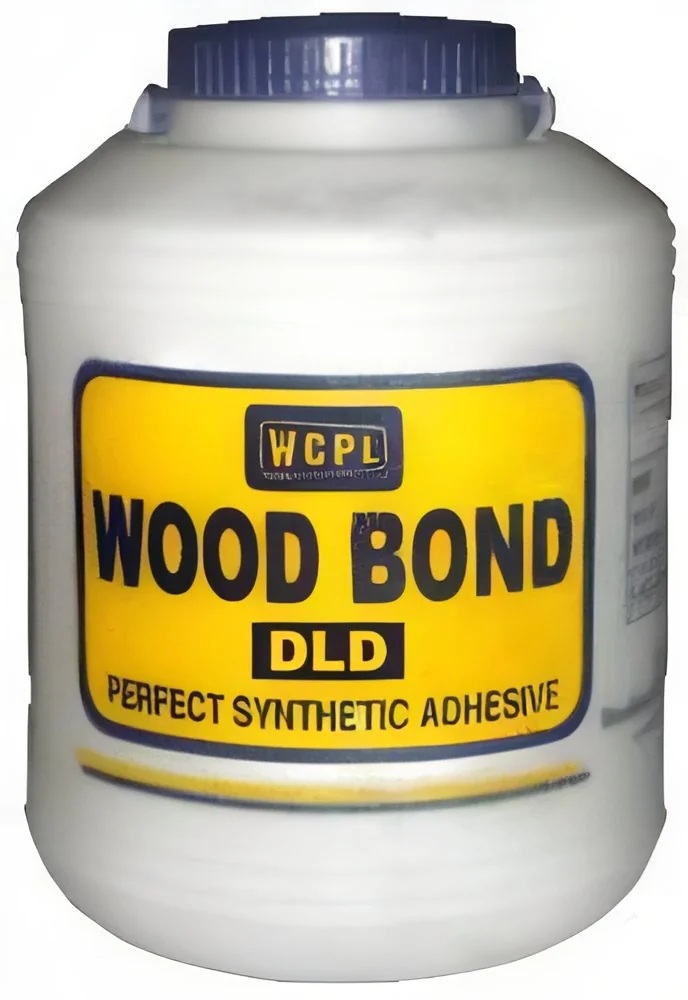
Woodworking adhesives are specialized bonding agents designed to join wood materials securely. They provide a strong hold that can withstand various stresses and environmental factors. These adhesives come in different formulations, including water-based, solvent-based, and polyurethane options, catering to a broad range of applications within the woodworking industry.
The primary uses of woodworking adhesives include assembling furniture, cabinetry, and structural components. They play a crucial role in ensuring durability and longevity in products made from wood. Businesses in sectors such as furniture manufacturing, construction, and carpentry heavily rely on these adhesives to enhance product performance and quality. The woodworking adhesive market is significant, driven by the increasing demand for high-quality furniture and construction materials globally.
Key Features and Specifications
Woodworking adhesives are characterized by several key features that determine their applicability and performance. Understanding these specifications is vital for selecting the right adhesive for specific projects.
Key specifications include:
1. Bond Strength
- This refers to the adhesive's ability to hold materials together under stress.
- Measured in pounds per square inch (psi), typical values range from 1,500 psi to over 4,000 psi depending on the formulation.
2. Cure Time
- This is the time required for the adhesive to set and develop full strength.
- Varies from immediate bonding (minutes) to longer curing times (24 hours or more).
3. Temperature Resistance
- Indicates the adhesive’s ability to endure varying temperatures without losing bond strength.
- Common ranges include from -20°F to 200°F.
4. Water Resistance
- This specification defines how well the adhesive performs in humid or wet conditions.
- Options include water-resistant and waterproof formulations.
5. Viscosity
- Refers to the thickness of the adhesive, affecting ease of application.
- Measured in centipoise (cP), typical viscosities range from 100 cP to 1,500 cP.
6. Application Method
- Specifies how the adhesive can be applied, such as brush, roller, or spray.
- Different methods offer convenience and efficiency based on project requirements.
7. Shelf Life
- Indicates how long the adhesive remains effective before it needs to be replaced.
- Generally ranges from 6 months to 2 years if stored properly.
8. Toxicity and Safety
- Important for ensuring safe use and compliance with health regulations.
- Many adhesives are now formulated to be low-VOC or VOC-free.
In summary, understanding these specifications helps businesses select the most suitable woodworking adhesives for their projects, ensuring optimal performance.
Common Applications and Use Cases
Woodworking adhesives find extensive use across various industries, each with specific applications that leverage their bonding capabilities.
1. Furniture Manufacturing: Woodworking adhesives are crucial in assembling different parts of furniture, ensuring durability and structural integrity in products like chairs, tables, and cabinets.
2. Cabinetry: In cabinetry, these adhesives are employed to bond panels and frames, providing a strong hold that enhances the overall quality and lifespan of kitchen and bathroom fixtures.
3. Construction: Adhesives are used in constructing wooden structures, such as beams and trusses, where they provide additional support and stability.
4. Musical Instruments: Woodworking adhesives are critical in the assembly of musical instruments, contributing to sound quality and resonance in products like guitars and pianos.
5. Flooring: In flooring applications, these adhesives securely bond wooden planks or engineered flooring, ensuring they remain in place under varying conditions.
6. Arts and Crafts: Woodworking adhesives are popular in DIY projects and crafts, allowing hobbyists to create intricate wooden items with reliable bonds.
7. Wood Composites: These adhesives are essential in manufacturing engineered wood products, such as plywood and particleboard, where they enhance strength and durability.
Product Variants and Subcategories
Woodworking adhesives come in various formulations, each designed for specific applications and performance needs.
PVA Adhesives
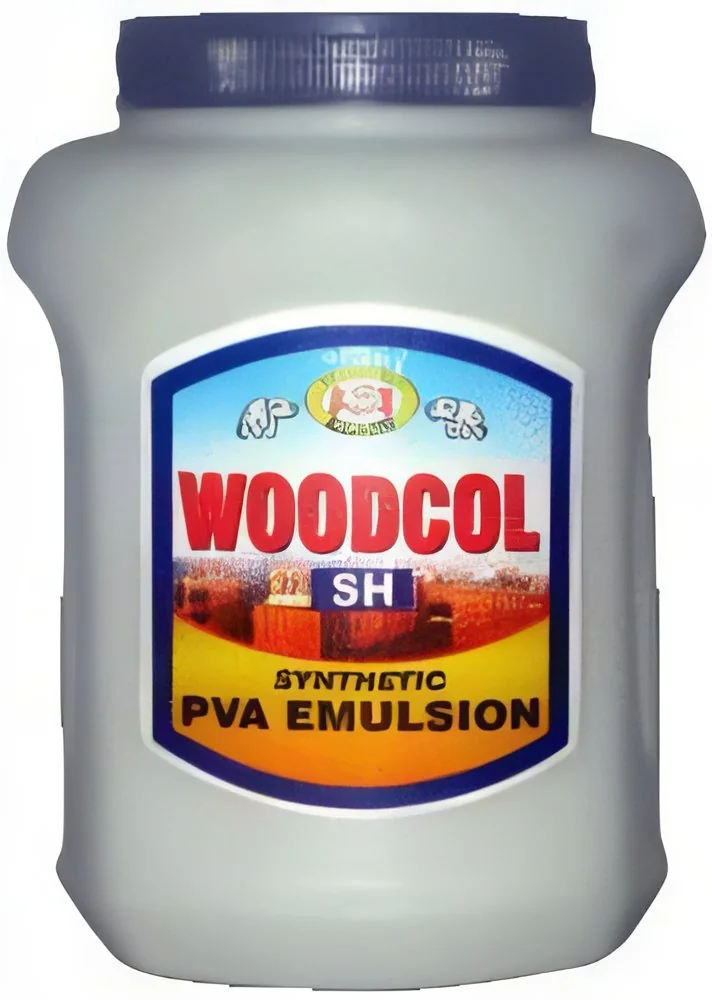
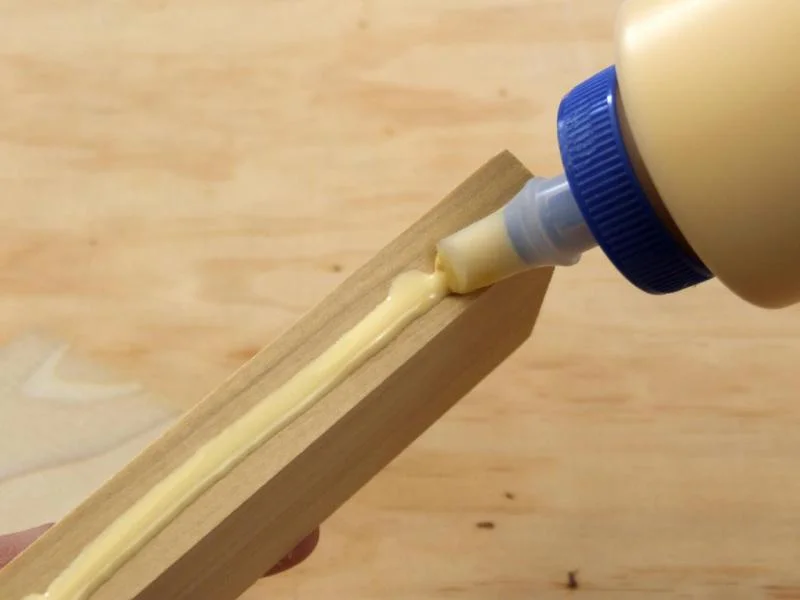
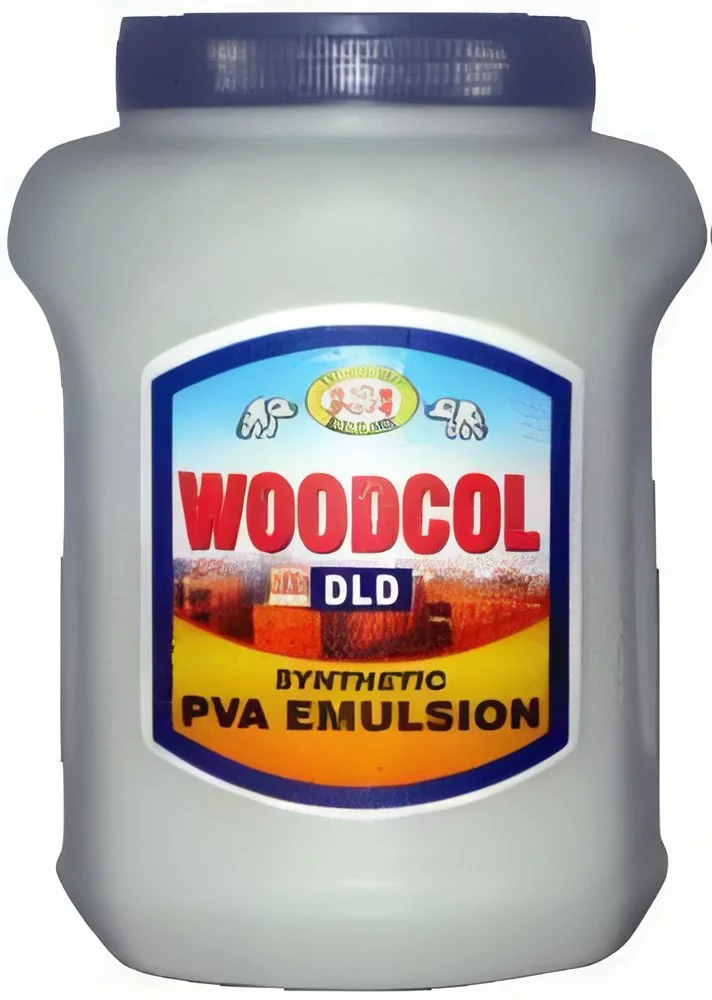
PVA (Polyvinyl Acetate) adhesives are widely used in woodworking due to their strong bond and ease of use. They are water-based, making them easy to clean and suitable for indoor applications. These adhesives dry clear and are ideal for furniture and cabinet assembly.
Polyurethane Adhesives
Polyurethane adhesives offer exceptional bond strength and water resistance. They are versatile and can bond a variety of materials, including wood, metal, and plastic. These adhesives are ideal for outdoor applications and projects that require a durable hold.
Epoxy Adhesives
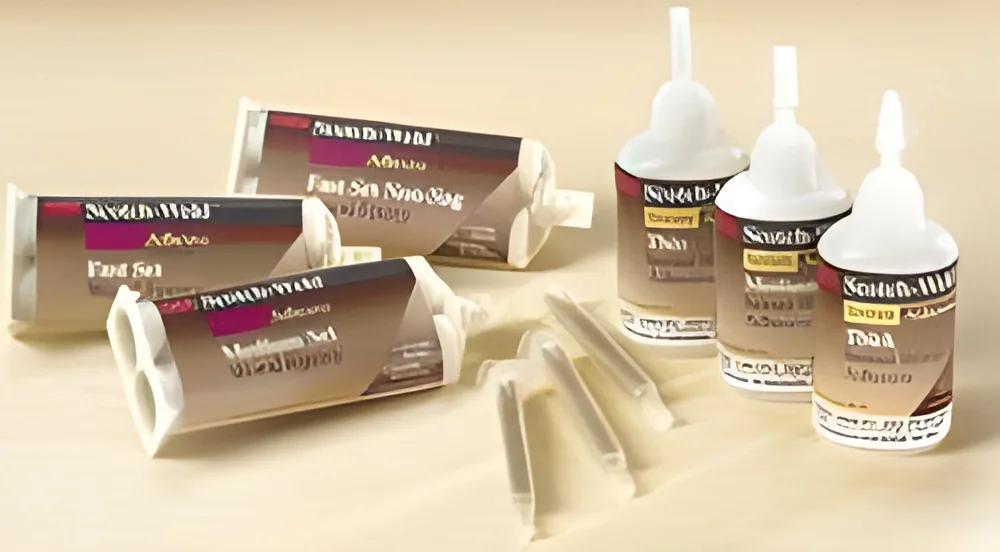
Epoxy adhesives are known for their strong bonding capabilities and are often used in high-stress applications. They cure at room temperature and provide excellent resistance to heat and chemicals. Epoxy is suitable for both structural and decorative woodworking projects.
Hot Melt Adhesives
Hot melt adhesives are thermoplastic adhesives that are applied in a molten state. They set quickly and are ideal for high-speed production environments, such as furniture manufacturing and packaging.
Benefits and Advantages
Choosing the right woodworking adhesives can provide numerous benefits to businesses in the woodworking industry.
Key benefits include:
1. Strong Bonding: Woodworking adhesives create durable bonds that enhance the structural integrity of products, ensuring they withstand use over time.
2. Versatility: These adhesives can bond various types of wood and other materials, making them suitable for a wide range of applications.
3. Easy Application: Many woodworking adhesives feature user-friendly application methods, allowing for efficient use in manufacturing processes.
4. Cost-Effective: Utilizing high-quality adhesives can reduce the need for mechanical fasteners, saving costs while maintaining product quality.
5. Environmental Considerations: Many modern adhesives are formulated to be low-VOC or environmentally friendly, aligning with sustainability goals.
6. Enhanced Aesthetics: Clear-drying adhesives ensure that the finish of the wood remains visually appealing, without unsightly glue lines.
Buying Guide for B2B Buyers
When sourcing woodworking adhesives, it is essential to consider several key factors to ensure the best choice for your business needs.
1. Quality Assessment: Evaluate the adhesive's performance characteristics, including bond strength and cure time. It's crucial to choose products that meet industry standards for quality and durability.
2. Supplier Verification: Vet suppliers to ensure they provide reliable and high-quality adhesives. Look for certifications and customer reviews to gauge their reputation in the market.
3. Pricing and MOQ: Understand the pricing structure and minimum order quantities (MOQ) required by suppliers. This information is vital for budgeting and inventory management.
4. Delivery and Lead Times: Consider logistics and delivery schedules. Ensure that the supplier can meet your timelines to avoid project delays.
5. Compliance Requirements: Be aware of regulatory standards relevant to adhesives in your region. Compliance with safety, health, and environmental regulations is crucial for legal and operational success.
Compliance and Certifications
Woodworking adhesives must adhere to various compliance and certification standards to ensure safety and quality in their applications.
Relevant quality standards include ISO 9001, which establishes criteria for quality management systems. This certification ensures that the manufacturing processes meet consistent quality benchmarks.
Additionally, HACCP (Hazard Analysis and Critical Control Points) is a systematic preventive approach to food safety that can apply if woodworking adhesives are used in food-related applications.
CE certification indicates that the product meets European health, safety, and environmental protection standards. This is particularly important for businesses operating in or exporting to Europe.
Safety and testing requirements often involve assessments for toxicity and environmental impact. Manufacturers may also need to provide data sheets that detail these factors.
Regional compliance considerations vary significantly across countries, making it essential for businesses to stay informed about local regulations regarding adhesive use.
Why Source Woodworking Adhesives from Pepagora?
Pepagora provides a trusted platform for sourcing woodworking adhesives, offering several key advantages that benefit B2B buyers.
Verified Supplier Network: Pepagora connects buyers with a network of verified suppliers, ensuring that businesses can source high-quality woodworking adhesives confidently. This network has been vetted for quality and reliability, reducing the risk for buyers.
Streamlined RFQ Process: The platform features an efficient request-for-quotation (RFQ) process that allows buyers to receive competitive quotes from multiple suppliers quickly. This saves time and helps businesses make informed purchasing decisions.
Trade Assurance and Support: Pepagora offers trade assurance, providing buyers with protection and support throughout the purchasing process. This ensures that businesses can source adhesives with confidence and security.
Regional Coverage: With a strong presence in India, the GCC region, and Southeast Asia, Pepagora offers geographic coverage that allows businesses to access woodworking adhesives in their respective markets easily. This regional reach ensures timely delivery and support for all buyers.

 IN
IN