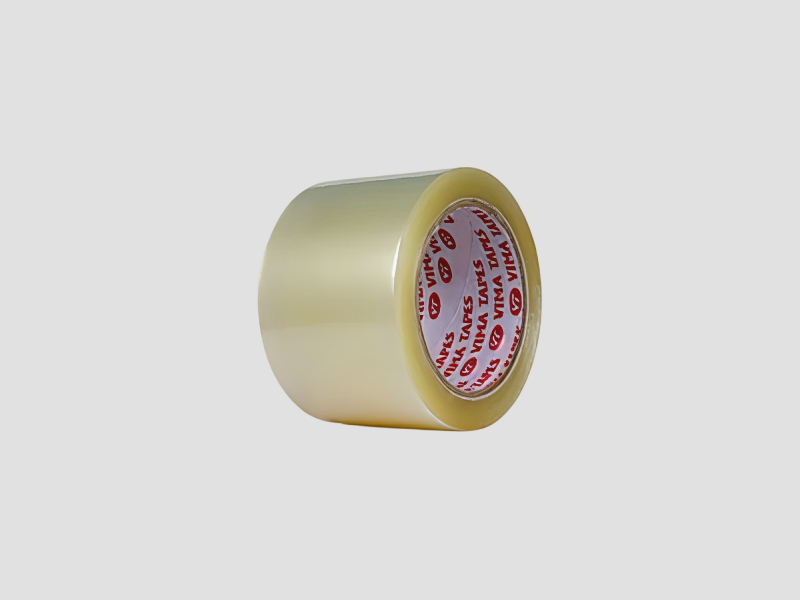
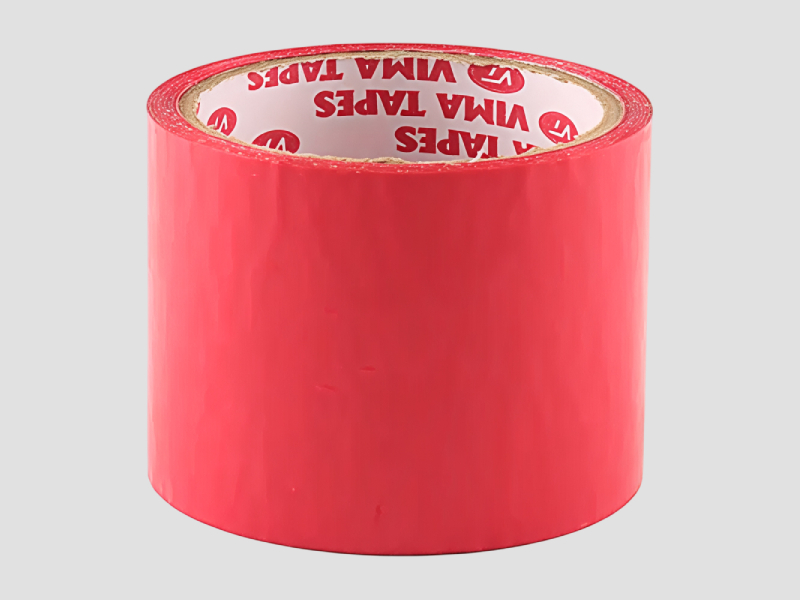
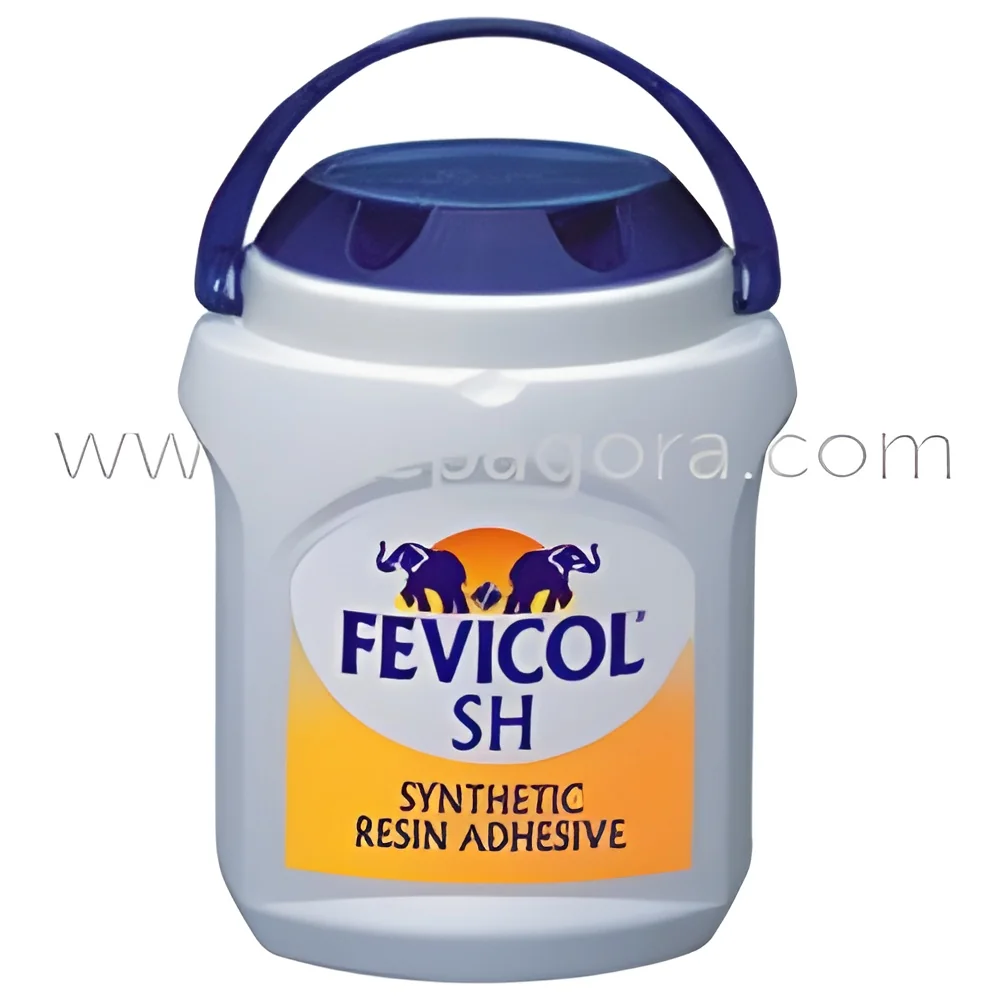
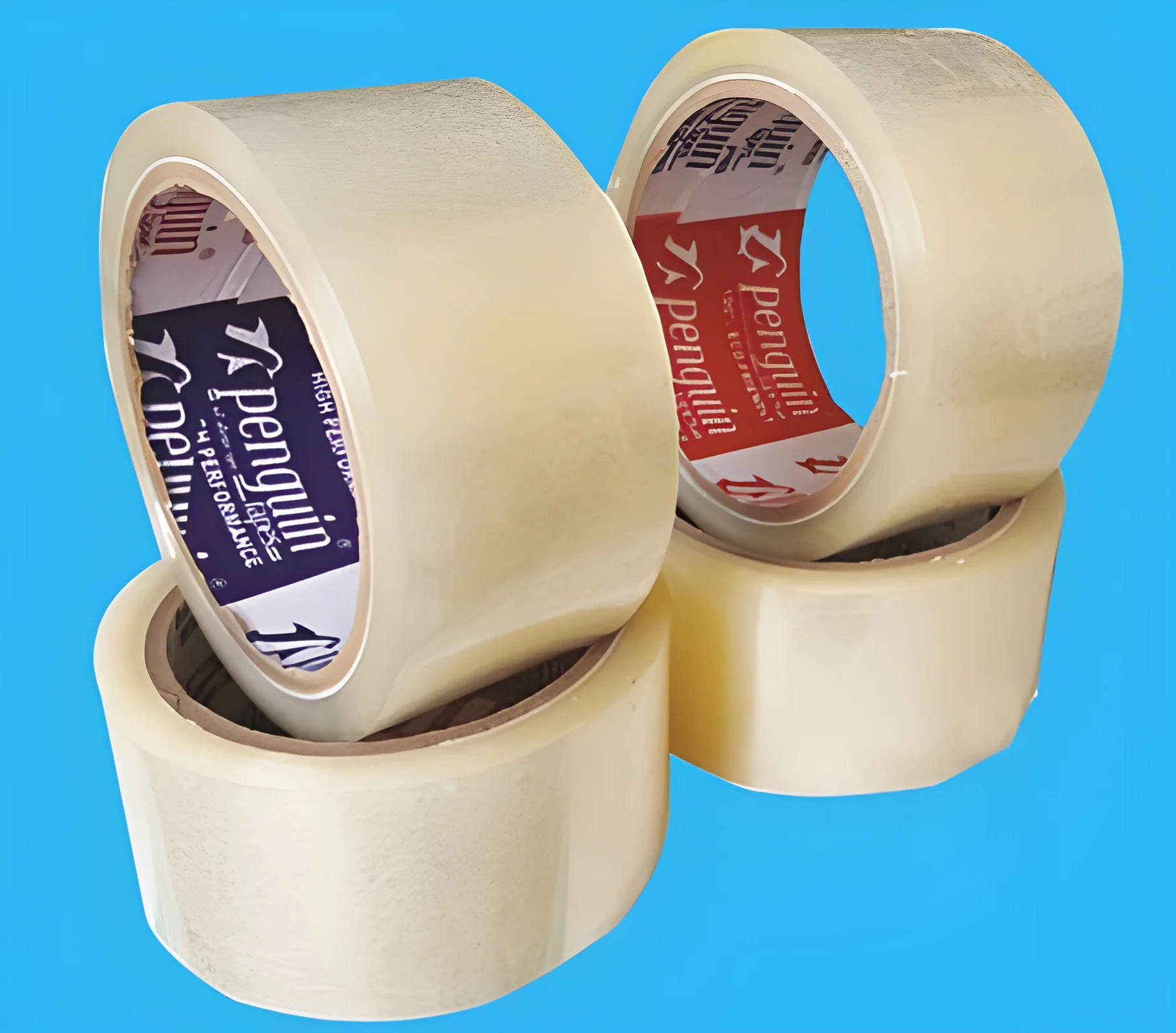
𝗪𝗵𝗮𝘁 𝗮𝗿𝗲 𝗔𝗱𝗵𝗲𝘀𝗶𝘃𝗲𝘀 & 𝗦𝗲𝗮𝗹𝗮𝗻𝘁𝘀?
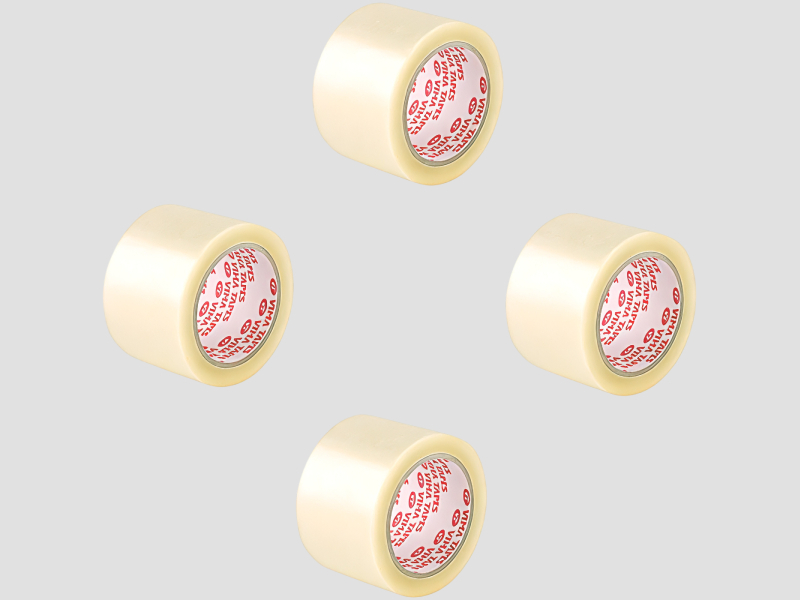
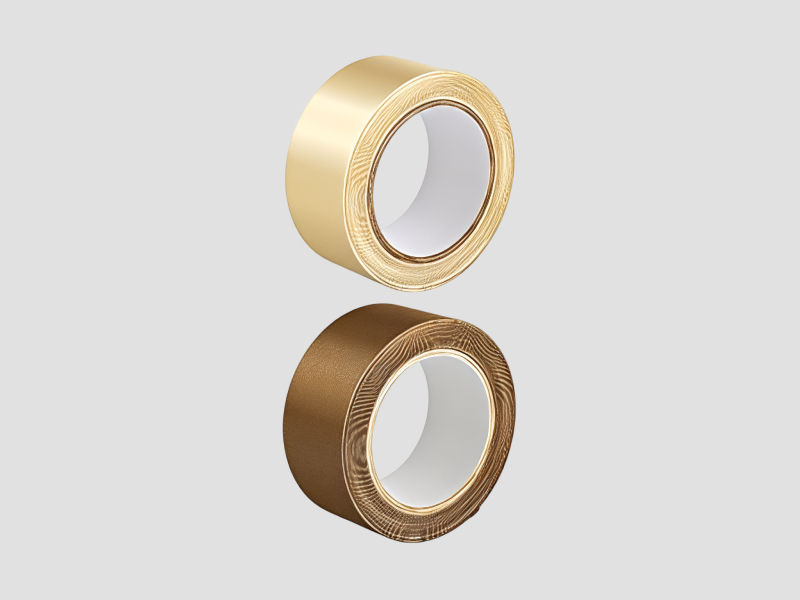
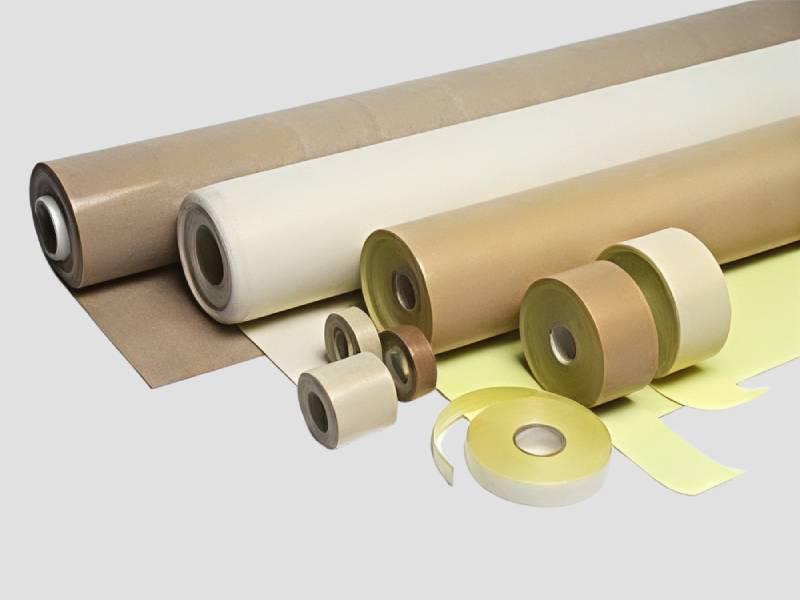
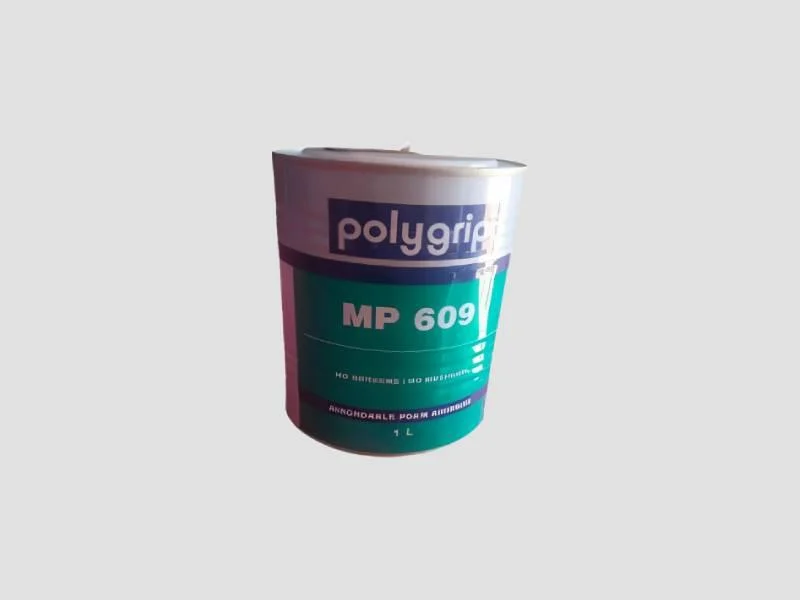
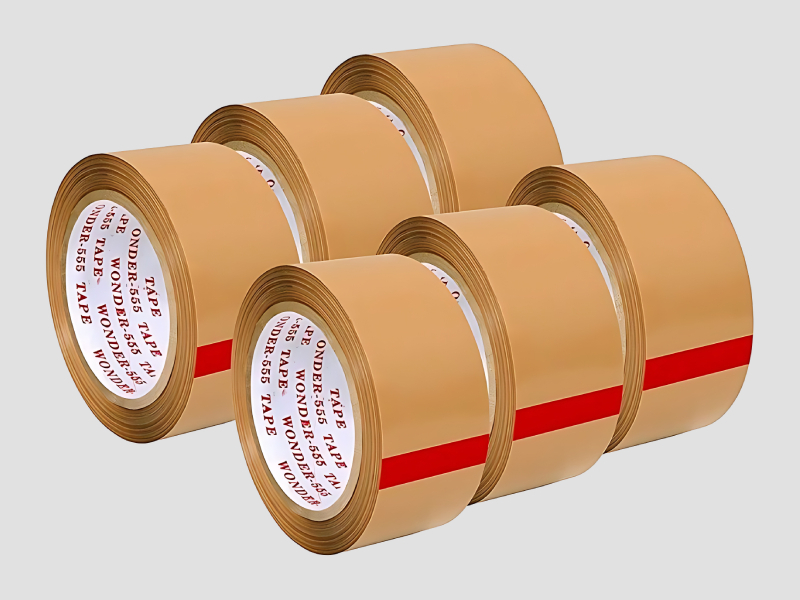
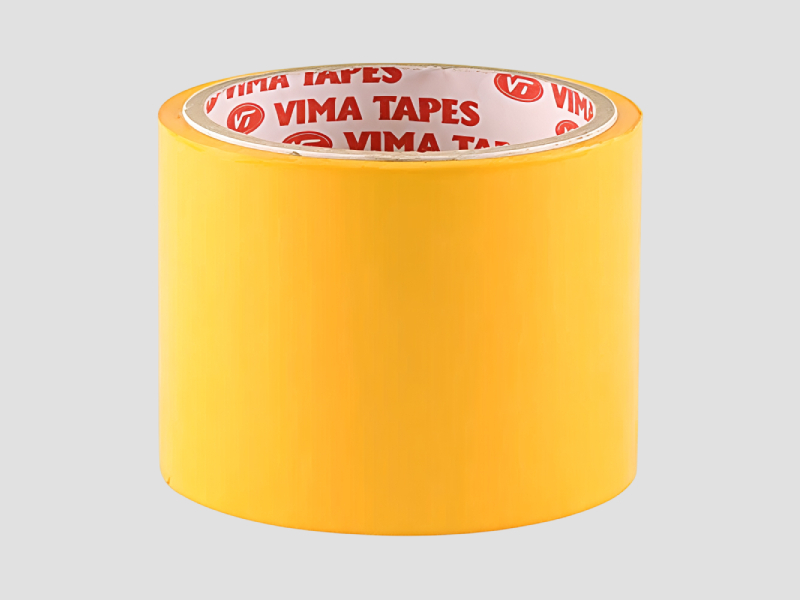
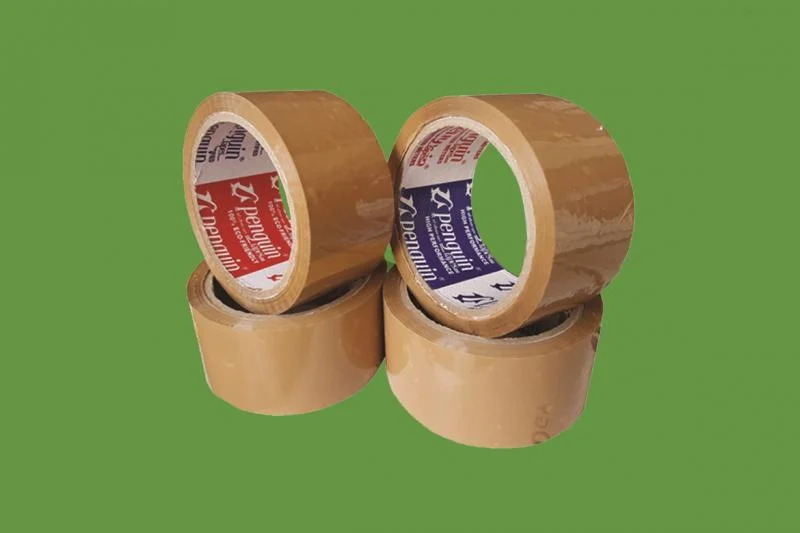
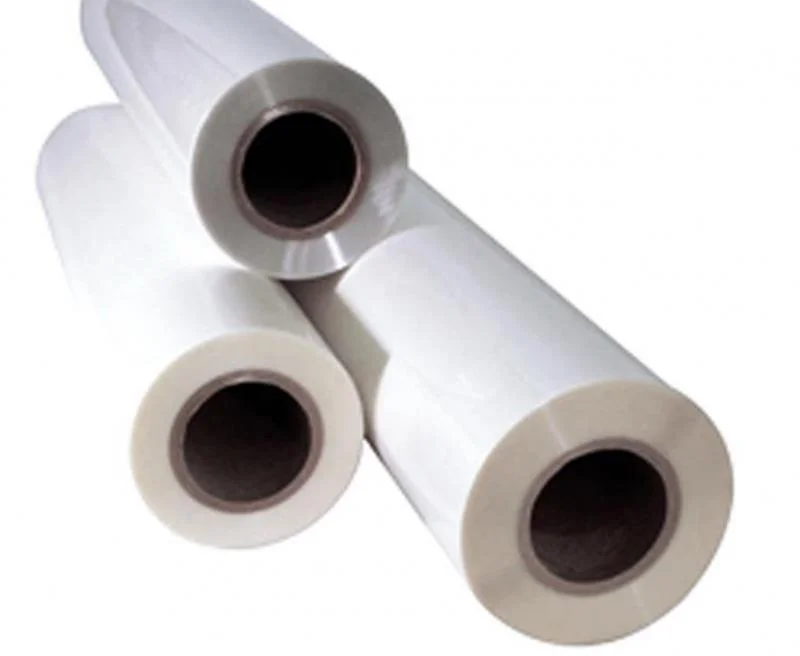
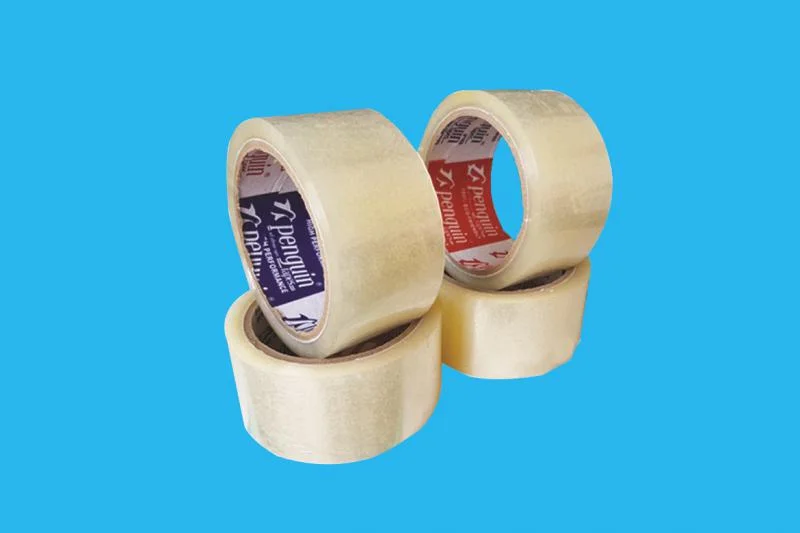
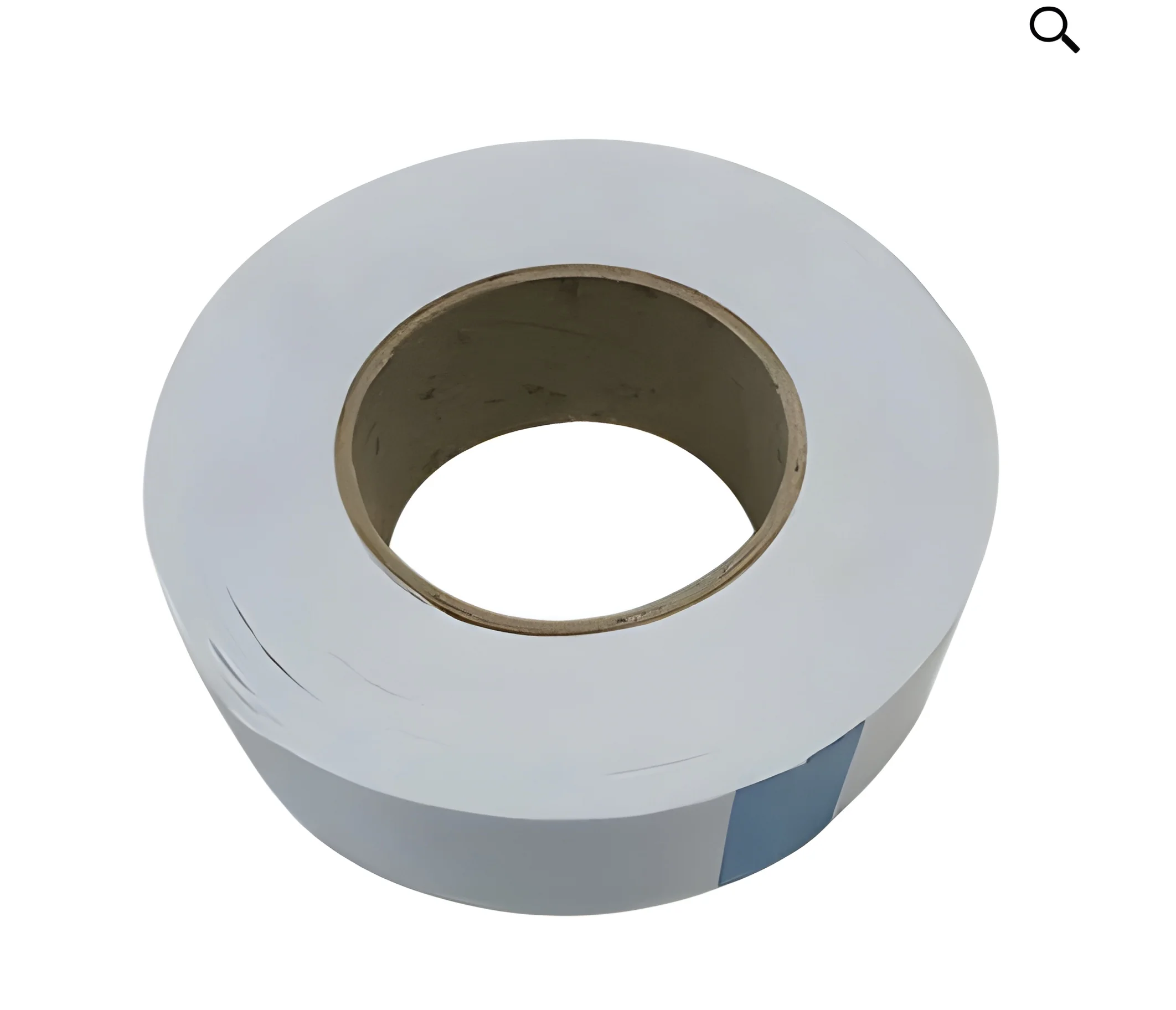
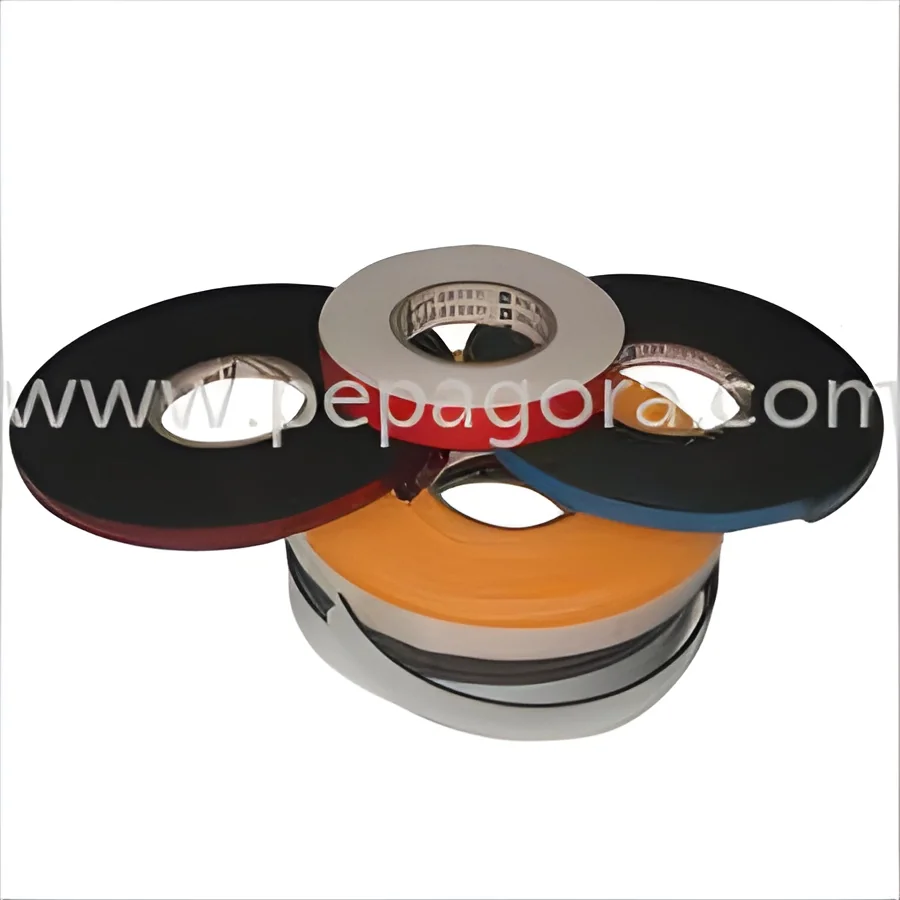
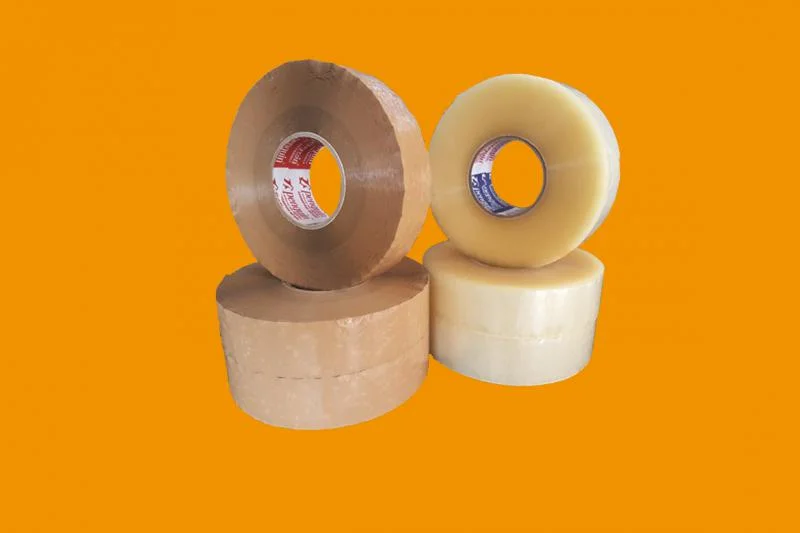
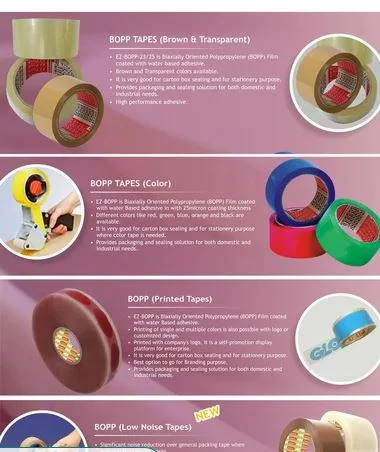
Adhesives and sealants are essential materials used to bond surfaces together or to prevent the passage of fluids and gases. Adhesives primarily focus on creating a strong bond between two surfaces, whereas sealants are designed to fill gaps and voids to protect against environmental factors such as moisture, air, and dust. Both products play a crucial role in various manufacturing and construction processes, ensuring structural integrity and enhancing product performance.
These materials are widely utilized across multiple industries, including construction, automotive, aerospace, and electronics. In construction, adhesives and sealants are used for bonding tiles, windows, and doors, while in automotive applications, they secure components and improve aerodynamics. The growing demand for durable and efficient construction and manufacturing processes has led to an increased reliance on advanced adhesives and sealants, making them vital in today's industrial landscape.
As industries evolve and technology advances, the market for adhesives and sealants continues to expand. With innovations in formulation and application methods, these products are becoming more versatile and efficient. Businesses are increasingly prioritizing high-performance solutions that not only meet their specific needs but also comply with environmental and safety regulations.
𝗞𝗲𝘆 𝗙𝗲𝗮𝘁𝘂𝗿𝗲𝘀 𝗮𝗻𝗱 𝗦𝗽𝗲𝗰𝗶𝗳𝗶𝗰𝗮𝘁𝗶𝗼𝗻𝘀
Adhesives and sealants come with a variety of features that cater to different industrial needs. Understanding these specifications is crucial for selecting the right product for specific applications.
Key specifications include:
1. Bonding Strength
- Measures the ability of an adhesive to hold materials together.
- High-performance adhesives can reach bonding strengths of over 3000 psi.
2. Curing Time
- The duration it takes for the adhesive or sealant to fully set.
- Curing times can range from a few minutes to several hours depending on the formulation.
3. Temperature Resistance
- Indicates the range of temperatures the product can withstand without losing effectiveness.
- Many adhesives maintain their properties from -40°F to 200°F.
4. Viscosity
- Describes the thickness or flow characteristics of the adhesive or sealant.
- Viscosity levels can vary widely, affecting application methods.
5. Chemical Resistance
- Defines the product's ability to withstand exposure to various chemicals.
- Certain formulations are resistant to solvents, acids, and bases.
6. Flexibility
- The extent to which the adhesive or sealant can stretch without breaking.
- Flexible products are ideal for applications that may experience movement.
7. Weather Resistance
- The ability to endure environmental conditions such as UV exposure and moisture.
- Weather-resistant sealants are essential for outdoor applications.
8. Application Method
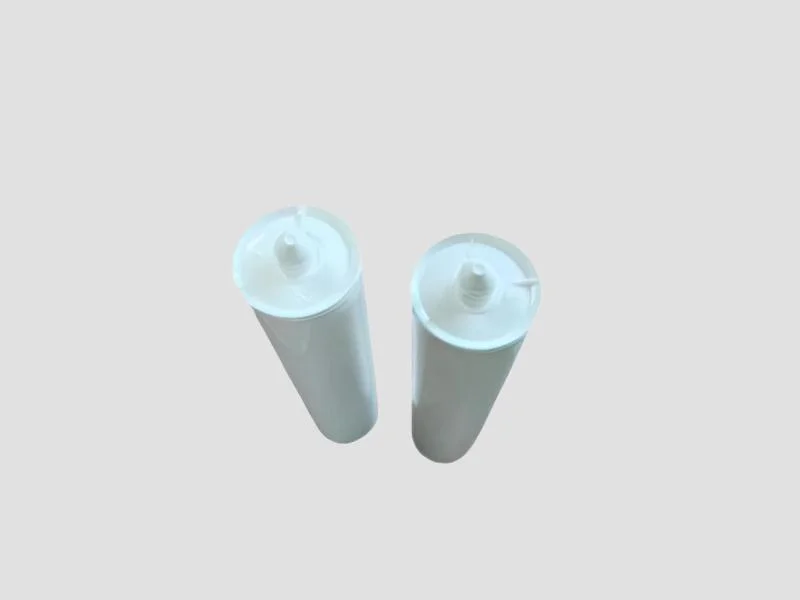
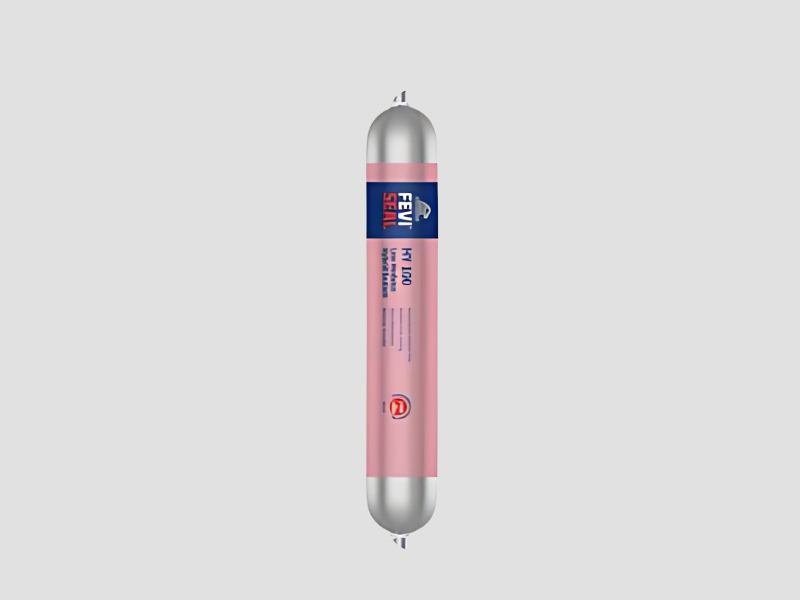
- Describes how the adhesive or sealant is applied, including options like spray, brush, or cartridge.
- The method can impact the ease of use and effectiveness.
In summary, the selection of adhesives and sealants should be guided by their key features and specifications, which dictate their performance in various applications.
𝗖𝗼𝗺𝗺𝗼𝗻 𝗔𝗽𝗽𝗹𝗶𝗰𝗮𝘁𝗶𝗼𝗻𝘀 𝗮𝗻𝗱 𝗨𝘀𝗲 𝗖𝗮𝘀𝗲𝘀
Adhesives and sealants are utilized across a broad spectrum of industries and applications.
1. Construction: Adhesives are used for bonding materials like wood, metal, and concrete in building projects. Sealants are vital for weatherproofing structures and ensuring energy efficiency.
2. Automotive: In the automotive industry, adhesives bond body panels and secure components. Sealants prevent leaks in engines and fuel systems, enhancing vehicle safety and performance.
3. Aerospace: Adhesives are crucial for assembling lightweight materials in aircraft, while sealants are used to protect sensitive components from moisture and environmental stressors.
4. Electronics: Adhesives are used in the assembly of electronic devices, ensuring components are securely attached. Sealants protect against moisture intrusion, which is critical for device longevity.
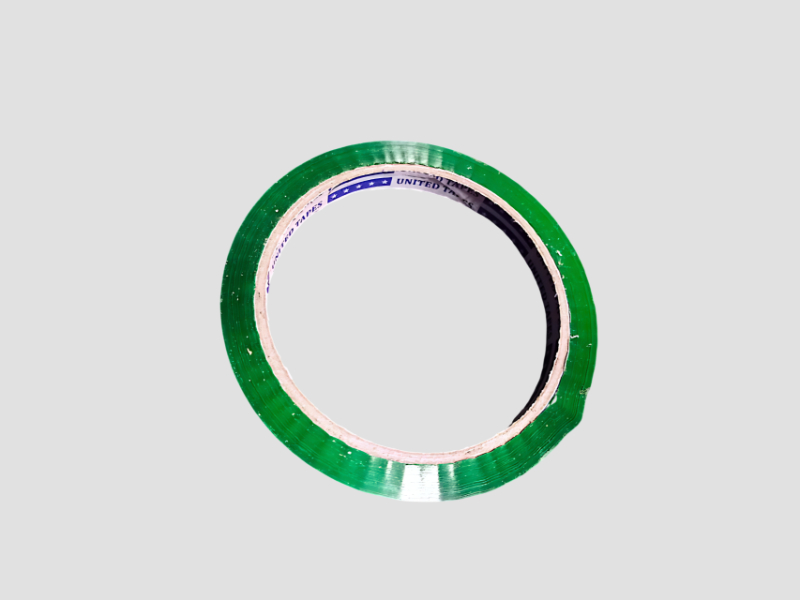
5. Packaging: Adhesives are essential for creating secure seals in packaging materials, ensuring product safety and integrity during transport.
6. Medical Devices: Adhesives and sealants are used in assembling medical devices and packaging, providing reliable performance in sterile environments.
7. Furniture Manufacturing: Adhesives play a key role in assembling furniture pieces, while sealants are used for finishing and protecting surfaces.
𝗣𝗿𝗼𝗱𝘂𝗰𝘁 𝗩𝗮𝗿𝗶𝗮𝗻𝘁𝘀 𝗮𝗻𝗱 𝗦𝘂𝗯𝗰𝗮𝘁𝗲𝗴𝗼𝗿𝗶𝗲𝘀
Adhesives and sealants come in a variety of formulations to meet specific needs and applications.
Polyurethane Adhesives: These adhesives provide strong bonding for various materials, including wood and metal. They are known for their flexibility and resistance to moisture, making them ideal for outdoor applications.
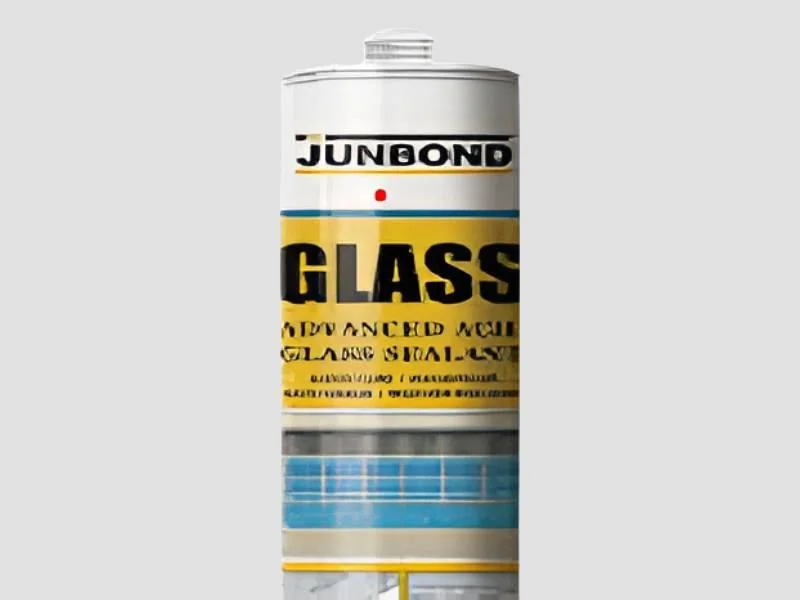
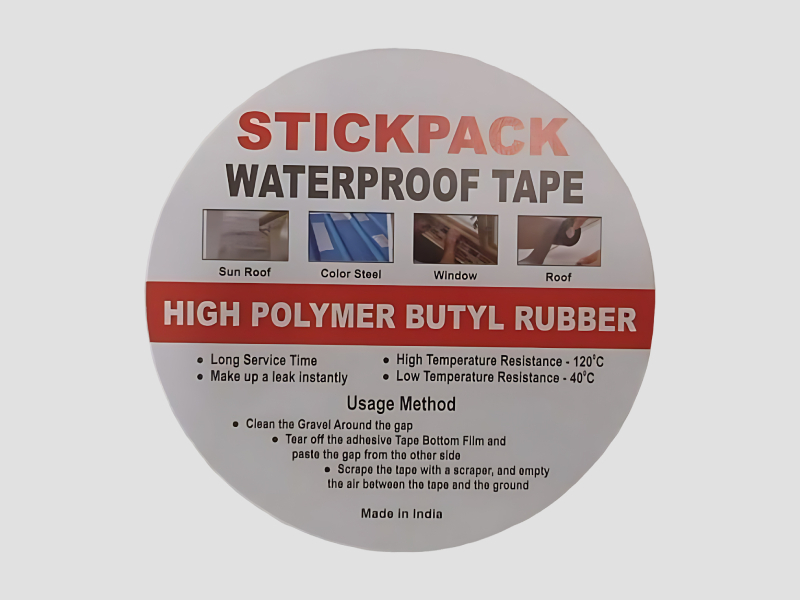
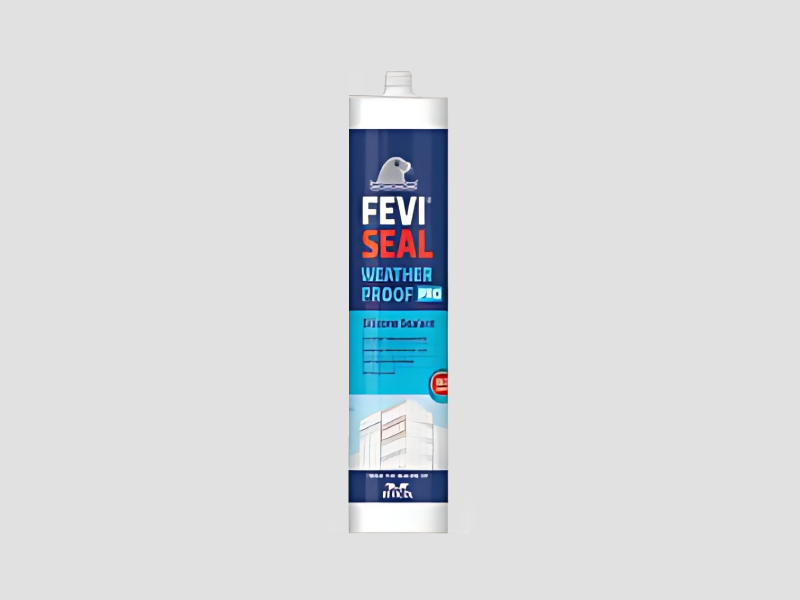
Silicone Sealants: Known for their excellent weather resistance, silicone sealants are used for sealing windows, doors, and roofing materials. They maintain flexibility over time and are resistant to UV rays.
Epoxy Adhesives: These adhesives offer superior strength and bonding capabilities for demanding applications. They are ideal for metal, glass, and ceramic bonding and are often used in automotive and aerospace industries.
Acrylic Adhesives: These provide fast curing times and good adhesion to various substrates. They are commonly used in the automotive and electronics sectors for bonding components.
Hot Melt Adhesives: These are applied in a molten state and provide quick bonding for packaging and assembly applications. They are easy to work with and set rapidly.
𝗕𝗲𝗻𝗲𝗳𝗶𝘁𝘀 𝗮𝗻𝗱 𝗔𝗱𝘃𝗮𝗻𝘁𝗮𝗴𝗲𝘀
Adhesives and sealants offer numerous benefits that enhance their value in industrial applications.
1. Strong Bonding: They provide superior adhesion, ensuring durability and longevity in applications.
2. Versatility: Available in various formulations, they can bond different materials, making them suitable for diverse applications.
3. Cost-Effectiveness: By reducing the need for mechanical fasteners, adhesives and sealants can lower overall production costs.
4. Improved Aesthetics: They provide clean finishes without visible fasteners, enhancing the appearance of products.
5. Environmental Resistance: Many products are designed to withstand harsh conditions, ensuring reliability in various environments.
6. Easy Application: User-friendly application methods simplify the bonding process, saving time and labor.
𝗕𝘂𝘆𝗶𝗻𝗴 𝗚𝘂𝗶𝗱𝗲 𝗳𝗼𝗿 𝗕𝟮𝗕 𝗕𝘂𝘆𝗲𝗿𝘀
When sourcing adhesives and sealants, it is important to consider several key factors to ensure the best selection for your needs.
1. Quality Assessment: Look for products that meet industry standards and specifications. Assessing quality can involve reviewing performance tests and certifications.
2. Supplier Verification: Ensure that suppliers are reputable and have a history of providing reliable products. Checking reviews and certifications can help in this process.
3. Pricing and MOQ: Understand the pricing structure and minimum order quantities (MOQ) required by suppliers. This can vary significantly based on the product and supplier.
4. Delivery and Lead Times: Inquire about delivery schedules and lead times to ensure timely availability of products for your projects.
5. Compliance Requirements: Ensure that the products comply with relevant regulations and standards in your industry. This can include safety and environmental compliance.
𝗖𝗼𝗺𝗽𝗹𝗶𝗮𝗻𝗰𝗲 𝗮𝗻𝗱 𝗖𝗲𝗿𝘁𝗶𝗳𝗶𝗰𝗮𝘁𝗶𝗼𝗻𝘀
Adhesives and sealants are often subject to various compliance standards and certifications that ensure their quality and safety.
ISO 9001 is a widely recognized quality management standard that ensures manufacturers maintain a consistent level of quality in their products.
CE certification indicates that a product meets European safety, health, and environmental protection standards, providing assurance of its reliability and performance in various applications.
Safety and testing requirements are essential to ensure that the adhesives and sealants do not pose a risk to users or the environment. Rigorous testing protocols help identify potential hazards.
Regional compliance considerations may vary, so it is essential to be aware of specific regulations in the markets where the products will be used. This can include local environmental regulations and safety standards.
𝗪𝗵𝘆 𝗦𝗼𝘂𝗿𝗰𝗲 𝗔𝗱𝗵𝗲𝘀𝗶𝘃𝗲𝘀 & 𝗦𝗲𝗮𝗹𝗮𝗻𝘁𝘀 𝗳𝗿𝗼𝗺 𝗣𝗲𝗽𝗮𝗴𝗼𝗿𝗮?
Pepagora provides a trusted platform for sourcing adhesives and sealants, offering significant advantages to B2B buyers.
Verified Supplier Network: Pepagora connects buyers with a network of verified suppliers who have been vetted for quality and reliability. This ensures that businesses can source materials with confidence.
Streamlined RFQ Process: The request for quotation (RFQ) process is designed to be straightforward, allowing buyers to easily obtain quotes from multiple suppliers, facilitating better decision-making.
Trade Assurance and Support: Pepagora offers trade assurance to protect buyers from potential risks associated with sourcing. This includes support for resolving disputes and ensuring product quality.
Regional Coverage: With a presence in India, the GCC, and Southeast Asia, Pepagora provides extensive geographic reach, making it easier for businesses to find the right adhesives and sealants tailored to their regional needs.

 IN
IN