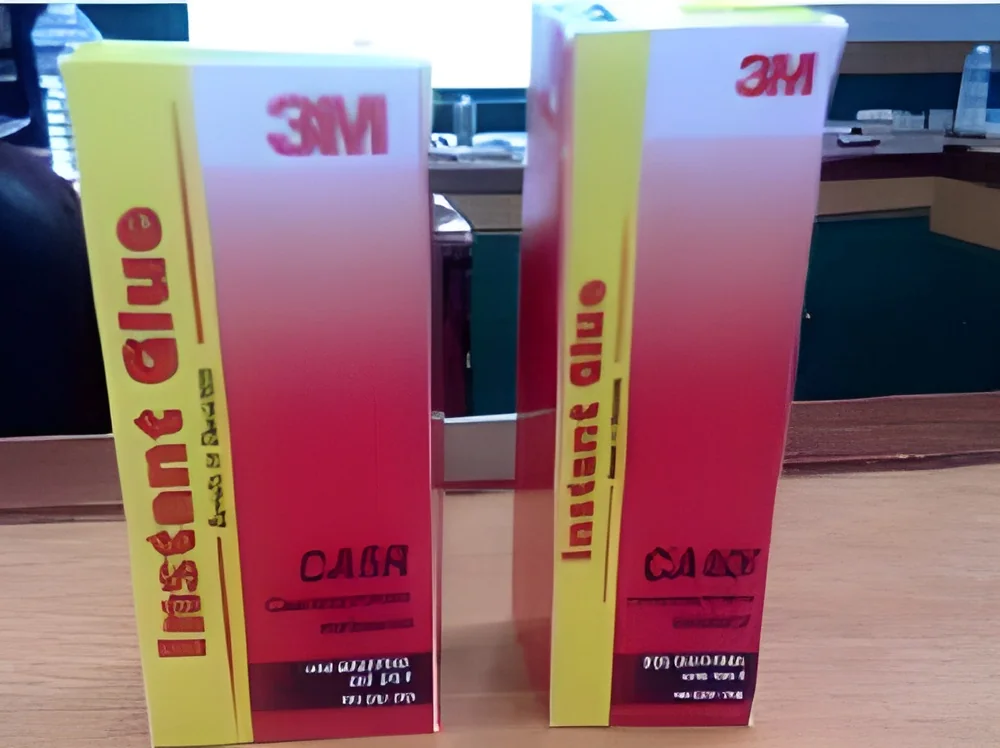
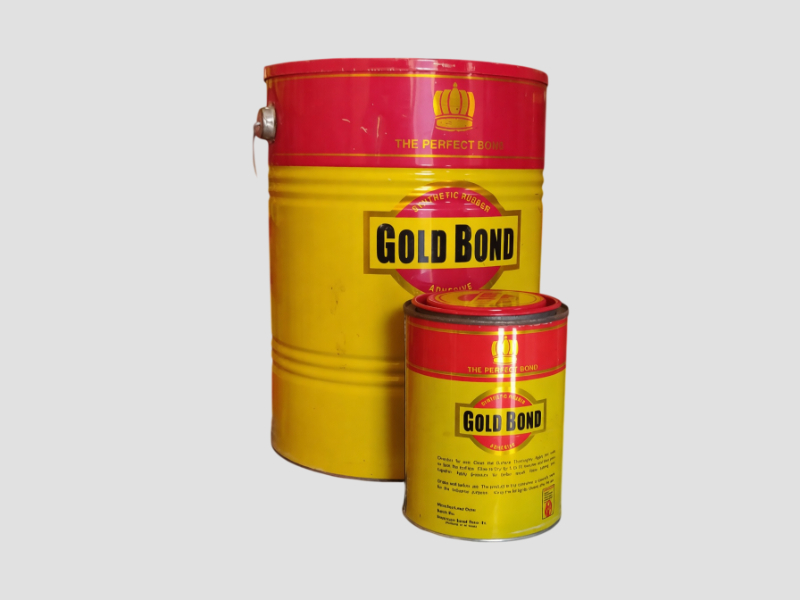
What are Rubber-Based Adhesives?
Rubber-based adhesives are versatile bonding agents made primarily from natural or synthetic rubber. These adhesives offer strong adhesion properties, flexibility, and resistance to various environmental factors such as moisture and temperature changes. They are designed to create durable bonds on a wide range of substrates, including paper, metal, plastic, and wood. The unique composition of rubber-based adhesives allows them to perform well in both indoor and outdoor applications.
These adhesives find extensive use in multiple business applications, such as manufacturing, automotive, packaging, and construction. They are especially favored for their quick bonding capabilities and ease of use. Industries often rely on rubber-based adhesives for tasks like assembling products, sealing joints, and even in the production of consumer goods. The growing demand for efficient and reliable adhesives underscores their significance in today’s market. As companies focus on improving product quality, rubber-based adhesives continue to play a crucial role in enhancing operational efficiency.
Key Features and Specifications
Rubber-based adhesives come with a variety of features and specifications that enhance their usability in industrial applications. Understanding these specifications is key for businesses looking to choose the right product for their needs.
Key specifications include:
1. Adhesion Strength
- High initial tack for quick bonding
- Excellent peel and shear strength
2. Temperature Resistance
- Performance in a range of temperatures
- Ability to withstand heat without losing adhesion
3. Flexibility
- Maintains flexibility even after curing
- Suitable for applications requiring movement and expansion
4. Moisture Resistance
- Protects against moisture and humidity
- Ideal for both outdoor and indoor uses
5. Chemical Resistance
- Resists degradation from common chemicals
- Suitable for industrial environments
6. Cure Time
- Fast-setting options available
- Provides efficiency in production processes
7. VOC Content
- Low volatile organic compound options for safer use
- Compliance with environmental regulations
8. Shelf Life
- Extended shelf life for long-term storage
- Ensures readiness when needed
These specifications ensure that rubber-based adhesives meet the diverse needs of various industries.
Common Applications and Use Cases
Rubber-based adhesives are employed across several industries due to their versatility and performance.
1. Automotive: Used for bonding interior and exterior components, including trims and weather seals.
2. Packaging: Commonly utilized in sealing boxes and cartons, providing waterproof and airtight seals.
3. Construction: Applied in roofing, flooring, and insulation materials for effective bonding and durability.
4. Electronics: Used for affixing components and providing insulation in electronic devices.
5. Furniture: Ideal for assembling wooden parts and laminating surfaces in furniture production.
6. Aerospace: Ensures secure bonding in aircraft components, meeting stringent safety standards.
7. Textile: Used in the production of shoes and clothing for durable adhesion of various fabrics.
Product Variants and Subcategories
Rubber-based adhesives come in various formulations to cater to specific industrial needs.
Contact Adhesives
These are quick-drying adhesives that bond on contact, making them perfect for large surface areas and quick assembly tasks. They are known for their strong initial tack and flexibility.
Pressure-Sensitive Adhesives
These adhesives remain tacky and require pressure to form a bond. They are widely used in tapes and labels, allowing for easy application and repositioning.
Solvent-Based Adhesives
These adhesives contain solvents that evaporate to form a bond. They are ideal for applications where high strength and resistance to environmental factors are required.
Water-Based Adhesives
These are environmentally friendly options that use water as a solvent. They are suitable for applications requiring low toxicity and ease of cleanup.
Benefits and Advantages
Rubber-based adhesives provide numerous advantages that make them popular among industrial users.
1. Strong Bonding: They create robust bonds that withstand stress and strain during use.
2. Versatility: Suitable for various materials, making them useful across multiple applications.
3. Quick Setting: Many formulations offer fast curing times, increasing production efficiency.
4. Flexibility: Their ability to maintain flexibility ensures durability in dynamic applications.
5. Moisture Resistance: Provides reliable performance in humid or wet conditions.
6. Easy Application: Generally straightforward to apply, reducing the need for specialized equipment.
Buying Guide for B2B Buyers
When sourcing rubber-based adhesives, it is essential to consider several factors to ensure the best purchase.
1. Quality Assessment: Evaluate the adhesive's performance, including adhesion strength and resistance properties, to ensure it meets your specific needs.
2. Supplier Verification: Conduct background checks on suppliers to confirm their reliability and track record in delivering quality products.
3. Pricing and MOQ: Understand the pricing structure and minimum order quantities to make informed purchasing decisions that align with your budget.
4. Delivery and Lead Times: Consider logistics and the expected lead times for delivery to avoid interruptions in your production schedule.
5. Compliance Requirements: Ensure the adhesives meet relevant industry standards and regulations to guarantee safety and effectiveness.
Compliance and Certifications
Rubber-based adhesives must meet various compliance and certification standards to ensure quality and safety. Key quality standards include ISO 9001, which focuses on quality management systems, and HACCP, which addresses safety in food-related applications.
Certifications such as CE indicate that the product meets European health, safety, and environmental protection standards. Safety testing is also essential to ensure that the adhesives do not pose health risks during use.
Regional compliance considerations may vary, necessitating that businesses verify local regulations regarding adhesive products. Adhering to these standards helps maintain product integrity and ensures safety for users.
Why Source Rubber-Based Adhesives from Pepagora?
Pepagora provides a trusted platform for sourcing rubber-based adhesives, offering several key advantages to businesses.
Verified Supplier Network: Pepagora collaborates with a network of verified suppliers, ensuring that buyers have access to high-quality products from reputable sources.
Streamlined RFQ Process: The platform features an efficient request-for-quotation process that allows buyers to receive competitive quotes quickly, facilitating informed purchasing decisions.
Trade Assurance and Support: Pepagora offers buyer protection measures, ensuring that transactions are secure and that buyers receive the support they need throughout the purchasing process.
Regional Coverage: With a presence in India, the GCC, and Southeast Asia, Pepagora's geographic reach enables businesses to source rubber-based adhesives tailored to their regional market needs.

 IN
IN