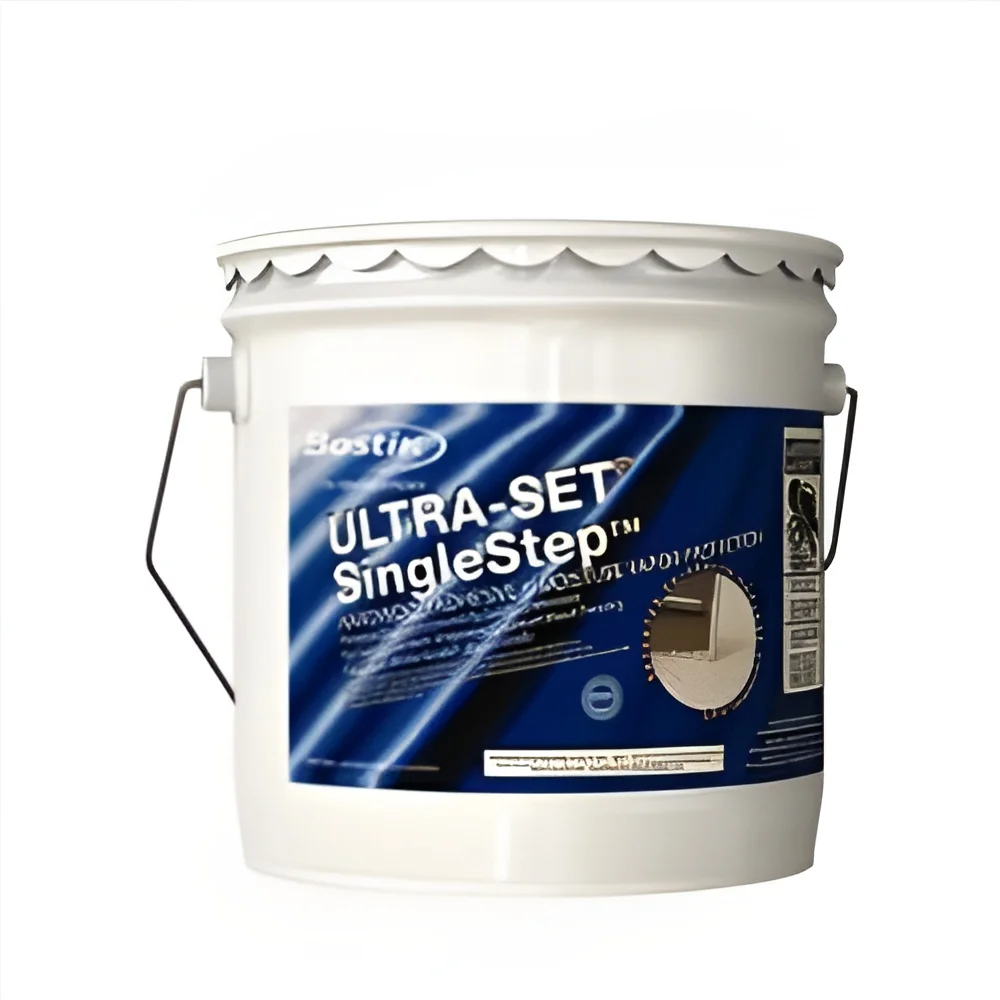
What are Contact Adhesives?
Contact adhesives are a type of adhesive that forms a strong bond when two surfaces coated with the adhesive are pressed together. These adhesives are known for their excellent initial tack and quick bonding capabilities, allowing for immediate handling of bonded materials. Unlike traditional adhesives, contact adhesives require no clamping or additional support once the surfaces are joined, making them a popular choice in various industrial applications.
The primary uses of contact adhesives include bonding materials such as wood, metal, leather, rubber, and various plastics. They are widely utilized in industries such as construction, automotive manufacturing, furniture production, and footwear. Their versatility in adhering dissimilar materials makes them particularly valuable for complex assembly tasks. As industries seek efficient and reliable solutions for assembly, the demand for contact adhesives continues to grow, reflecting their critical role in modern manufacturing processes.
Key Features and Specifications
Contact adhesives come with a variety of features and specifications that cater to diverse applications. Understanding these aspects is essential for selecting the right adhesive for specific needs.
Key specifications include:
1. Viscosity
- Determines the thickness of the adhesive.
- Affects application methods and drying times.
2. Bonding Strength
- Indicates the adhesive's ability to hold materials together.
- Measured in pounds per square inch (psi).
3. Drying Time
- Time required for the adhesive to set before use.
- Typically ranges from a few minutes to several hours.
4. Temperature Resistance
- Defines the adhesive's performance in varying temperatures.
- Suitable formulations can withstand high and low temperatures.
5. Solvent Resistance
- Indicates the adhesive's ability to resist degradation from solvents.
- Important for applications in chemical environments.
6. Shelf Life
- Duration the adhesive can be stored without losing effectiveness.
- Usually ranges from 6 months to 2 years.
7. Application Method
- Specifies whether the adhesive is applied with a brush, spray, or roller.
- Affects the ease of use and efficiency.
8. Compliance and Safety Standards
- Ensures the adhesive meets necessary regulatory requirements.
- Important for user safety and environmental considerations.
In summary, understanding the features and specifications of contact adhesives is crucial for selecting the right product for your application, ensuring optimal performance and safety.
Common Applications and Use Cases
Contact adhesives serve various industries, providing reliable bonding solutions for numerous applications.
1. Construction: Used for bonding flooring materials, wall panels, and countertops, providing durable and long-lasting adhesion.
2. Automotive: Essential for attaching interior components, insulation, and trim, ensuring a strong bond that withstands vibrations.
3. Furniture: Common in the assembly of wood and laminate surfaces, offering a seamless appearance and quick assembly time.
4. Footwear: Utilized in the manufacturing of shoes, providing flexibility and durability in bonding different materials like leather and rubber.
5. Aerospace: Critical for bonding lightweight materials in aircraft, ensuring structural integrity while maintaining weight efficiency.
6. Electronics: Used for attaching components in electronic devices, ensuring reliable performance and longevity.
7. Packaging: Employed in the production of various packaging materials, providing secure seals that protect products.
Product Variants and Subcategories
Contact adhesives come in various forms to meet specific application needs.
Water-based Contact Adhesives
These adhesives are environmentally friendly and offer low VOC emissions. They are ideal for indoor applications where odor and safety are concerns.
Solvent-based Contact Adhesives
These provide strong bonding capabilities for heavy-duty applications. They are suitable for outdoor use and can withstand harsh environmental conditions.
High-Temperature Contact Adhesives
Designed to perform in extreme heat, these adhesives are perfect for applications in automotive and aerospace industries where thermal resistance is critical.
Flexible Contact Adhesives
These adhesives maintain flexibility after curing, making them suitable for applications in footwear and other areas where movement is required.
Benefits and Advantages
Contact adhesives offer numerous advantages that make them a preferred choice for many businesses.
1. Quick Bonding: The ability to form immediate bonds allows for faster assembly processes, increasing productivity.
2. Versatile Use: They can bond a wide range of materials, making them suitable for various applications across industries.
3. No Clamping Required: Contact adhesives eliminate the need for clamping, which simplifies the assembly process and reduces labor costs.
4. Strong Initial Tack: Their strong initial tack ensures that materials stay in place during the bonding process, reducing the risk of misalignment.
5. Durability: Once cured, contact adhesives provide a long-lasting bond that can withstand stress and environmental factors.
6. Easy Application: They can be applied using various methods, including spraying, brushing, or rolling, providing flexibility in usage.
Buying Guide for B2B Buyers
When sourcing contact adhesives, it is important to consider several key factors to ensure you select the right product for your needs.
1. Quality Assessment: Evaluate the adhesive's specifications and performance standards. Look for products that meet relevant quality certifications, ensuring reliability.
2. Supplier Verification: Vet suppliers by checking their reputation, customer reviews, and compliance with industry standards. This ensures you partner with reliable manufacturers.
3. Pricing and MOQ: Consider the cost per unit and the minimum order quantity (MOQ). Balance quality with budget constraints for the best value.
4. Delivery and Lead Times: Confirm lead times and delivery options. Timely delivery is crucial for maintaining production schedules.
5. Compliance Requirements: Ensure that the adhesives meet local and international regulations regarding safety and environmental impact.
Compliance and Certifications
Compliance with industry standards is essential for contact adhesives to ensure safety and reliability. Relevant quality standards include ISO 9001, which focuses on quality management systems, and HACCP, which is critical for food-related applications.
Certifications such as CE indicate that the product meets European safety, health, and environmental protection standards.
Safety and testing requirements must be adhered to, particularly concerning volatile organic compounds (VOCs) and other hazardous materials.
Regional compliance considerations vary, so it is essential to understand local regulations impacting the use and distribution of contact adhesives.
Why Source Contact Adhesives from Pepagora?
Pepagora provides a trusted platform for sourcing contact adhesives, offering several key advantages to B2B buyers.
Verified Supplier Network: Pepagora works with a network of verified suppliers, ensuring that buyers can find reliable products with confidence. This reduces the risk of sourcing from unqualified vendors.
Streamlined RFQ Process: The Request for Quotation (RFQ) process is designed for efficiency, allowing buyers to receive competitive quotes quickly. This simplifies decision-making and helps businesses stay on budget.
Trade Assurance and Support: Pepagora offers trade assurance, providing buyers with protection throughout the purchasing process. This support helps build trust and fosters long-term supplier relationships.
Regional Coverage: With a strong presence in India, the GCC, and Southeast Asia, Pepagora facilitates access to a wide range of products and suppliers. This regional coverage ensures that businesses can source contact adhesives tailored to their specific needs.

 IN
IN